<img height="1" width="1" style="display:none" src="https://www.facebook.com/tr?id=1197952961438992&ev=PageView&noscript=1" />

Serengeti National Park Guide:The Great Migration & Safari Tips

Serengeti National Park is a place that many people dream about. It's famous for its amazing wildlife and the huge animal migration that happens there every year. This park in Tanzania is one of the last wild places on Earth, offering a look at nature at its most raw. You can see millions of animals, big cats, and so many different kinds of birds. It's a destination that truly lives up to the hype, providing unforgettable experiences for anyone who visits. 
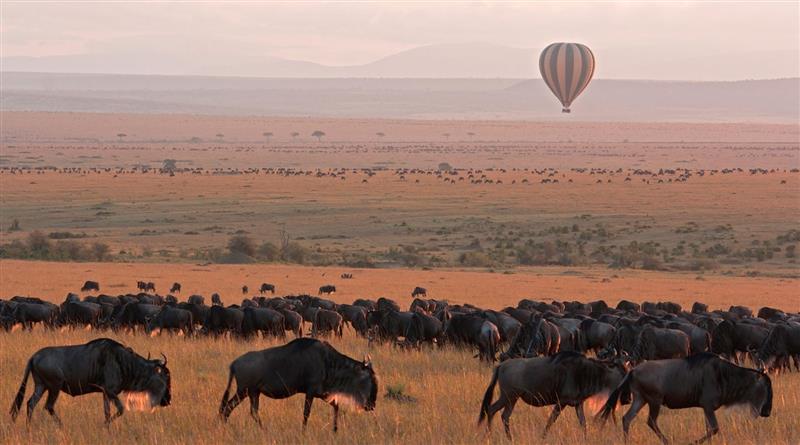
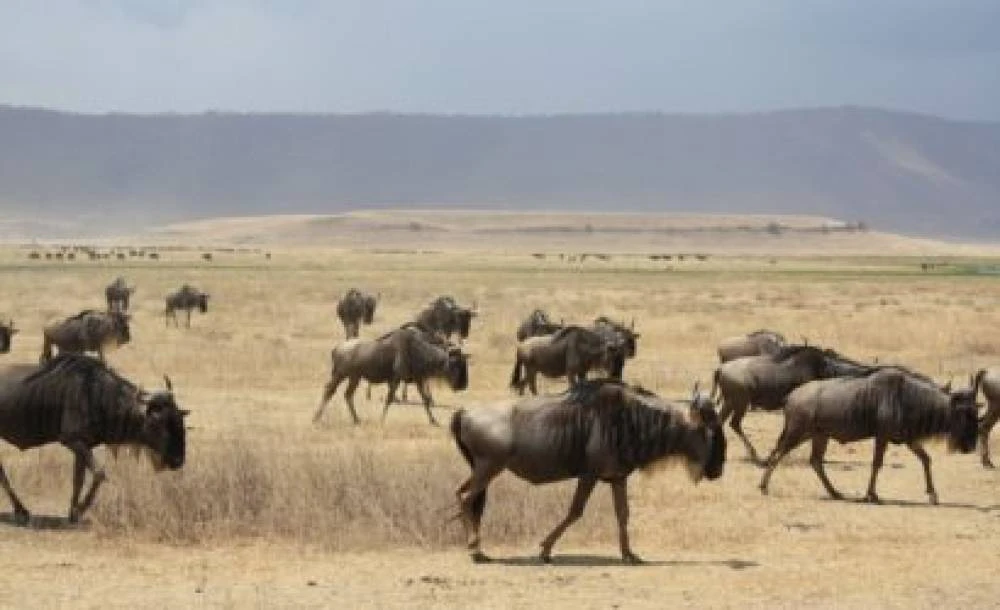
wildbeest in serengeti national park

Key Takeaways

  • Serengeti National Park is a large protected area in Tanzania, known for its vast savannas and abundant wildlife.
  • The park is most famous for the Great Migration, where over a million wildebeest and zebras travel across the plains.
  • Visitors can often spot the "Big Five" animals: lions, leopards, elephants, rhinos, and buffalo.
  • The best times to visit depend on what you want to see, with the dry season offering easier game viewing and the wet season showing off lush landscapes and newborn animals.
  • Popular activities include guided game drives and breathtaking hot air balloon safaris over the plains.

What is Serengeti National Park?

Serengeti National Park is a vast and iconic protected area located in northern Tanzania. It's a place that truly lives up to its name; the word "Serengeti" is thought to come from the Maasai word "siringet," meaning "the place where the land runs on forever" or "endless plains." This incredible landscape covers about 14,763 square kilometers, a sprawling expanse of savanna, woodlands, and grasslands that feels truly boundless.

FEATURE

DETAIL

Established

1951

Size

14,763 km2

UNESCO Status

World Heritage Site (since 1981)

Best For

The Great Migration, Large Predators

Entrance Gates

Naabi Hill, Ikoma, Klein's, Ndabaka

Location and Geography

Where is Serengeti National Park located?
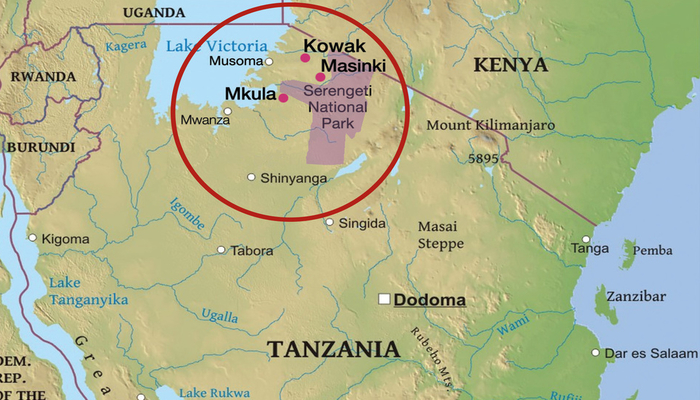
Map of the Serengeti

It sits in the northern part of Tanzania, bordering Kenya to the north, where it connects with the Maasai Mara National Reserve. To its southeast is the Ngorongoro Conservation Area, and other game reserves lie to its west and southwest. The park's geography is remarkably varied, featuring open grasslands dotted with granite kopjes (rocky outcrops) in the south, riverine forests and woodlands in the western corridor, and hilly, open woodlands in the northern reaches. This diverse terrain is shaped by weather and ancient volcanic activity, creating a mosaic of habitats that support an astonishing array of life. The Mara River, a vital water source, flows through the northern part of the ecosystem, supporting life especially during the dry season.

The Great Migration: A Spectacle of Nature

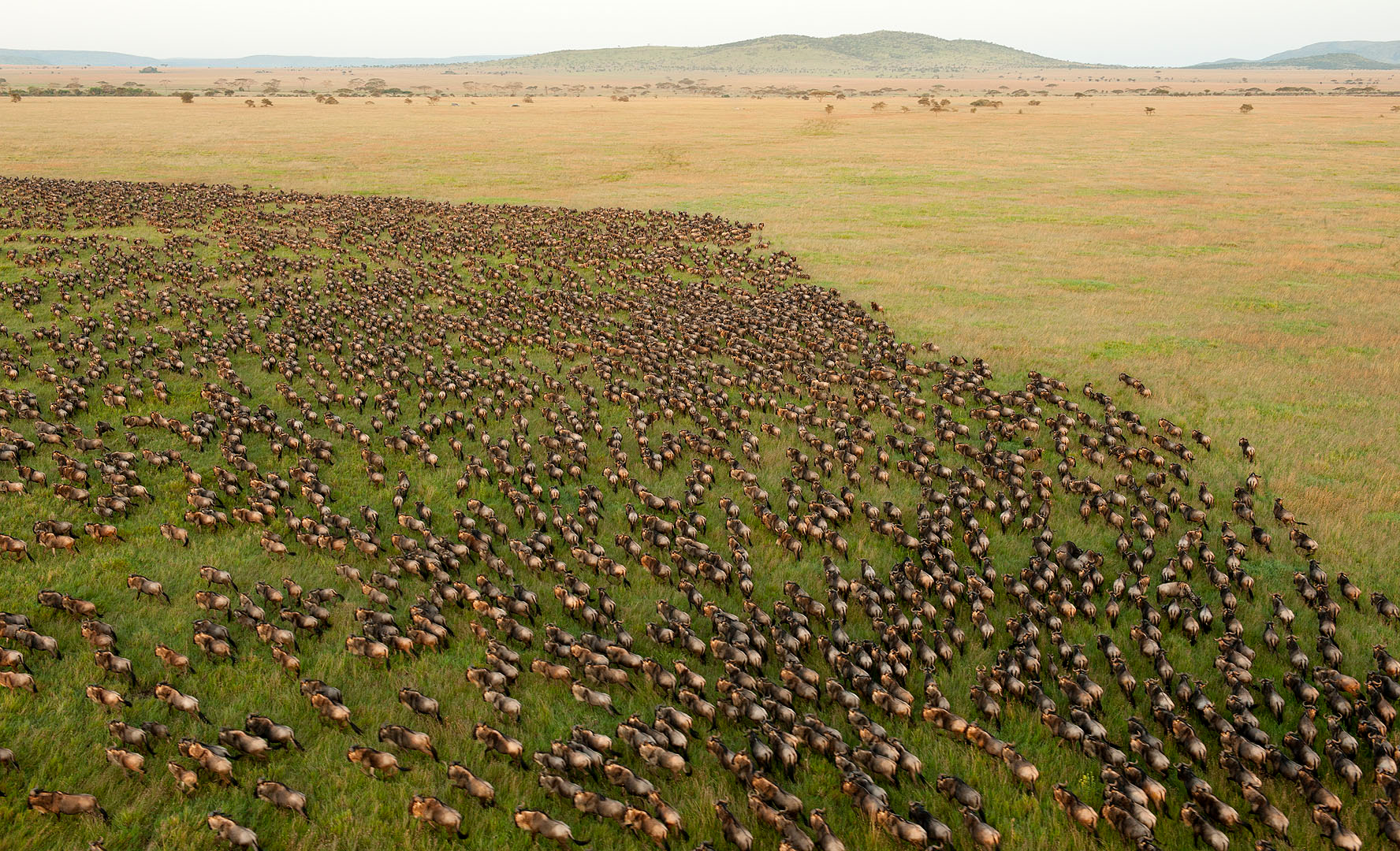
Wildebeest_Migration_in_Serengeti_National_Park,_Tanzania

Perhaps the most famous phenomenon associated with the Serengeti is the Great Migration. This is the largest annual movement of mammals on Earth, a breathtaking spectacle involving over 1.5 million wildebeest, hundreds of thousands of zebras, and countless gazelles. They journey in a vast, circular route across the plains, following the rains in search of fresh grazing. This epic trek is a highlight for many Serengeti National Park tours, offering a chance to witness nature's raw power and the intricate web of life. The timing of the migration varies, but it's a constant, pulsating rhythm that defines the Serengeti's ecosystem and draws visitors from around the globe for an unforgettable Serengeti National Park safari. The best time to see the river crossings is usually July to October, while the calving season takes place in January and February

Activities and Experiences


Serengeti National Park offers a wealth of activities designed to immerse visitors in its wild beauty and incredible wildlife. From the thrill of tracking animals in their natural habitat to breathtaking aerial views, there's an adventure for every kind of traveler.

Game Drives

game drives in serengeti with safari soles tours

Game drives are the heart of any Serengeti Safari Package. These excursions take place in specially adapted safari vehicles, usually open-sided or with pop-up roofs, allowing for unobstructed views and excellent photographic opportunities. Experienced guides, deeply familiar with the park's vastness and the habits of its inhabitants, lead these drives. They know where to look for lions lounging in the shade, cheetahs scanning the horizon from termite mounds, or herds of elephants moving towards a water source. The best game drives are often those that start early in the morning or continue into the late afternoon, when animals are most active. You might spend hours observing a pride of lions, witness a dramatic hunt, or simply marvel at the sheer number of wildebeest and zebras grazing on the open plains. Each drive is a unique journey, with the landscape and wildlife encounters constantly changing.

Hot Air Balloon Safaris

For a truly unforgettable perspective, a hot air balloon safari over the Serengeti plains is an absolute must. As the sun begins to paint the sky with vibrant colors, you'll ascend gently into the air. Floating silently above the vast expanse, you'll witness the park awaken from a bird's-eye view. Herds of animals appear as tiny specks moving across the landscape, and the sheer scale of the Serengeti becomes apparent. It's a serene and awe-inspiring experience, offering unparalleled photographic opportunities and a profound sense of peace. After landing, the adventure often concludes with a champagne breakfast in the bush, a fitting celebration of this extraordinary experience.

Hot Air Balloon Safaris

Here's a glimpse of what you might encounter:

  • Wildlife Spotting: Lions, leopards, elephants, buffaloes, rhinos (the Big Five), as well as giraffes, zebras, wildebeest, cheetahs, and a myriad of bird species.
  • Landscape Views: Vast savannas, acacia woodlands, riverine forests, and the iconic kopjes (rocky outcrops).
  • Cultural Encounters: Opportunities to learn about the Maasai people and their traditional way of life, often integrated with lodge stays or specific excursions.

A safari in the Serengeti is more than just a trip; it's an encounter with the raw power and beauty of nature. The experiences here connect you to the wild in a way that few places on Earth can.

ACTIVITY

TYPICAL DURATION

BEST FOR

Game Drive

3–6 hours

Wildlife viewing, photography, exploration

Hot Air Balloon Safari

1 hour (flight)

Unique perspectives, romance, special occasions

A Timeless Wonder

The Serengeti is more than just a park; it's a living, breathing testament to the wild heart of Africa. From the endless plains that give it its name to the incredible drama of the Great Migration, this is a place that truly stays with you. Witnessing the sheer abundance of life, the raw beauty of the landscape, and the intricate dance between predator and prey is an experience that humbles and inspires. It's a reminder of the natural world's power and fragility, a place that calls us to appreciate and protect its wonders for generations to come.

Best Wildlife to See on a Serengeti Safari

The Serengeti is a place where the wild heart of Africa beats strongest. It's a vast expanse, living up to its Maasai name, "Siringet," meaning "endless plains." This isn't just a park; it's a living, breathing ecosystem, home to an astonishing array of creatures. When you think of a Tanzania safari experience, the Serengeti is likely what comes to mind, and for good reason. The sheer density and diversity of wildlife here are unlike anywhere else on Earth.

The Big Five

No safari in the Serengeti is complete without the thrill of spotting the iconic "Big Five": the lion, leopard, elephant, rhino, and buffalo. These magnificent animals are the stars of the show, and seeing them in their natural habitat is a truly humbling experience. Lions are often seen lounging in prides on the open plains or stalking through the tall grass. Leopards, more elusive, can sometimes be spotted draped over tree branches, a rare and special sighting. Elephants roam in family groups, their sheer size a testament to the wildness of this land. Cape buffalo, in large, formidable herds, are a common sight, often seen near water sources. While rhinos are the most challenging to find due to their endangered status and preference for denser bush, their presence adds to the park's incredible biodiversity.

Other Notable Animals

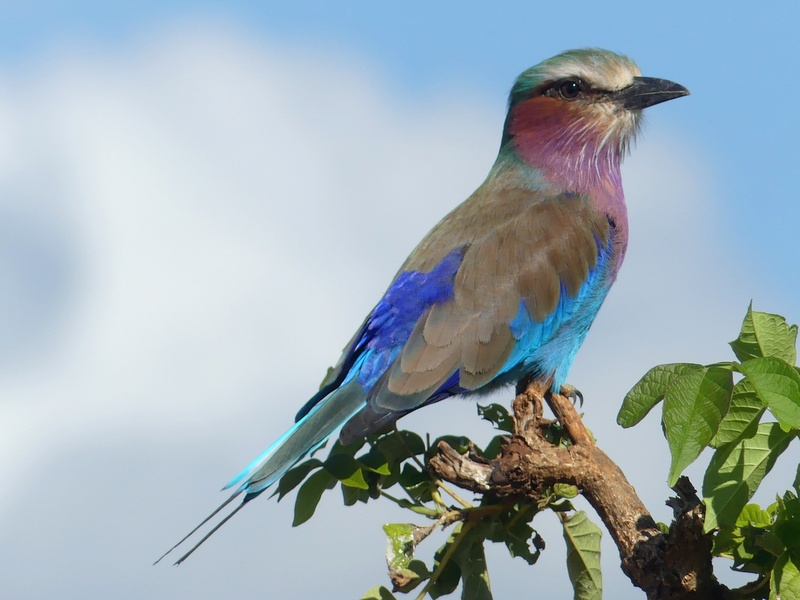
Beyond the Big Five, the Serengeti teems with life. The plains are a sea of movement, especially during the Serengeti migration. Over a million wildebeest and hundreds of thousands of zebras make their incredible journey across these lands, a spectacle that defines wildlife viewing in Africa. This constant flow of herbivores supports a dynamic predator-prey relationship, making for dramatic encounters. You'll also find graceful giraffes browsing on acacia trees, cheetahs scanning the horizon for their next meal, hyenas with their distinctive calls, and countless other species like hippos in the rivers, various antelopes such as gazelles and impalas, and a dazzling array of birdlife. The Great Migration routes are a constant source of activity, drawing predators and scavengers alike.

Here's a glimpse of some of the other incredible animals you might encounter:

  • Wildebeest: The undisputed stars of the Great Migration.
  • Zebras: Often seen alongside wildebeest, their stripes creating a mesmerizing pattern.
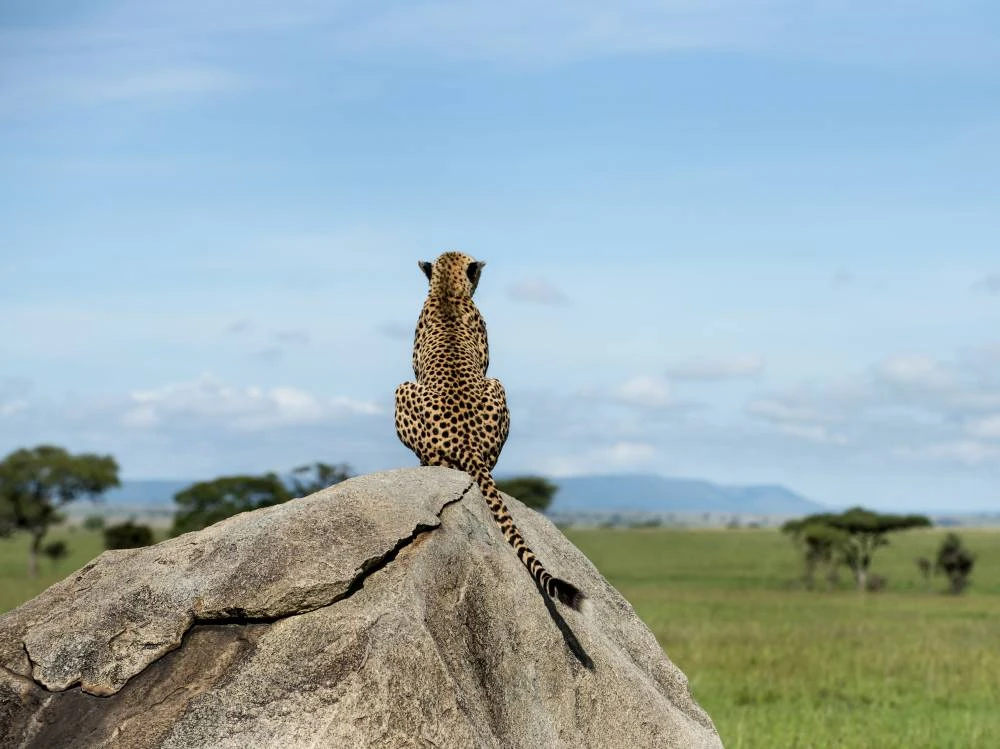
  • Cheetahs: The fastest land animals, often seen hunting in the open grasslands.
  • Giraffes: Their elegant forms are a common sight against the acacia trees.
  • Hyenas: Both spotted and striped hyenas play a vital role in the ecosystem.
  • Elephants: Majestic and intelligent, often seen in family herds.

The Serengeti is a place of constant motion and change. The landscape itself, from the southern grasslands to the western woodlands, dictates where animals gather and move. Understanding these patterns is key to experiencing the full wonder of this African jewel.

Best Time to Visit Serengeti

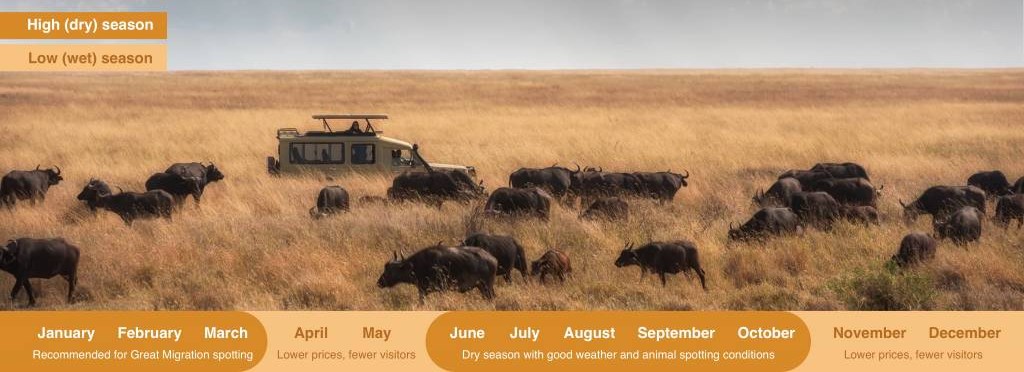
Deciding when to visit the Serengeti National Park is key to experiencing its magic. The park's climate and wildlife movements create distinct seasons, each offering a unique safari adventure. Understanding these patterns will help you plan the perfect trip.  
best time to visit serengeti

Dry Season (June - October)

This period is often considered the prime time for a Serengeti safari. The landscape transforms as the rains recede, leaving behind vast, open plains dotted with acacia trees. The air is crisp, and the skies are typically clear, providing excellent visibility for wildlife viewing. The dry season is also when the Great Migration, a breathtaking spectacle of millions of wildebeest and zebras, is often found in the western and northern parts of the park. This is a time of intense predator-prey action, as animals congregate around the remaining water sources. You'll find that game drives are highly productive, with animals more concentrated and easier to spot against the drier vegetation. While popular, this season offers a classic safari experience with reliable weather and abundant wildlife.


Wet Season (November - May)

The wet season brings a different kind of beauty to the Serengeti. From November to May, the park receives its rainfall, transforming the dry plains into lush, green grasslands. This is a time of renewal, and it's particularly special for birdwatchers, as migratory birds return to the area. The southern Serengeti, in particular, becomes a vibrant nursery, with newborn wildebeest and zebras arriving between January and March. While game drives can sometimes be interrupted by rain showers, the dramatic skies and verdant landscapes offer stunning photographic opportunities. The wet season also means fewer crowds, offering a more intimate wildlife experience. It’s a wonderful time to witness the Serengeti’s life cycle in full bloom.

Here's a quick look at what to expect:

  • Dry Season (June - October):
    • Pleasant, cooler temperatures.
    • Excellent for viewing the Great Migration, especially river crossings.
    • Concentrated wildlife around waterholes.
    • Clear skies and good visibility.
  • Wet Season (November - May):
    • Lush, green landscapes.
    • Calving season for wildebeest and zebras (Jan-Mar).
    • Abundant birdlife.
    • Fewer tourists and potentially lower prices.

Planning your visit around these seasons allows you to tailor your safari to your interests, whether you're drawn to the drama of the migration or the tranquility of the green season.

Frequently Asked Questions

When is the best time to visit the Serengeti?

What is the weather like in the Serengeti?

What should I wear on Serengeti safari in Tanzania?

What about accommodation in Serengeti?

How much is a hot air balloon ride in Serengeti?