9 Interesting Facts About the Serengeti To Know Before Visiting

Going on a Serengeti safari feels like stepping into a nature documentary. Endless golden plains, huge herds on the move, and predators locked in an age-old chase make it one of the most extraordinary wildlife destinations on Earth. Before you plan your own Serengeti adventure, here are six facts we think make this landscape extra special.
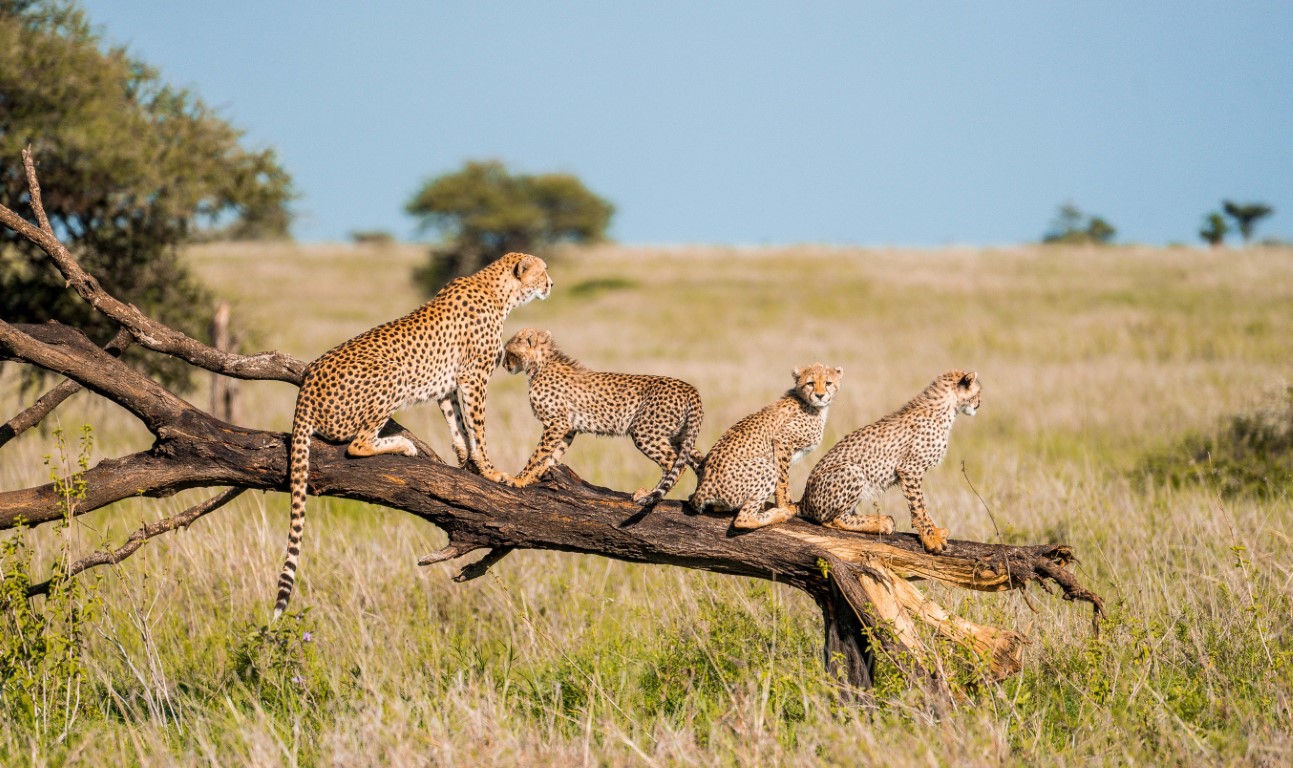
Four cheetahs standing on a collapsed tree in the Serengeti.

1. Home to the Greatest Wildlife Show on Earth

The Serengeti is famous worldwide for the Great Migration, when over two million wildebeest, zebra and gazelle move in a continuous cycle across the plains in search of fresh grazing and water. The herds follow a roughly circular route decided by seasonal rainfall patterns, crossing the Serengeti into Kenya’s Maasai Mara and back again each year.

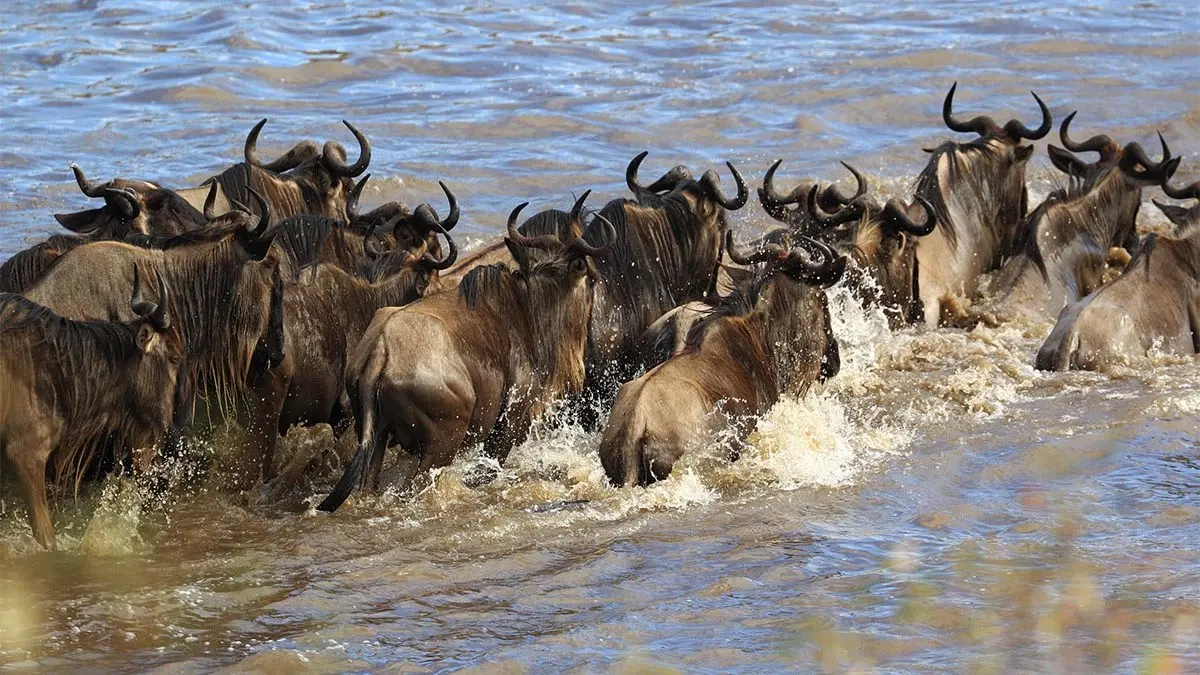
River crossings, particularly at the Grumeti and Mara rivers, are among the most dramatic wildlife spectacles anywhere in the world, drawing crocodiles and other predators, like lions, that time their own movements around the Great Migration.

2. Up to 10,000 Wildebeest Calves Are Born Every Day

Each year, in the southern Serengeti and Ndutu plains, the migration pauses for calving season, typically peaking in February. During this window, an estimated 8,000 to 10,000 wildebeest calves are born per day, timed so that nearly the entire herd gives birth within a few short weeks — that’s around 500,000 calves every season! This synchronized calving is thought to overwhelm predators with more prey than they can consume, giving a greater proportion of calves a chance to survive their vulnerable first days.

3. One of the World’s Oldest Ecosystems

The Serengeti ecosystem has existed pretty much unchanged for over a million years, making it one of the oldest continuously functioning ecosystems on the planet. Its ancient volcanic soil, laid down by eruptions from the Ngorongoro highlands, is what makes the plains so fertile and able to support the Great Migration and such a wide array of wildlife. Walking or driving across the Serengeti is, in effect, a walk through landscapes that have supported wildlife in much the same way for millennia.

Wildebeest crossing the Mara River during the Great Migration.

4. The Migration Covers Hundreds of Miles a Year

Driven by rainfall rather than a fixed calendar, the migrating herds travel an estimated 500 to 1,200 miles (800 to 1,900 kilometers) annually as they move between the southern plains, the Western Corridor and the Masai Mara. No two years follow exactly the same route or timing, which is why guides track rainfall patterns closely when planning migration-focused safari itineraries.

5. More Than Just Grassland

While the Serengeti is famed for its open plains, it’s also home to rivers, woodlands and rocky granite outcrops called kopjes. These weathered rock formations, some of which have been exposed at the surface for over 500 million years, rise abruptly from the plains and provide shelter, shade, and excellent vantage points for lions and leopards. They’re also some of the best photography backdrops in the park, especially around sunrise.

6. A Favorite Filming Location

The Serengeti’s dramatic scenery has inspired filmmakers for decades, lending its landscapes to countless wildlife documentaries like the BBC's Serengeti series, and feature films, including The Lion King, which drew directly on the Serengeti’s landscape and wildlife for inspiration. Its combination of open sightlines, dramatic light and reliable wildlife activity continues to make it a popular setting for major nature productions today.

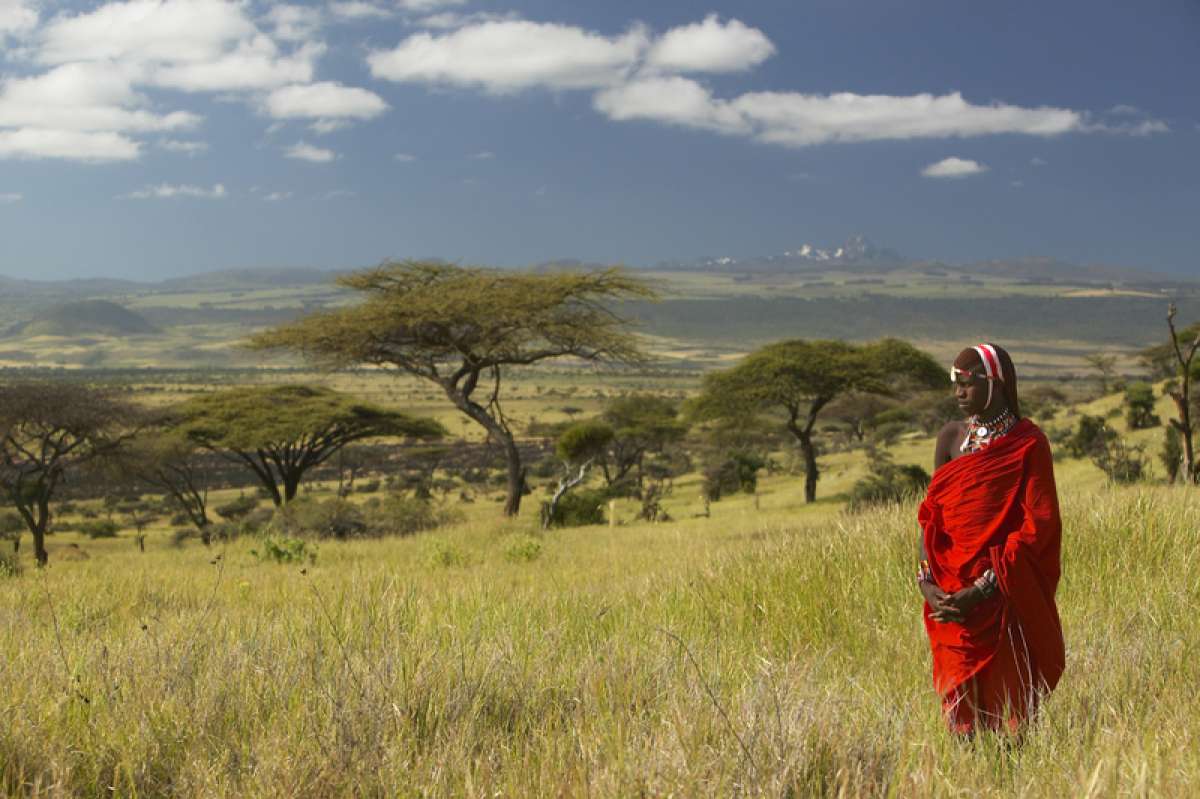
A Maasai person standing overlooking the savannah in the Serengeti.

7. Cultural Roots Run Deep

The Serengeti isn’t just a wildlife haven. It holds deep cultural significance for the Maasai and other indigenous communities who have lived alongside its wildlife for centuries. In fact, the name “Serengeti” derives from the Maasai word siringet, meaning “the place where the land runs on forever” or “endless plain,” a fitting description for a landscape that still shapes Maasai pastoral life today, particularly in areas bordering the park.

8. A UNESCO World Heritage Site

The Serengeti was inscribed as a UNESCO World Heritage Site in 1979, recognized for its exceptional natural beauty and for hosting one of the last great terrestrial mammal migrations on Earth. The listing sits alongside the park's status as a Biosphere Reserve, reflecting its importance for both conservation and ongoing ecological research.

9. Tanzania’s Oldest National Park

The Serengeti National Park is Tanzania’s oldest national park, designated in 1951. The Tanzania National Parks Authority’s (TANAPA) rangers work continuously to protect its wildlife and habitats. Alongside anti-poaching patrols, conservation efforts here also involve managing the delicate balance between tourism, migration corridors and the needs of surrounding communities, helping ensure the migration and its predators survive for future generations.


Want to witness these facts come to life? Our 5-day Serengeti, Ngorongoro & Tarangire safari is built around peak migration viewing and includes time at a private conservancy for closer wildlife encounters away from the crowds.


Frequently Asked Questions

Why is the Serengeti famous?

What animals live in the Serengeti?

How old is the Serengeti ecosystem?

Is the Serengeti plain in northern or southern Africa?​