Rate : $1563 to $10228
Best time : August to October (for the Great Migration)
High season :
June to October and December to March
The Masai Mara National Reserve is a place that captures the imagination. It's a vast area in Kenya, known for its incredible wildlife and stunning landscapes. Many people dream of visiting this iconic reserve, and for good reason. It offers a chance to see animals in their natural home and experience a truly wild side of Africa. Planning a trip here involves understanding what makes the Masai Mara so special, from its geography to the best times to visit and the unforgettable experiences it provides
Key Takeaways
The Masai Mara National Reserve is Kenya's premier wildlife destination, famous worldwide for the Great Migration.
Located in southwestern Kenya, it features vast savannah plains and borders Tanzania's Serengeti National Park.
It is home to the 'Big Five' – lions, leopards, elephants, buffalo, and rhinos – along with a huge variety of other animals.
The best time to visit often depends on wildlife viewing goals, with July to October ideal for the Great Migration.
Activities include game drives, hot air balloon safaris, and cultural visits to Maasai villages.
What is the Masai Mara National Reserve?
The Masai Mara National Reserve, often simply called 'The Mara,' is a truly iconic wildlife destination located in southwestern Kenya. It's a place where the African savannah stretches out in vast, rolling plains, dotted with acacia trees and teeming with life. This reserve is part of the larger Mara-Serengeti ecosystem, famously bordering Tanzania's Serengeti National Park to the south.
It's a landscape that feels both ancient and vibrantly alive. The name itself tells a story: 'Masai' honors the Maasai people, the traditional inhabitants of this land, and 'Mara' is their word for 'spotted,' a fitting description for the patchwork of grasslands, woodlands, and the scattered trees that define the scenery.
More than just a beautiful place, the Masai Mara National Reserve is a vital sanctuary for an incredible diversity of wildlife. It's renowned globally for its large populations of predators like lions, leopards, and cheetahs, as well as elephants, rhinos, and vast herds of herbivores. This abundance makes it one of the premier safari locations in East Africa, drawing visitors from all corners of the globe who come to witness the raw beauty of the African wilderness.
The reserve is a testament to successful conservation efforts, providing a protected home for countless species and offering a glimpse into a world where nature still reigns supreme. It's a place that captures the imagination and leaves a lasting impression on all who visit.
Weather & Climate
loading...
Location and Geography
The Masai Mara National Reserve is situated in the southwestern part of Kenya, within Narok County. It's a key part of the larger Mara-Serengeti ecosystem, a vast expanse that stretches across the border into Tanzania's Serengeti National Park. This connection means wildlife can move freely between these protected areas, creating a dynamic and ever-changing landscape.
The Great Migration
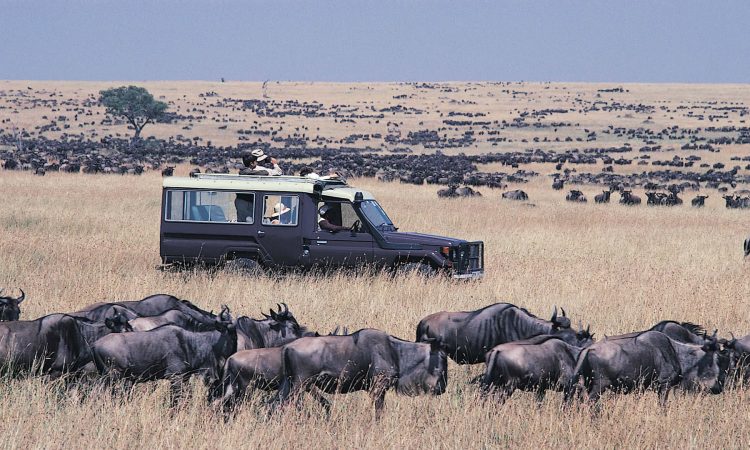
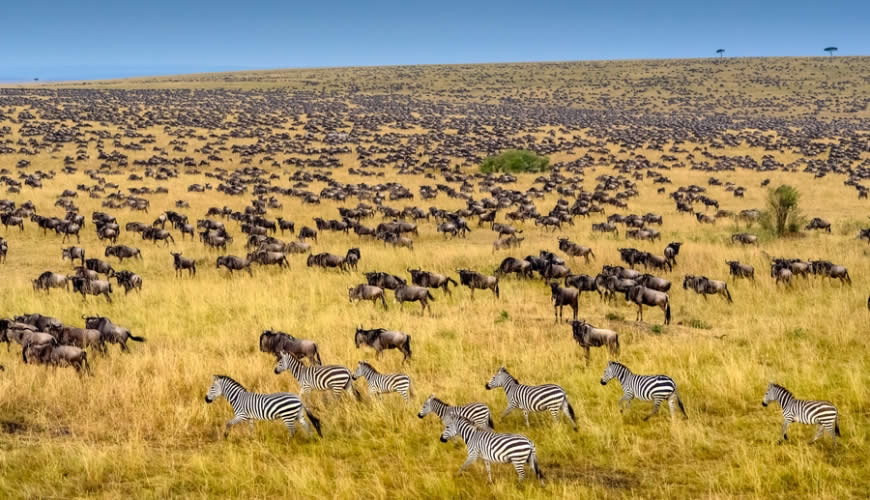
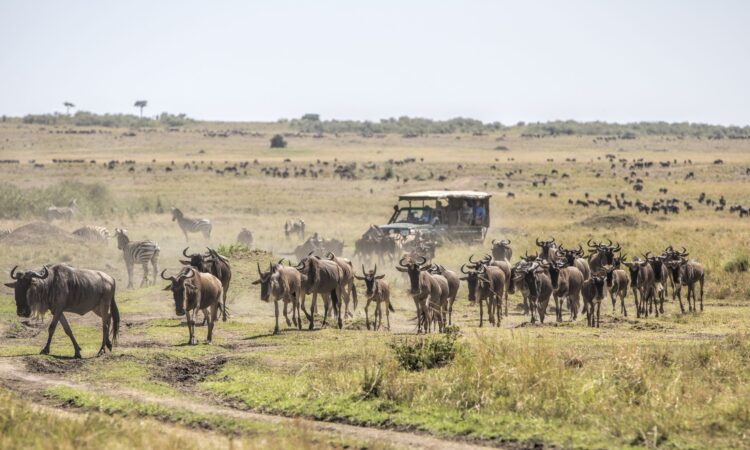
One of the most spectacular natural events on Earth, the Great Migration, is intrinsically linked to the Mara's geography. Each year, typically from July onwards, millions of wildebeest, zebras, and other herbivores make their way north from the Serengeti in search of fresh grazing. Their journey often involves dramatic crossings of the Mara River, a vital waterway that snakes through the reserve. The river, along with its tributaries like the Sand and Talek rivers, shapes the terrain, creating lush riverine forests and supporting the diverse wildlife that depends on them. The landscape itself is a mix of rolling grasslands dotted with acacia trees, especially in the southeastern parts, and the dramatic Esoit (Siria) Escarpment forming the western boundary. This escarpment, part of the Great Rift Valley system, offers breathtaking views and is often a hotspot for wildlife due to reliable water sources and fewer crowds.
The reserve experiences a semi-arid climate with distinct rainy seasons. The 'long rains' usually occur in April and May, while the 'short rains' fall in November and December. Rainfall varies across the reserve, with the western areas receiving more precipitation than the east. This rainfall pattern influences the vegetation and the availability of water, which in turn affects where wildlife congregates throughout the year.
Wildlife of the Masai Mara
The Masai Mara National Reserve is a place where the wild heart of Africa beats strongest, making it one of the most sought-after kenya wildlife safaris destinations. It's a vast, open canvas painted with the vibrant hues of the savannah, teeming with an astonishing array of creatures. This reserve is not just a park; it's a living, breathing ecosystem that draws visitors from across the globe, eager to witness nature's grand spectacle.
The Big Five
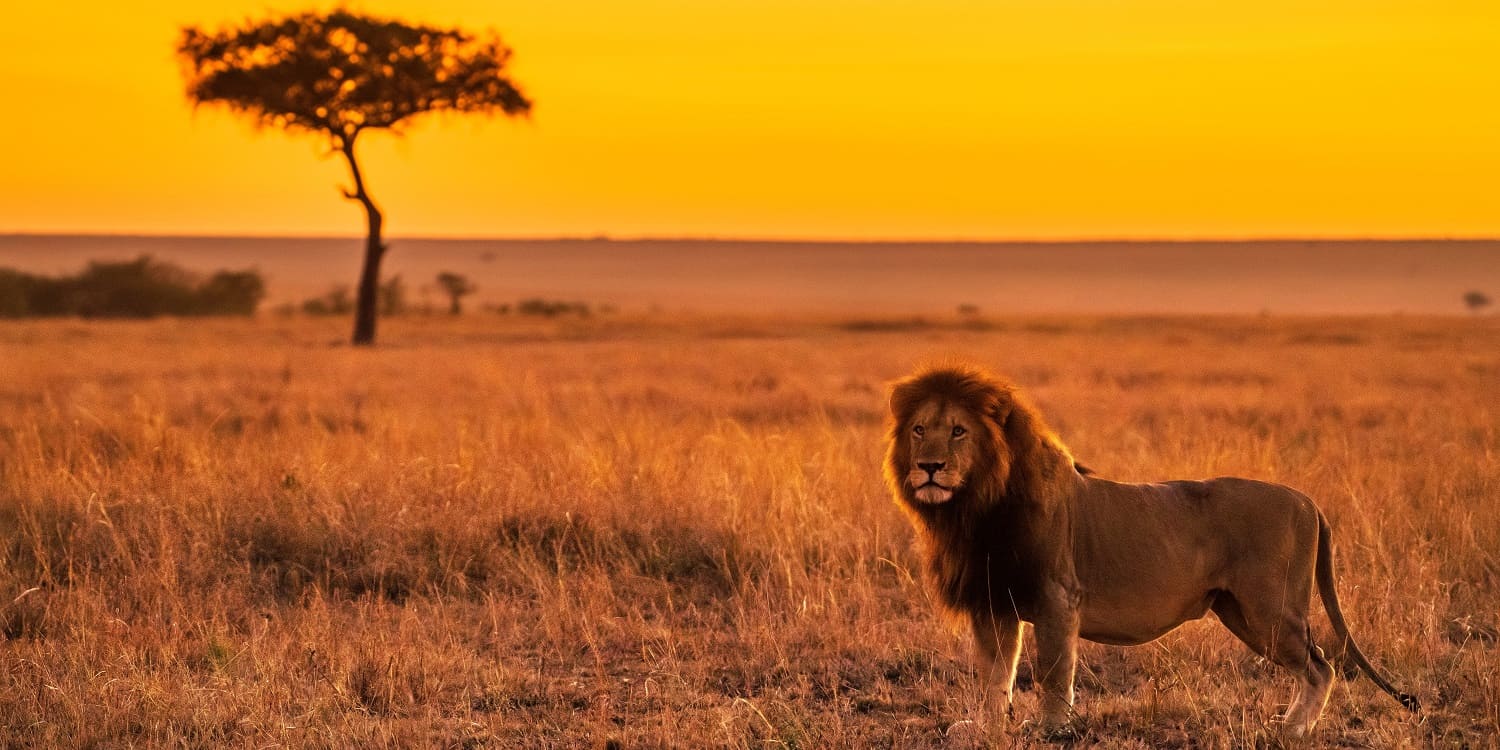
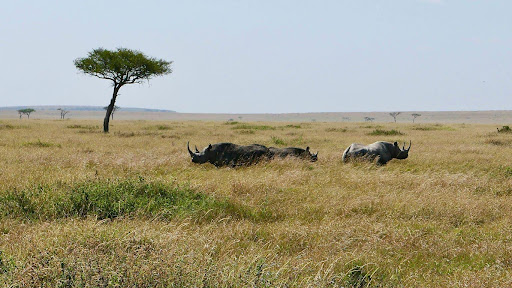
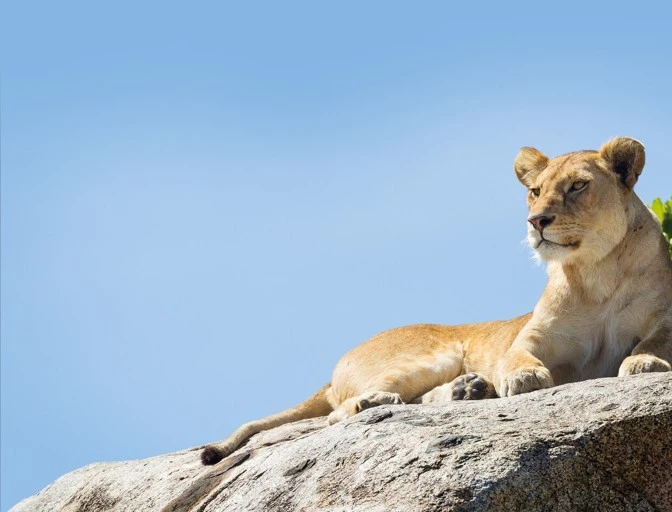
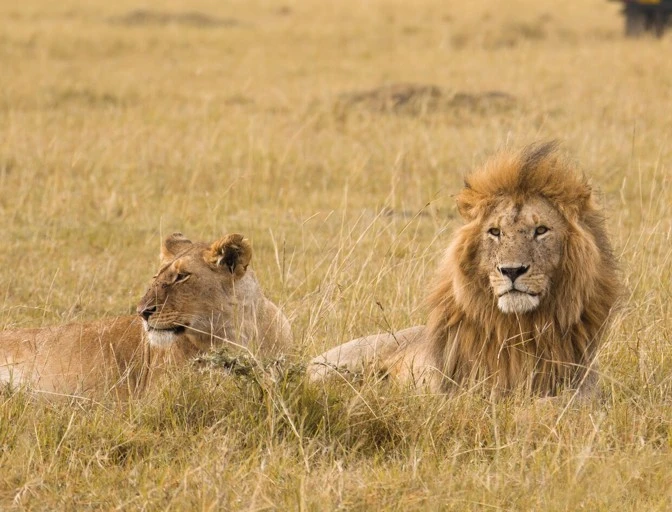
When people dream of an african safari destinations, the "Big Five" often come to mind: the lion, leopard, elephant, rhino, and buffalo. The Masai Mara is one of the premier kenya national parks where you have a very good chance of spotting all of them. Lions are frequently seen lounging in prides, often near the riverbanks or on rocky outcrops. Leopards, more elusive, are masters of camouflage, often found draped over acacia branches. Majestic elephants roam in family groups, their presence a powerful reminder of the wild. While black rhinos are rarer and more challenging to find due to historical poaching, conservation efforts are helping their numbers slowly recover, making a sighting a truly special moment. And then there are the formidable African buffalo, usually seen in large herds, a truly iconic sight on the plains.
Other Notable Wildlife
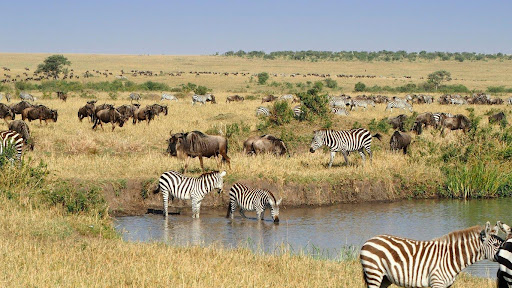
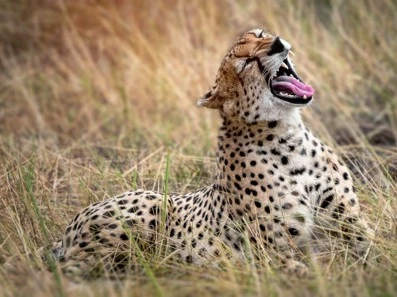
Beyond the famed Big Five, the Masai Mara offers an incredible diversity of other wildlife, making every masai mara safari an adventure. The plains are alive with vast herds of wildebeest and zebras, especially during the great migration kenya. These massive gatherings are a sight to behold, a moving sea of life across the landscape. You'll also find graceful giraffes browsing on acacia trees, cheetahs scanning the horizon for prey, hyenas scavenging, and hippos congregating in the Mara River. The birdlife is equally spectacular, with hundreds of species to discover, from colorful rollers to majestic eagles. This rich tapestry of life is what makes kenya masai mara such a compelling place for wildlife viewing kenya.
The sheer abundance and accessibility of wildlife in the Masai Mara are what truly set it apart. It's a place where you can witness the raw beauty of nature unfold before your eyes, from the smallest insect to the largest mammal, all coexisting in this remarkable environment.
Best Time to Visit
Deciding when to visit the Masai Mara National Reserve really depends on what you hope to see. The landscape here has a semi-arid climate, with two distinct rainy seasons. The 'long rains' typically happen in April and May, and the 'short rains' usually fall in November and December. While these periods bring lush greenery, they can also make some areas harder to access.
The dry season, from July to October, is often considered the prime time for a safari. This is when the famous Great Migration of wildebeest and zebras makes its way through the Mara, creating an incredible spectacle. The open grasslands mean wildlife is easier to spot, and the weather is generally pleasant for game drives. However, this is also the busiest time, so expect more visitors.
If you're keen on seeing the Great Migration, timing is everything. The wildebeest usually arrive in the Mara around July and stay through October. Witnessing their dramatic river crossings, especially across the Mara River, is a highlight for many.
Here's a quick look at what to expect throughout the year:
July - October: Dry season, peak of the Great Migration, excellent game viewing, higher visitor numbers.
November - December: Short rains, greener landscapes, fewer crowds, good game viewing, some areas might be less accessible.
January - March: Dry season, good game viewing, fewer crowds than the migration peak, pleasant temperatures.
April - May: Long rains, very green, fewer tourists, some roads can be challenging, excellent for birdwatching
Remember that wildlife sightings are never guaranteed, but visiting during the dry season generally offers the most consistent opportunities to see a wide variety of animals in their natural habitat. Even during the wetter months, the Mara remains a spectacular destination, offering a more tranquil experience.
Activities and Experiences
The Masai Mara National Reserve is a place that truly comes alive with a variety of activities designed to immerse visitors in its wild beauty and rich culture. From the thrill of spotting wildlife in its natural habitat to experiencing the vastness of the landscape from above, there's something for every adventurer.
Game Drives
Game drives are the heart of any safari in the Masai Mara. These excursions take place in specially adapted 4x4 vehicles, guided by knowledgeable rangers who know the reserve like the back of their hand. Early morning and late afternoon drives are particularly rewarding, as this is when animals are most active, seeking out prey or returning to their dens. Imagine the excitement of encountering a pride of lions lounging under an acacia tree, a herd of elephants gracefully moving across the plains, or a cheetah scanning the horizon for its next meal. The guides are adept at tracking animals, often leading guests to sightings that might otherwise be missed. Each drive is a unique journey, offering new discoveries and unforgettable wildlife encounters.
Hot Air Balloon Safaris
For a truly breathtaking perspective, a hot air balloon safari at sunrise is an experience unlike any other. As the sun begins to paint the sky with vibrant colors, you'll gently ascend, floating silently above the sprawling savannah. From this vantage point, the sheer scale of the Masai Mara becomes apparent – a vast expanse of rolling hills and plains dotted with wildlife. It's a magical way to witness the landscape awaken, often spotting herds of animals from a serene height. The journey typically concludes with a champagne breakfast upon landing, a fittingly celebratory end to an extraordinary adventure.
Cultural Visits
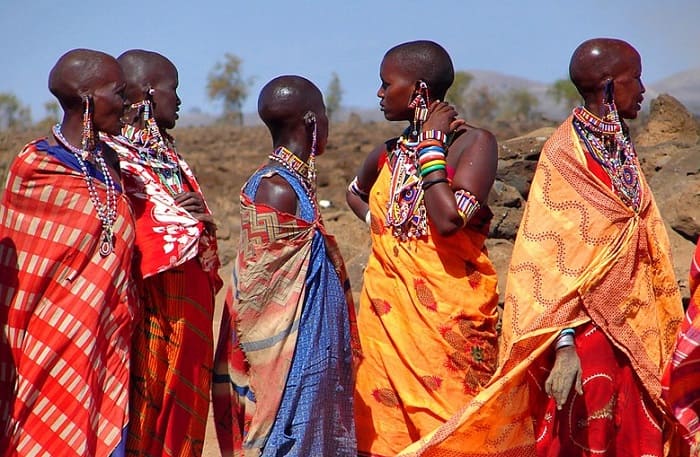
Beyond the incredible wildlife, the Masai Mara is also home to the Maasai people, a semi-nomadic ethnic group with a rich cultural heritage. Visiting a Maasai village offers a unique opportunity to learn about their traditional way of life, customs, and deep connection to the land. You'll be welcomed into their homesteads, often made of mud and cow dung, and can witness daily activities such as milking cows, preparing food, and crafting intricate beadwork. Engaging with the Maasai community provides a deeper appreciation for the human element of this iconic landscape. It's a chance to understand their history, their relationship with the wildlife, and their enduring traditions that have been passed down through generations.
Here's a glimpse of what you might experience:
Wildlife Spotting: The primary goal, with chances to see the Big Five and countless other species.
Scenic Vistas: Enjoying the stunning landscapes, from the Mara River to the open plains.
Cultural Exchange: Learning from the Maasai people about their heritage and lifestyle.
Photography Opportunities: Capturing incredible moments of wildlife and scenery.
Planning Your Trip
Getting ready for a trip to the Masai Mara is part of the adventure itself. It's a place that sparks the imagination, and a little bit of planning goes a long way to making your visit truly special. Think about when you want to go; while the Mara is amazing year-round, the Great Migration from July to October is a sight many dream of.
When you're looking at accommodations, there's a wide range available. From luxury lodges that offer incredible comfort and service to more rustic camps that put you right in the heart of the wilderness, there's something for every preference and budget. Booking with experienced tour operators, like safari soles tours, can simplify the process immensely, helping you find the perfect fit.
Here are a few things to consider:
Travel Documents: Ensure your passport is valid and check visa requirements well in advance
Packing Essentials: Light, neutral-colored clothing is best for game drives. Don't forget a good camera, binoculars, sunscreen, and insect repellent.
Health Precautions: Consult your doctor about necessary vaccinations and malaria precautions.
Currency: The local currency is the Kenyan Shilling (KES), though US dollars are widely accepted at lodges and for park fees.
The Masai Mara offers an experience that stays with you long after you've left. It's a place where the wild heart of Africa beats strong, and preparing thoughtfully means you can fully immerse yourself in its magic.
A Lasting Impression of the Mara
As the sun dips below the vast horizon, casting a warm glow over the endless plains, one can't help but feel a profound connection to this wild and beautiful place. The Masai Mara is more than just a destination; it's an experience that stays with you long after you've departed. From the thundering hooves of the Great Migration to the quiet grace of a leopard in a tree, the reserve offers a constant reminder of nature's raw power and delicate balance. It's a place where ancient traditions meet breathtaking wildlife, leaving visitors with memories that truly last a lifetime. A journey here is a chance to witness the heart of Africa beating strong, a truly unforgettable adventure.
Frequently Asked Questions
What is the Masai Mara National Reserve?
The Masai Mara National Reserve is a large, famous wildlife park located in southwestern Kenya. It is known for its wide-open grassy plains, abundant animal life, and is a key part of the larger Mara-Serengeti ecosystem, which stretches into Tanzania. The reserve is named after the Maasai people, who have lived in the region for a long time.
What is the Great Migration?
The Great Migration is a spectacular natural event where millions of wildebeest, zebras, and other animals travel from the Serengeti in Tanzania to the Masai Mara in Kenya. This journey, often involving dangerous river crossings, typically happens between July and October each year. It's one of the most incredible wildlife spectacles on Earth.
What animals can be seen in the Masai Mara?
The Masai Mara is home to a vast array of wildlife. It is particularly famous for the 'Big Five': lions, leopards, elephants, rhinos, and African buffalo. Visitors can also see large numbers of wildebeest, zebras, giraffes, cheetahs, hippos, crocodiles, and many other species of mammals, birds, and reptiles.
When is the best time to visit the Masai Mara?
The best time to visit depends on what you want to see. For the Great Migration and river crossings, the period from July to October is ideal. However, wildlife viewing is excellent year-round, with the dry seasons (June to October and December to February) often providing easier sightings as animals gather near water sources.
What activities can I do in the Masai Mara?
Popular activities include game drives in safari vehicles to see wildlife, hot air balloon safaris for a bird's-eye view of the plains at sunrise, and cultural visits to Maasai villages to learn about their traditions and way of life. Guided walks can also be arranged in certain areas.
How do I get to the Masai Mara?
Most visitors fly into Nairobi, Kenya's capital. From Nairobi, you can take a domestic flight to one of the airstrips within or near the Masai Mara, which is the quickest and most convenient option. Alternatively, it is possible to drive from Nairobi, though this is a longer journey.