The Best Hidden Safari Gems in Kenya

From coastal rainforests to dramatic mountain ranges, Kenya isn’t short of wild spaces. But some of the most popular areas, like the Mara and Amboseli, can get a bit crowded, especially during the dry season. If you’re trying to get back to nature and avoid other tour groups, consider exploring off the beaten path.

There are destinations for travelers planning a hidden safari in Kenya that offer closer wildlife encounters, guided walks rather than just game drives, and landscapes that feel undiscovered. Here are 7 of our favorite hidden gems in Kenya worth checking out.


Planning your full Kenya trip? Our Kenya Safari Guide covers the Maasai Mara, Amboseli, and Tsavo, the best times to visit, lodges, and costs, making it the perfect starting point before slotting in one or two of the destinations below.
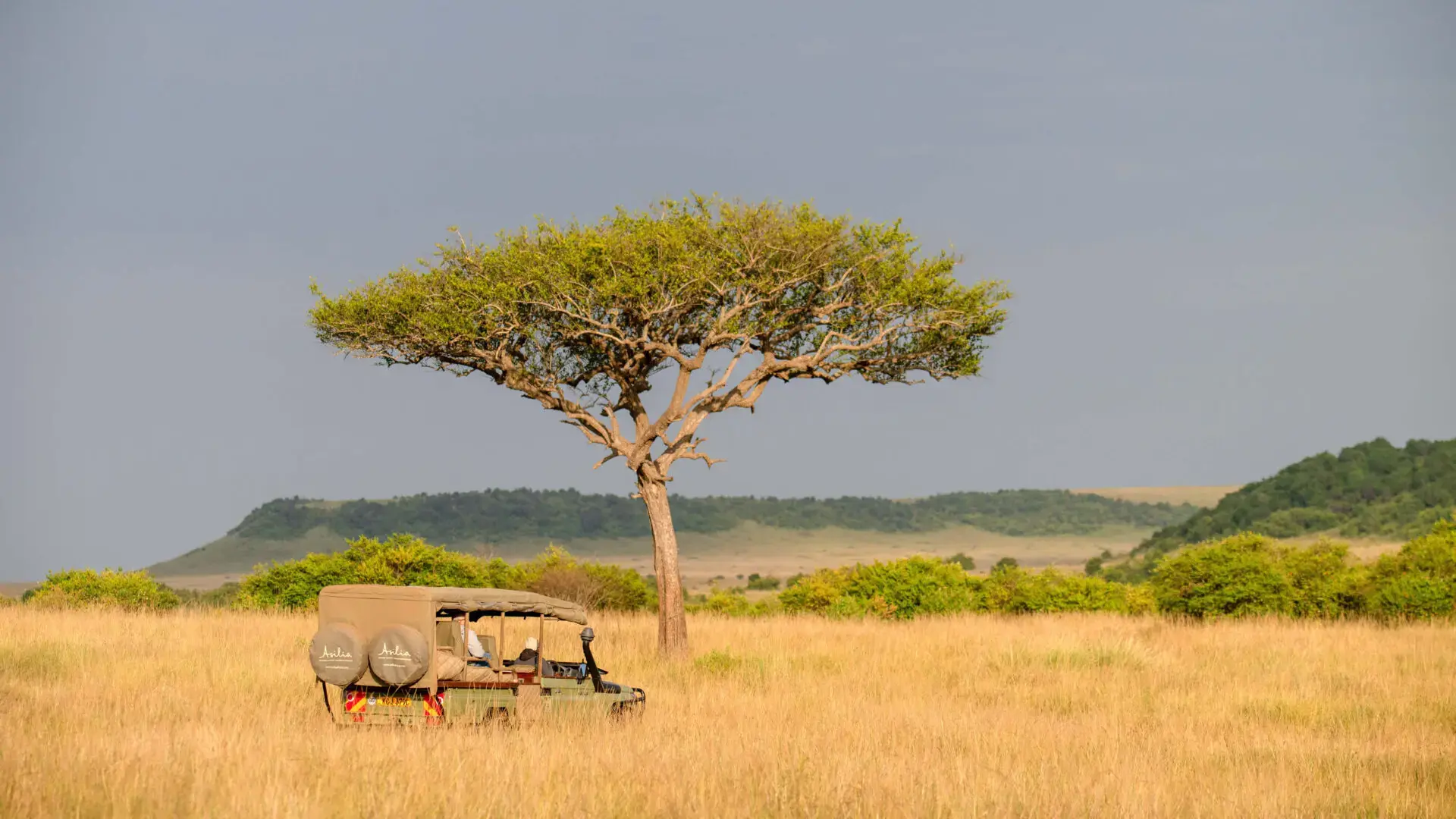
 

A safari vehicle near an acacia tree in Kenya.

Why These Places Are Worth the Detour

Kenya’s landscape shifts dramatically from region to region. Head north, and you find desert-adapted species that don’t exist anywhere else in the country. Head to the coast or the western highlands and you’re in indigenous rainforest, home to primates and birds found nowhere else in Kenya. 

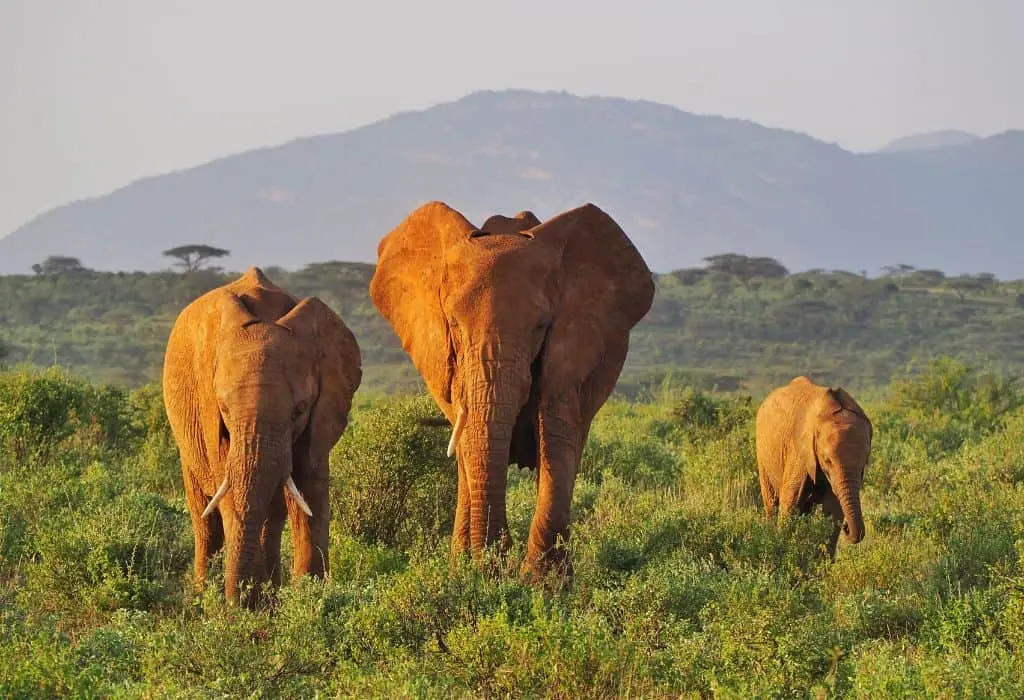
There's a lot to see in Kenya aside from the Big 5 and the savannah, as these hidden safari gems are among Kenya's finest landscapes. Three elephants walking through thick vegetation in Samburu National Reserve.

A few things to know before planning:

  • Accommodation in these areas is limited, so book lodges and camps well in advance.
  • A knowledgeable local guide matters more here than in the busier parks, as wildlife is often shier and trails less marked.
  • Several of these destinations pair naturally with each other or with Amboseli and Tsavo, meaning you can spend less time traveling and more time with nature.

Samburu National Reserve

Samburu sits in Kenya’s arid north, where the Ewaso Nyiro River cuts through dry hills and red earth. It’s best known for the “Samburu Special Five”, five species adapted to this harsh terrain and found in few other places in Kenya:

  • Grevy’s zebra - narrow stripes, large rounded ears, the largest zebra species
  • Somali ostrich - identifiable by its blue-grey legs and neck
  • Gerenuk - an antelope that rears onto its hind legs to browse
  • Beisa oryx - straight horns and bold black-and-white facial markings
  • Reticulated giraffe - sharp, geometric coat pattern

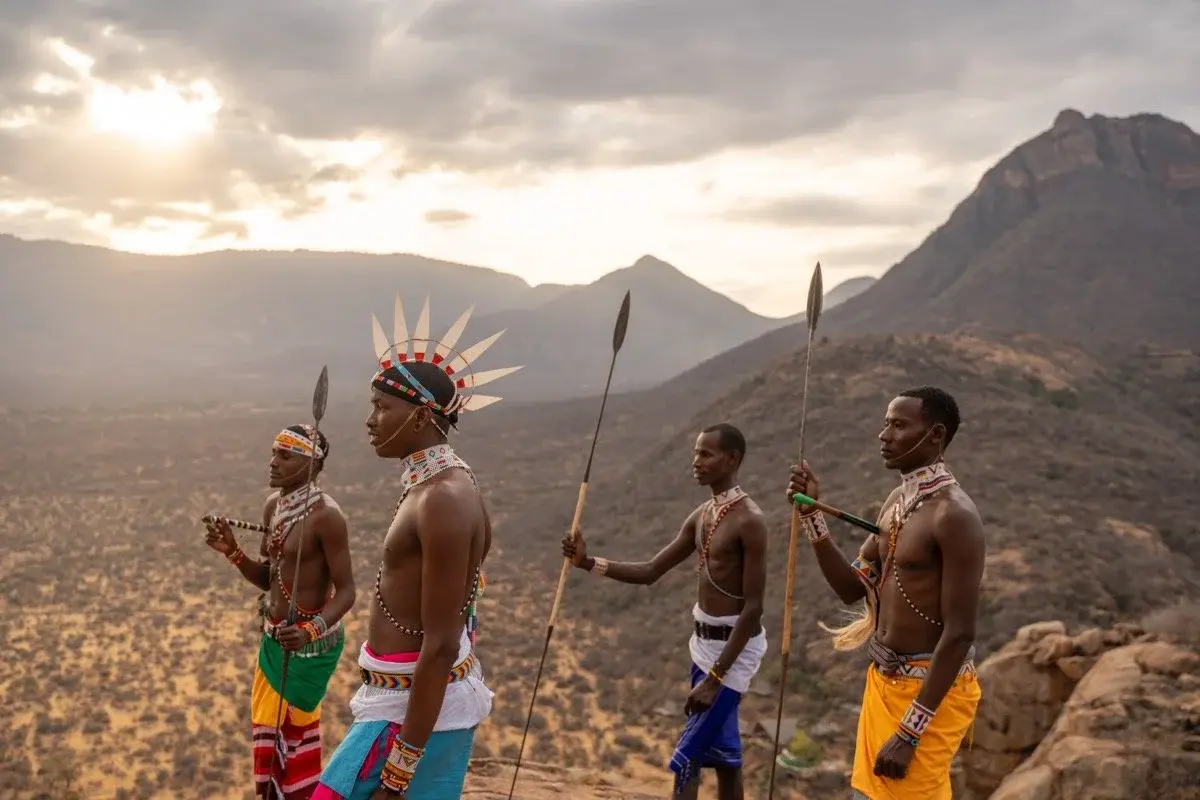
Elephants gather along the river in large herds, and leopards, lions, cheetahs, and wild dogs are all regularly seen.Four Samburu Morans looking out over the Sarara Valley.

Samburu is also home to the Samburu people, semi-nomadic farmers and herders closely related to the Maasai. Village visits (manyattas) offer a look at traditional beadwork, dance, and cattle-herding culture that’s distinct from anything you’ll find further south. Just make sure you adhere to Samburu village etiquette: ask for permission to take photos, dress modestly (knees and shoulders covered), and bring a gift.

  • Distance from Nairobi: roughly 200 mi (325 km)
  • Best time to visit: June to October (dry season), when wildlife concentrates around the river
  • Entry fee: $85 per person per day (non-resident). Double-check prices here. 
     

Laikipia Plateau

Laikipia sits between Mount Kenya and the Great Rift Valley, and its story is as much about conservation as it is about wildlife. Private conservancies and community-run projects here have built one of the highest black rhino populations in the country.

As well as rhinos, you’ll see reticulated giraffes, wild dogs, and free-roaming elephants across a mix of open plains, rocky hills, and acacia woodland.

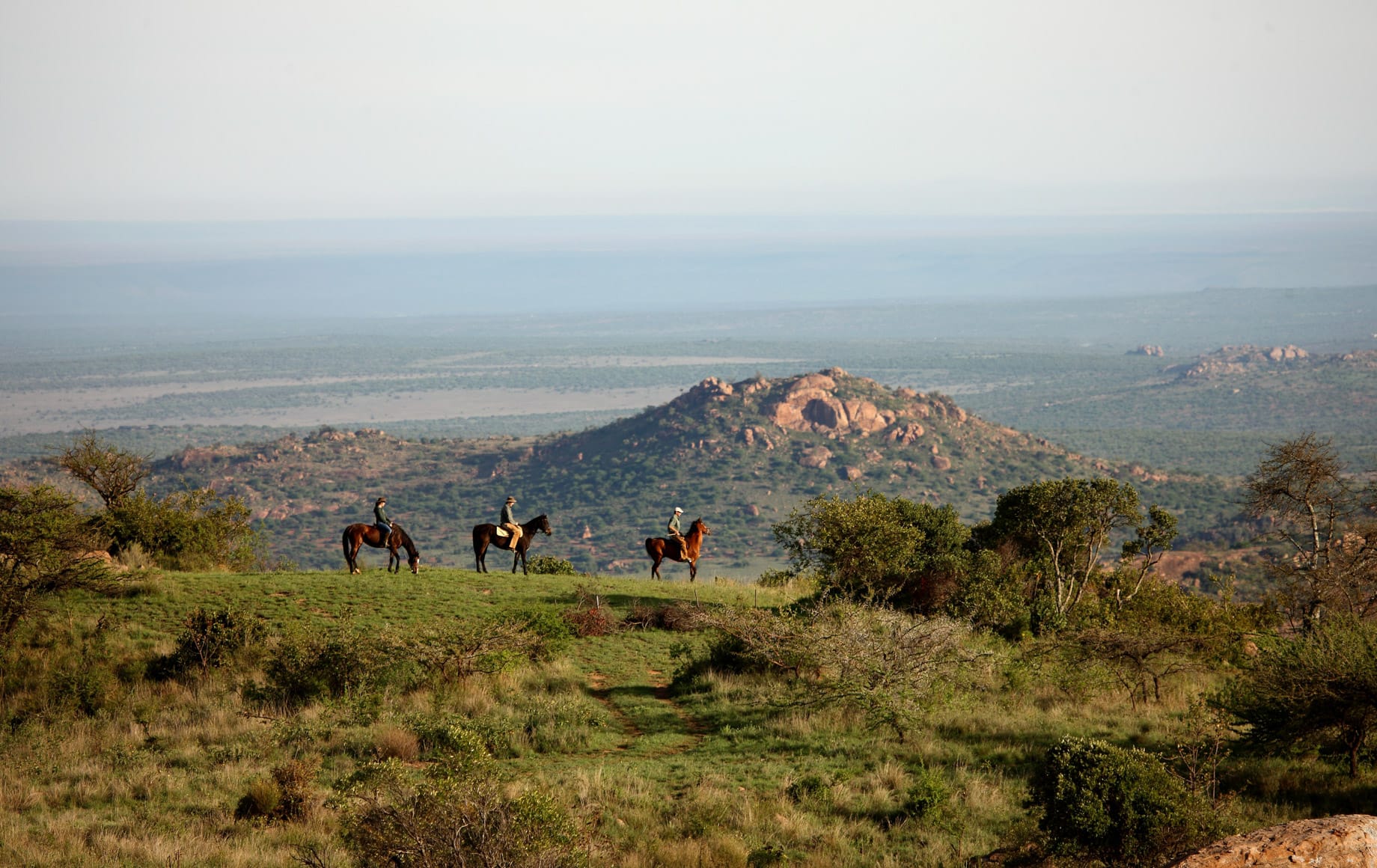
The Laikipia Pleateau with three horse riders visible.One thing that sets Laikipia apart is its safari options, including walking safaris led by bush guides, tracking animal sign on foot, and horseback safaris that let you ride among zebra and giraffe without a vehicle between you and them.
  • Distance from Nairobi: about 155 mi (250 km), depending on where you visit
  • Best time to visit: year-round, though the dry months (June to October, January to February) make walking safaris easier
  • Fees: Laikipia features numerous private conservancies rather than a single reserve, so conservancy fees vary by property and are usually built into the lodge rate. Fees generally range from around $100 to $150 per adult.  
     

Chyulu Hills National Park

 The Chyulu Hills, once dubbed the “Green Hills of Africa” by Hemingway, are among the youngest volcanic ranges on Earth, having only finished forming roughly 500 years ago. They sit between Tsavo and Amboseli, with clear views of Kilimanjaro on a good day.

Wildlife here is wild but not dense. Elephants, giraffes, zebras, buffalo, and the occasional black rhino move through, and cheetahs and lions are around but not guaranteed sightings. The real draw is the park’s landscape and terrain:

  • Leviathan Cave, one of the world’s longest lava tubes at roughly 7 mi (11.5 km)
  • Rolling volcanic hillsides made for hiking and horseback riding
  • Montane forest in the western half, good for spotting turacos and sunbirds

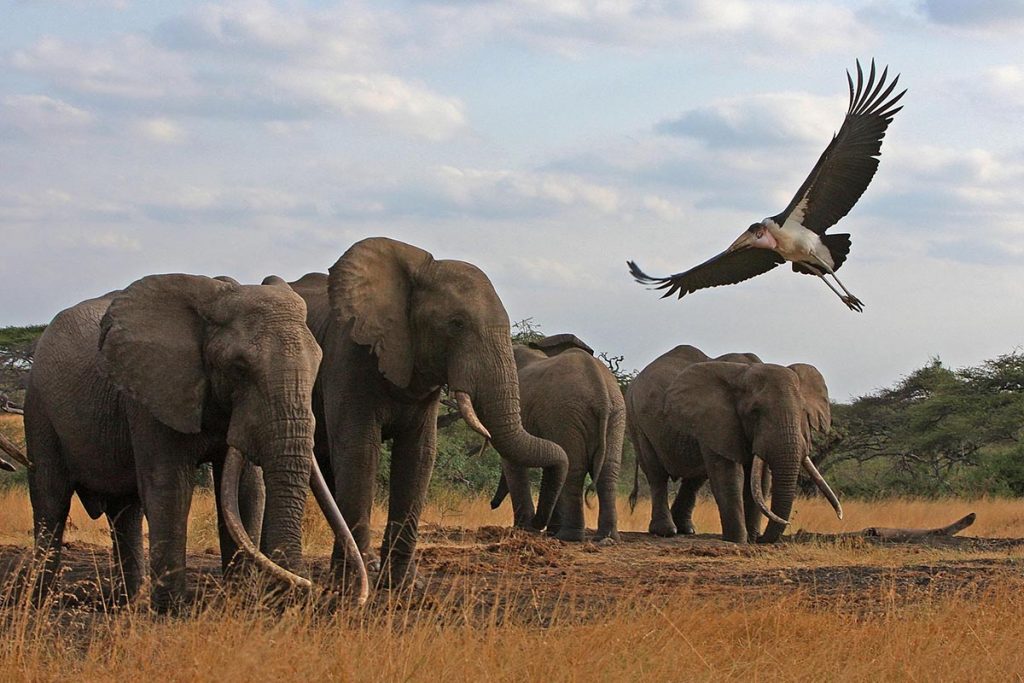
A herd of elephants and a marabou stork mid-flight in Chyulu Hills National Park.It’s a place for travelers who want scenery and adventure activities alongside their wildlife viewing, not instead of it.
  • Distance from Nairobi: roughly 232 km (144 mi)
  • Best time to visit: June to October, or January to February (dry season)
  • Entry fee: $40 per adult per day (non-resident). Double-check prices here.
  • Safari Soles Recommends: Ask about the walk into Leviathan Cave! It’s on offer at the gate but is skipped by most standard game-drive itineraries. One catch is you can’t enter the cave on your own — you need to be accompanied by a guide or park ranger. 
     

Shimba Hills National Reserve

An hour’s drive from Diani Beach, Shimba Hills is a coastal rainforest reserve and the only place in Kenya to see the sable antelope, a striking, dark-coated species with prominent, curved horns, and is home to its last breeding herd in the country.

The reserve also holds a large elephant population (over 500), as well as giraffes, buffalo, and more than 200 recorded bird species. Because the terrain is dense forest rather than open savannah, sightings feel more earned than in a typical game drive. A visit to Shimba Hills works well as a day trip from Diani or as an overnight add-on to a coastal stay.

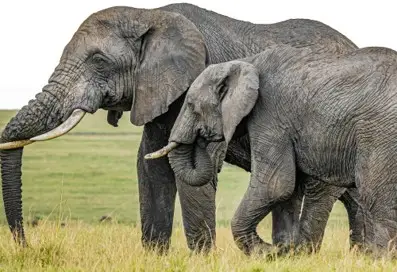
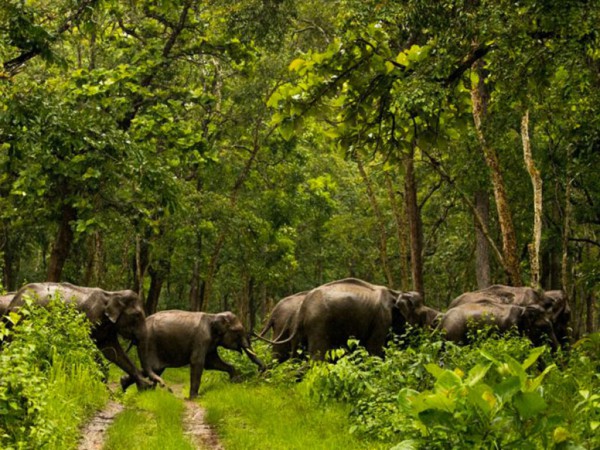
A elephant herd crossing through forests in Shimba Hills National Reserve.

Highlights of Shimba Hills National Reserve include:

  • Sheldrick Falls, a waterfall reached via a guided forest walk, with a pool at the base for swimming
  • Sable antelope, found nowhere else in the country
  • Panoramic coastal views from Pengo Hill, with Kilimanjaro visible on clear days
  • Distance: about 20 mi (33 km) southwest of Mombasa; roughly an hour from Diani Beach
  • Best time to visit: June to October (dry season), though the reserve is open year-round
  • Entry fee: $50 per adult per day (non-resident). Double-check prices here.
  • Safari Soles Recommends: Stay the night in Shimba Hills if you can! The in-reserve lodge’s waterhole draws elephants after dark, and day-trippers who leave by late afternoon miss it entirely.


Kakamega Forest National Reserve

Kakamega, in western Kenya, is the country’s only surviving area of the once-vast Guineo-Congolian rainforest that once stretched across Central Africa. It looks and feels nothing like a savannah safari, with its dense canopy, red clay trails, and constant birdsong. Kakamega Forest is perfect if you’re looking for a change of scenery from the savannah.

It’s a serious destination for birders and primate-watchers:

  • Over 350 recorded bird species, including the vivid Great Blue Turaco
  • Seven primate species, among them the rare De Brazza’s monkey, black-and-white colobus, and red-tailed monkey
  • Roughly 400 species of butterflies

A guide and visitor looking through binoculars in Kakamega Forest.

Guided walking trails are the only way to explore, and a knowledgeable guide is essential for finding the forest’s shiest residents.

  • Distance from Nairobi: about 260 mi (418 km), typically visited via Nakuru, Kericho, and Kisumu
  • Best time to visit: drier stretches from December to February and June to September, but expect rain year-round given the rainforest climate
  • Entry fee: around $50 per adult per day (non-resident). Double-check prices here.
  • Safari Soles Recommends: Pack a dry bag for cameras! This is Kenya’s wettest safari destination, and the red clay trails don’t forgive an unprotected lens.

Mathews Range

Also known as the Lenkiyio Hills, the Mathews Range rises from Kenya’s northern plains as a 95-mi (150-km) chain of forested peaks.It’s considered a “sky island” due to its isolation and its lowland desert surroundings. 

The range sits within the Namunyak Conservancy, managed by the Samburu community. It’s the best place to visit if you’re looking for seclusion and cultural immersion over guaranteed Big Five sightings.

Poaching wiped out much of the range’s wildlife by the 1990s, including its black rhino population, but decades of community-led conservation have brought elephants, leopards, buffalo, and African wild dogs back in growing numbers.

A few things that make the Mathews Range stand out include:

  • Walking safaris are the primary way to explore, as vehicle access is limited
  • Rock pools and streams running through the forest are perfect for swimming
  • The Reteti Elephant Sanctuary, a Samburu-run orphan elephant project
  • Singing Wells, a Samburu tradition where herders sing as they draw water from hand-dug wells
  • Distance from Nairobi: about 200 mi (320 km); roughly a 1-hour flight or 2-hour drive from Samburu via Wamba Road (a 4x4 is recommended for the final stretch)
  • Best time to visit: year-round, though it’s best to avoid the heaviest rains in April and May

Ngare Ndare Forest Reserve

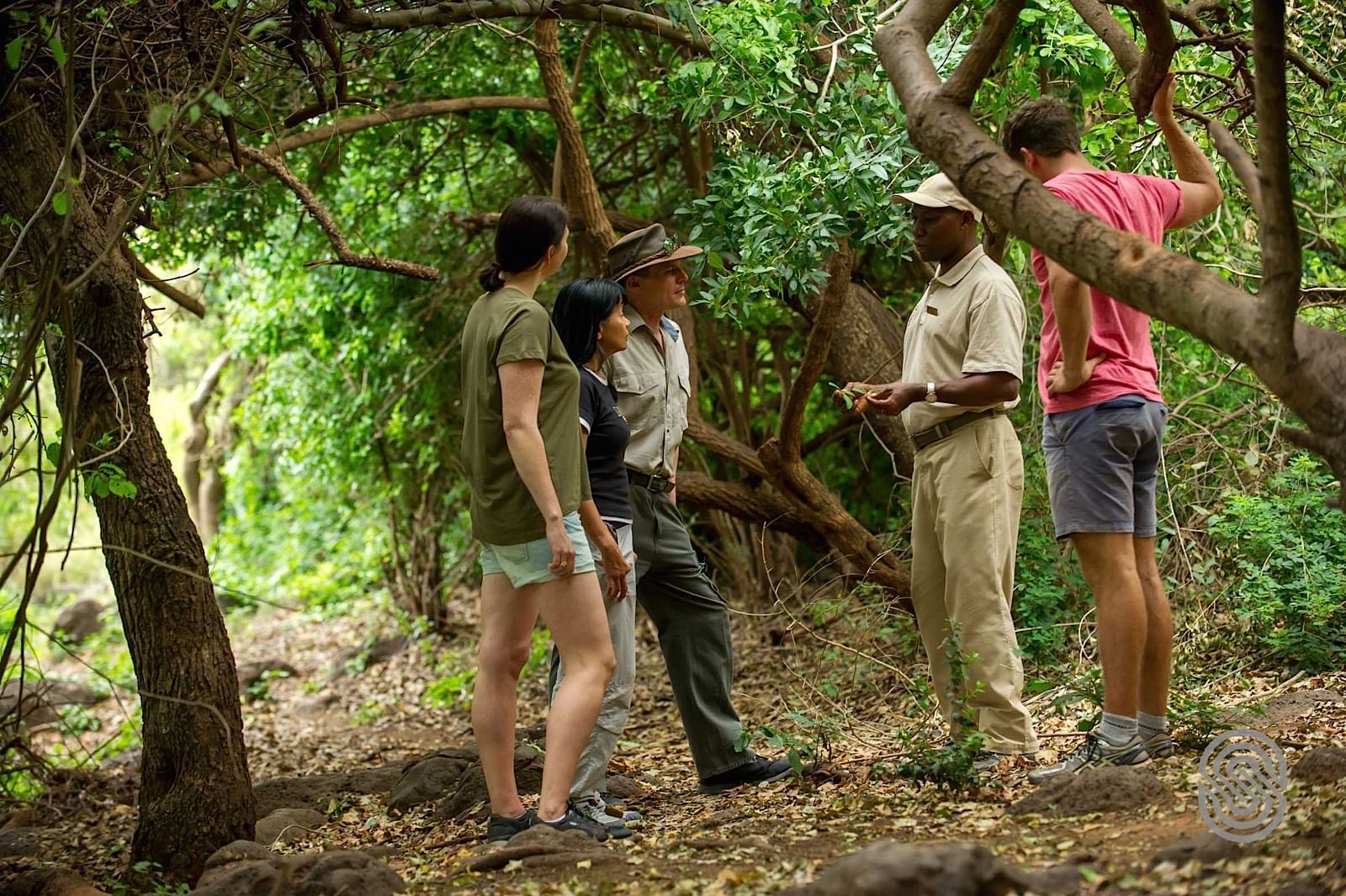
A tour guide talking to tourists in one of Kenyas forests.

Ngare Ndare is on the northern slopes of Mount Kenya and forms part of the Mount Kenya UNESCO World Heritage Site. It’s a small but remarkable reserve, built around ancient indigenous forests, waterfalls, and one standout feature:

  • East Africa’s longest canopy walkway, a nearly 1,500-ft (450-m) long suspended bridge roughly 32 ft (10 m) up, ending on a platform overlooking a swamp where elephants and buffalo come to drink
  • Six natural blue pools and a 30-foot waterfall, open to swimmers
  • A key elephant migration corridor linking Lewa Conservancy to the wider Mount Kenya ecosystem
  • Distance from Nairobi: about 235 km (145 mi), roughly a 5-hour drive via Nanyuki and Timau
  • Best time to visit: January to March and July to October, when trails and pools are easiest to access
  • Entry fee: 4000 KES (~$31) per person per day (non-resident). Double-check prices here.
  • Safari Soles Recommends: Time the canopy walk for the hour before sunset! Most day itineraries schedule it at midday, but the low light through the treetops is the real payoff.

Ngare Ndare is an easy add-on if you’re already staying near Lewa or Mount Kenya, and one of the few places in this list where a half-day visit delivers a complete experience.

Planning Your Trip

Most of these destinations reward slower travel, with walking, riding, or hiking rather than driving between sightings. Because accommodation is limited and often community-run, ensure you book ahead and lean on a guide who knows the specific reserve, as their local knowledge and insights make visits to these lesser-known areas of Kenya extra special.  

Ready to build these into an itinerary? Browse our Kenya safari tours or contact the Safari Soles team to add any of these destinations to a custom trip.

Frequently Asked Questions

Are these hidden gems safe to visit without a guide?

Can I see the Big 5 at these destinations?

Which of these locations pairs best with a first-time Kenya safari?

How much extra time should I budget for one of these destinations?

Is Kakamega Forest worth visiting if I’m not a birder?