<img height="1" width="1" style="display:none" src="https://www.facebook.com/tr?id=1197952961438992&ev=PageView&noscript=1" />

Tsavo National Park

Tsavo National Park, a vast expanse in southeastern Kenya, is actually two distinct parks: Tsavo East and Tsavo West. Together, they form one of Africa's largest wildlife sanctuaries. Tsavo East is known for its wide-open plains and red-dust elephants, while Tsavo West offers a more dramatic landscape with volcanic hills and clear springs. This incredible area is home to Kenya's largest elephant herds and is a vital refuge for endangered black rhinos. Exploring Tsavo provides a truly wild African safari experience, far from the usual crowds.
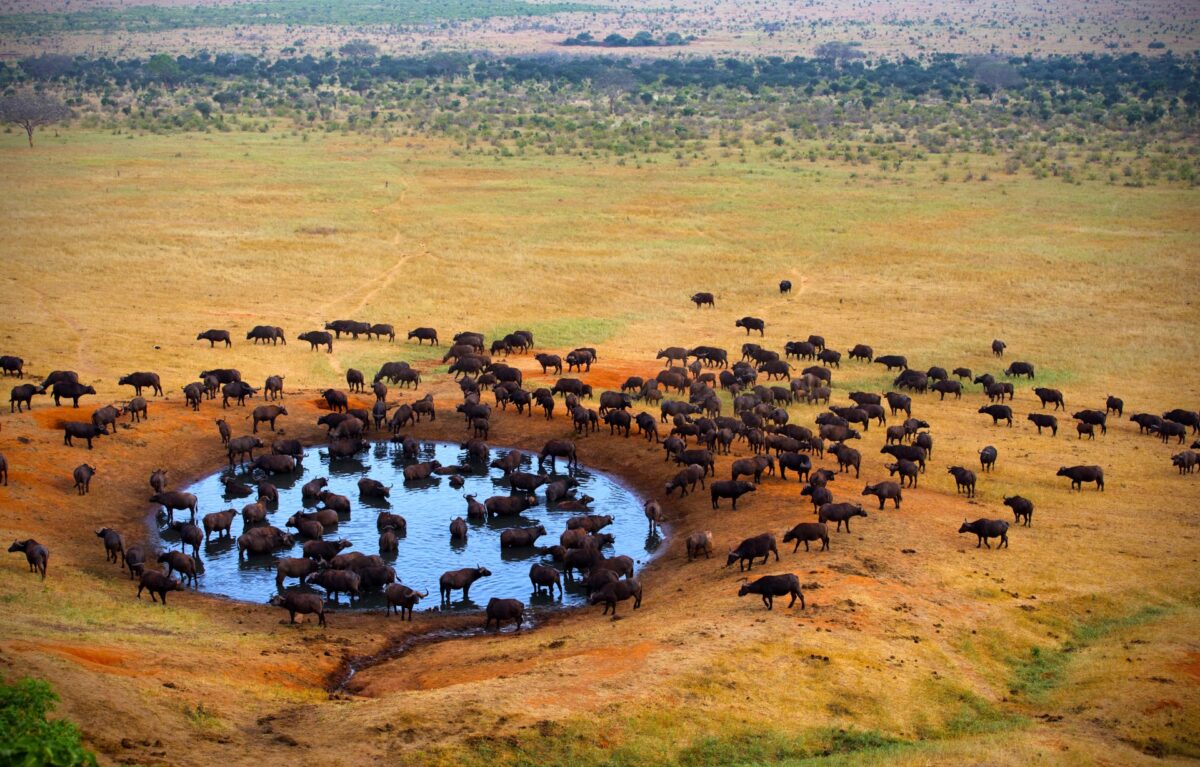
Tsavo West National Park 1 1200x767

Key Takeaways

  • Tsavo National Park is divided into two distinct areas: Tsavo East and Tsavo West, each offering unique landscapes and wildlife viewing opportunities.
  • Tsavo East features vast, flat savannahs and is famous for its large elephant herds, often seen covered in red dust.
  • Tsavo West presents a more varied terrain with volcanic hills, lava flows, and the beautiful Mzima Springs, and is a sanctuary for black rhinos.
  • Both parks are easily accessible from Nairobi and Mombasa, making them convenient for safari planning.
  • Visiting Tsavo National Park offers a chance for an authentic, less crowded safari experience in Kenya's wild heart.
Tsavo National Park: A Tale of Two Parks

Tsavo National Park, a vast expanse in southeastern Kenya, is actually two distinct parks: Tsavo East and Tsavo West. Together, they form one of the largest protected areas in East Africa, covering over 22,000 square kilometers. This immense landscape is a vital sanctuary for wildlife, including Kenya's largest elephant population and endangered black rhinos.

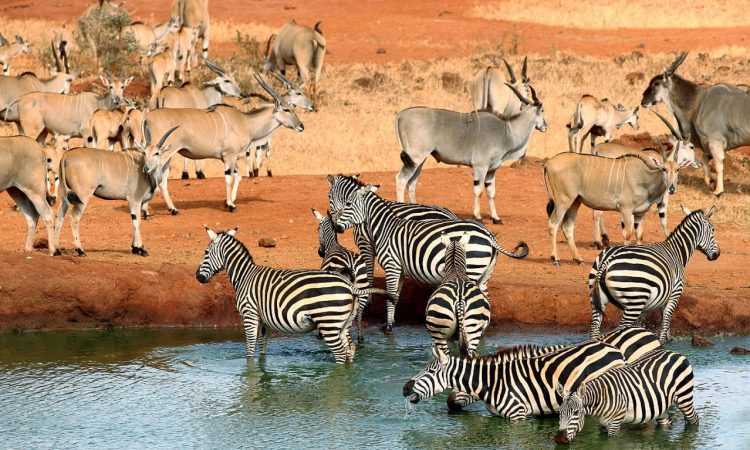
Plain Zembra and Eland Tsavo National Park_compressed 750x450 1

While sharing a common ecosystem, Tsavo East and Tsavo West offer remarkably different safari experiences. Tsavo East is characterized by its wide-open, arid plains and the life-giving Galana River. It's famous for its large herds of elephants, often seen coated in the park's distinctive red dust, giving them the nickname "Red Elephants." The landscape here is vast and relatively flat, making it ideal for spotting large game across the savannah.

In contrast, Tsavo West presents a more dramatic and varied terrain. Here, you'll find rolling volcanic hills, rugged rocky outcrops, and lush vegetation fed by natural springs. The park is home to the stunning Mzima Springs, where crystal-clear waters bubble up from underground, supporting a rich population of hippos and fish. This more varied landscape also means a greater chance of encountering elusive species like leopards and rhinos, particularly within the Ngulia Rhino Sanctuary.

Visiting both parks provides a more complete picture of Tsavo's incredible biodiversity and geological wonders. Each park offers unique photographic opportunities and wildlife viewing possibilities, making a combined visit highly rewarding for any traveler.

Weather & Climate

loading...

Tsavo East National Park: The Vast Savannah

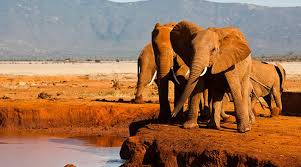
Tsavo East National Park, a significant part of Tsavo National Park Africa, presents a landscape of sweeping, arid plains that stretch as far as the eye can see. This section of Tsavo Kenya is perhaps most famous for its distinctive "red elephants." These magnificent creatures get their unique hue from the iron-rich dust that blankets the land, which they enthusiastically roll in. It's a truly unforgettable sight, especially when a whole herd is covered in the ochre-colored soil.

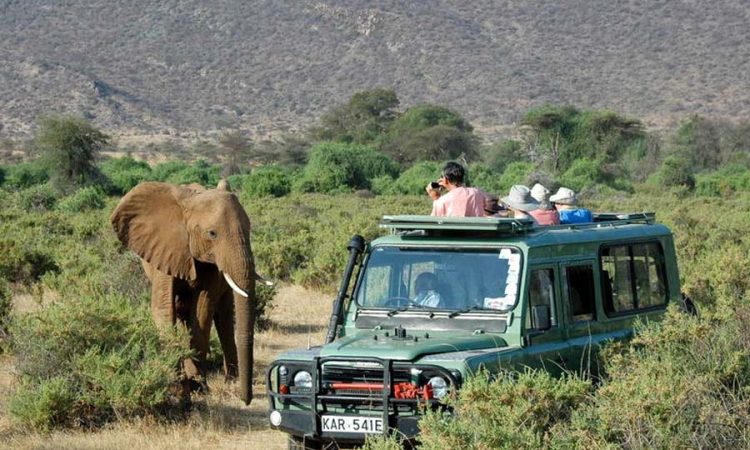
Game Drives in Tsavo National Park 750x450

Key Attractions in Tsavo East

Tsavo East offers several points of interest that draw visitors into its expansive wilderness. The Galana River is a lifeline, carving its way through the park and attracting a variety of wildlife. Along its banks, you'll find Lugard Falls, a series of cascades and rapids that have sculpted the rocks into fascinating shapes over time. Then there's the Yatta Plateau, a geological marvel that stands as one of the world's longest lava flows, offering a stark contrast to the surrounding plains. For a reliable spot to see animals, especially elephants, the Aruba Dam is a popular watering hole. Mudanda Rock also provides a natural vantage point, often frequented by animals seeking a drink or a moment of rest.

Wildlife Highlights of Tsavo East

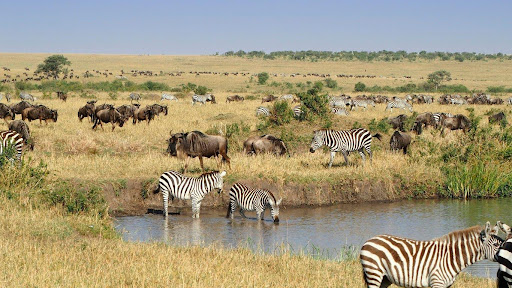
While Tsavo East National Park is home to the Big Five, spotting them here can sometimes feel like a treasure hunt due to the sheer size of the park and the animals' tendency to roam widely. However, the park is particularly renowned for its large elephant herds. You'll also frequently encounter zebras, wildebeest, giraffes, and various antelope species. Keep an eye out for the more specialized dry-country dwellers like the gerenuk, known for its long neck, and the elegant oryx. Birdlife is also abundant, making it a rewarding destination for ornithologists.

Tsavo East National Park is a place where the raw beauty of the African savannah is on full display. Its open spaces and unique red-dusted wildlife create a safari experience that feels both ancient and incredibly alive. The sheer scale of the landscape can be humbling, reminding visitors of nature's enduring power.

Tsavo West National Park: The Dramatic Landscape

While Tsavo East unfolds across vast, flat plains, Tsavo West presents a strikingly different tableau. This section of the park is characterized by its dramatic volcanic terrain, rolling hills, and rugged lava flows. It’s a landscape that feels ancient and powerful, offering a more intimate and adventurous safari experience.

Must-See Sights in Tsavo West

Tsavo West is dotted with geological wonders that draw visitors in. The most famous of these are the Mzima Springs, a series of crystal-clear pools fed by underground springs. Here, you can often spot hippos submerged in the cool water, as well as various fish. There's even an underwater viewing chamber, offering a unique perspective on this aquatic world.

Tsavo National Park west

Another captivating sight is the Shetani Lava Flow. This vast, dark expanse of solidified lava stretches across the land, a stark reminder of the region's volcanic past. Walking across it, you can feel the raw power of nature that shaped this park.

  • Mzima Springs: A vital water source and home to hippos and fish.
  • Shetani Lava Flow: A dramatic, solidified lava field.
  • Ngulia Rhino Sanctuary: A protected haven for the endangered black rhino.

The diverse topography of Tsavo West, from its rocky outcrops to its lush springs, creates a visually stunning environment that contrasts sharply with the open savannahs of its eastern counterpart. This varied terrain also supports a different array of wildlife.

Wildlife Encounters in Tsavo West

Tsavo West is a prime location for spotting a variety of animals, including those that prefer more varied habitats. The park is particularly known for its efforts in rhino conservation, with the Ngulia Rhino Sanctuary offering a chance to see these magnificent, endangered creatures. Leopards are also more commonly sighted here than in Tsavo East, often found resting in trees or rocky outcrops.

Beyond the rhinos and leopards, Tsavo West is home to:

  • Hippos: Abundant in Mzima Springs and other water sources.
  • Crocodiles: Often seen basking near the water's edge.
  • Cape Buffalo: Frequently encountered in herds.
  • Various antelope species: Including gerenuk and dik-dik.

The dramatic landscapes of Tsavo West provide a stunning backdrop for wildlife viewing, making every game drive a memorable adventure.

Comparing Tsavo East and Tsavo West

zebra drinking water masai mara

Tsavo National Park often pops up on a traveler’s wish list, but what isn’t always clear is how different the landscape and experiences are between Tsavo East and Tsavo West.

While both parks belong to the same vast ecosystem, the impression each one leaves is unique. Tsavo East rolls out endless flat plains, sweeping horizons, and a blanket of red earth that turns elephants a rusty hue. If you’ve seen pictures of ‘red elephants,’ that’s where they come from—dust baths in iron-rich soil. In contrast, Tsavo West feels almost like another world, stacked with rocky ridges, ancient lava flows, and freshwater springs that seem to appear out of nowhere.

Here’s a quick breakdown of the differences that might matter most when you’re choosing where to spend your time:

Feature

Tsavo East

Tsavo West

Main Landscape

Flat, open savanna

Hilly, volcanic, rocky terrain

Signature Wildlife

Red elephants, lions, giraffes

Black rhinos, hippos, leopards

Unique Sites

Galana River, Yatta Plateau

Mzima Springs, Chyulu Hills

Wildlife Spotting

Herds are widely spread

More varied, depends on terrain

Best for

Long game drives, birdwatching

Scenic views, photography

Access

Easier from 

Mombasa

Closest to Nairobi/Amboseli


Some key differences you’ll notice right away:

  • In Tsavo East, the views seem to stretch forever and game drives can feel a bit like you’re the only person for miles.
  • Tsavo West has a more rugged, wild character, with cool places to hike and much more greenery due to springs and hills.
  • If you want to see water-loving creatures like hippos or visit a black rhino sanctuary, Tsavo West is your pick.

You can’t really say one park is ‘better’—it’s all about what kind of environment and wildlife encounters you’re after. Take a few days to discover both sides, and you get the best of Kenya’s untamed heart.

Planning Your Tsavo Safari

Planning a safari in Kenya, especially to a vast area like Tsavo National Park, involves a few key considerations to make your trip smooth and memorable. Tsavo, split into East and West, offers distinct experiences, so understanding these differences will help you tailor your adventure. This travel guide to Tsavo aims to simplify your preparation.

Best Time to Visit Tsavo

The climate in Tsavo is generally semi-arid, with distinct dry and wet seasons. The best time for game viewing is typically during the dry months, from June to October and again from January to February. During these periods, wildlife tends to congregate around water sources, making them easier to spot. The landscape is also drier, which can improve visibility across the plains.

  • June – October: Dry season, excellent for spotting wildlife and generally good road conditions.
  • January – February: Also dry, often less crowded, and good for birdwatching.
  • March – May: The long rainy season brings lush greenery, making the scenery beautiful, but some roads might become challenging.
  • November: The short rains can create dramatic skies and landscapes, but game viewing might be more dispersed.

The weather can be warm year-round, with average daytime temperatures often ranging from 24°C to 33°C. Higher elevations, like the Chyulu Hills in Tsavo West, can be cooler.

Getting to Tsavo National Park

Tsavo National Park is conveniently located between Nairobi and Mombasa, making it accessible by various means. Choosing your mode of transport will depend on your overall itinerary and budget.

  • By Road: This is a common way to reach Tsavo. Driving from Nairobi typically takes about 5-6 hours, while from Mombasa, it's around 3-4 hours. For the best experience, especially during the rainy season, a 4x4 vehicle is recommended for navigating different terrains.
  • By Air: Charter flights are available and can land at various airstrips within both Tsavo East and Tsavo West. This is a quicker, though more expensive, option.
  • By Train: The Standard Gauge Railway (SGR) offers stops at Mtito Andei and Voi, which are good entry points for accessing the parks, particularly Tsavo West and Tsavo East, respectively.

When planning your route, consider starting in Nairobi, heading to Tsavo West, then Tsavo East, and finally exiting towards Mombasa, or vice versa. Combining Tsavo with other nearby Kenya safari destinations like Amboseli or the Chyulu Hills can also create a richer experience. Remember to check the Kenya Wildlife Service (KWS) website for the latest information on park entry fees and any updates regarding access or regulations. Entry fees are generally consistent between Tsavo East and West for different visitor categories.

Responsible Tourism in Tsavo

Tsavo National Park

When exploring the vast beauty of the national park Tsavo, it's important to remember that we are visitors in a wild and precious ecosystem. Responsible tourism practices help ensure that this incredible landscape and its inhabitants thrive for generations to come. This means making conscious choices during your visit, from the accommodations you select to how you interact with the environment.

Choosing eco-friendly lodges and camps that are committed to sustainability is a great first step. Many establishments in Tsavo actively work to minimize their environmental footprint through waste management, water conservation, and supporting local communities. Look for places that employ local staff and source local products, as this directly benefits the people who live alongside the park.

During your game drives and other activities, always follow the guidance of your safari guides. Stick to designated tracks to avoid disturbing wildlife and vegetation. Remember that maintaining a safe distance from animals is paramount for both your safety and theirs. Never feed the wildlife, as this can disrupt their natural behaviors and diets.

Supporting conservation efforts directly contributes to the protection of Tsavo's unique biodiversity. This can be done through various avenues:

  • Donating to reputable anti-poaching initiatives.
  • Visiting rhino sanctuaries and learning about the conservation work being done.
  • Participating in community-based tourism projects that empower local people.
  • Spreading awareness about the importance of protecting this vital ecosystem.

Wildlife viewing in Tsavo can be a profoundly moving experience, and by traveling responsibly, you help preserve that magic for future visitors and, more importantly, for the wildlife itself. Your choices matter, and by being a mindful traveler, you become a partner in safeguarding the future of Tsavo National Parks.

A Lasting Impression of Tsavo

As the dust settles on our journey through Tsavo East and West, the sheer scale and wild spirit of these parks leave an indelible mark. From the vast, red plains where elephants roam freely to the dramatic volcanic landscapes of the west, Tsavo offers a safari experience that feels both ancient and vibrantly alive. It's a place where nature's raw beauty is on full display, reminding us of the importance of these wild spaces. Whether you've witnessed a lion pride on the hunt or simply watched the sunset paint the savanna in fiery hues, Tsavo has a way of capturing the heart and inspiring a deep appreciation for the natural world. It's a destination that truly stays with you, long after you've departed its borders.

Frequently Asked Questions

What is the main difference between Tsavo East and Tsavo West National Parks?

When is the best time to visit Tsavo National Parks?

How can one get to Tsavo National Parks?

What kind of wildlife can be seen in Tsavo?

Are there specific attractions in each park that should not be missed?

What are some tips for planning a safari in Tsavo?