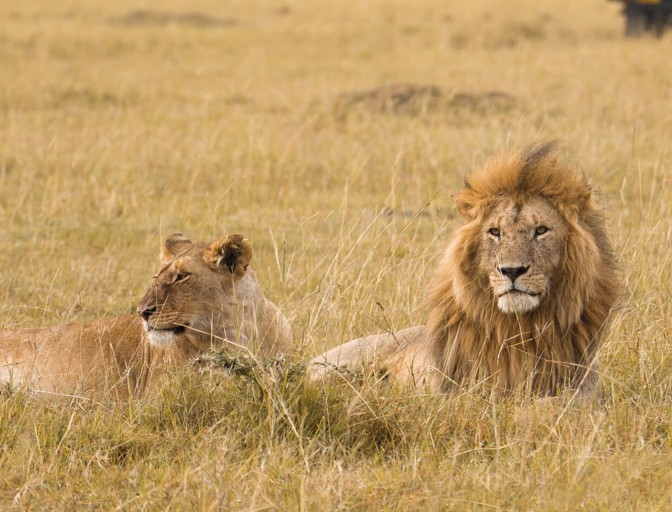
Planning a safari adventure means preparing for a journey filled with incredible sights and sounds. When packing, think light, breathable clothing in neutral colors to blend with the environment. Layers are key, as mornings and evenings can be cooler, especially in areas like the Foothills of mountain Kilimanjaro. Don't forget a good pair of binoculars for spotting wildlife from a distance and a camera with plenty of memory to capture those unforgettable moments.
Getting around in Kenya and Tanzania involves a mix of driving and sometimes flying. The safari vehicles are designed for comfort and optimal viewing, often with pop-up roofs. While Wi-Fi might not be available in all locations, embracing the disconnect allows for a more immersive experience. Remember that roads can be rough, so expect a bumpy ride at times it's all part of the adventure!
When it comes to tipping, it's a customary way to show appreciation for good service. While discretionary, a general guideline is to budget around $50 USD per person per day for guides and lodge staff. This helps support the local communities that make your safari experience so special.
Here’s a quick look at what to expect regarding meals:
- Most breakfasts, lunches, and dinners are included.
- Some dinners, particularly on days 2, 3, and 11, are not included, allowing you to explore local dining options.
- Picnic lunches are common during full-day game drives, offering a chance to dine amidst the wilderness.
Consider the best time to visit. The dry seasons, generally from June to October and December to February, offer excellent wildlife viewing as animals congregate around water sources. However, each season has its own charm, from the lush green landscapes after the rains to the dramatic river crossings during the Great Migration.
For those interested in cultural experiences, the visit to the Foothills of mountain Kilimanjaro offers a unique opportunity to connect with local communities. Similarly, exploring Tarangire National Park, known for its large elephant herds and baobab trees, provides a different, yet equally captivating, landscape and wildlife viewing experience.