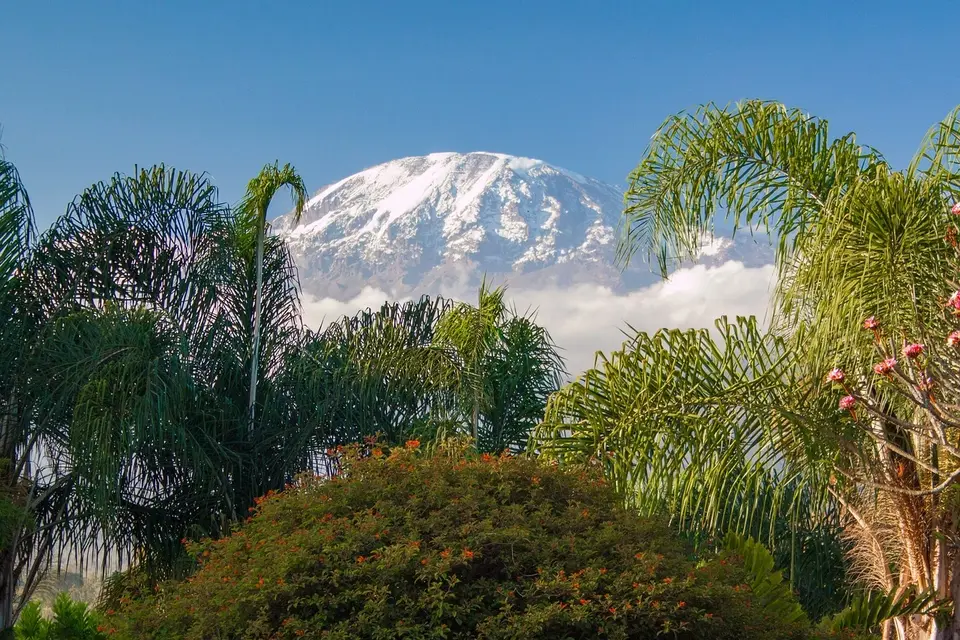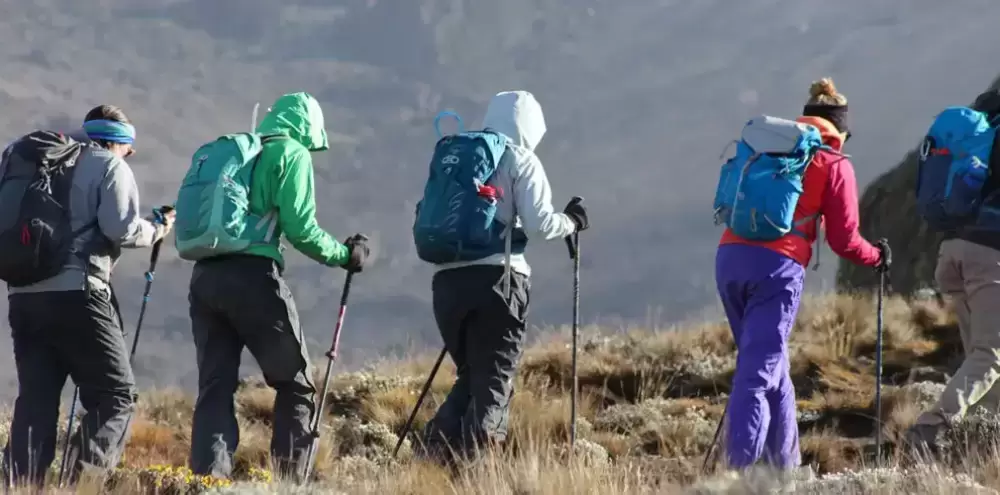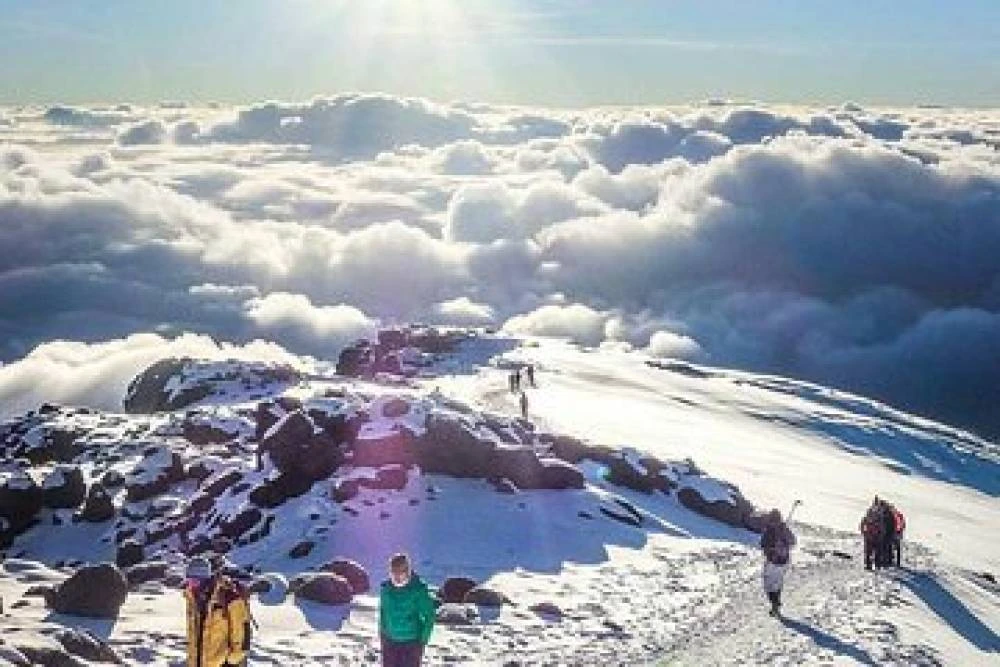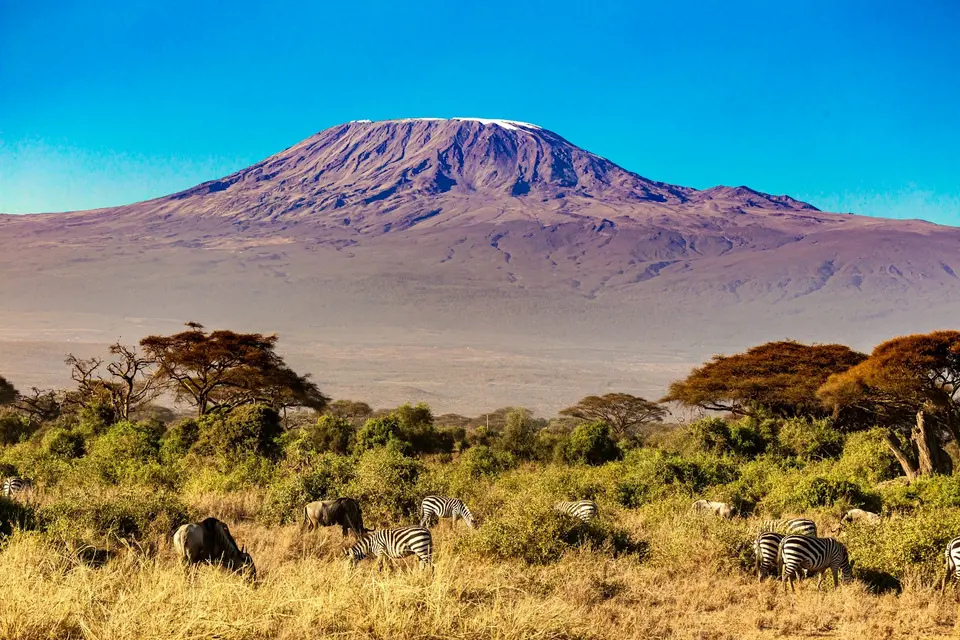
1. Kilimanjaro (5,895 m / 19,341 ft, Tanzania), Africa’s highest mountain, is composed of a volcanic massif of three cones (Kibo, Mawenzi, Shira). Uhuru Peak on Kibo is its highest point. Despite its height, it’s one of the easiest of the world’s Seven Summits, with no technical climbing required to reach the summit.
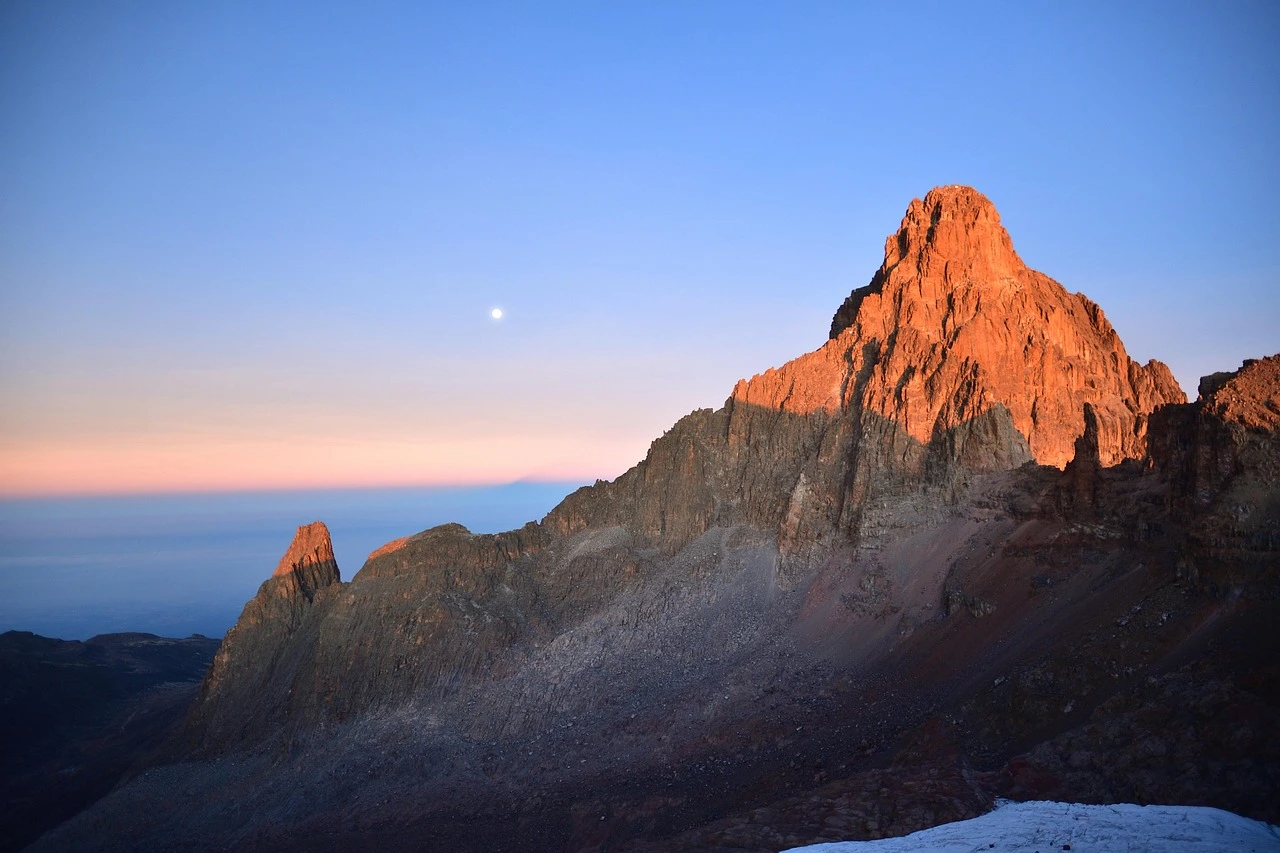
2. Mount Kenya (5,199 m / 17,057 ft, Kenya), an extinct stratovolcano and Africa’s second-highest mountain. It’s a sacred mountain to several local ethnic groups and tribes and is the namesake of Kenya. It has three main summits: Point Lenana (4,985 m / 16,355 ft), Batian (5,199 m / 17,057 ft), and Nelion (5,188 m / 17,021 ft). Point Lenana suits beginner hikers, while Batian and Nelion require advanced technical rock climbing.
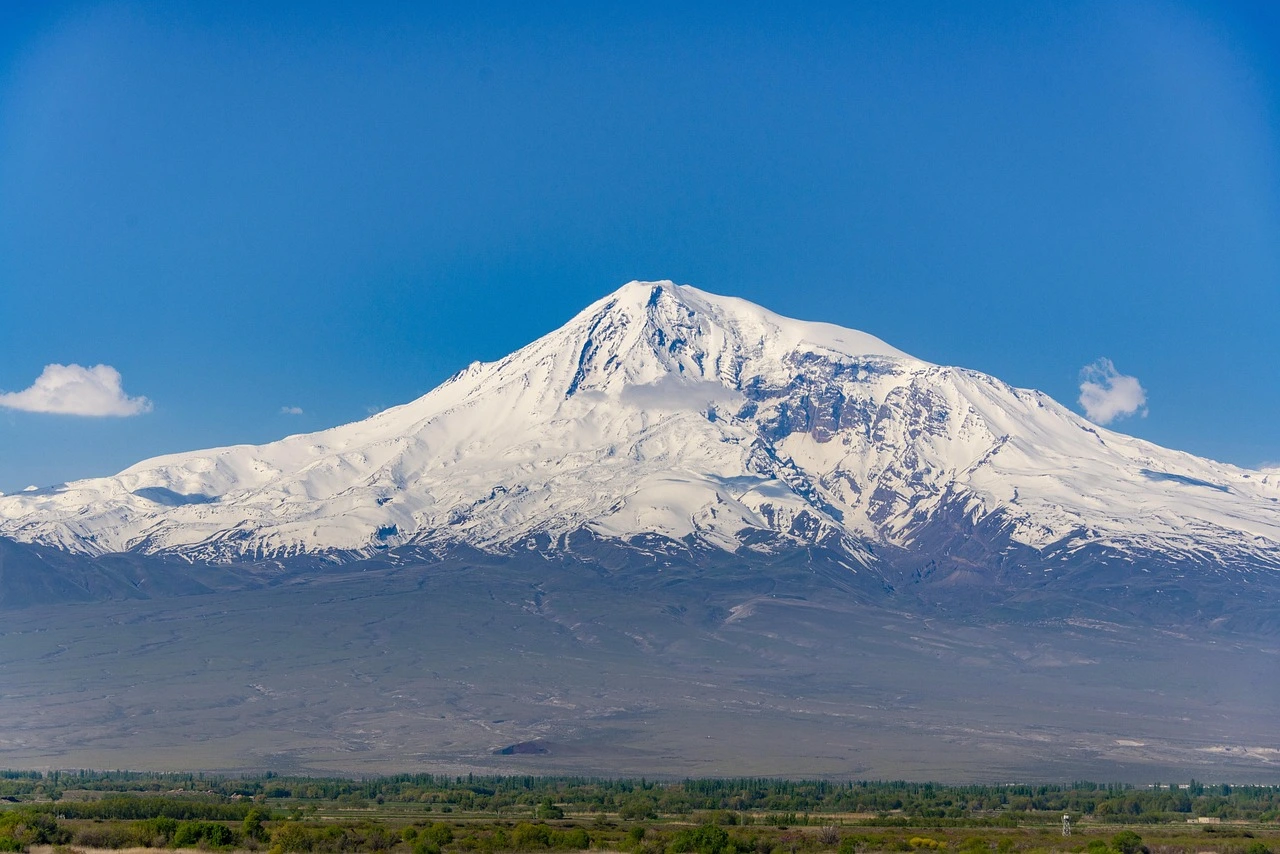
3. Mount Ararat (5,137 m / 16,854 ft, Türkiye), or Mount Ağrı, is a dormant compound stratovolcano and Türkiye's highest mountain. The highest freestanding mountain on this list outside Africa, it consists of two main cones: Greater Ararat (5,137 m / 16,854 ft) and Little Ararat (3,896 m / 12,782 ft). It’s considered one of the world’s easiest 5,000ers and is a great high-altitude summit to bag for beginners.
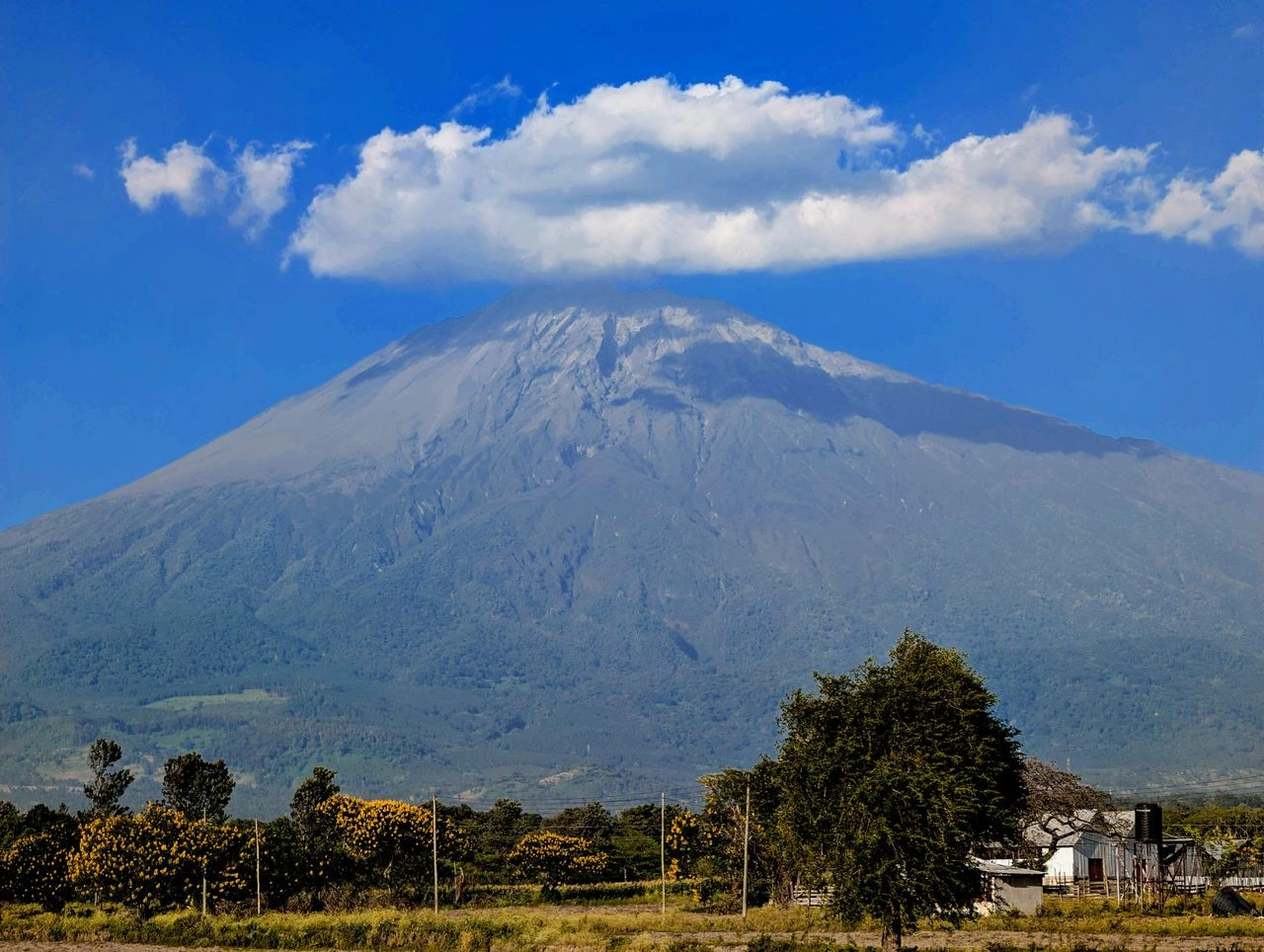
4. Mount Meru (4,562 m / 14,967 ft, Tanzania) is a dormant stratovolcano and Tanzania’s second-highest mountain. Located just 70 km (43 mi) from Kilimanjaro, it's visible from Uhuru Peak on a clear day. With its lower elevation, it's considered a good warm-up climb before Kili, but is more technically challenging than its higher neighbor.
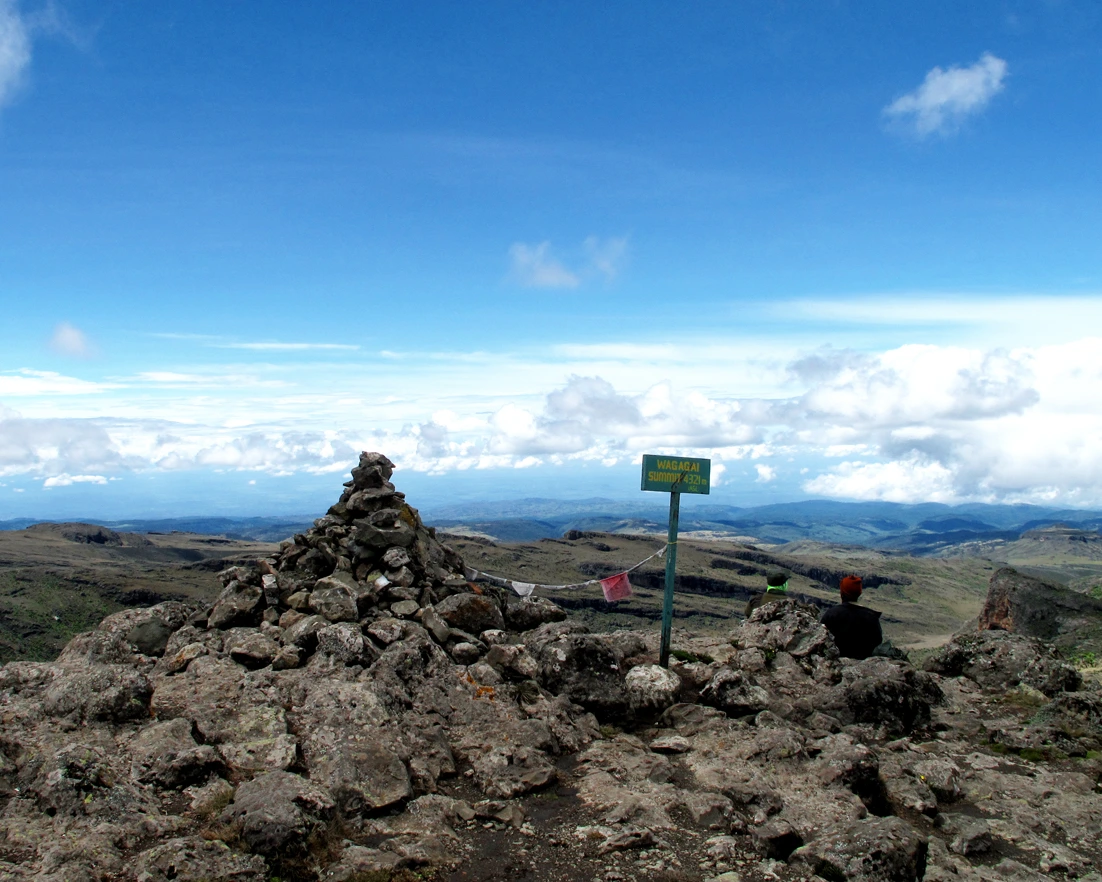
Kristina Just / CC BY-SA 2.0
5. Mount Elgon (4,321 m / 14,177 ft, Kenya / Uganda), or Ol Doinyo Ilgoon, is an extinct shield volcano over 24 million years old and is the oldest of its kind in East Africa. It’s famous for having the widest base of any volcano worldwide, with an 80 km (49 mi) diameter. At 339 km (211 mi) of isolation, it’s a truly standalone mountain. It’s a non-technical, high-altitude trek that beginners can tackle.
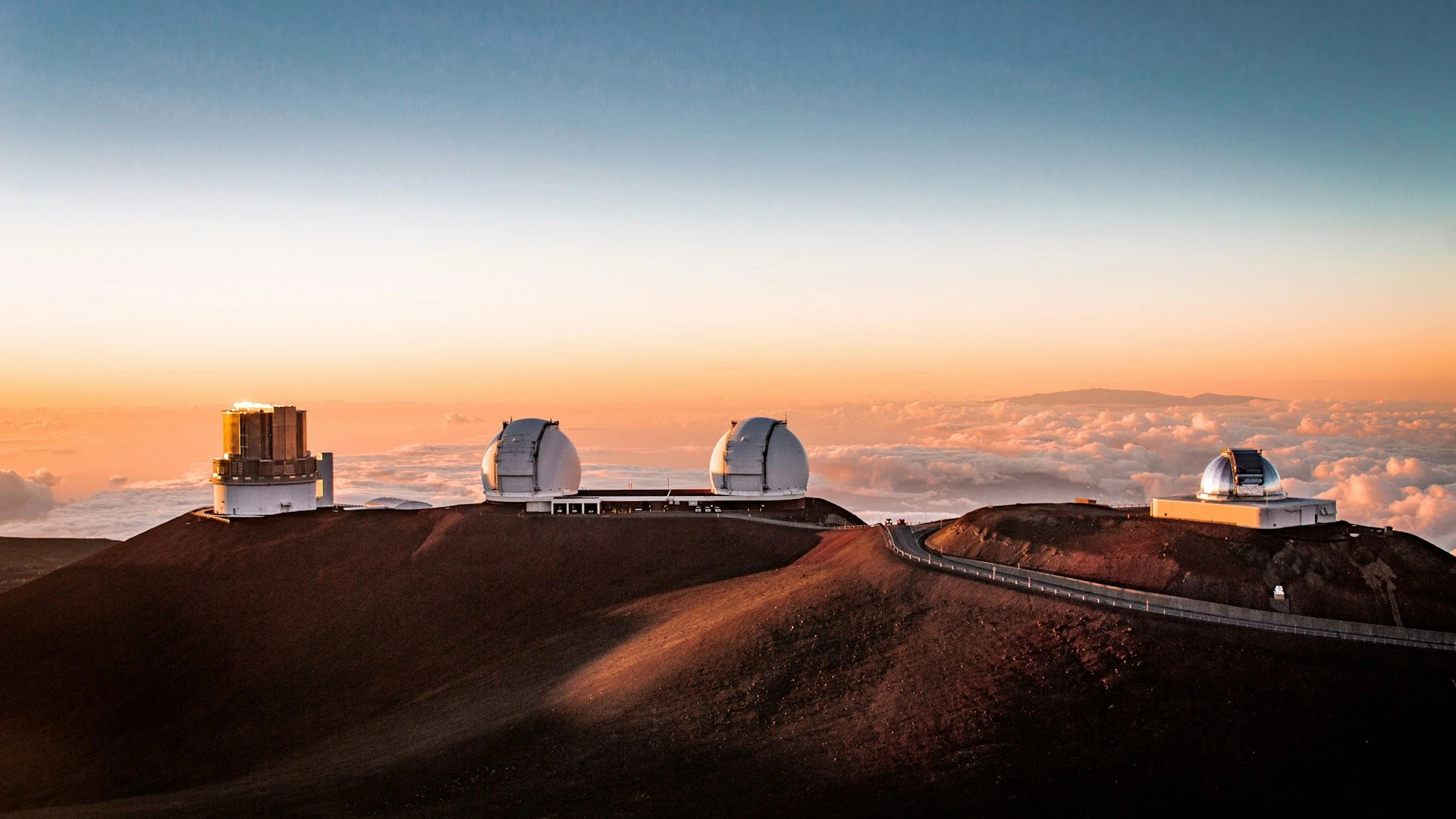
6. Mauna Kea (4,207 m / 13,803 ft, Hawaii, USA) is arguably the “tallest” mountain in the world — if measured from the ocean floor to its peak, it’s roughly 10,210 m (33,500 ft) tall. It’s a shield volcano on Hawaii’s Big Island and the second-highest island high point, after Puncak Jaya (4,884 m / 16,024 ft) on New Guinea. Like many others on this list, Mauna Kea is a physically demanding but technically straightforward climb.
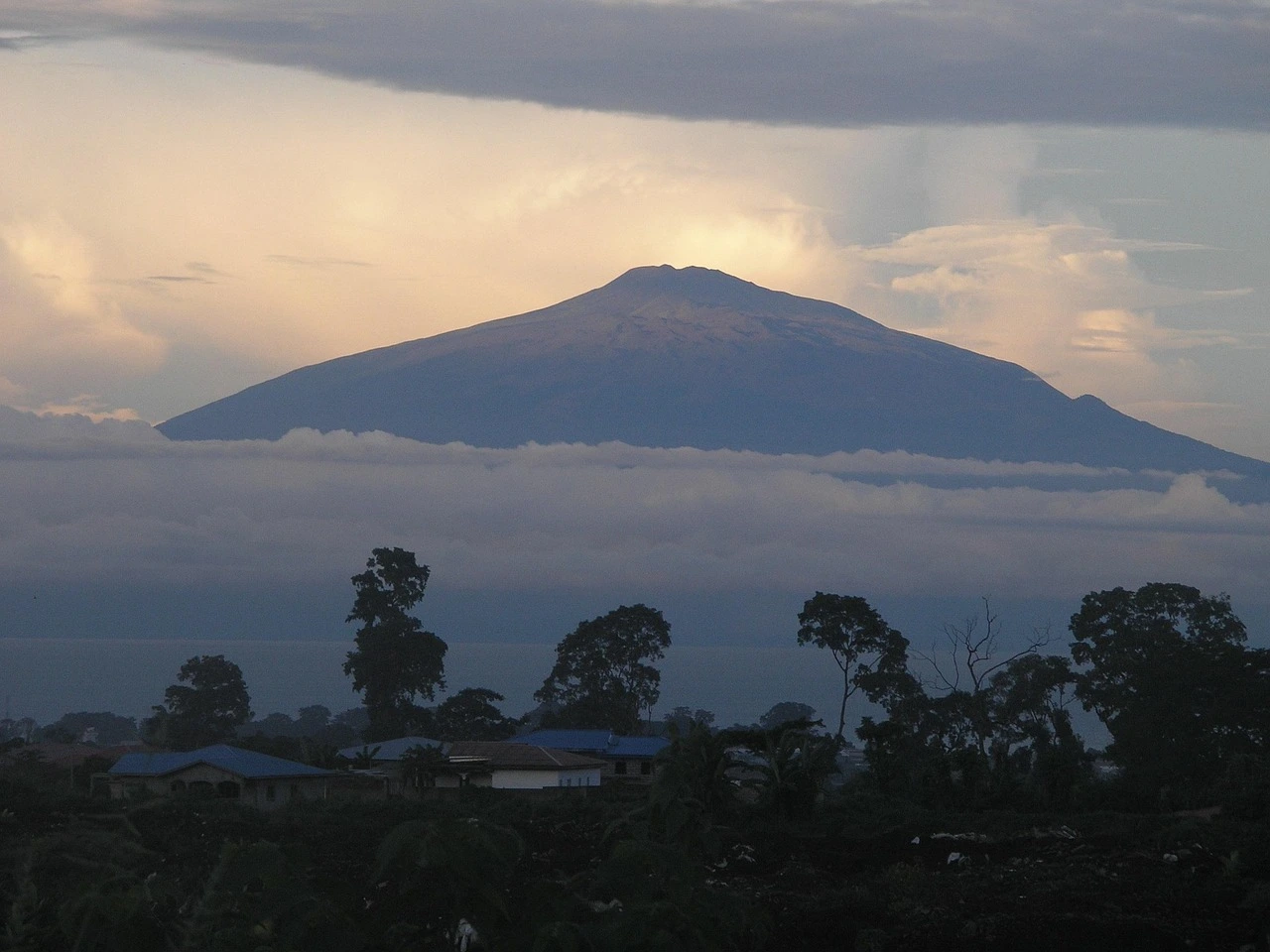
7. Mount Cameroon (4,040 m / 13,255 ft, Cameroon) is the highest summit in Central Africa and the world's highest volcanically active freestanding mountain. In fact, it’s one of Africa’s most active volcanoes, with eight major eruptions in the 20th century. Despite its volatility, it’s frequently summited, with the Mount Cameroon Race of Hope taking place annually every February.
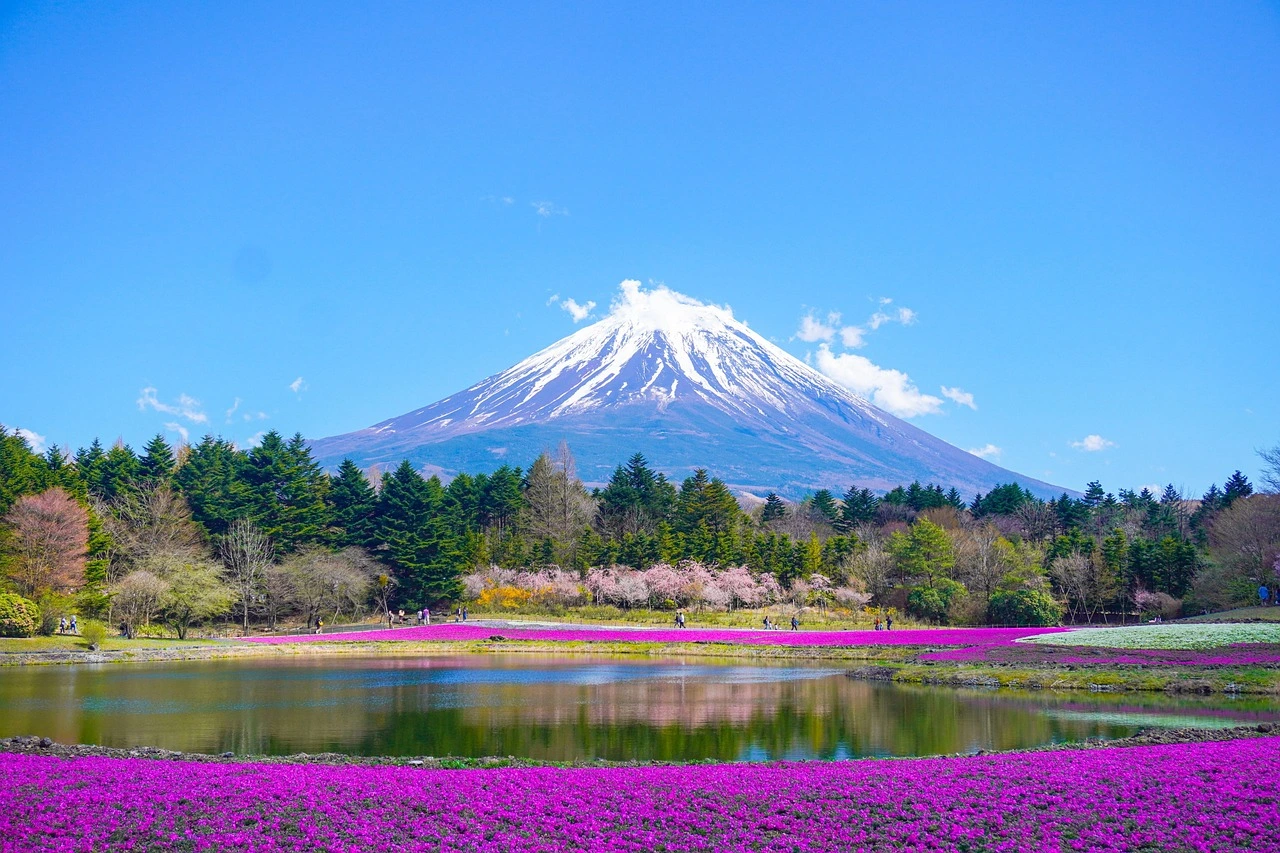
8. Mount Fuji (3,776 m / 12,388 ft, Japan) is an active stratovolcano and Japan’s highest mountain. Despite being active, Mount Fuji hasn’t erupted since 1707. It’s among the world’s most photographed mountains, rivaled only by the Matterhorn. Because of its cultural significance and international fame, Mount Fuji is well developed for climbers, and its most popular route, the Yoshida Trail, is beginner-friendly.
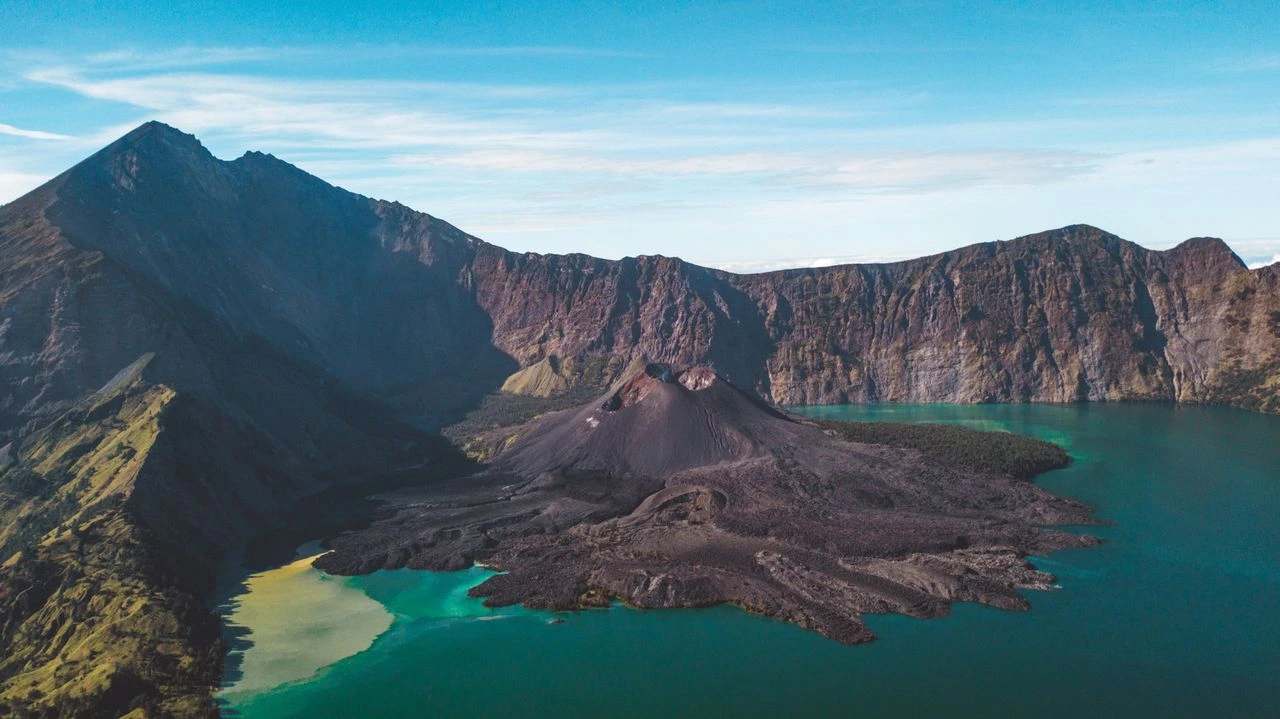
9. Mount Rinjani (3,726 m / 12,224 ft, Indonesia) is an active stratovolcano on Lombok island completely disconnected from any continental mountain chains. Despite having the most recent volcanic activity on this list, it’s among Southeast Asia’s most popular mountains to climb, partly thanks to its spectacular blue caldera lake, Sagara Anak. It's one of the most physically demanding mountains on this list, but it isn't technically difficult and has little risk of altitude sickness.
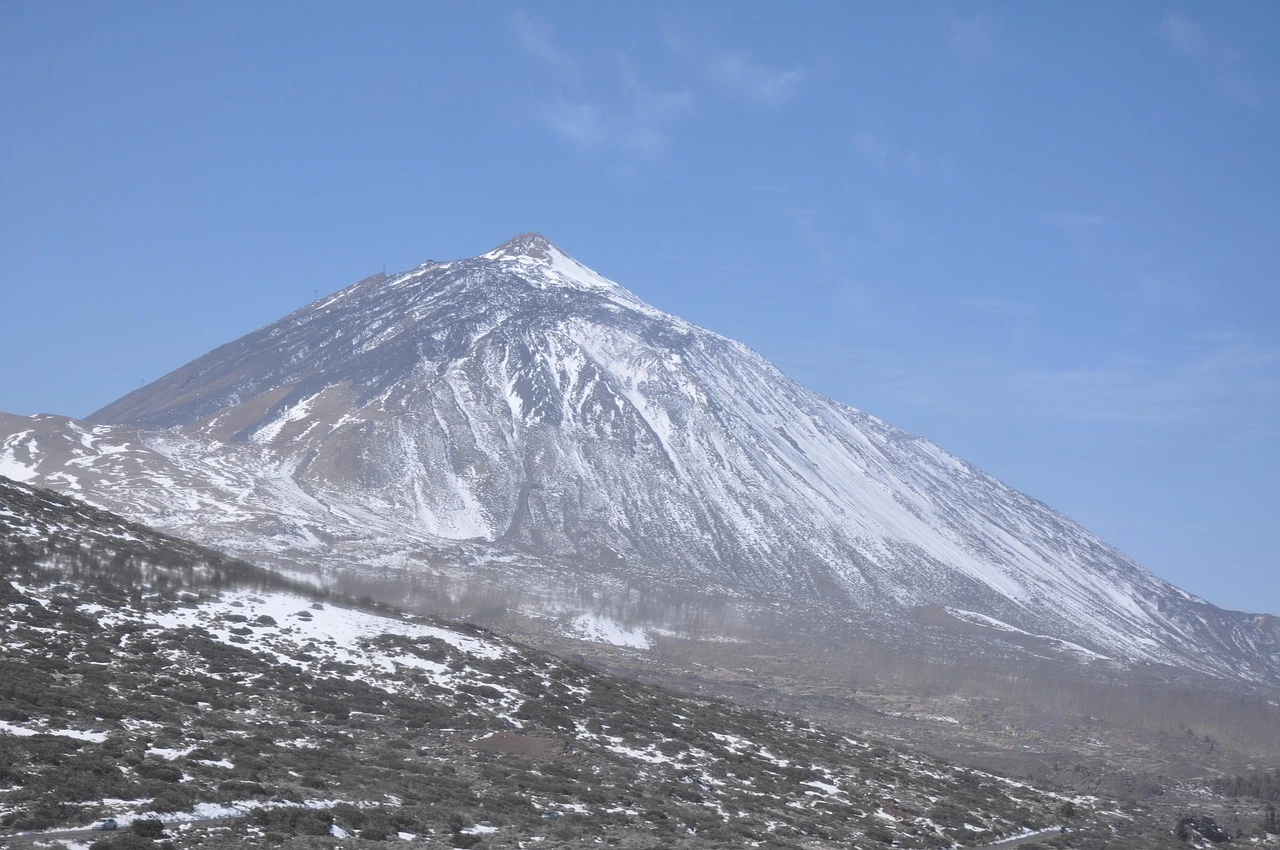
10. Mount Teide (3,718 m / 12,198 ft, Canary Islands, Spain) is Spain’s highest mountain, located on Tenerife in the Canary Islands. It could be considered Europe’s highest standalone mountain, but it’s geographically part of Africa. You can hike to Teide’s summit or take the Teide Cable Car.