Africa Tribes: An Introduction to the Communities of East Africa

East Africa is home to over 300 distinct ethnic groups and tribes, from farming communities numbering in the tens of millions to small hunter-gatherer bands of a few hundred people. Tanzania alone is home to over 100 distinct ethnic groups.

For travelers, understanding a little about these communities, like who they are, where they live, and what makes them distinct, adds a touch of East African culture to your next safari adventure. Here’s a quick look at some of the most famous tribes and ethnic groups in East Africa, with a few facts that make them notable.
Oromo (Ethiopia)

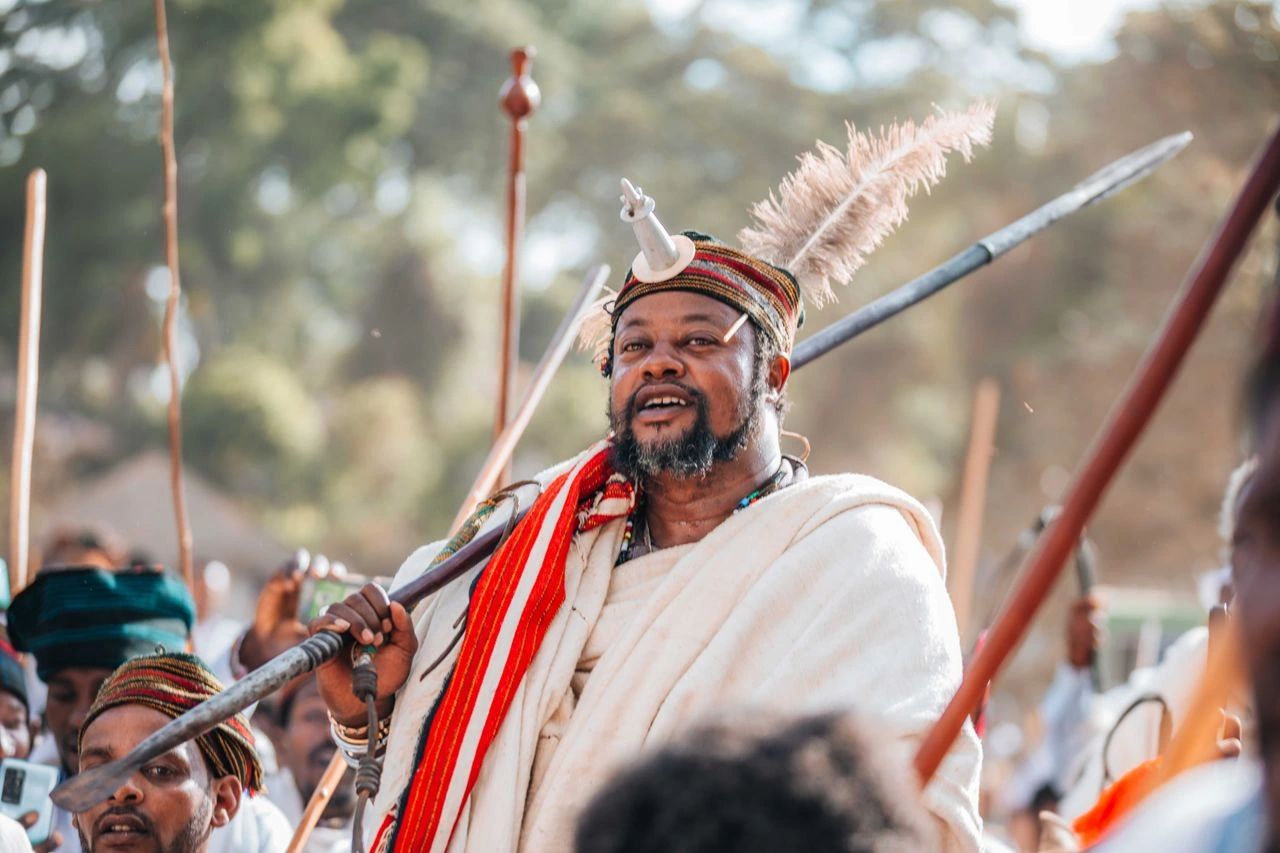
Man dressing in traditional Guji Oromo clothing.

  • Population: ~40 million
  • Location: Ethiopia’s Oromia region, with smaller populations in northern Kenya and Somalia
  • Languages: Oromo (Afaan Oromoo), a Cushitic language
  • Known for: The Gadaa system of democratic governance, being the single largest ethnic group in the Horn of Africa

The Oromo are by far the largest ethnic group in East Africa, making up more than 35% of Ethiopia’s population. Historically pastoralists and farmers, the Oromo developed the Gadaa system, a 500-year-old generational structure of elected leadership that predates most Western democratic institutions. Their homeland, Oromia, stretches across much of central and southern Ethiopia.

Somali (Somalia)

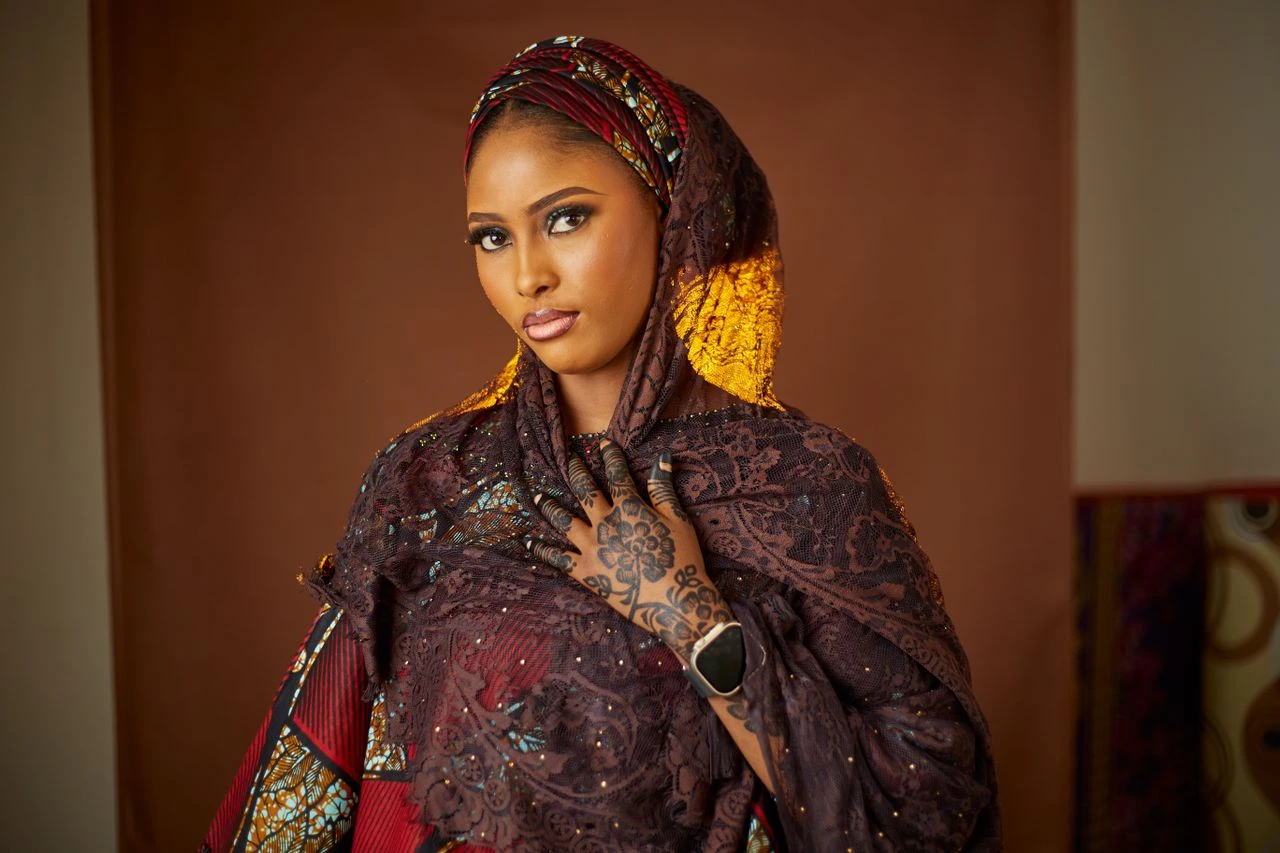
A woman in Somali clothing with traditional henna tattoos.

  • Population: ~25 to 30 million across the Horn of Africa
  • Location: Somalia, with large populations in Ethiopia, Kenya, and Djibouti
  • Languages: Somali, a Cushitic language
  • Known for: A shared clan-based social structure, nomadic pastoralism, and a rich oral poetry tradition

The Somali people form one of Africa’s most ethnically uniform large populations, sharing a single language and religion across a large arid territory. Each of the five clan identities, instead of national borders, has traditionally shaped Somali social and political life, and camel and cattle herding remain central to rural livelihoods. Poetry is key to Somali laws, politics, and history, earning Somalia the nickname the “Nation of Poets.”

Sukuma (Tanzania)

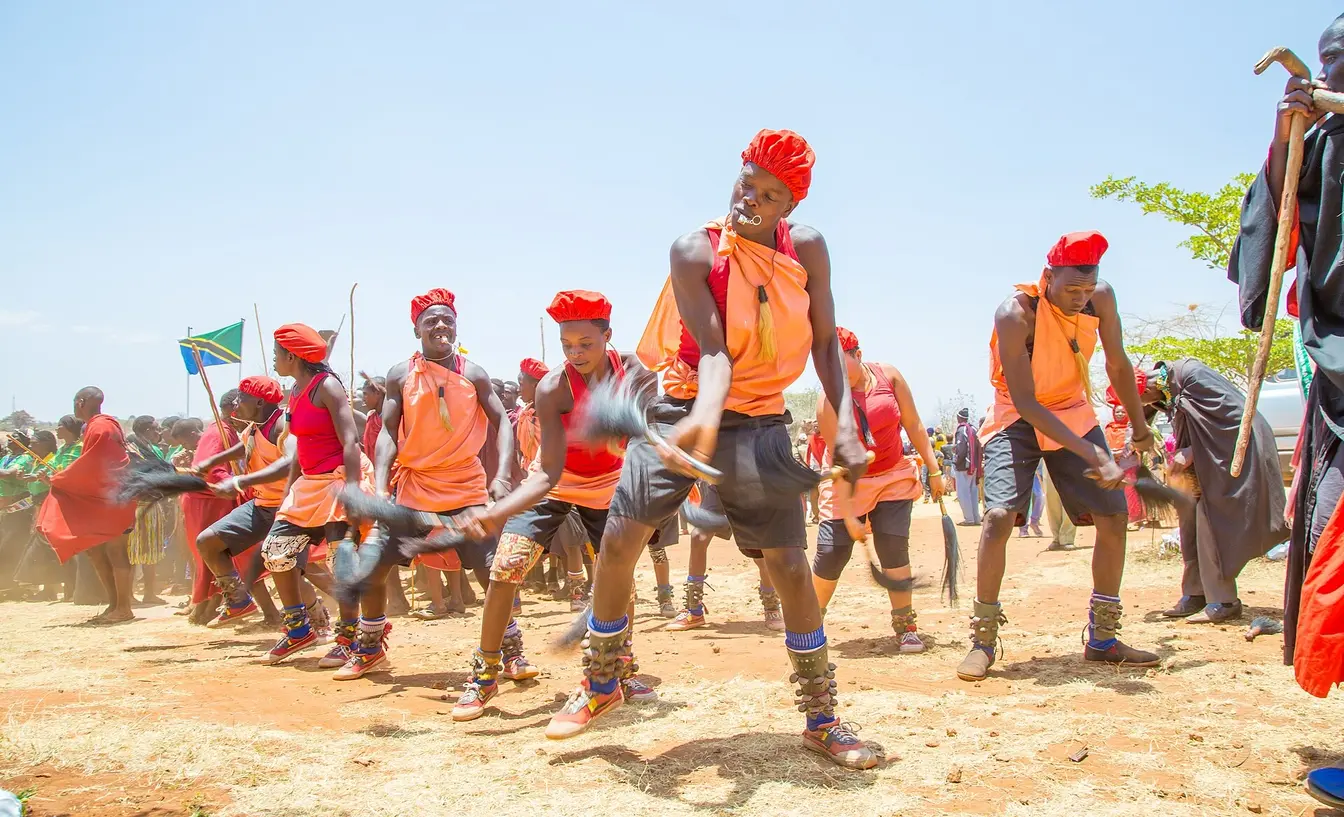
Sukuma men performing the Bugobogobo snake dance.

Attribution: Imani selemani Nsamila / CC-BY-SA 4.0

  • Population: ~10 million
  • Location: Northwestern Tanzania, on the southern and eastern shores of Lake Victoria
  • Languages: Sukuma, Swahili, English
  • Known for: Being Tanzania’s largest single ethnic group, cotton farming, and the “Bugobogobo” snake dance

The Sukuma make up around 16% of Tanzania’s population, more than any other ethnic group nationwide. They live primarily in northwestern Tanzania, with the word Sukuma meaning “people of the north.” They are closely related to the Nyamwezi to their south and are primarily farmers, growing sorghum, maize, and cotton, alongside keeping cattle. The Sukuma’s energetic Bugobogobo snake dance often features live snakes. Snakes are viewed as spiritual messengers, with the dance’s cultural meaning rooted in courage, harmony with nature, and agricultural celebrations.

Baganda (Uganda)

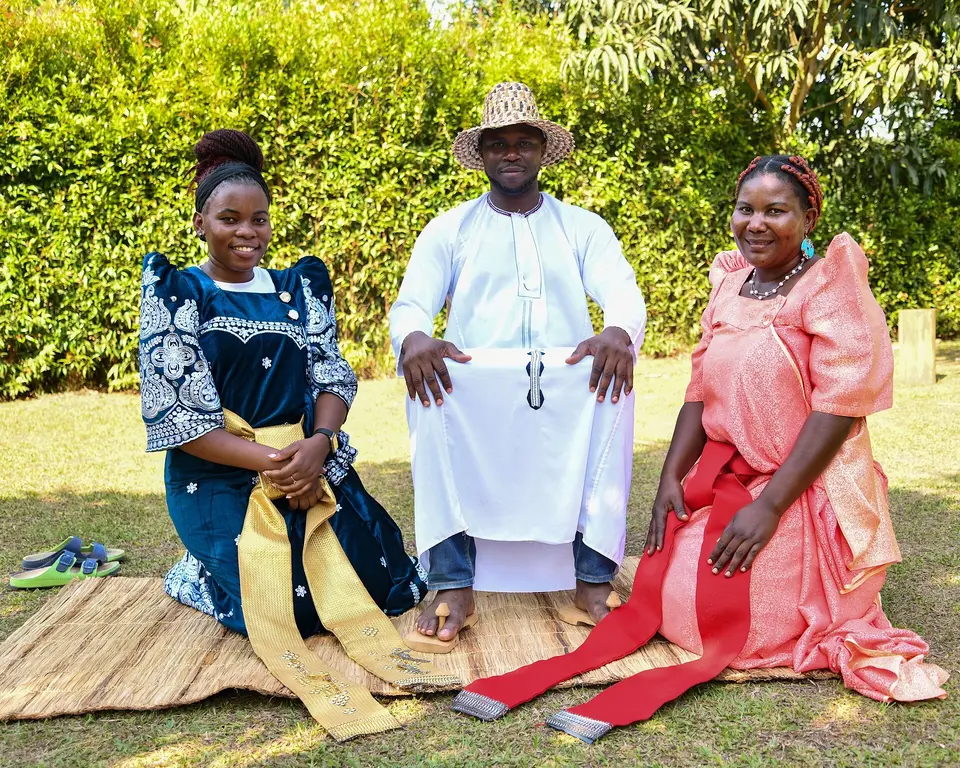
A man and two women wearing the Baganda clothing of Kanzu and Gomesi.

Attribution: Ssemmanda will / CC-BY-SA 4.0

  • Population: ~7 million
  • Location: Central Uganda, the historic Kingdom of Buganda
  • Languages: Luganda, Swahili, English
  • Known for: The Kingdom of Buganda, its king (the Kabaka), giving Uganda its name

The Baganda are Uganda’s largest ethnic group, making up over 15% of the population, and they are behind the country’s name, with “Uganda” being the Swahili rendering of “Buganda.” Organized into 52 clans, the Baganda maintain a traditional kingship that survives alongside the modern Ugandan state, with the Kabaka still holding a ceremonial and cultural role.

Maasai (Kenya and Tanzania)

A group of Maasai men performing the Adumu jumping dance.

  • Population: ~2 million
  • Location: Southern Kenya and northern Tanzania, across the Great Rift Valley
  • Languages: Maa, Swahili, English
  • Known for: Cattle-centered pastoralism, distinctive red shuka dress, age-set warrior traditions, historical lion hunting, Adumu jumping dance

The Maasai are among Africa's most famous tribes, largely because of their presence in Kenya and Tanzania’s most famous parks and reserves. Maasai traditions like lion hunting and drinking cow’s blood are among the most globally famous elements of tribal culture in East Africa.

Cattle are central to Maasai life, serving as a measure of wealth, a source of food, and a central theme in much of their oral tradition. Age-set ceremonies mark the transition from boyhood to warriorhood (moran) and eventually to elder status. Historically, the Maasai hunted lions as part of this rite of passage; however, ritual hunting has largely stopped because lion numbers have dwindled.

Today, the Maasai work as lion guardians, protecting these big cats instead of hunting them. Travelers on safari through the Serengeti or Ngorongoro Crater are traveling through Maasai land, and many lodges arrange respectful visits to local Maasai communities.

Nyamwezi (Tanzania)

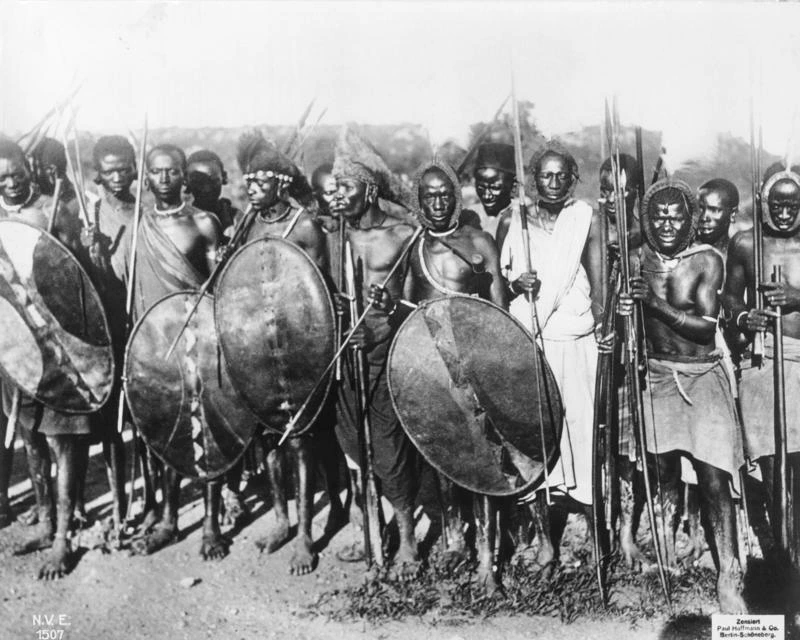
A historical photo of the Nyamwezi tribe circa 1914.

Attribution: Bundesarchiv, Bild 146-1984-067-35 / Hoffmann, Paul / CC-BY-SA 3.0

  • Population: ~2 to 2.5 million
  • Location: Tabora and Shinyanga regions, west-central Tanzania
  • Languages: Nyamwezi, Swahili
  • Known for: Historic caravan trade routes, close cultural ties to the Sukuma

Tanzania’s second-largest tribe, the Nyamwezi (“people of the west” or “people of the moon”) share deep linguistic and cultural roots with the neighboring Sukuma. Like the Sukuma, the Nyamwezi are primarily cereal farmers who grow rice, sorghum, millet, and corn. Historically, the Nyamwezi were prominent long-distance traders, running caravan routes between the interior and the Indian Ocean coast long before colonial roads were built. They’re also famous for working outside of their home country, becoming well-known as porters across East Africa.

Chagga (Tanzania)

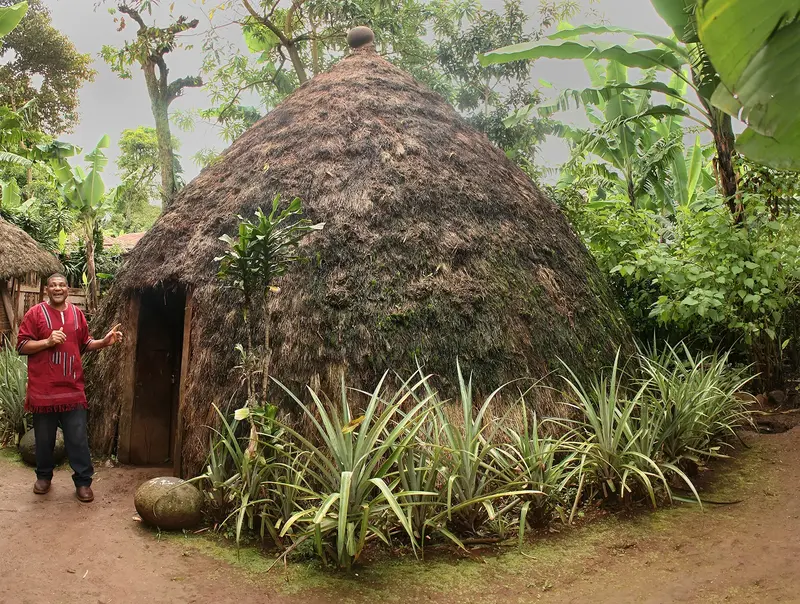
A man standing outside a traditional Chagga hut.

  • Population: ~2 million
  • Location: The southern slopes of Mount Kilimanjaro and Mount Meru
  • Languages: Chagga languages, Swahili
  • Known for: Coffee and banana farming, and the “kihamba” system of passing land through generations

Tanzania’s third-largest ethnic group, the Chagga farm the fertile volcanic slopes of Kilimanjaro, growing coffee, bananas, and a wide range of fruit and vegetables in carefully tended homestead gardens. They’re innovative farmers, with multi-tiered farming plots called kihamba that use gravity to redirect melted glacial water from the mountains to their crops. Most climbers heading up Mount Kilimanjaro pass through Chagga villages and are guided by Chagga porters and crew on the mountain.

Pare (Tanzania and Kenya)

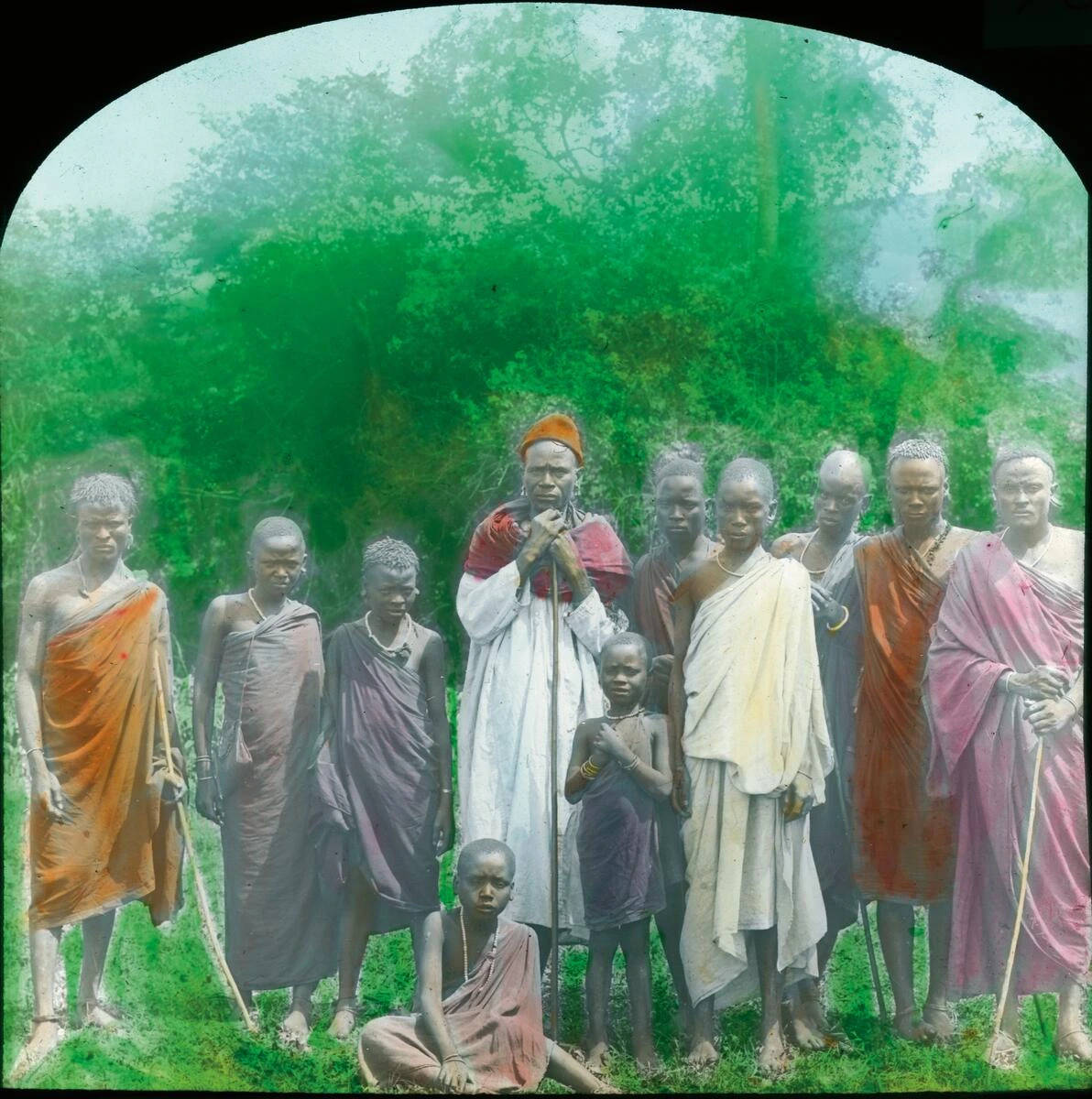
A colorized photo of Pare people from 1902.

  • Population: ~735,000
  • Location: The Pare Mountains, between Kilimanjaro and the Kenyan border
  • Languages: Pare (Chasu), Gweno, Swahili
  • Known for: Terraced mountain farming, historic ironworking, rainmaking

The Pare live in the cooler highlands south of Kilimanjaro, where they have long practiced terraced agriculture on steep mountain slopes. Historically skilled ironworkers, the Pare traded tools and weapons with neighboring groups, including the Chagga and Maasai. The Pare were also renowned rainmakers, with local leaders performing rituals using wooden or clay figurines wrapped in cloth.

Samburu (Kenya)

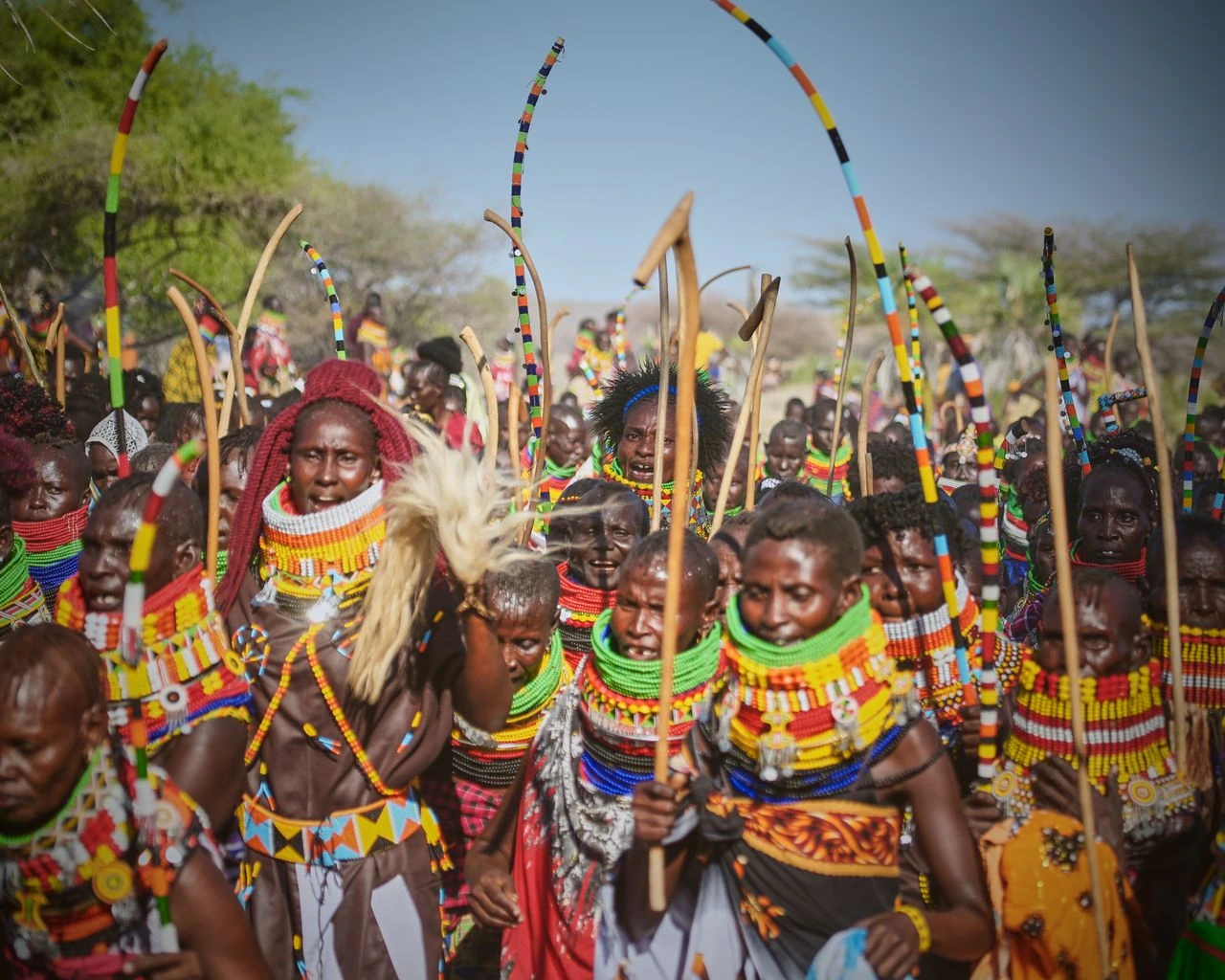
A crowd of Samburu people in traditional dress.

  • Population: ~330,000
  • Location: North-central Kenya, around Samburu County
  • Languages: Samburu (a dialect of Maa), Swahili, English
  • Known for: Close cultural ties to the Maasai, elaborate beadwork, life in Kenya’s arid north

Often described as cousins of the Maasai, the Samburu share the Maa language family and a similarly cattle-centered, semi-nomadic way of life, adapted to the drier, more remote landscapes of northern Kenya. Other similarities include their age-set moran warrior system and shuka traditional clothing. Beadwork is a big part of Samburu identity, with color and pattern often signaling age, status, and marital state. Samburu communities are a highlight of safaris that combine the best of Kenya’s wildlife regions, particularly in the north around Samburu National Reserve.

Datoga (Tanzania)

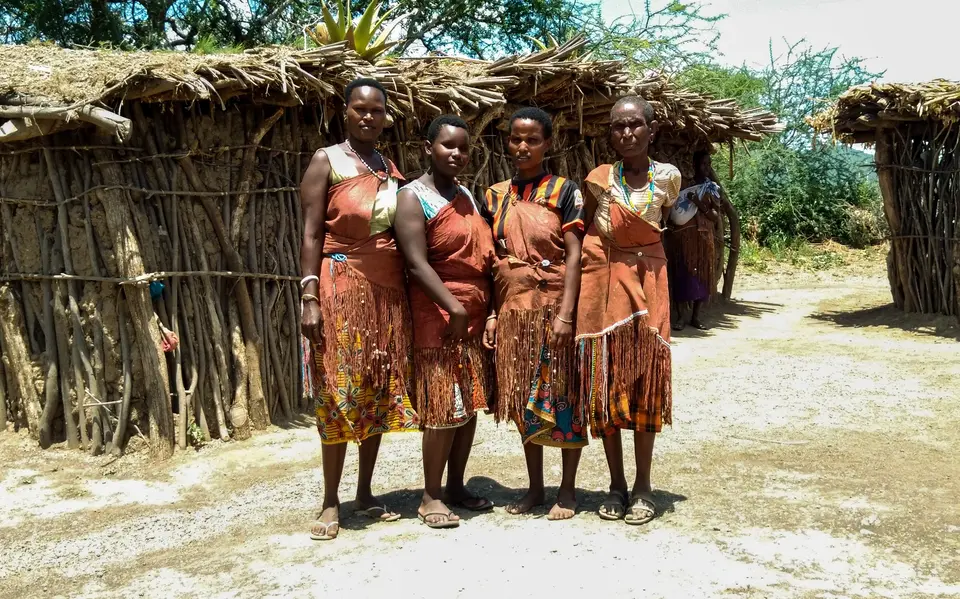
Four Datoga women standing in front of a traditional dwelling.

Attribution: Rwebogora / CC-BY-SA 4.0

  • Population: ~100,000 to 200,000
  • Location: Around Lake Eyasi, Lake Basotu, and Mount Hanang in north-central Tanzania
  • Languages: Datooga (Nilotic)
  • Known for: Cattle herding, historic conflict-turned-coexistence with the neighboring Hadzabe, metalworking

The Datoga (sometimes called Datooga, or Mang’ati in Swahili) are agro-pastoralists closely related to Kenya’s Kalenjin people. Traditionally dominant across much of northern Tanzania’s plains, the Datoga were gradually pushed toward the Lake Eyasi basin, where they now live alongside the Hadzabe. The Datoga are renowned blacksmiths, known as the Rift Valley's master metalworkers. Like the Maasai, the Datoga are famous for being fierce warriors, with a similar historical rite of passage in which young warriors would prove themselves by hunting a dangerous animal like an elephant or lion. Like the Maasai, this tradition is now largely a thing of the past.

Mursi (Ethiopia)

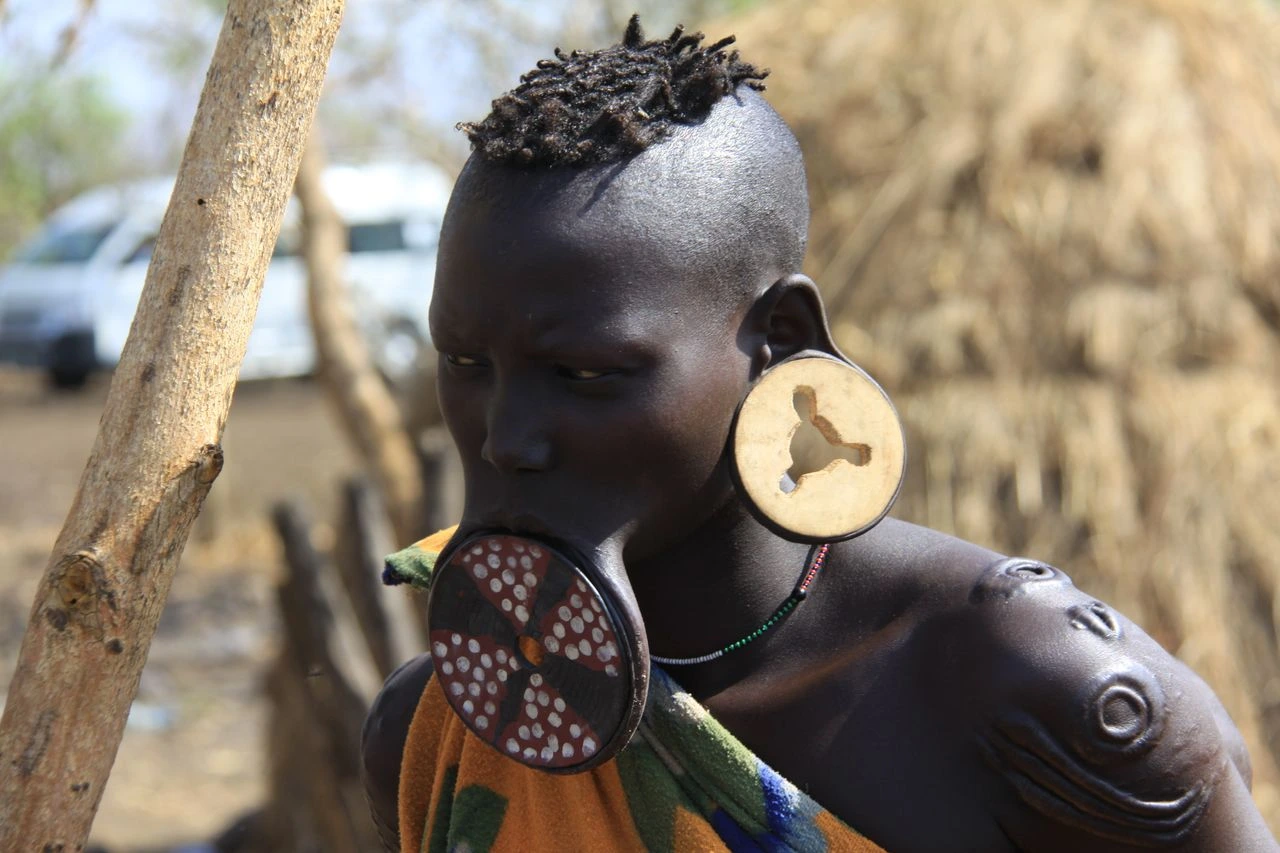
A Mursi woman with large lip and ear discs.

  • Population: ~10,000 to 15,000
  • Location: The Omo River Valley, southwestern Ethiopia
  • Languages: Mursi (Surmic)
  • Known for: Lip plates worn by women, cattle-based social status

Among the best-known of the Omo River Valley tribes, the Mursi are famous for the large clay or wooden lip plates worn by women, a tradition tied to beauty and social standing rather than any single fixed meaning. These lip plates typically reach up to 5 inches (12 cm) in diameter. Like several other Omo Valley communities, Mursi life centers on cattle, and status within the community is closely linked to herd size. Mursi men are even known to name themselves after markings or colorations of their favorite ox or cow.

Karo (Ethiopia)

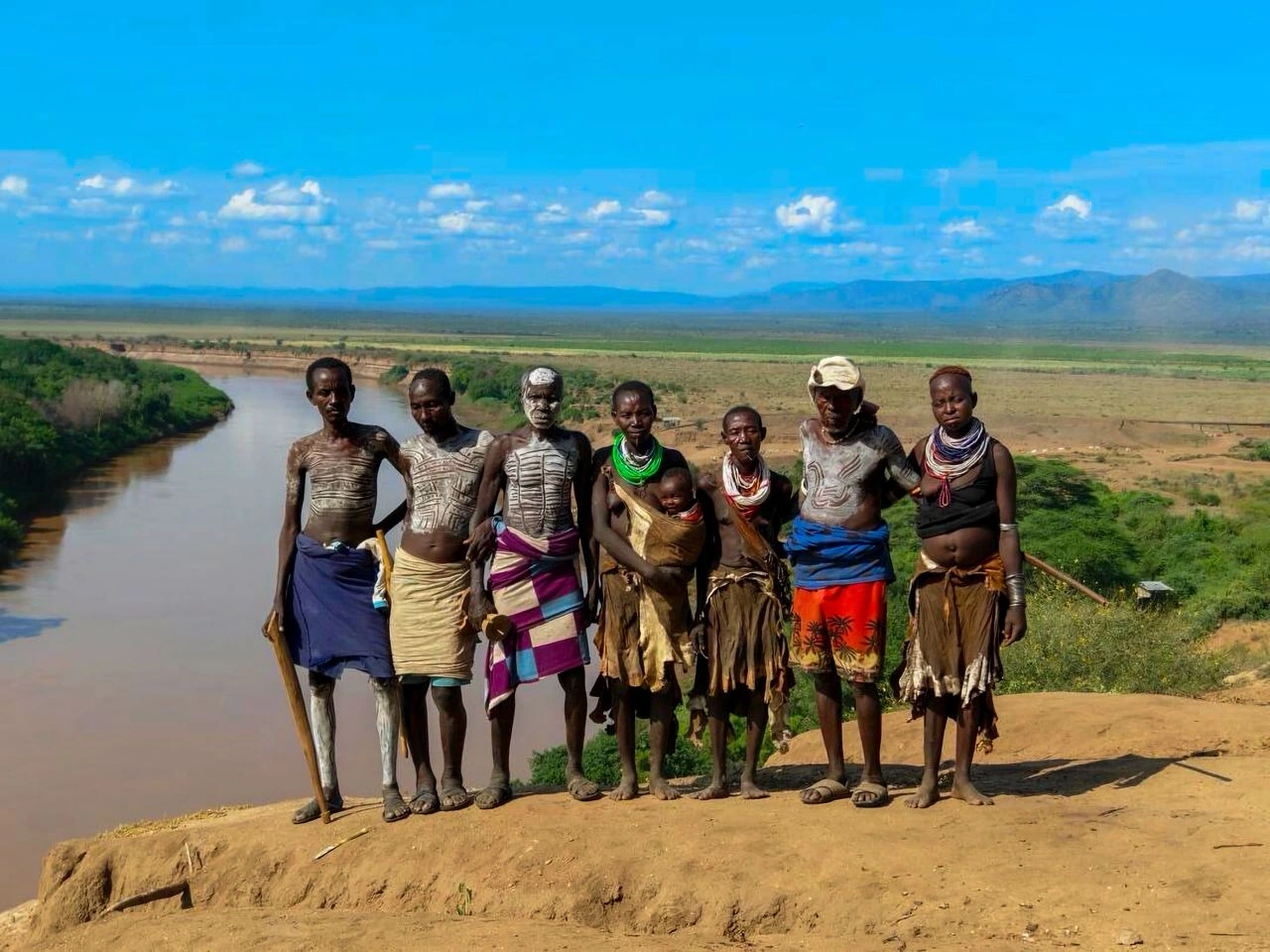
A group of Karo people with white body paint standing in front of the Omo River.

  • Population: Estimated at around 1,000–2,000
  • Location: The eastern banks of the Omo River, southwestern Ethiopia
  • Languages: Karo (South Omotic)
  • Known for: Intricate body painting and scarification

One of the smallest of the Omo River Valley tribes, the Karo are known for elaborate body and face painting using white chalk, ochre, and charcoal, along with scarification practices that carry deep cultural meaning. Using their palms and hands, they create intricate patterns and shapes,such as dot patterns that symbolize the plumage of a guinea fowl. They farm the fertile banks of the Omo River using flood-retreat cultivation, growing sorghum and maize as the river recedes each season.

Hadzabe (Tanzania)

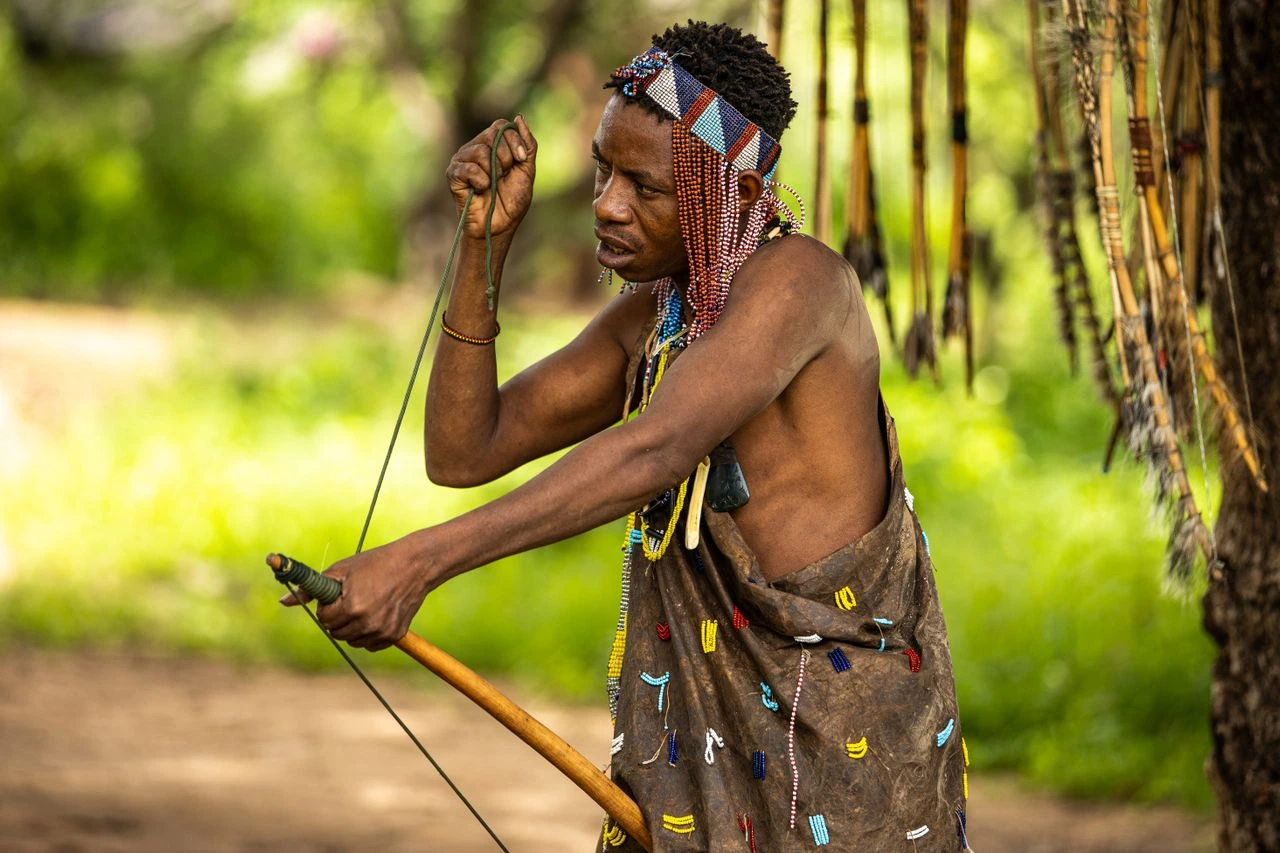
A Hadzabe man restringing a bow.

  • Population: ~1,200 to 1,300
  • Location: Around Lake Eyasi and on the Serengeti plateau in northern Tanzania
  • Languages: Hadzabe, a click language unrelated to any other in East Africa
  • Known for: Being one of the last true hunter-gatherer societies on Earth, unique click-based language

The Hadzabe, or Hadza, are among the smallest and most distinct ethnic groups on this list, and one of the very few remaining hunter-gatherer societies anywhere in the world. Their language, built around distinctive click consonants, has no known relatives. Hadzabe communities near Lake Eyasi still hunt with bow and arrow and forage for wild tubers, honey, and berries, much as they have for thousands of years. Hadzabe arrows are often poisoned with branches from a species of desert rose, and they hunt a wide range of animals including impalas, warthogs, and baboons.

Visiting East African Tribes: Etiquette, Culture, and Tradition

Meeting these communities can be one of the most memorable parts of a trip through East Africa, but approaching with care and respect is key to an enriching experience. A few guidelines:

  • Ask before photographing. Many communities, particularly smaller Omo Valley tribes, have specific customs around photography, and some expect a small fee. Always ask your guide before taking pictures.
  • Support community-run visits where possible. Choose visits organized in partnership with the community itself, rather than staged stops that treat people as photo opportunities.
  • Dress and behave respectfully. Modest clothing and a willingness to follow local customs go a long way, especially at ceremonies or in someone’s home. Modest clothing that covers your shoulders and knees is recommended.
  • Learn a greeting. A simple word of thanks or greeting in the local language is almost always appreciated.
  • Treat the visit as an exchange, not a performance. The most meaningful encounters happen when travelers show genuine curiosity about daily life, family structure, and how traditions are adapting today, not just the aspects that look most “traditional.”

Our Great Migration, Culture & Lakes safari combines the Serengeti and Ngorongoro Crater (Maasai homeland) with a stop at Lake Eyasi, home to the Hadzabe and Datoga communities. Contact the Safari Soles team to arrange a safari with a cultural visit.

Final Thoughts

East Africa’s cultural diversity is every bit as remarkable as its wildlife. From the tens of millions of Oromo and Somali people across the Horn of Africa, to Tanzania’s Sukuma, Chagga, and Hadzabe communities, to Kenya’s Samburu and the small, distinct tribes of Ethiopia’s Omo River Valley, no single trip can take in all of it. But even a brief, respectful encounter adds a deeper understanding of life in East Africa to your safari.  

Frequently Asked Questions

How many tribes are in East Africa?

What is the difference between ethnic groups and tribes in Africa?

Who are the Bantu people?

What country is the Hadzabe tribe from?