Planning a Kenya Safari: A Sample Itinerary and the DIY-vs-Tour Operator Decision

Most “how to plan a Kenya safari” guides walk you through the same checklist, like when to go, which parks, and what it costs. We’ve already covered all of that in detail in our full Kenya safari guide, so we won’t repeat it here.

What that guide doesn’t show you is what an actual trip looks like day by day, or how to decide whether to book it yourself or hand it to someone who does this for a living. That’s what this post is for.

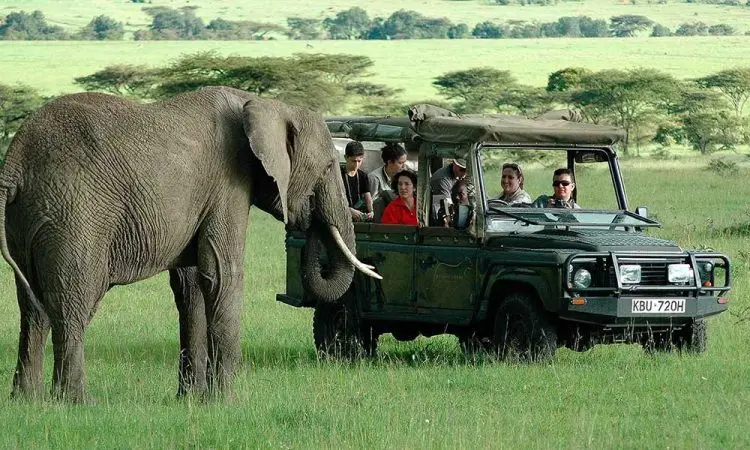
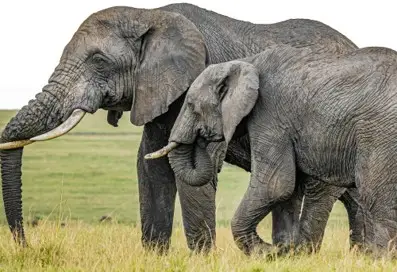
An elephant standing next to a safari vehicle full of people on a Kenya safari.

What a Kenya Safari Itinerary Looks Like

It’s one thing to know that 5 to 7 days is the perfect length for a Kenya safari, but what will you be doing from day to day? Here’s a quick breakdown of our 6-Day Kenya Private Migration Safari, so you can get a clear picture:

DayLocationWhat’s Happening
1Amboseli National Park
  • Morning flight or road transfer to the Amboseli
  • Game drive on arrival with views of Kilimanjaro
  • Overnight stay at Sentrim Amboseli Lodge
2Amboseli National Park
  • Full day in the reserve, with morning and afternoon game drives, including elephants
  • Birdwatching
  • 2nd night at Sentrim Amboseli Lodge
3Amboseli National Park → Lake Nakuru National Park
  • Transfer to Lake Nakuru
  • Wildlife viewing - flamingos, giraffes, rhinos, lions etc.
  • Overnight stay at Lake Nakuru Lodge
4Lake Nakuru National Park → Maasai Mara National Reserve
  • Transfer to Masai Mara
  • Afternoon game drives
  • Overnight stay at Sentrim Mara Camp
5Maasai Mara National Reserve
  • Full day of game drives - Great Migration viewing
  • 2nd night at Sentrim Mara Camp
6Maasai Mara National Reserve → Isebania Border Post
  • Assistance crossing border into Tanzania and onward travel
  • End of tour

Swap in Tsavo or Samburu instead of Amboseli, and the shape of the trip stays roughly the same, as they’re a similar distance from each other. A 7-day itinerary would include an additional day at Lake Nakuru.

Why We Built Our Safari Itinerary This Way (And Tips For How It Can Be Adapted)

There are a few rules for pacing a Kenya safari itinerary that we stand by to ensure the best possible experience. And they hold regardless of which parks you choose:

  • Two nights at camps - A one-night stop means you arrive, settle in, and pack again before you’ve had a full day of game drives; you lose half a day to logistics every time you change camps.
  • Build a buffer day around international flights - Don’t schedule a game drive the same day as a long-haul arrival. Fatigue and missed-flight risk are real, and could upend your whole safari.
  • Time park-to-park transfers for daylight - A transfer doubles as a mini game drive if it’s scheduled mid-morning. Plan your transfers midday or after dark, and you’ve just lost a travel day for nothing.
  • Consider booking a fly-in safari - Fly-in safaris are pricey, but there are some big advantages. You’ll save hours on transfers, giving you more time to enjoy your safari. Plus, flying gives you a unique perspective on Kenya’s awesome landscape.  
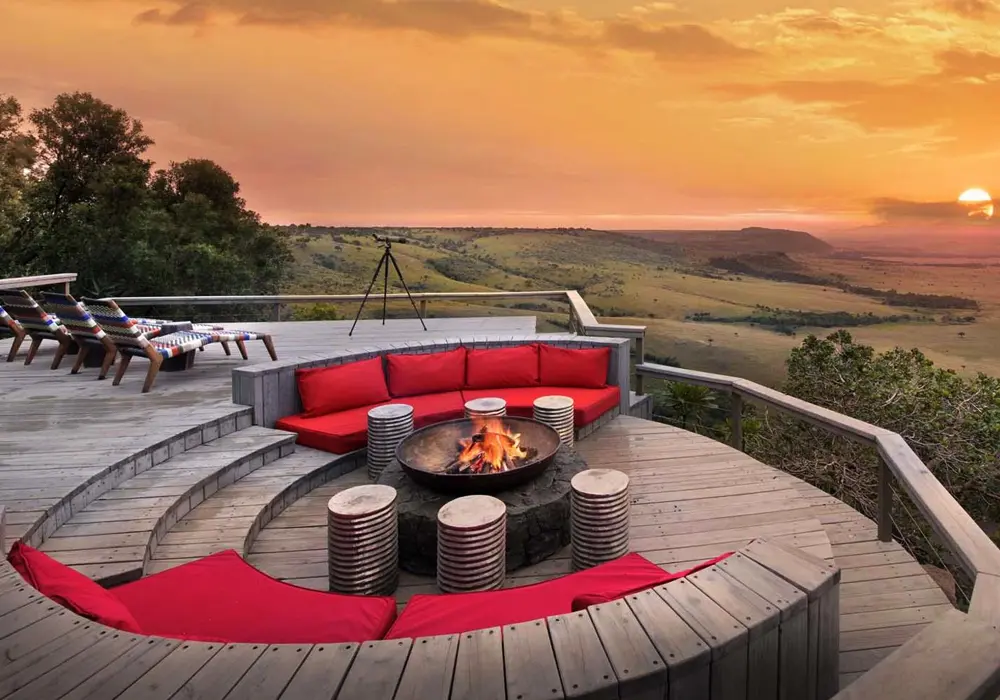
    A fire pit with wooden seating overlooking the savannah at a luxury Kenya safari lodge.

Plan It Yourself or Book Through a Tour Operator?

So you know how a mid-length safari will shape up, but do you book through an operator or handle it yourself?

While we might be a bit biased as tour operators, booking a DIY safari is usually more hassle than it’s worth. From park fees to 4X4 safari vehicle rentals to the logistics of traveling between parks and booking lodges, there’s a lot to consider when trying to go solo on safari.

It’s totally doable, but could cause a few headaches, especially if there are delays or hiccups in your itinerary. Plus, without on-the-ground, local knowledge, booking lodges and paying park fees can be tricky. Lodge availability during the peak of the Great Migration can disappear months in advance, and park fees are subject to change.

Booking through a tour operator like Safari Soles means you can sit, put your feet up, and watch the savannah pass by your window. All your accommodation is taken care of, park fees are paid, and logistical challenges are taken off your hands. Plus, tour operators have insider knowledge of when and where to see Kenya’s wildlife, ensuring you don’t miss seeing the Big 5 or elephants in the silhouette of Kilimanjaro.

If you’re looking to save money, you won’t save much by booking yourself, and many travelers find the slight price increase is worth avoiding the hassle of all the planning. For example, our mid-range 6-day private Kenya safari costs ~$3,000 per person with full board. Once you’ve taken into account food costs, hiring a private guide, car rentals, park fees, and more, you won’t see much in the way of savings. 
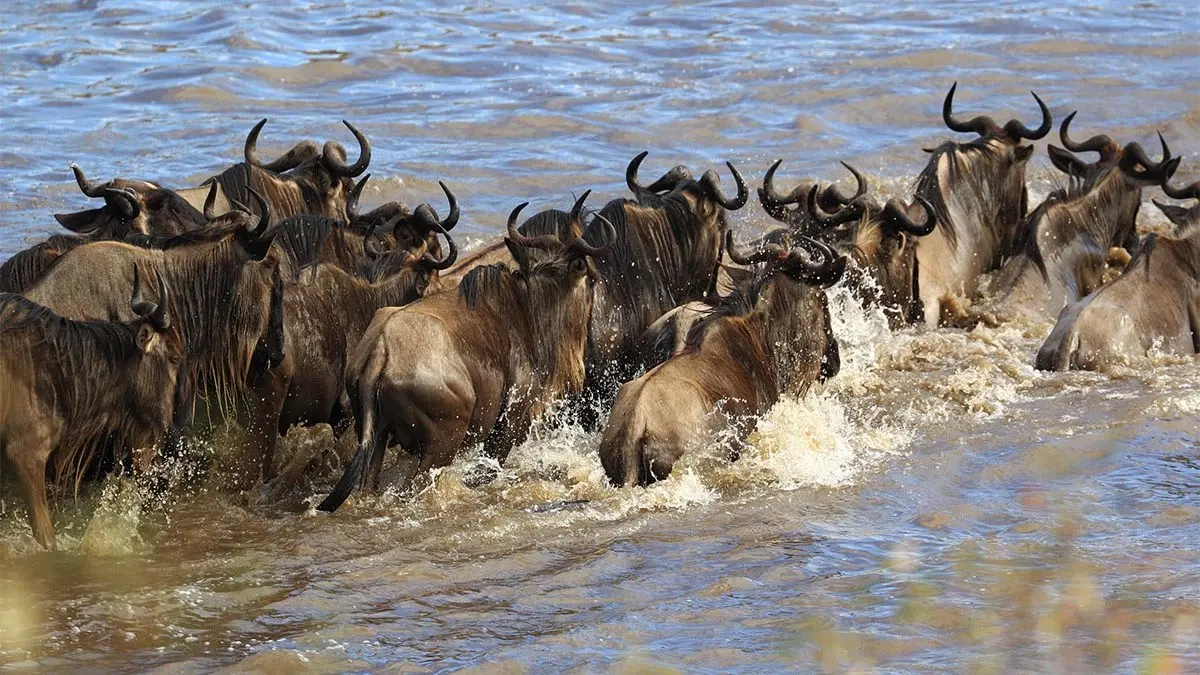
A herd of wildebeest crossing a river in Kenya.

Questions to Ask Before Booking With an Operator

If you go with a safari tour operator, there are a few questions we recommend asking during the booking process, to ensure you don’t get caught out on hidden fees and mishaps:

  • Who’s handling park permits and fees? Are they included in the quote, or paid separately on arrival?
  • Is the vehicle and guide private to your group, or shared with other travelers?
  • What’s the cancellation and rebooking policy if a flight is delayed or a park closes a road?
  • What’s the guide-to-vehicle ratio at each camp? One guide split across several vehicles slows down good sightings.
  • Who do you contact if something goes wrong mid-trip? A local office, or a call center in a different time zone?

These questions can help you weed out professional tour operators who run smooth, unforgettable trips from those who resell template itineraries.

Overall, if your trip is to a single park and you have a flexible schedule, a DIY itinerary is manageable. But most travelers want to relax and experience more of what Kenya’s parks have to offer — that’s where tour operators come in. See our Kenya Safari Cost 2026/27 guide to see how safari prices shape up for upcoming seasons.

Every safari ends up a little different once you factor in season, budget, and the parks that actually interest you. If you’d rather skip the spreadsheet, that’s exactly what we do at Safari Soles. Contact our team, tell them dates and budget, and we’ll build the itinerary around them.


Frequently Asked Questions

When is the best time to plan a safari in Kenya?

What are the must-visit safari destinations in Kenya?

What is the difference between a lodge and a tented camp?

Can I plan a Kenya safari without using a tour operator?

Do I need a visa to visit Kenya?

Is it cheaper to plan a Kenya safari myself than to book with an operator?