The month before
June
Start of dry season without peak-season crowds
Read the June guide → English
 Deutsch
 Français
 Español
 Italiano
 Português
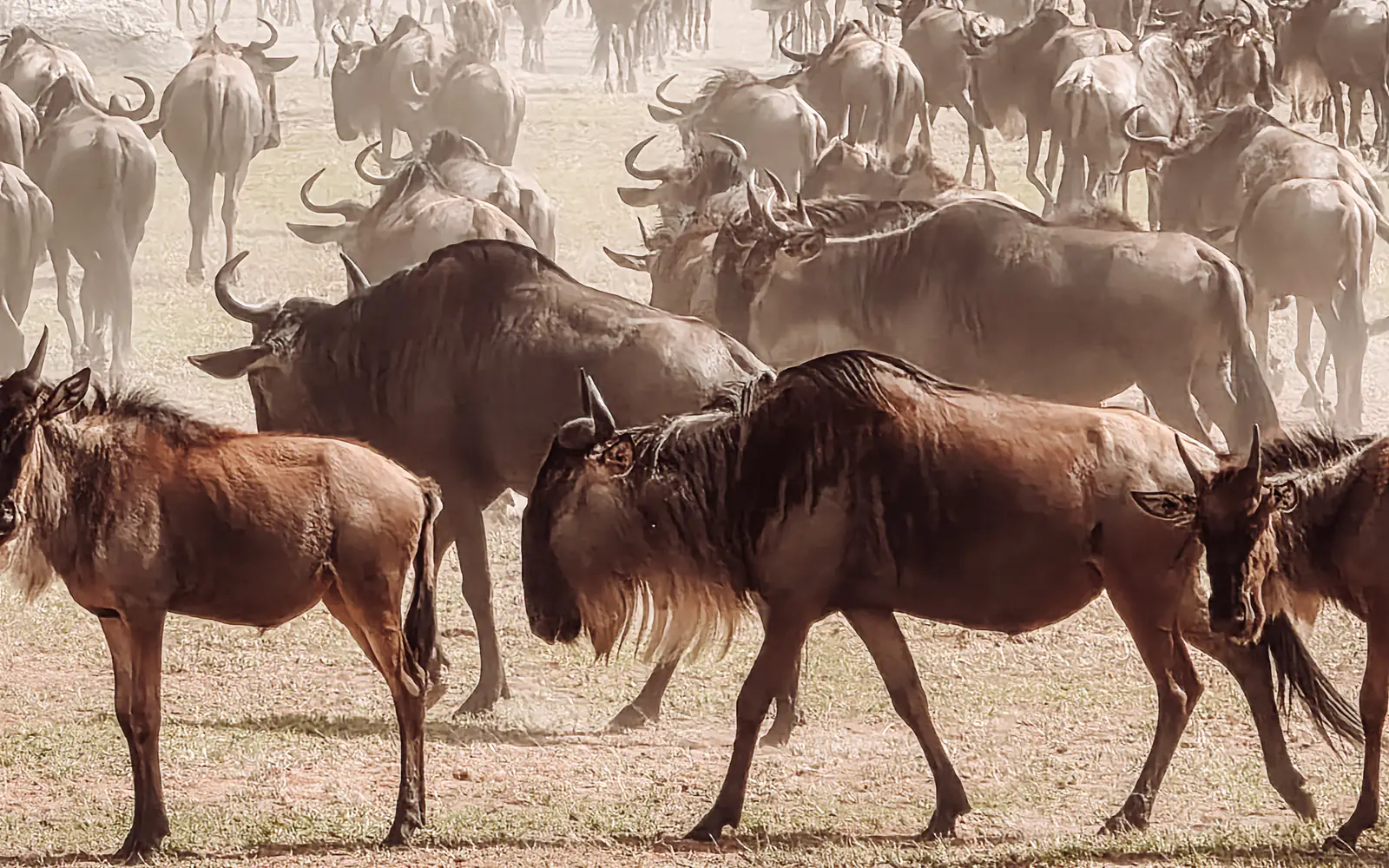
Northern Serengeti, Mara River crossing season begins. Here is what July actually delivers — weather, where the herds are, how busy the parks get and what it costs.
Dry season · Month guide
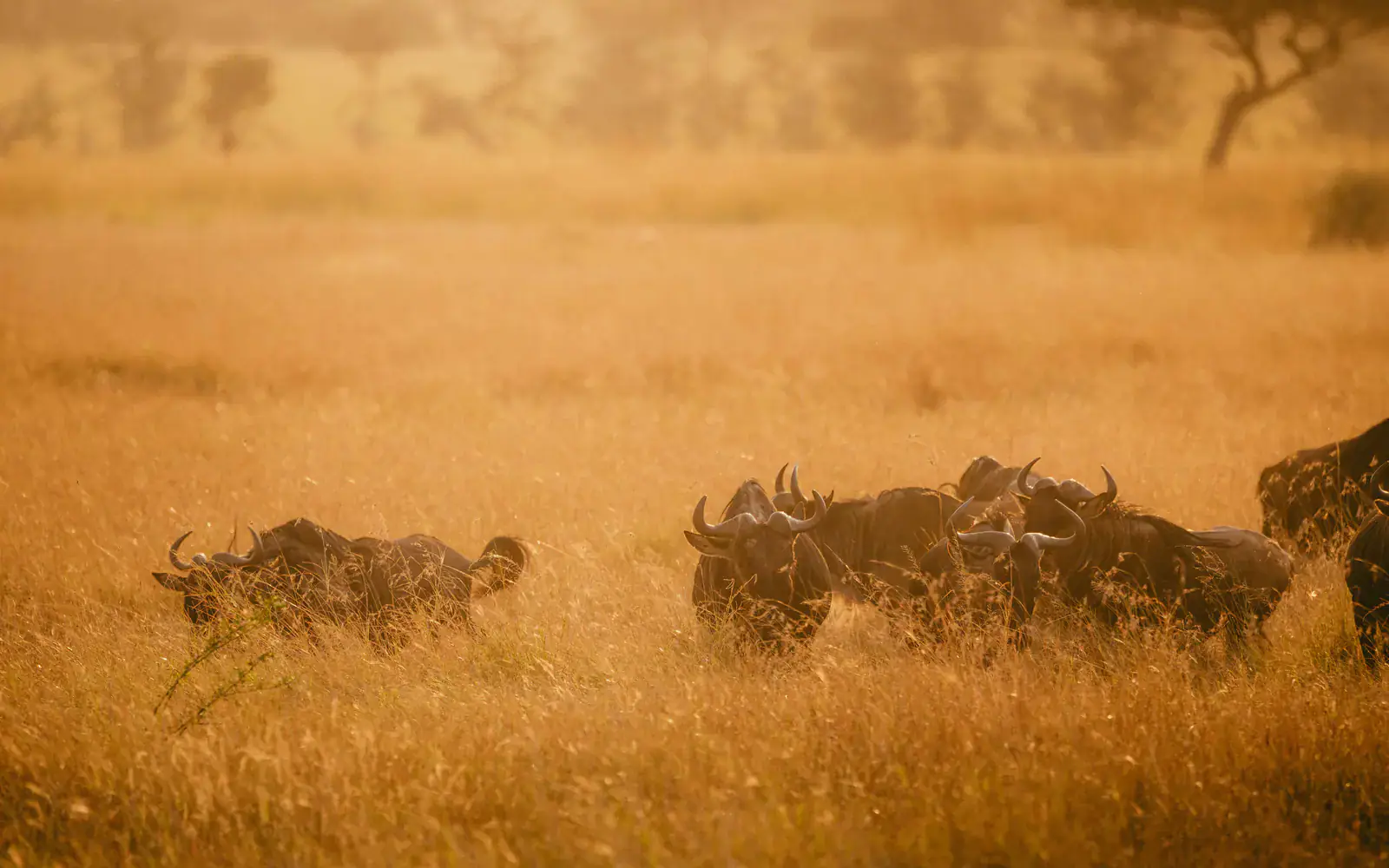
July is a dry-season month in Tanzania. Herds reach the north; crossings can start but are never guaranteed on a given date. Dry and cool — the most predictable safari weather of the year.
How this month rates for wildlife viewing, quiet parks and value compared with the rest of the year.
Herds reach the north; crossings can start but are never guaranteed on a given date.
High.
Planning scores from 1 (low) to 5 (high)
These are planning scores, not guaranteed wildlife outcomes.
Compare your options across the year — each month has its own full guide.
Start of dry season without peak-season crowds
Read the June guide →Peak wildlife viewing and river-crossing chances
Read the August guide →| Element | Our recommendation | Why |
|---|---|---|
| Parks | Northern Serengeti (Kogatende), Ngorongoro, Tarangire | Herds reach the north; crossings can start but are never guaranteed on a given date. |
| Suggested route | Fly into or out of Kogatende to save roughly 10 hours of driving | Balances driving time against time in the game areas |
| Weather planning | Dry and cool — the most predictable safari weather of the year. | Pack layers; mornings are cold year-round in the highlands |
| Crowds | High. | Affects vehicle numbers at sightings and camp availability |
| Booking window | Peak season. Northern Serengeti camps book out 9–12 months ahead. | The best-positioned camps go first |
Planning guidance — we tailor the route to your exact dates.
Getting the region right matters far more than getting the exact date right. Tell us your July dates and we will place you where the wildlife actually is that week.
Ready to plan a July safari? Send us your dates.
Most disappointing safaris come from a handful of avoidable planning decisions.
In July the herds are around Northern Serengeti (Kogatende). A camp in the wrong region can put you hours from the action.
Tanzanian rain usually comes in short bursts. Full days lost to weather are rare.
Moving camp every night costs you the best light at both ends of the day.
Peak season. Northern Serengeti camps book out 9–12 months ahead.
Some remote camps close seasonally. Confirm before you plan a route around one.
Mornings in the crater highlands are cold in every month of the year.
Each of these is adjusted for July conditions, herd position and camp availability before we quote it.
Independent sources you can use to verify park, entry and destination details before you travel.
Official park rules, fees and opening information
Official destination and travel information
World Heritage listing and Serengeti ecosystem context
Background country context
General traveller context for Tanzania
Written and reviewed by the Safari Soles Tanzania planning team, based in Arusha and experienced in building private safari routes across the northern and southern circuits.
Continue with the guides travellers usually read next.
Send your dates, group size and travel style. A local Safari Soles planner replies with a route and a confirmed quote.