The Ultimate Kilimanjaro Packing List: Everything You Need For a Successful Climb

Embarking on an adventure to climb Kilimanjaro with Safari Soles Tours is an unforgettable experience, with Africa’s highest mountain providing breathtaking landscapes and unmatched views of the Tanzanian plains.

Mount Kilimanjaro is a challenging trek, and proper preparation is essential for a smooth and enjoyable climb to the summit — knowing exactly what to pack is a big part of that. To help you get ready for the climb of a lifetime, here is a comprehensive Kilimanjaro packing list covering everything from clothing essentials to footwear to rental gear.

Two hikers standing in the snow atop Mount Kilimanjaro.

Kilimanjaro Clothing Essentials

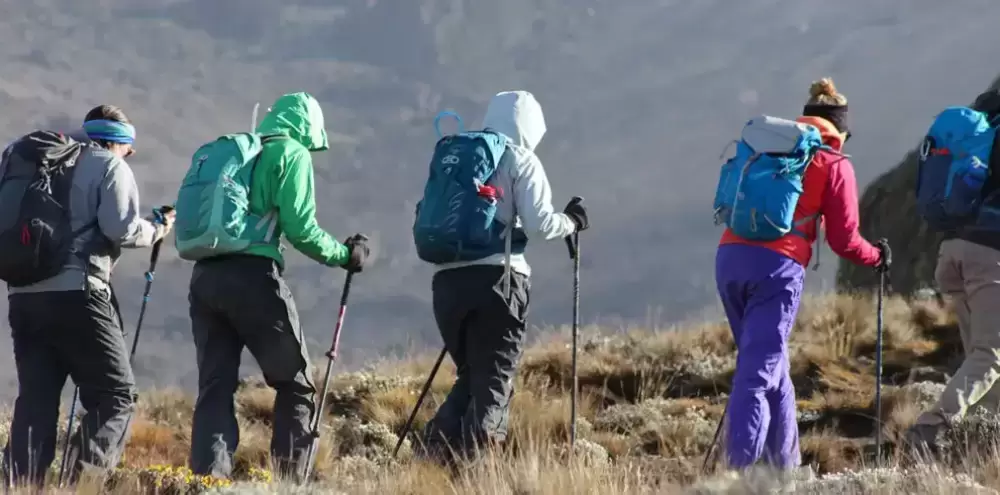
We recommend wearing three layers when climbing Kili: a base layer to keep you dry, a middle layer to trap body heat, and an outer layer to protect from the elements. This way, you can easily take off layers if you get too warm while trekking, and add layers back if you get chilly in the evenings. Temperatures at night regularly drop below freezing, so additional warm clothing, such as gloves and beanies, is vital for staying warm.

Clothing essentials for Kilimanjaro include:

  • Base Layers: Moisture-wicking tops and bottoms to regulate body temperature on the move.
  • Insulating Layers: Fleece or down jackets for warmth during cold nights at altitude.
  • Outer Shell: A waterproof and windproof jacket and pants to protect against harsh mountain weather.
  • Hiking Pants: Lightweight, breathable pants for all-day comfort on the trail.
  • Headwear: A sun hat, beanie, buff, or scarf for sun protection and warmth.
  • Gloves: Thermal gloves to keep your hands warm, especially during summit night.

Hiking Boots for Kilimanjaro

  • Hiking Boots: Sturdy, waterproof boots with ankle support for navigating rugged terrain. Highly recommended hiking boot brands for climbing Kili include Asolo and Salomon.
  • Socks: Moisture-wicking socks to prevent blisters and keep feet dry throughout the trek.

A hiker at the summit marker atop Mount Kilimanjaro on a sunny day.

Kilimanjaro Hiking Gear

Choosing the right Kilimanjaro hiking gear can make or break your climb. Here's what to bring:

  • Backpack: A comfortable, durable pack with a 40 to 50 liter capacity for your daily essentials.
  • Sleeping Bag: A high-quality sleeping bag rated for sub-zero temperatures for a good night's rest.
  • Sleeping Pad: An insulated sleeping pad for added warmth and comfort on cold nights.
  • Trekking Poles: Adjustable poles for stability and support on both ascents and descents.
  • Headlamp: Critical for navigating in the dark during early morning summit attempts.
  • Water Bottles or Hydration System: Reusable bottles or a hydration pack to stay well hydrated on the trail.
  • Sunglasses: UV-protective sunglasses to shield your eyes from intense glare at higher altitudes.
  • Camera or Smartphone: To capture Kilimanjaro’s incredible landscapes and views.

Personal and Miscellaneous Items

Personal Items

Personal items include home comforts, items, and documents necessary for traveling in Tanzania. Unmissable personal items for Kilimanjaro include:

  • Toiletries: Travel-sized essentials including a toothbrush, toothpaste, biodegradable soap, and hand sanitizer.
  • Sunscreen: High-SPF sunscreen to protect your skin from strong UV rays at higher elevations.
  • Lip Balm: SPF lip balm to prevent chapping in the dry mountain air.
  • First Aid Kit: Pain relievers and altitude sickness medication as a precaution.
  • Personal Medications: Any prescribed medications needed for the duration of the trek.
  • Documentation: Passport, visa (if required), yellow fever vaccination card (if required), travel insurance, and climbing permits.

Note: A registered guide is required to climb Kilimanjaro. Solo attempts are not permitted. You can book one of our Kilimanjaro climbing packages here.

Miscellaneous

Rounding out your Kilimanjaro climbing gear with a few practical extras can go a long way:

  • Cash: Local currency for tipping your guides and porters, and for purchasing souvenirs.
  • Energy Bars & Trail Mix: High-energy snacks to keep you fuelled between meals on the trail.
  • Trash Bags: Pack out all waste and do your part to keep the mountain clean.
  • Ziploc Bags: Keep important items dry and neatly organized inside your pack.
  • Portable Charger: Ensure your devices stay charged so you never miss a moment worth capturing.

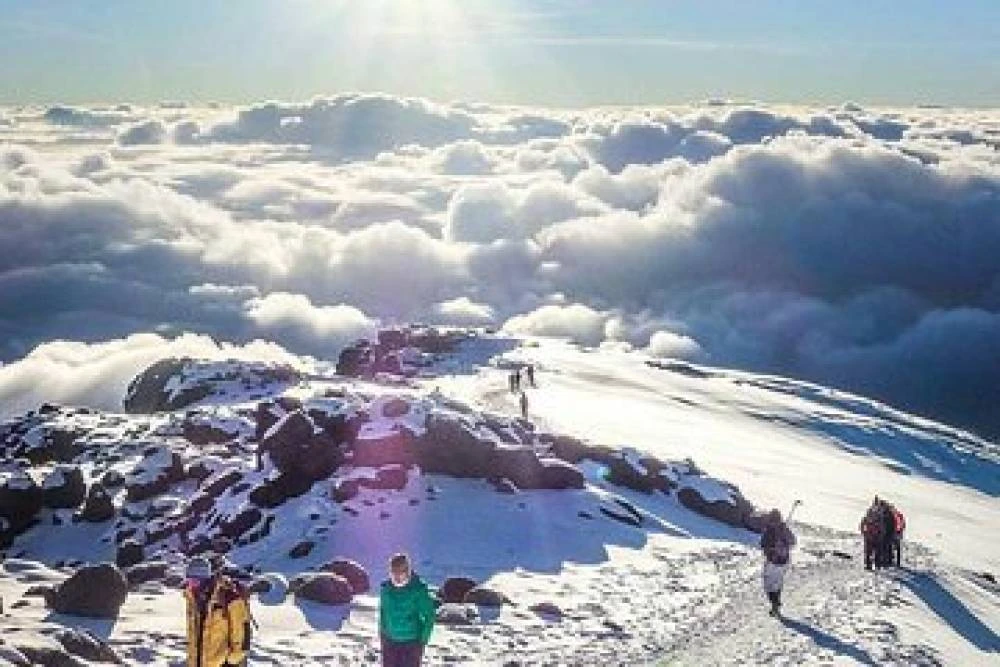
A group of hikers walking single file on the snowy slopes of Mount Kilimanjaro.

Kilimanjaro Gear Rental

Forgot to bring the Kilimanjaro climbing essentials? Below is a list of Kilimanjaro climbing gear and its rental prices. All prices are estimates and are charged per climb, not per day. Figures vary between operators (sometimes by $5–10 per item), so treat this list as a rough guide.

Payment is typically cash USD only; credit cards are generally not accepted. Sizes (clothing and boots) should be confirmed in advance, as the availability of specific sizes can’t be guaranteed. Book rental gear a day or two before your trek to allow time to check fit and inspect equipment.

ItemPrice (USD)
Rucksack / daypack$15
Duffel bag$20
Waterproof daypack cover$5
Sleeping bag (4-season, rated to −15°C/59°F)$25
Long underwear / thermal top$8
Fleece pants$5
Sweater / pullover$10
Socks$4
Warm jacket / down jacket$15
Warm jacket (Gore-Tex)$10
Raincoat / waterproof jacket$10
Rain pants / waterproof trousers$10
Poncho - heavy / western$8
Poncho - light / local$8
Balaclava$4
Gloves (thin liner + thick waterproof pair)$10
Hat or neck scarf$7
Gaiters$8
Hiking boots$30
Hiking poles (pair)$10
Torch / headlamp (batteries not included)$10
Water bottle$5