rivers lakes - Page 1

Lake Natron

Lake Natron

Tanzania

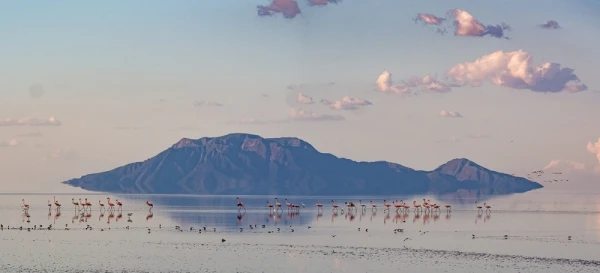
A soda lake at the base of the volcanic active Mount Ol Donyo Lengai, the area around Lake Natron is often described as having a desolate and almost lunar beauty. Lake Natron is found in the northern part of Tanzania. The nearest towns to Lake Natron are Arusha in Tanzania and Magadi in Kenya. It is the most important breeding site for Lesser Flamingos in the world. East Africa has 1.5-2.5 million Lesser Flamingos, representing three-quarters of the world population and most of them are hatched at Lake Natron. Why Visit Lake Natron?·         Lake natron is a scenic beauty,·         Walks around the lake and to the streams and waterfalls along the nearby escarpment make for a fantastic adventure off the beaten track.·         There are a number of campgrounds near the lake, which is also the base for climbing Ol Donyo Lengai.·         Three quarters of Lesser Flamingos in the world.·         Able to visit Maasai village.·         To see the wildest animals, birds.  Lake natron flamingo seasonThe dry season is the best time to see flamingoes at lake natron. The coolest months are June through August. The flamingos of Natron lay their eggs normally during the end of the dry season in September and October. Things to do at lake natron1.   Bird watching: Lake natron is the best destination for bird enthusiasts especially those fond of flamingos (Flamingo walk on the shore of the lake).2.   Hiking: Tourists visiting lake natron can have fun hiking up to the engare sero waterfalls, the top of the waterfalls provides you with outstanding photo opportunities and also majestic views of lake natron.3.   Picnicking can be done when visiting lake natron. The great rift valley hiking trail will lead you to dramatic picnic sites on top of Lengai hike the rift valley wall on foot and then descend using another route to the valley.4.   Cultural tours/ traditional village Maasai. You will be able to discover the traditional life of the Maasais, their culture, and their traditions and visit their bomas (grouping of huts of an extended family). You will be able to participate in the milking of animals when they come back from pastures. Maasai women will offer you the purchase of their handmade Maasai jewelry. The children will be happy to escort you. You will have to ask for their permission and expect to have to buy jewelry to photograph them.5.   Visit the archaeological sites: historical sites and archeology, can walk to the hominid footprints believed to be over 1000, 000-year-old6.   Maasai BBQ. Maasai people love meat and with them, you can observe and learn about how they slaughter a goat, drink fresh blood, and slowly cut out each piece of meat that they will then barbecue around open fire. As they do the barbecue, warriors will sing and dance their traditional songs for you.7.   Camping and camel safari.8.   You can swim in the natural pool of spring water.9.   Visit Ol Doinyo Lengai. The climb of this active volcano takes place at night.10.      You can watch the splendors as this avifauna hunt for food and fill the skies with a specular display of pink and subtle.  Getting to Lake NatronYou can hire a private vehicle from Arusha to Lake natron, it is best to visit lake natron as part of your Tanzania northern circuit safari extension. so best to plan it in advance with your safari. 

  Rate : $780 to $3655

  Best time : June - October

  High season : no crowds year out

Lake Nyasa

Lake Nyasa

Tanzania

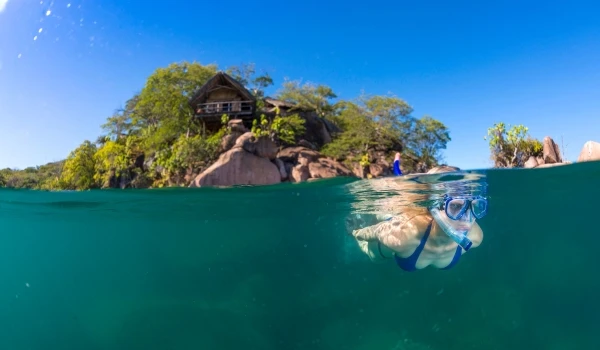
Lake Nyasa is one of the African Great Lakes. It is located between Tanzania, Malawi, and Mozambique. It is the southernmost lake in the East African Rift (EAR) system. The lake is also called Lake Malawi and Lago Niassa in Malawi and Mozambique, respectively. Lake Nyasa is between 350 miles (560 km) and 360 miles (580 km) long and approximately 47 miles (75 km) wide at the widest point. Lake Malawi’s total surface area is about 11,400 square miles (29,600 sq. km).By volume, Lake Nyasa is the 5th largest freshwater lake globally. By area, it is the 9th largest lake globally and ranks as the second deepest and the 3rd largest lake in the African continent. Globally, no other lake has as many fish species as Lake Nyasa, including not less than 700 cichlid breeds. The Mozambique government officially declared the Mozambique part of the lake a reserve on the 10th of June 2011. In Malawi, a section of Lake Nyasa is part of the Lake Malawi National Park.Lake Nyasa is considered a non-mixing lake (meromictic) because the water layers don’t mix. Moderately small thermal and chemical ingredients maintain the unending stratification of the lake’s water as well as the oxic-anoxic borderline (relating to the water’s oxygen content). Creatures found in Lake Nyasa:Creatures found in Lake Nyasa and surrounding areas include monkeys, hippopotami, Nile crocodiles, and a large number of African sea eagles that prey on the lake’s fish. Things to do at Lake Nyasa:FishingSwimmingCanoeingBeach HikingVillage walking safariSnorkelingBoat ridingKayakingScuba divingSailingCampingWater skiingTrips to the islandsBeach football  Interesting facts about Lake Nyasa:Lake Malawi is the ninth-largest lake in the world and the third-largest lake in Africa.Lake Malawi is between 560 kilometers (350 miles) and 580 kilometers (360 miles) long, and about 75 kilometers (47 miles) wide at its widest point.Lake Malawi is a meromictic lake (water layers do not mix). The lake has three layers, with different densities due to variations in temperature at each depth.It has about 1,500 kilometers (930 miles) of shoreline.Lake Malawi is very beautiful and is appealing to tourists because of its islands and beaches. Some of the essential activities offered by the local resorts include snorkeling, boat riding, kayaking, scuba diving, sailing, camping, water skiing, trips to the islands, beach football, and many other water activities. Importance of Lake Nyasa to its People:As you might expect, Lake Nyasa is important to the locals for many reasons. The lake has been a key source of food for hundreds of years, and every day you’ll see fishermen out on the lake casting their nets and reels.There are also many tourist resorts and hotels that the lake supports. Unsurprisingly a lot of the staff are from the surrounding villages. This means you’ll be able to meet many locals and perhaps even explore some of the local villages. Best Time to visit Lake Nyasa:Generally speaking, the best time to head to the country of Tanzania is between early May to late October. This also means the highlands will be accessible to you if you are planning to spend more time around the country. Avoid Lake Nyasa in January and February, as this is when the rainy season hits. 

  Rate : $ to $

  Best time : June - October

  High season : no crowds year out

Lake Momela

Lake Momela

Tanzania

The largest of several alkaline lakes that are located inside Arusha national park of northern Tanzania. It serves as a tourist hotspot, with several animals to see including both greater and lesser flamingoes, hippos, and several other bird species. It has a maximum and minimum depth of 31 m and 10 m respectively and also supports microalgae.Big Momella is located next to the northeastern border of Arusha national park, and next to its siblings small Momella and lake Rishateni. In fact, the eastern shore of the lake is land belonging to a farmer’s settlement.BEST TIME TO VISIT:In general, the best time to visit Arusha National Park is from June to October – the dry season when the animals are easier to observe as they congregate.WHY VISIT?After visiting Momella lake Gets the chance to see:Hundreds of flamingos rise to the sky with their pink color.You may also see hipposGiraffes and watch them in their natural habitat.Enjoy a sundowner with a magnificent view of Mt. KilimanjaroWHAT YOU CAN DO/DO ACTIVITIES?·    Game drives around it and its neighboring lakes Ristasheni and with several viewpoints, campsites, and picnic sites from which you could spend time.·         Visit the cave waterfall. The cave falls are a waterfall as well as one of the many water sources for the Arusha Urban Water Supply Authority that are located just a short distance inside the Arusha national park and on the slopes of mount Meru – Tanzania.·         Kilimanjaro view point (Arusha). A beautiful picnic site on the slopes of mount Meru that provides amazing views of Mount Kilimanjaro from afar, but only on a day with clear skies. More reliable views are those of most of Arusha national park’s lowlands from an elevated altitude, along with that of the Ngurudoto crater rim.·         Also, you can choose to visit waterfalls inside the park Tulusua waterfalls, Maio waterfalls, Napuru waterfalls·         Momella view point·         Boating and Canoeing Glide through pink colonies of chattering flamingos, approach grazing buffalo on the shoreline and enjoy the company of snorting hippos.·         Walking Safaris, the African bush on foot, the sounds and smells of nature – feeling the elements and close encounters with the game is the most evocative safari experienceGetting to Lake MomellaStart from Arusha to Arusha national park by vehicle, with no preference for 4 x 4’s over conventional 2-wheel drives. You could then reach lake Momella once in the Arusha national park  

  Rate : $ to $

  Best time : June - October

  High season : no crowds year out

Lake Victoria

Lake Victoria

Tanzania

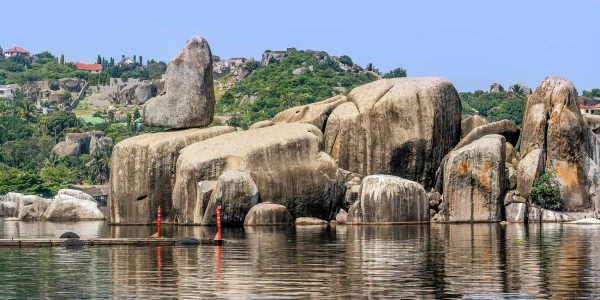
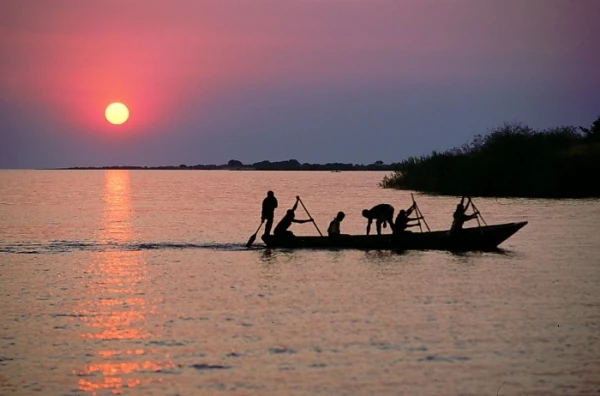
Also known as “Victoria Nyanza,” Lake Victoria is the largest lake in Africa and the second largest freshwater lake in the world after Lake Baikal the lake was renamed Lake Victoria after Queen Victoria by the explorer John Hanning Speke, the first British to document it. The lake borders Uganda, Kenya, and Tanzania, this expansive body of water stretches into the horizon and appears more like a sea than a lake.The lake is characterized by calm waves punctuated by many small, lush islands that play host to a rich variety of wildlife. A perfect place to while away relaxed evenings as the red African sun sinks out of view, Lake Victoria is as interesting as it is healing. Lake Victoria covers a huge area of 26,600 square miles and has a shoreline that runs for over 18000 around three countries.Lake Victoria is a haven for wildlife. Alongside a spectacular collection of birdlife and wetland animals, such as the clawless otter and sitatunga, the lake hosts a number of native species such as cichlid, Lake Victoria deep water catfish dwelling at the bottom of the lake which is 80 meters as it is deep. The introduction of the Nile perch to the lake leads to the near extinction of the catfish.Did you know?The longest river on earth, river Niles begins at Lake Victoria.WHY VISIT LAKE VICTORIA?The following factors are what make Lake Victoria so special and worth a visit. History of the place, cultural wealth, and spectacular wildlife. Also, Lake Victoria is special for being one of only two places in East Africa where it’s possible to watch the sunset over water without being on the coast! Lake Turkana in Northern Kenya is the other.THINGS TO DO IN LAKE VICTORIA.Lake Victoria has three island shores (Ukerewe, Rubondo, and Ukara) which they worth a visit. Different activities can be done in the area.Bird Watching.This lake has a variety of bird species, which makes it a great place to go for bird watching. Many tourists visit Lake Victoria to see birds such as the Shoebill Stork. You can also just grab a pair of binoculars and look out from one of the beaches. Since the lake has tropical highlands above it.Visiting Rubondo island National park for chimpanzees.Did you know that chimpanzees are found on one of Victoria’s islands? Yep, Rubondo Island is home to these stunning primates, the chimpanzees. The park is known for its rich and diverse variety of butterflies and bird life. All of which are easily viewed from this relaxing lakeshore setting. It is also known for the rare and highly endangered Sitatunga, an amphibious antelope that hides and camouflages itself in the lakeshore swamps. Other animal species found in the area include elephants, giraffes, hippos, chimpanzees, pythons, bushbucks, crocodiles, bush pigs, and Suni.Mwanza City.Lake Victoria borders Tanzania’s East African neighbors Uganda to the northwest, and Kenya to the northeast. Mwanza is the canter of the Sukuma, the largest tribe in Tanzania. They have inhabited and farmed the region for many centuries and cultural tourism programs to their local villages and farms are available through local centers. The city also makes a good starting point from which to explore nearby Rubondo Island, National Park.Fishing safaris at Lake Victoria.Lake Victoria offers the opportunity for hooking one of the world’s largest freshwater fish the Nile Perch. anyone with some free time and interest can enjoy this day out. You can do a full-day excursion for “catch and release” of Nile Perch for over 12 years.Ukerewe Island.It is the largest island in Lake Victoria and the largest inland island in Africa, with an area of approximately 530 km². This Island is situated in the Ukerewe District, nearly 50 km north of Mwanza to which it is linked by ferry, and it takes 3 to 4 hours to travel.Kayaking.Doing kayaking on the largest lake in Africa is something not to miss out on. Spend your time paddling across Lake Victoria and experiencing the stunning shoreline with amazing abundant bird species and amazing landscapes.Sunset tour.Lake Victoria is among the only two places in East Africa where you will get a chance to view a stunning sunset. Cruise on the largest lake in Africa. Lake Victoria offers a sunset cruise for guests from 4 p.m. daily and lasts for at least an hour and a half.Village visits.Join in the daily rhythm of local life as villagers perform a colorful local dance or simply absorb the lush landscapes. Experience local life by visiting villages that are found on the shores of Lake Victoria, and the daily activities include fishing and trading in Nile Perch and Tilapia.Engage yourself in the forest on a guided walk or hike.Get more connected to nature by venturing yourself on a nature-guided walk. Here you will get more chances to explore the area. Learn more about the birds and plants of the area.

  Rate : $3000 to $4500

  Best time : June - October

  High season : no crowds year out

Lake Chala

Lake Chala

Tanzania

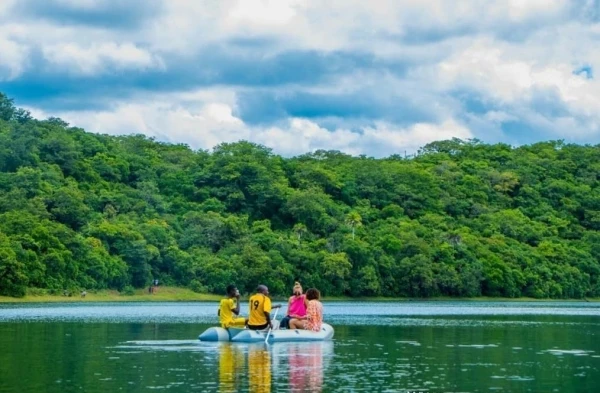
Lake Challa is a unique caldera lake, surrounded by a 100 meters high crater rim. This lake straddles the border between Tanzania and Kenya. This lake is 49km from Moshi town in Tanzania & 8km from Taveta, Kenya providing the perfect getaway from the towns to soak up nature’s beauty.This lake has a great diversity of life, from lush lake shore forest to stunning volcanic savannah from river beds marvelously carved through ancient rock, to thick bushes or open. Walking at Lake Challa is a magical experience that will put you back in touch with nature.The water flows in and out of the lake through the grounds believed to be coming from Mount Kilimanjaro springs. Depending on the time of year the lake’s color ranges from deep blue to turquoise and green. Things you can do at lake Challa·         Walking and hiking, the scenery around the lake have small hills you can hike to, also being a crater lake you will have to descend to and ascend from the lake providing a tremendous short hike adventure.·         Canoeing, with fewer visitors canoeing at the lake is great and peaceful.·         Swimming, a swim is a tempting activity at the lake but advised to be a good swimmer before you decide to dive into the challa waters.·         Sightseeing, the scenery around the lake is beautiful, and you can relax and enjoy the lake views from the crater rim.Getting to lake challaBeing at the border between Tanzania and Kenya this lake can be accessed from either country, the best way to get to lake challa will be by hiring private transportation from the nearby towns (Moshi in Tanzania & Taveta in Kenya) as there is no public transportation to the area which is quite remote. It is an hour and 40 minutes drive from Moshi town.Accommodation at Lake Challa;There are not many accommodations near the lake. One we would recommend is lake challa safari lodge and campsite located just at the crater rim it will be a perfect place to stay while you soak up the beauty of challa.  

  Rate : $420 to $420

  Best time : June - October

  High season : June - October

Lake Tanganyika

Lake Tanganyika

Tanzania

Lake Tanganyika is the second largest in Africa after the great Lake Victoria in Tanzania. It is also the longest freshwater lake in the entire world (660 km) and the second deepest (4,710 feet &1,436 meters) after lake Baikal in Russia.The lake occupies the southern end of the western great rift valley, and for most of its length, the land rises sharply from the shores. The majority of the lake spread between Tanzania at 46% and the Democratic Republic of the Congo (DRC) at 40%. The other two countries possessing the lake are Burundi and Zambia. Its waters flow into the Congo River system, ultimately ending up in the Atlantic Ocean.Did you know?Lake Tanganyika water is extremely clear, allowing you to see beneath the surface up to 20 meters. You can see massive boulders, spectacular drop-offs, and a shell-covered bottom.Why Visit Lake Tanganyika?Chimps and other wildlife:Gombe Stream and Mahale National Parks are both found on the Lake Tanganyika shores and have populations of Chimpanzees. Also, Katavi National Park is in the southern part of the lake, just a 2-3 hour drive from Kipili village. The listed parks found on the shores of the lake is home to the most amazing African animals such as Elephant, lions, and leopard.Culture and People of Tanganyika.Western Tanzania is remote and relatively undiscovered. There is something mysterious and magnetic about Lake Tanganyika. Little traveled and little known to the outside world, the people still hold old beliefs true. It is a place where Christianity and Witchcraft live hand in hand.Lake Tanganyika is also a well-renowned place for freshwater angling with the sheer number of fish in the lake matching the variety of species. Amongst the favorites are the nkupi, the goliath tiger fish, and, perhaps above all, the Nile perch, which can reach up to 80kg in weight. There is a very popular fishing competition that takes place in April each year, hosted at Ndole Bay Lodge. Here are some suggestions of what to do when you are in the area.Things to Do at Lake Tanganyika:Snorkeling in Lake Tanganyika.Not only will you get a chance to cool off and spend time on the white sand beaches of Lake Tanganyika but also you will get time to see and experience some amazing and beautiful underwater sights. Snorkeling is a magical experience all on its own, but in the clear waters of Lake Tanganyika, you will truly feel as if you have been transported to another world.Sports fishing and many more water sports.Lake Tanganyika Gives an abundant population of fish species lives in the area. It’s no surprise that sport fishing is quite popular here as well. Fishing fans can enjoy the thrill of the catch, from Goliath Tigerfish to Nile perch.Kayaking.Doing kayaking on the longest lake in the world and the second deepest lake in the world is something not to miss out on. Spend your time paddling across Lake Tanganyika and experiencing the stunning shoreline with amazing abundant bird species and amazing landscapes.Sunset tour.Lake Tanganyika will give you another side and options to cruise on Ndole Bay, found on the shores of Lake Tanganyika. It offers a sunset cruise for guests from 4 p.m. daily and lasts for at least an hour and a half.The Marine Life.The lake has more than 350 species of fish, including Small Nile Perch, Giant Nile Perch, Goliath Tiger, English Fish, Kapenta, Bichir, and the Lake Tanganyika yellow-belly. There are also a great variety of invertebrates like mollusks, crabs, copepods, shrimp, jellyfish, and leeches.Best Time to Visit Lake Tanganyika:The best time to visit and enjoy the lake is from late June to October. July to October is considered the peak season as there is plenty of sunshine which makes it more allure for cruising the area.May to October:Little or no rain makes it more pleasant for a chimp tracking.Very few mosquitos at this time of yearNovember to April:This is the peak time for birding with many migratory species migrating to the area.Butterflies and insects are plentiful during this time.Tracks are wetter and more slippery at this time.April sees heavier rainfall and many lodges are closed.Getting to Lake Tanganyika.The only way of getting to Lake Tanganyika is either by flight or roads to Kigoma town, then after arriving at Kigoma you will then need to drive to your prepared accommodation. Visitors can reserve their international flights at Kilimanjaro International Airport (KIA) located in Arusha town or at Julius Nyerere International Airport (DAR) found in the capital city of Dar es Salaam.Where to Stay at Lake Tanganyika?Lake Tanganyika Hotel.Located town of Kigoma, the Hotel offers a peaceful haven within which guests can absorb and enjoy a combination of African culture and awesome natural beauty.The designed hotel gardens that stretch down to the vast waters of Lake Tanganyika and the never-ending golden sunshine are just a part of the immense charm that has earned the hotel such pride of place. It is a good place for those who seek romantic getaways.Kigoma Hilltop.Set on a remote kopje between acres of lush gardens and green forestry overlooking vast Lake Tanganyika, Kigoma Hilltop Hotel is the ideal escape for guests looking for comfort and relaxation in Kigoma’s Lake Tanganyika. Located 15 minutes from Kigoma Airport, and five minutes from Ujiji Town, the hotel is easily accessible for travelers.Lakeshore lodge and campsite.Another great option for spending a night when visiting Lake Tanganyika. A lakeshore camping facility is available just a few hundred meters from the shore under huge mango trees. Shaded sites are available, and the clean ablutions offer hot and cold showers.

  Rate : $ to $

  Best time : June - October

  High season : no crowds year out