Lake Tanganyika is the second largest in Africa after the great Lake Victoria in Tanzania. It is also the longest freshwater lake in the entire world (660 km) and the second deepest (4,710 feet &1,436 meters) after lake Baikal in Russia.
The lake occupies the southern end of the western great rift valley, and for most of its length, the land rises sharply from the shores. The majority of the lake spread between Tanzania at 46% and the Democratic Republic of the Congo (DRC) at 40%. The other two countries possessing the lake are Burundi and Zambia. Its waters flow into the Congo River system, ultimately ending up in the Atlantic Ocean.
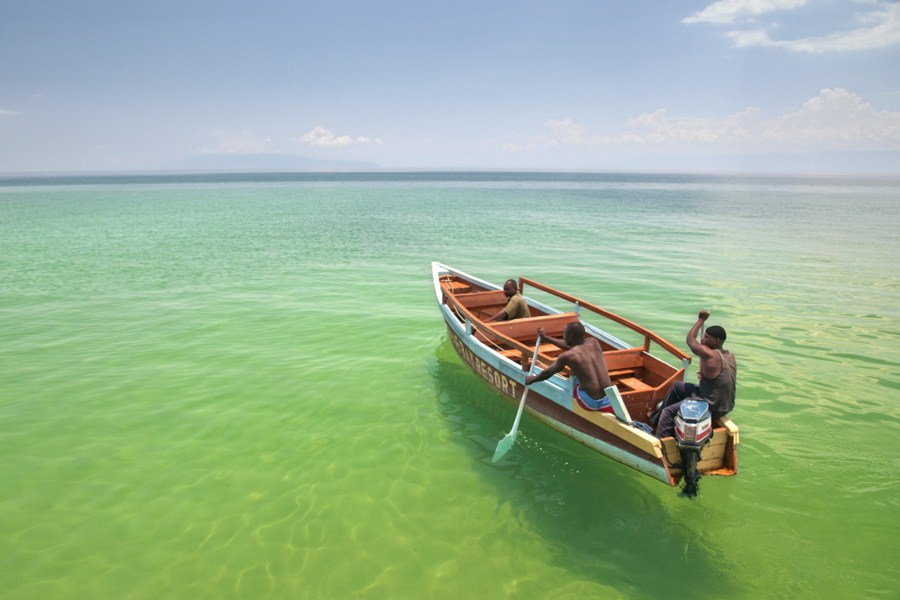
Did you know?
Lake Tanganyika water is extremely clear, allowing you to see beneath the surface up to 20 meters. You can see massive boulders, spectacular drop-offs, and a shell-covered bottom.
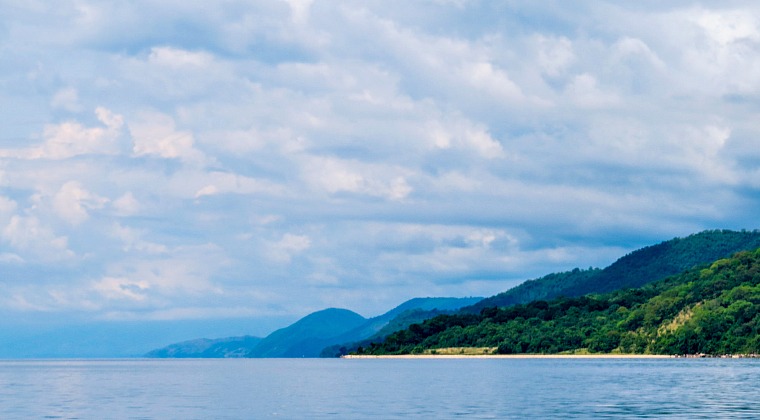
Why Visit Lake Tanganyika?
- Chimps and other wildlife:
Gombe Stream and Mahale National Parks are both found on the Lake Tanganyika shores and have populations of Chimpanzees. Also, Katavi National Park is in the southern part of the lake, just a 2-3 hour drive from Kipili village. The listed parks found on the shores of the lake is home to the most amazing African animals such as Elephant, lions, and leopard.
- Culture and People of Tanganyika.
Western Tanzania is remote and relatively undiscovered. There is something mysterious and magnetic about Lake Tanganyika. Little traveled and little known to the outside world, the people still hold old beliefs true. It is a place where Christianity and Witchcraft live hand in hand.
Lake Tanganyika is also a well-renowned place for freshwater angling with the sheer number of fish in the lake matching the variety of species. Amongst the favorites are the nkupi, the goliath tiger fish, and, perhaps above all, the Nile perch, which can reach up to 80kg in weight. There is a very popular fishing competition that takes place in April each year, hosted at Ndole Bay Lodge. Here are some suggestions of what to do when you are in the area.
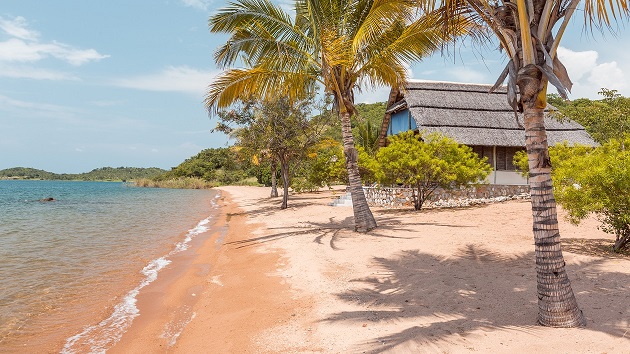
Things to Do at Lake Tanganyika:
- Snorkeling in Lake Tanganyika.
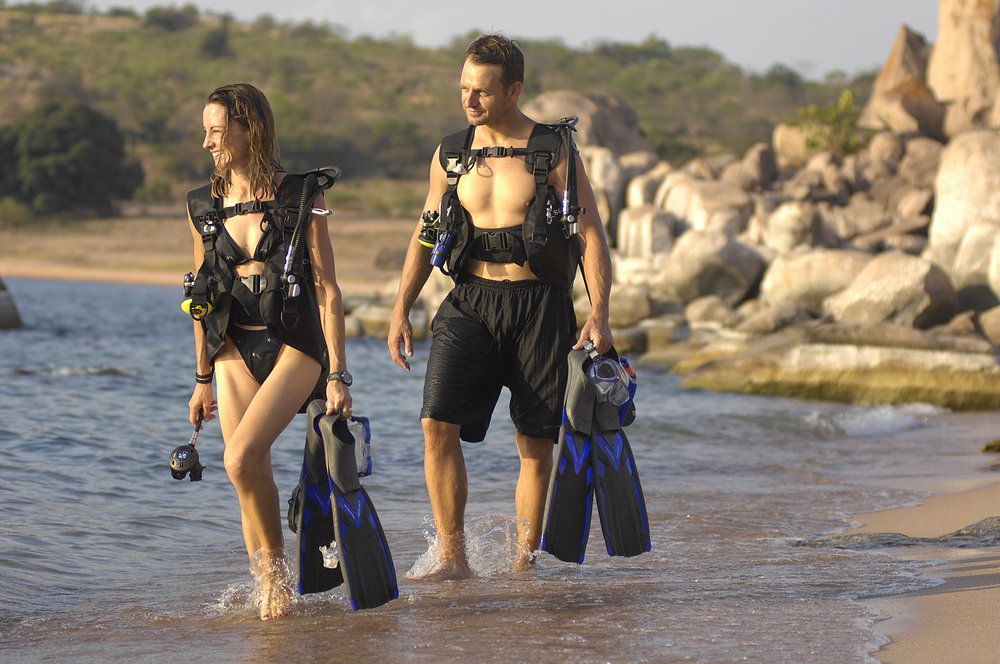
Not only will you get a chance to cool off and spend time on the white sand beaches of Lake Tanganyika but also you will get time to see and experience some amazing and beautiful underwater sights. Snorkeling is a magical experience all on its own, but in the clear waters of Lake Tanganyika, you will truly feel as if you have been transported to another world.
- Sports fishing and many more water sports.
Lake Tanganyika Gives an abundant population of fish species lives in the area. It’s no surprise that sport fishing is quite popular here as well. Fishing fans can enjoy the thrill of the catch, from Goliath Tigerfish to Nile perch.
- Kayaking.
Doing kayaking on the longest lake in the world and the second deepest lake in the world is something not to miss out on. Spend your time paddling across Lake Tanganyika and experiencing the stunning shoreline with amazing abundant bird species and amazing landscapes.
- Sunset tour.
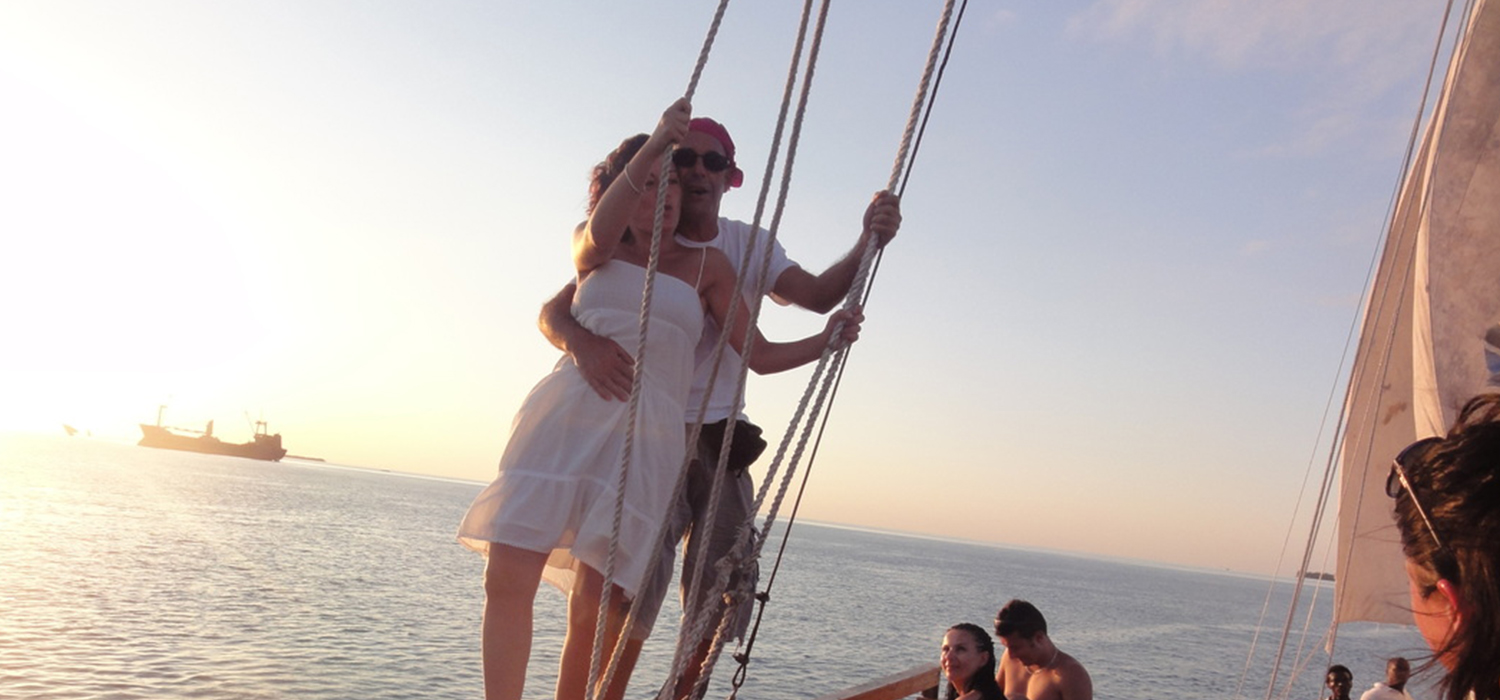
Lake Tanganyika will give you another side and options to cruise on Ndole Bay, found on the shores of Lake Tanganyika. It offers a sunset cruise for guests from 4 p.m. daily and lasts for at least an hour and a half.
- The Marine Life.
The lake has more than 350 species of fish, including Small Nile Perch, Giant Nile Perch, Goliath Tiger, English Fish, Kapenta, Bichir, and the Lake Tanganyika yellow-belly. There are also a great variety of invertebrates like mollusks, crabs, copepods, shrimp, jellyfish, and leeches.
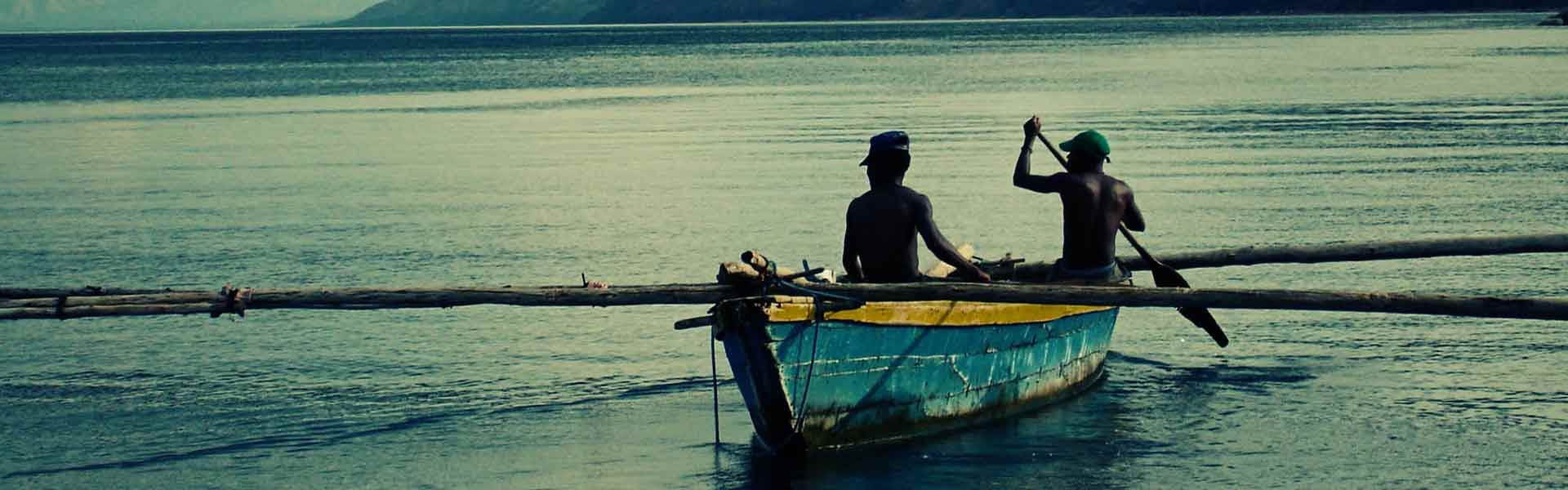
Best Time to Visit Lake Tanganyika:
The best time to visit and enjoy the lake is from late June to October. July to October is considered the peak season as there is plenty of sunshine which makes it more allure for cruising the area.
May to October:
- Little or no rain makes it more pleasant for a chimp tracking.
- Very few mosquitos at this time of year
November to April:
- This is the peak time for birding with many migratory species migrating to the area.
- Butterflies and insects are plentiful during this time.
- Tracks are wetter and more slippery at this time.
- April sees heavier rainfall and many lodges are closed.
Getting to Lake Tanganyika.
The only way of getting to Lake Tanganyika is either by flight or roads to Kigoma town, then after arriving at Kigoma you will then need to drive to your prepared accommodation. Visitors can reserve their international flights at Kilimanjaro International Airport (KIA) located in Arusha town or at Julius Nyerere International Airport (DAR) found in the capital city of Dar es Salaam.
Where to Stay at Lake Tanganyika?
- Lake Tanganyika Hotel.
Located town of Kigoma, the Hotel offers a peaceful haven within which guests can absorb and enjoy a combination of African culture and awesome natural beauty.
The designed hotel gardens that stretch down to the vast waters of Lake Tanganyika and the never-ending golden sunshine are just a part of the immense charm that has earned the hotel such pride of place. It is a good place for those who seek romantic getaways.
- Kigoma Hilltop.
Set on a remote kopje between acres of lush gardens and green forestry overlooking vast Lake Tanganyika, Kigoma Hilltop Hotel is the ideal escape for guests looking for comfort and relaxation in Kigoma’s Lake Tanganyika. Located 15 minutes from Kigoma Airport, and five minutes from Ujiji Town, the hotel is easily accessible for travelers.
- Lakeshore lodge and campsite.
Another great option for spending a night when visiting Lake Tanganyika. A lakeshore camping facility is available just a few hundred meters from the shore under huge mango trees. Shaded sites are available, and the clean ablutions offer hot and cold showers.