


Tanzania Visa & Travel Information
Visas, entry requirements, health preparation, money, airports and connectivity — everything you need to settle before your safari dates are locked in.
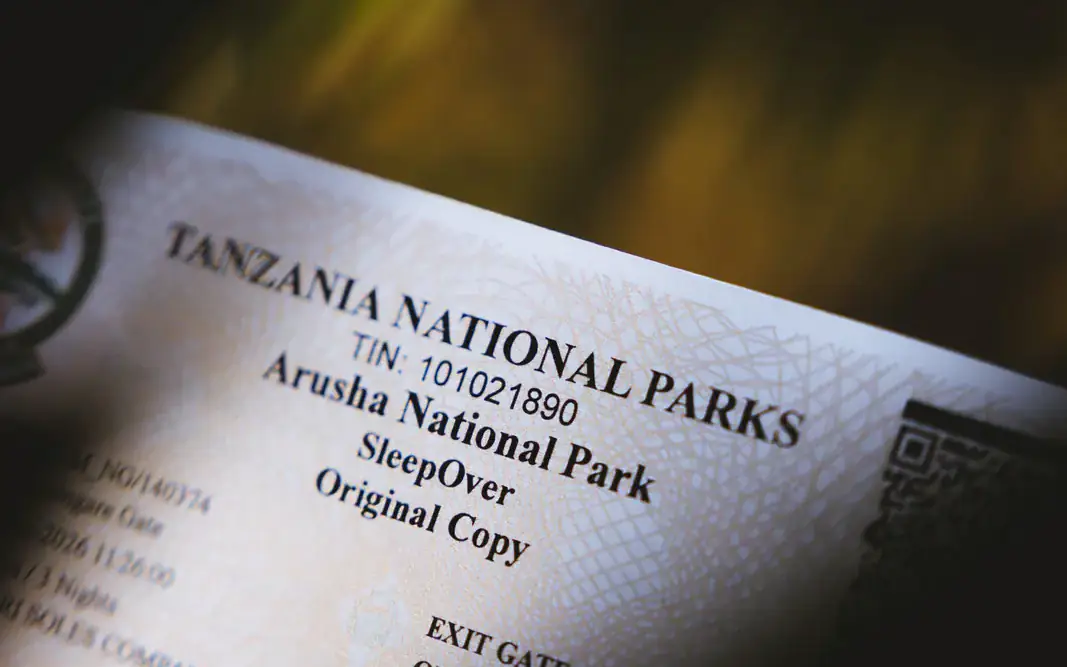
- Local Tanzania team
- Private safari planning
- Real Safari Soles routes
Planning Guide
Most travellers need a passport valid for at least six months, a Tanzania visa (e-visa in advance or visa on arrival for many nationalities), travel insurance with medical evacuation, and malaria prevention. Yellow fever proof is only required if you arrive from or transit a risk country.
- Apply for the e-visa around three weeks before travel
- US passport holders are normally issued the multiple-entry category
- Zanzibar requires its own inbound travel insurance
- Kilimanjaro (JRO) is the gateway for the northern circuit
- Bring USD in post-2009 notes for tips and extras
- Most nationalities need a visa for Tanzania, available online in advance or on arrival at major entry points.
- Your passport should have at least six months' validity beyond your travel dates and blank pages for stamps.
- A yellow fever certificate is required if you are arriving from, or transiting through, a country with risk of transmission.
- Malaria prevention should be discussed with a travel clinic well before departure — safari areas carry risk.
- Comprehensive travel insurance including medical evacuation is strongly recommended for safari travel.
- Requirements change: always confirm against official Tanzanian immigration and your own government's travel advice before booking.
Your travel requirement checklist
Select what applies to your trip. The checklist adapts to your passport, route and add-ons — tick items off as you confirm them.
0 of 8 requirements confirmed
Entry rules change. Always confirm current requirements with the official Tanzanian immigration service and your own government's travel advice before booking flights.
Book your international flights only once your safari dates are confirmed against lodge availability. Peak-season park permits and camps are the real constraint, and moving flights later is far more expensive than waiting a few days.
Airports, arrival and practicalities
| Airport | Best for | Typical transfer |
|---|---|---|
| Kilimanjaro (JRO) | Northern circuit safaris | 45–70 minutes to Arusha |
| Arusha (ARK) | Domestic connections to Serengeti airstrips | 15 minutes to town |
| Julius Nyerere (DAR) | Southern circuit and Zanzibar-first trips | Connections to Nyerere and Ruaha |
| Zanzibar (ZNZ) | Beach extensions after safari | 20–90 minutes depending on the coast |
- Best for
- Northern circuit safaris
- Typical transfer
- 45–70 minutes to Arusha
- Best for
- Domestic connections to Serengeti airstrips
- Typical transfer
- 15 minutes to town
- Best for
- Southern circuit and Zanzibar-first trips
- Typical transfer
- Connections to Nyerere and Ruaha
- Best for
- Beach extensions after safari
- Typical transfer
- 20–90 minutes depending on the coast
| Topic | What to know |
|---|---|
| Currency | USD widely used for tourism; shillings for local spending |
| Cards | Accepted at most lodges; carry cash for tips and remote areas |
| Electricity | 230V, UK-style Type G plugs |
| Connectivity | Good in towns, patchy inside parks; eSIMs work well |
| Language | Swahili and English are both widely spoken |
| Tipping | Customary for guides and camp staff, paid in USD or shillings |
- What to know
- USD widely used for tourism; shillings for local spending
- What to know
- Accepted at most lodges; carry cash for tips and remote areas
- What to know
- 230V, UK-style Type G plugs
- What to know
- Good in towns, patchy inside parks; eSIMs work well
- What to know
- Swahili and English are both widely spoken
- What to know
- Customary for guides and camp staff, paid in USD or shillings
Entry and health requirements change. Confirm current rules with Tanzania's official immigration service and your own government's travel advice before booking.
We'll confirm the current entry requirements for your nationality alongside your itinerary.
Common mistakes to avoid
Most disappointing safaris come from a handful of avoidable planning decisions.
- 01
Leaving the visa to the last week
E-visa processing can take longer in busy periods. Apply about three weeks ahead.
- 02
Passport close to expiry
Six months' validity beyond arrival plus a blank page is the standard requirement.
- 03
Insurance without evacuation cover
Remote camps rely on air evacuation, which basic policies often exclude.
- 04
Forgetting Zanzibar's own insurance
It is a separate mandatory purchase from your regular travel policy.
- 05
Bringing old USD notes
Pre-2009 and worn notes are widely refused across Tanzania.
- 06
Assuming constant connectivity
Mobile data works in most towns but is patchy inside the parks. Plan for offline days.
Trips these requirements apply to
Entry requirements are the same whichever route you choose; insurance and health planning change with the activities involved.
Useful official resources
Independent sources you can use to verify park, entry and destination details before you travel.
- Tanzania Immigration Department
Official entry, passport and visa rules
- Tanzania eVisa portal
Official online visa application
- Tanzania Tourist Board
Official destination and travel information
- TANAPA — Tanzania National Parks Authority
Official park rules, fees and opening information
- Wikivoyage — Tanzania
General traveller context for Tanzania
Local Tanzania planners, real routes, honest guidance
Written and reviewed by the Safari Soles Tanzania planning team, based in Arusha and experienced in building private safari routes across the northern and southern circuits.
- Reviewed by Safari Soles Tanzania planning team
- Updated for 2026 safari planning
- Based on local Tanzania safari planning experience
- Private vehicles, own guides and on-trip support
Related Safari Soles guides
Continue with the guides travellers usually read next.


Frequently asked questions
Paperwork sorted? Let's build the safari.
Send your dates, group size and travel style. A local Safari Soles planner replies with a route and a confirmed quote.