


How to Plan Your Tanzania Safari
A clear order of decisions — dates, days, route, comfort level and budget — so your itinerary is built around wildlife time rather than driving time.
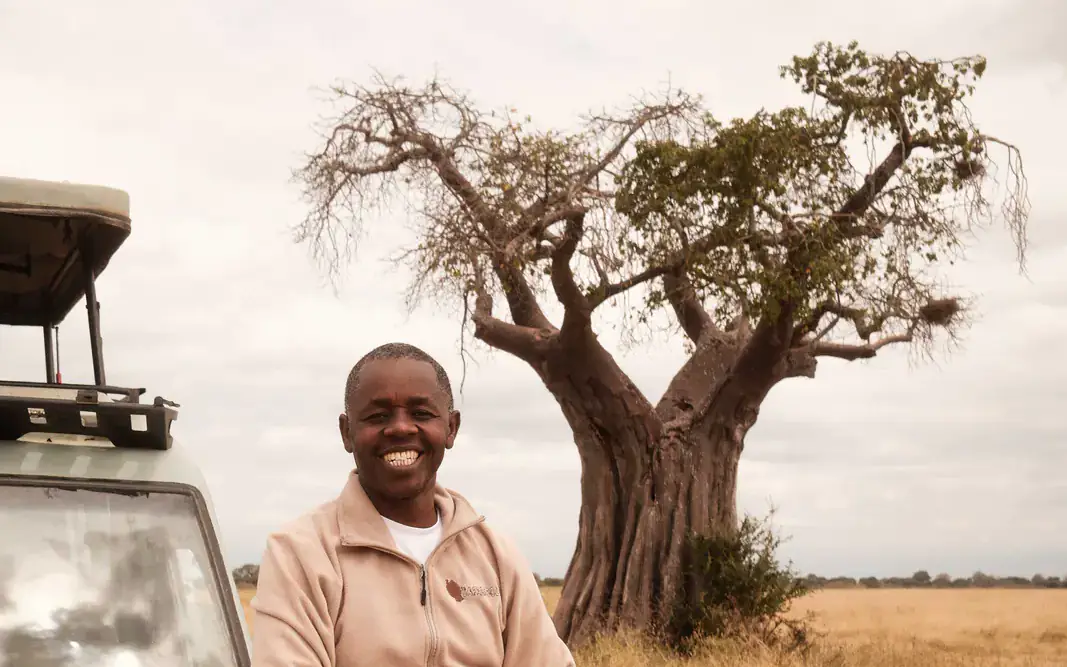
- Local Tanzania team
- Private safari planning
- Real Safari Soles routes
Planning Guide
Plan in this order: choose your travel window, decide how many safari days you can give, pick the region that matches your wildlife priority, then choose comfort level and vehicle setup. Route quality comes from nights per park, not the number of parks.
- Dates first — they decide which region works best
- 5–7 safari days suits most first-time travellers
- Two to three nights per park beats one night in five parks
- Choose the comfort level after the route, not before
- Book peak-season northern Serengeti 9–12 months ahead
- Plan in this order: dates, priority wildlife, region, nights per park, comfort level, then lodges — reversing it is the most common planning mistake.
- Two to three nights per park almost always beats one night in five parks; transfers are the silent thief of safari time.
- Northern circuit for a first safari, southern circuit for wilderness and fewer vehicles, Zanzibar as a beach finish rather than a mid-trip break.
- Your dates determine which region of the Serengeti is worth staying in, and therefore which camps are correct.
- Budget follows the route: park-fee nights and lodge tier move the number far more than trip length alone.
- Peak dates in the northern Serengeti need booking nine to twelve months ahead; green season can be booked three to six months out.
- A good operator confirms live availability before quoting, and names every lodge in writing.
Step-by-step planning wizard
Work through five decisions and we'll summarise the shape of the safari that fits, ready to send to a planner.
How fixed are your travel dates?
Six steps, in the right sequence
- 01
Set your travel window
Your month decides the region, not the other way round.
- 02
Decide your safari days
Count safari days separately from flight and rest days.
- 03
Pick the wildlife priority
Migration, Big Five, birding or photography each pull the route differently.
- 04
Shape the route
Aim for two to three nights per park with short transfers.
- 05
Choose comfort and vehicle
Lodge tier and private versus shared guiding set the final budget.
- 06
Confirm and book early
Permits and camps in peak windows are the constraint, not flights.
For first-time travellers, the best route is usually not the one with the most parks. It is the one with enough time in each area.
Which itinerary length fits your trip
| Length | Typical route | Best for | Watch out for |
|---|---|---|---|
| 3–4 days | Tarangire → Ngorongoro → central Serengeti | Short trips and add-ons after Kilimanjaro | No time for the northern Serengeti |
| 5–7 days | Tarangire → Ngorongoro → Serengeti (2–3 nights) | Most first-time safaris | Resist adding a fourth park |
| 8–10 days | Northern circuit plus northern Serengeti | Migration and photography trips | Add a flight to avoid a full drive day |
| 11+ days | Northern circuit plus southern parks or Zanzibar | Repeat visitors and longer holidays | Build in one rest day |
- Typical route
- Tarangire → Ngorongoro → central Serengeti
- Best for
- Short trips and add-ons after Kilimanjaro
- Watch out for
- No time for the northern Serengeti
- Typical route
- Tarangire → Ngorongoro → Serengeti (2–3 nights)
- Best for
- Most first-time safaris
- Watch out for
- Resist adding a fourth park
- Typical route
- Northern circuit plus northern Serengeti
- Best for
- Migration and photography trips
- Watch out for
- Add a flight to avoid a full drive day
- Typical route
- Northern circuit plus southern parks or Zanzibar
- Best for
- Repeat visitors and longer holidays
- Watch out for
- Build in one rest day
Planning guidance — every route is adjusted to your dates and pace.
Send your dates, group size and wish list and we'll return a route with real lodges.
Planning a Tanzania safari, step by step
Almost every disappointing safari can be traced back to one of these steps being taken out of order. Here is the sequence we use with every traveller.
Step one: fix your dates before anything else
Your dates decide more than the weather. They decide which part of the Serengeti ecosystem holds the herds, which camps are open, what the rates are, and how far ahead you need to commit. Trying to choose lodges before dates are settled almost always means re-planning later.
If your dates are locked by work or school, say so early. Every month in Tanzania has a strong safari in it — the route simply changes. If your dates are open, tell us your priority instead and we will suggest the window that serves it best.
Step two: name your one wildlife priority
Trips built around everything tend to deliver nothing especially well. Choose one thing that would make the trip a success: the Mara River crossings, calving season, big tuskers in Tarangire, a specific big cat, a birding list, or simply seeing the Big Five comfortably in a short window.
That single priority determines the region, and the region determines the nights. A traveller whose priority is crossings needs the far north in July to September. A traveller whose priority is comfortable first-time viewing is better served by Tarangire, the Crater and the central Serengeti in the same months, at a lower cost and with less driving.
- River crossings → northern Serengeti, Jul–Sep, three nights minimum
- Calving and predators → Ndutu, late Jan–Mar
- Elephants → Tarangire, Jul–Oct
- Big Five in a short trip → Ngorongoro plus central Serengeti
- Wilderness and few vehicles → Ruaha and Nyerere, Jun–Oct
Step three: choose the circuit, not the lodges
Tanzania has two very different safari circuits. The northern circuit — Tarangire, Lake Manyara, the Ngorongoro Conservation Area and the Serengeti — is compact, exceptionally rich in wildlife and correctly the default for a first safari. The southern and western circuits — Nyerere, Ruaha, Katavi and Mahale — are wilder, quieter and generally reached by air.
Mixing the two on a first trip is usually a mistake. They are far apart, connecting flights eat days, and the northern circuit already delivers more than most travellers can absorb in a week. Save the south for a second visit or for travellers who explicitly want space over density.
Step four: set nights per park and protect them
This is where good itineraries separate from bad ones. Each park change costs you a morning of packing and a transfer, and each new park adds a fresh set of daily fees. Two nights is the practical minimum to feel like you have seen a park; three transforms the Serengeti in particular, because it gives you a second chance at anything you miss.
A route with five parks in six days reads impressively on paper and delivers a week of driving. We would rather cut a park and give those nights to the Serengeti every time.
Build the crater as one full early morning descent rather than two partial ones — the descent fee is per vehicle per descent, and the wildlife is best in the first hours after the gates open.
Step five: decide how you move — drive, fly, or both
Driving the northern circuit lets you watch the landscape change from Rift Valley farmland to open plains, and it keeps transport costs low. Flying costs more per sector but removes long transfer days, which matters most on routes reaching the northern Serengeti.
The mix we recommend most often is to drive in and fly out. You get the scenic approach through Tarangire and the crater highlands, then reclaim a full day at the end instead of spending it on the road back to Arusha. Bush flights carry a soft-bag limit of around 15kg, so this decision also shapes your packing.
Step six: choose comfort level last, and location first
Accommodation should be the final decision, not the first. Once the route is right, choose the tier your budget supports — serviced camping, mid-range lodge, premium tented camp or small luxury property — and always prioritise a property inside or immediately beside the park over a smarter one an hour away.
An hour's drive each way is two hours of your best wildlife time, every single day. No amount of thread count compensates for that.
Step seven: book at the right lead time
Northern Serengeti camps in July, August and September routinely sell out nine to twelve months ahead, and the good ones go first. Calving-season camps around Ndutu in February follow a similar pattern. Green-season travel is far more relaxed — three to six months is usually comfortable.
When you book, ask for named properties, the exact number of nights in each park, the vehicle type, and a written inclusion and exclusion list. Anything vaguer than that is not a quote you can compare.
If you take one thing from this page: decide the route before the lodges, and give the Serengeti one more night than feels necessary. Those two choices improve more safaris than any budget increase.
Where planning guidance ends and real planning begins
Everything above is a framework, not a fixed itinerary. Lodge availability on your specific dates, park-fee changes, group size and how much driving you are willing to do all reshape the plan. Herd position in particular moves with rainfall rather than with a calendar.
Our planners work through these seven steps with you and then check live availability before proposing anything, so the route you receive is one that can actually be booked.
Send your dates, group size and top wildlife priority and we'll build the route around them.
Common mistakes to avoid
Most disappointing safaris come from a handful of avoidable planning decisions.
- 01
Choosing lodges before the route
A beautiful camp in the wrong region costs you hours of driving every day.
- 02
Adding one more park
Each extra park adds transfer time and park fees while reducing time watching wildlife.
- 03
Ignoring drive times
Arusha to the northern Serengeti by road is a full day. Plan it deliberately or fly.
- 04
Booking by price alone
Inclusions differ widely. Compare park nights, vehicle type and lodge locations.
- 05
Leaving no buffer day
One flexible day absorbs delayed flights without collapsing the itinerary.
- 06
Deciding style before understanding the route
Fly-in, camping and luxury all suit different route shapes. Sequence matters.
Where a well-planned trip usually lands
Once the planning steps are done, most travellers arrive at one of these three shapes. Each one can be adjusted to your dates, pace and budget.
Useful official resources
Independent sources you can use to verify park, entry and destination details before you travel.
- Tanzania Immigration Department
Official entry, passport and visa rules
- Tanzania eVisa portal
Official online visa application
- Tanzania Tourist Board
Official destination and travel information
- TANAPA — Tanzania National Parks Authority
Official park rules, fees and opening information
- Wikivoyage — Tanzania
General traveller context for Tanzania
Local Tanzania planners, real routes, honest guidance
Written and reviewed by the Safari Soles Tanzania planning team, based in Arusha and experienced in building private safari routes across the northern and southern circuits.
- Reviewed by Safari Soles Tanzania planning team
- Updated for 2026 safari planning
- Based on local Tanzania safari planning experience
- Private vehicles, own guides and on-trip support
Related Safari Soles guides
Continue with the guides travellers usually read next.
Frequently asked questions
Answer five questions — get a real route back.
Send your dates, group size and travel style. A local Safari Soles planner replies with a route and a confirmed quote.