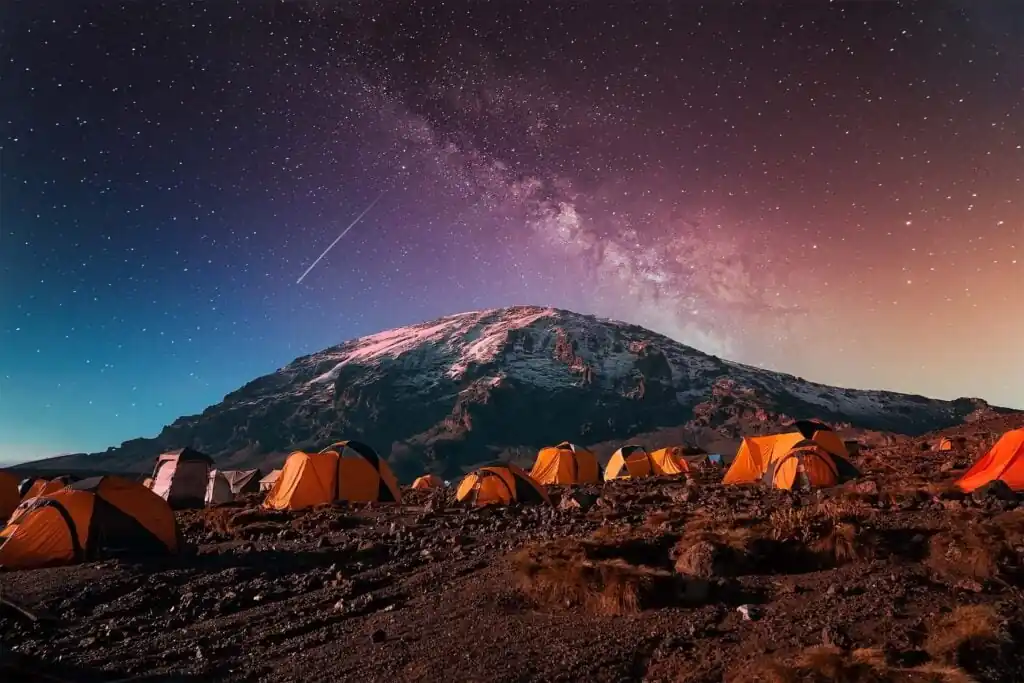
 Budget
Public campsites
Basic shared facilities and real bush immersion.

 English Deutsch
 Français
 Español
 Italiano
 Português
Die Serengeti ist nicht eine einzige Safari. Zentrale, nördliche, südliche und westliche Serengeti funktionieren je nach Monat, Tierwunsch, Budget und Anzahl der Nächte völlig unterschiedlich. Dieser Ratgeber vergleicht die Regionen, erklärt die Große Migration und hilft Ihnen, mit einem tansanischen Team zu planen.
Kostenloses individuelles Angebot · Nur private Safaris · Geplant und geführt ab Arusha
Fast answers to the questions we're asked most. The planners below then match them to your dates.
Eine Serengeti-Safari ist eine auf Tierbeobachtung ausgerichtete Reise durch eine der bekanntesten Schutzlandschaften Afrikas: weite offene Ebenen, Großkatzen, Standwild, saisonale Gnuwanderungen, Flusstäler, Kopjes und das größere Serengeti-Mara-Ökosystem. Der Park ist riesig: das Erlebnis ändert sich vollständig je nach Region und Reisezeit.
Ein guter Serengeti-Reiseplan besteht nicht nur darin, den Park zu erreichen. Es geht darum, die richtige Region zu wählen, genug Nächte einzuplanen, realistische Transfers zu setzen und den Safari-Stil zu wählen, der zu Monat, Budget und Tierwünschen passt.
Diese Seite zeigt, wie wir bei Safari Soles Serengeti-Reisen wirklich planen: nach Jahreszeit, nach Region und danach, was die Reisenden vor uns sehen möchten. Wenn Sie lieber direkt zum Plan springen: Der Safari-Konfigurator dauert etwa drei Minuten.
Six common Serengeti travellers, and the route logic we use for each one.
| Reisetyp | Bester Weg | Wo Sie weiterlesen |
|---|---|---|
| First-time safari traveller | Central Serengeti + Ngorongoro route | Read the Tanzania guide |
| Migration traveller | Month-based region planning | Read the migration guide |
| Honeymoon couple | Luxury or tented camp + Zanzibar | See Zanzibar |
| Family | Private vehicle + fewer lodge changes | Child-friendly safaris |
| Photographer | More nights + private vehicle + early starts | Photographic safaris |
| Short on time | Fly-in Serengeti safari | Fly-in safaris |
| Small group on a budget | Shared-date departures on a fixed route | See group tours |
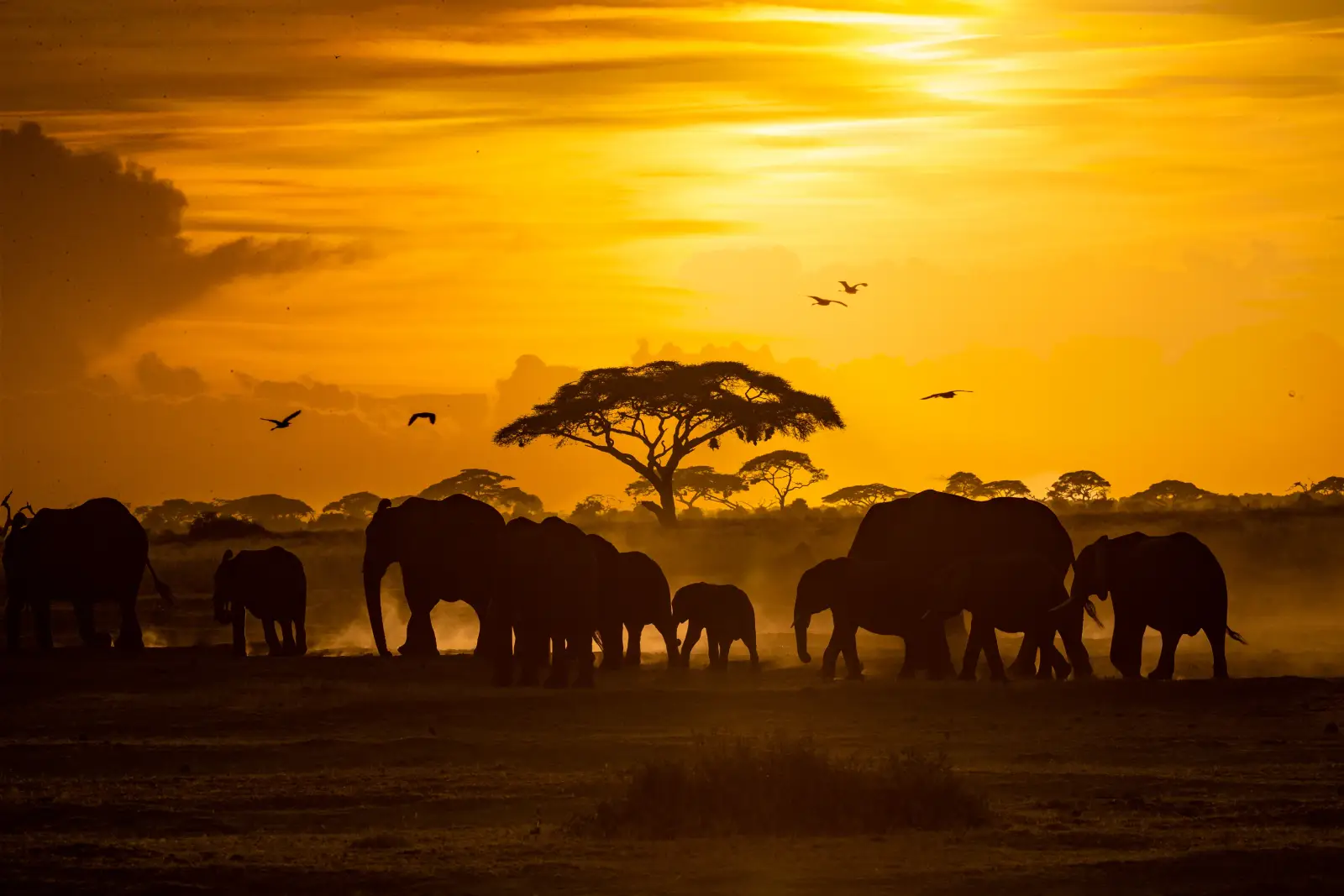
The Serengeti gives the classic East African safari feeling: wide horizons, golden grasslands, kopjes and wildlife moving through huge landscapes.
Central Serengeti and the areas around it are strong for lion, cheetah and leopard, especially when your itinerary gives enough time in the right region.
Depending on the month, the Serengeti can place you near calving, movement through the Western Corridor, or northern river-crossing season.
The Serengeti is not only migration. Resident predators, elephants, giraffes, hyena, buffalo and plains game make it rewarding outside peak months.
Serengeti works well with Ngorongoro, Tarangire, Lake Manyara and Zanzibar when the route is planned realistically.
From budget camping and mid-range lodges to mobile migration camps and fly-in luxury — the same landscape, very different trips.
A fast scan before you dive into the regions, months and route options below.
Wählen Sie einen Monat, um Wetter, Tierbeobachtung, den Stand der Migration und den Besucherandrang zu sehen.
Möchten Sie mehr wissen? Lesen Sie unseren Guide zur besten Reisezeit für Tansania, oder vergleichen Sie das ganze Land im Tansania-Safari-Guide.
Die Serengeti ist zu groß, um sie als einen einzigen Stopp zu planen. Zentrale, nördliche, südliche, westliche und östliche Serengeti haben jeweils andere Stärken, welche passt, hängt vom Reisemonat ab.
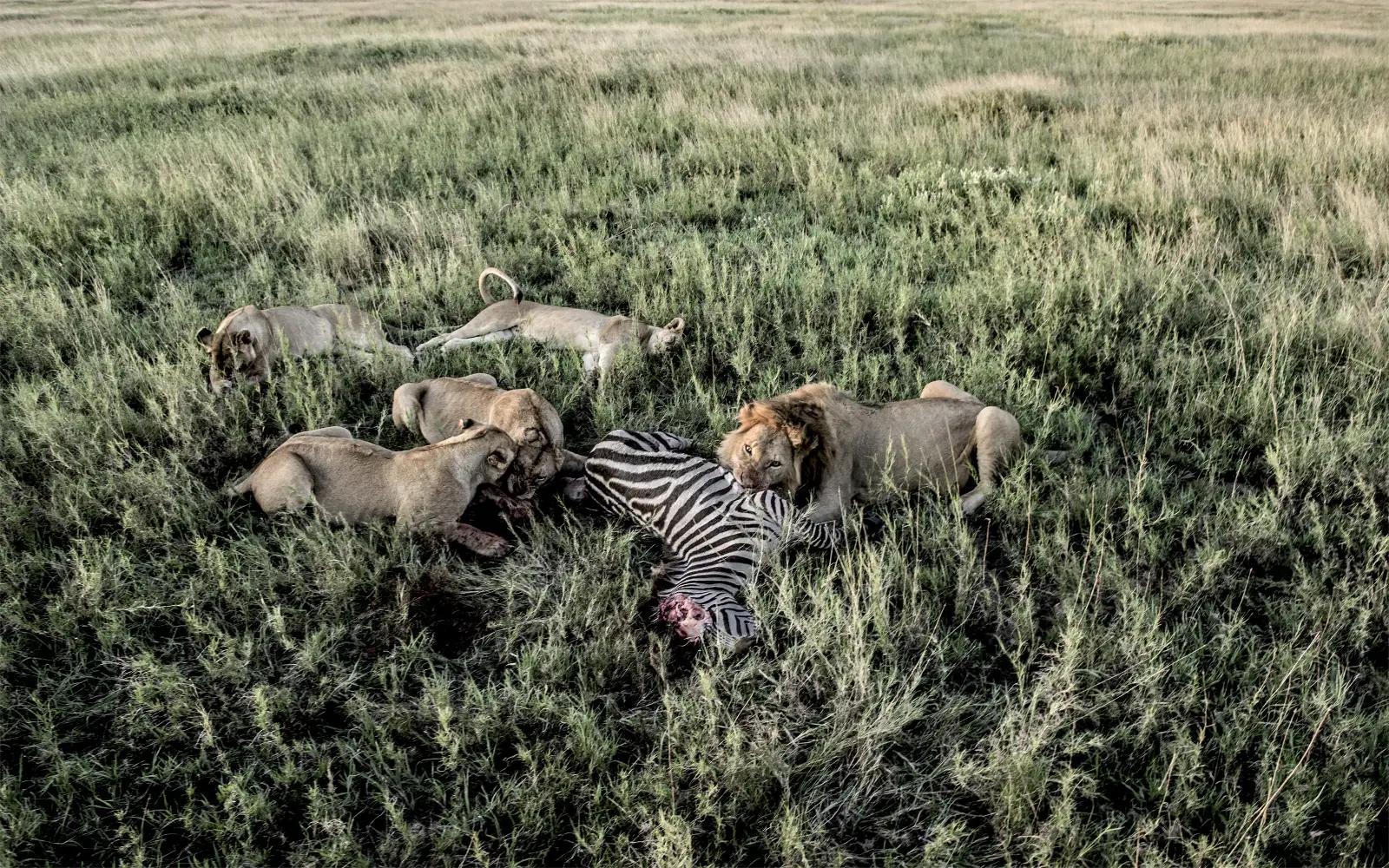
The most accessible and most reliable Serengeti region. Rivers, kopjes and woodland concentrate resident predators and prey all year, which is why most first-time itineraries anchor here.
Die Regionen sind nicht austauschbar. Wählen Sie passend zu Reisemonat, Tierbeobachtungs-Priorität und der Zeit, die Sie wirklich haben.
| Region | Am besten für | Starke Monate | Ideale Nächte | Hauptnachteil |
|---|---|---|---|---|
| Central Serengeti | Big cats, first-timers, year-round wildlife | Year-round | 3+ | More vehicles in popular areas |
| Northern Serengeti | Mara River crossings, migration season | Jul – Oct approx. | 3+ | Higher demand, longer access |
| Southern Serengeti / Ndutu | Calving, green season, predators | Jan – Mar approx. | 3+ | Highly seasonal |
| Western Serengeti | Grumeti, quieter routes, seasonal migration | May – Jul approx. | 3+ | Less straightforward routing |
| Eastern Serengeti | Remote feel, predators, fewer crowds | Seasonal / specialist | 3+ | Fewer standard route options |
Nicht jede Serengeti-Reise sollte dieselbe Region nutzen. Nennen Sie uns Reisemonat, Anzahl der Nächte und Ihre Tierbeobachtungs-Priorität, und wir schlagen die passende Region vor.
Wählen Sie Monat, Nächte, Priorität und Stil, um eine Routenempfehlung zu sehen.
Beantworten Sie die Fragen links und wir schlagen eine echte Serengeti-Route vor: Region, Nächte und eine sinnvolle Reihenfolge.
Die zentrale Serengeti (Seronera) liegt im Herzen des Parks, umgeben von Nord (Kogatende / Mara-Fluss), Süd (Ndutu), West (Grumeti-Korridor) und Ost (Namiri Plains). Tippen Sie auf ein Gebiet, um zu sehen, wie es in Ihre Route passt.
The most accessible and most reliable Serengeti region. Rivers, kopjes and woodland concentrate resident predators and prey all year, which is why most first-time itineraries anchor here.
Arusha → Ngorongoro → zentrale Serengeti → Nord, West oder Süd je nach Saison.
Alle Nationalparks Tansanias ansehenDie Regionsmarker nutzen echte Koordinaten. Die schattierten Flächen sind ungefähre Planungszonen, die grob zeigen, wo jede Region liegt. Sie sind keine vermessenen Park- oder Konzessionsgrenzen und nicht zur Navigation geeignet.
Die Große Migration ist kein fester Termin: die Herden ziehen je nach Regen und Weide. Wir nutzen den Kalender als Planungshilfe und stimmen Ihre Route auf die passendste Region für Ihren Reisemonat ab. Kein verantwortungsvoller Veranstalter garantiert eine exakte Flussüberquerung oder Herdenposition.
Realitätscheck: Herds may be north of the Mara, on the Kenya side, for part of the month.
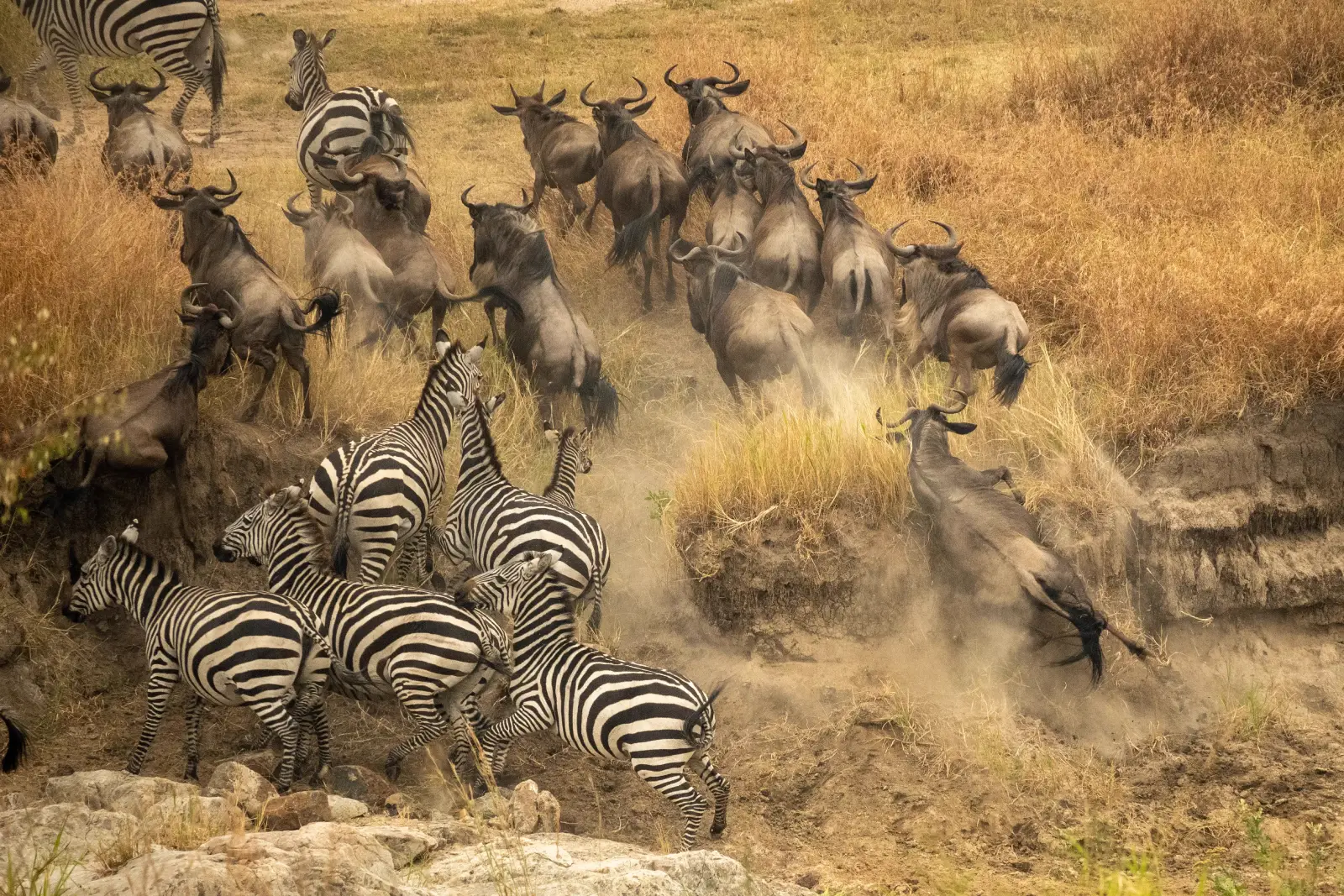
Even outside peak migration months the Serengeti is one of Tanzania's strongest safari areas: resident lion, leopard, cheetah, elephant, giraffe, kopjes, river valleys and open plains. For most first-time guests, Central Serengeti alone delivers exceptional wildlife.
Species density in the Serengeti is exceptional, but what you see on a given day depends on region, season, rainfall and a fair amount of luck.
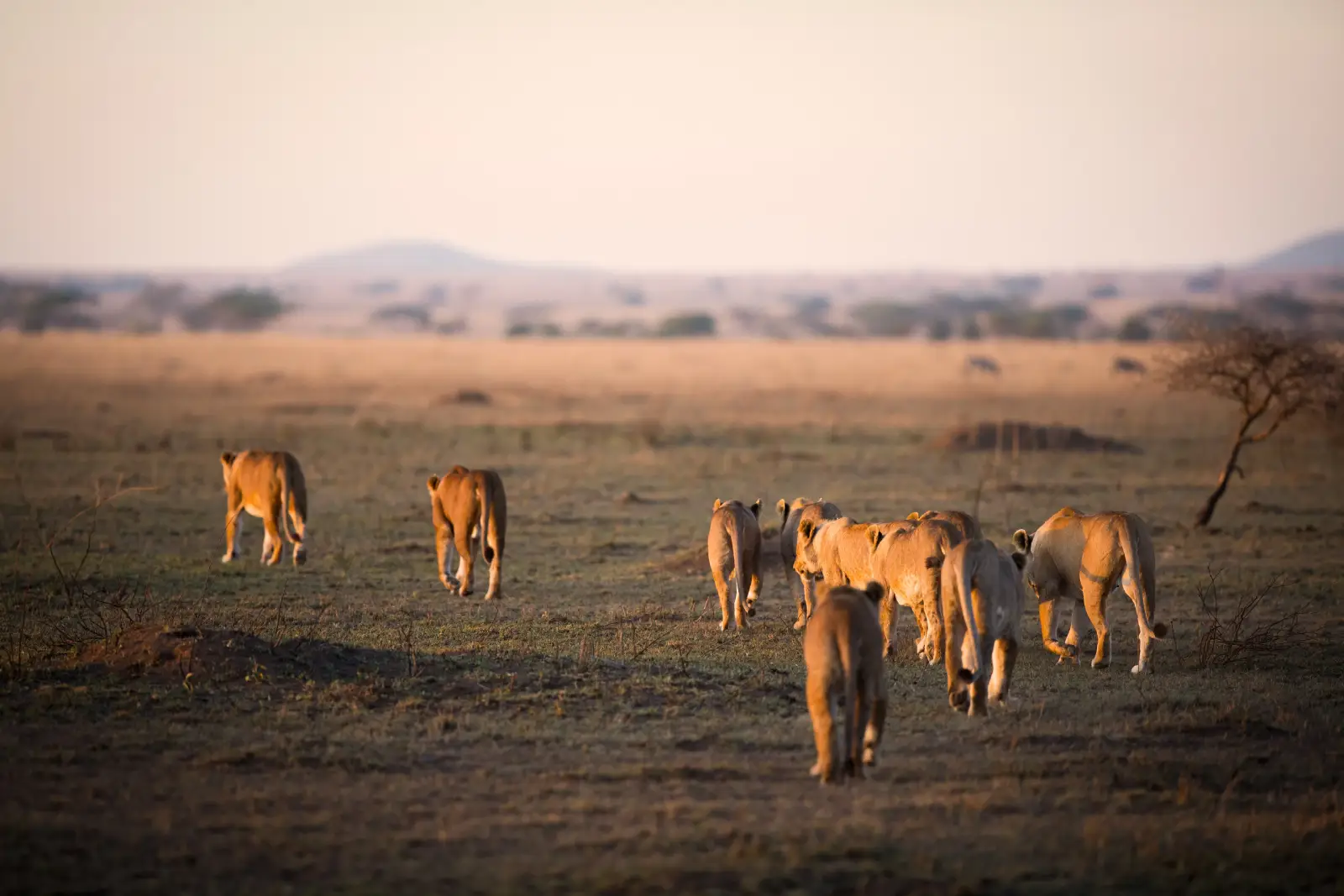
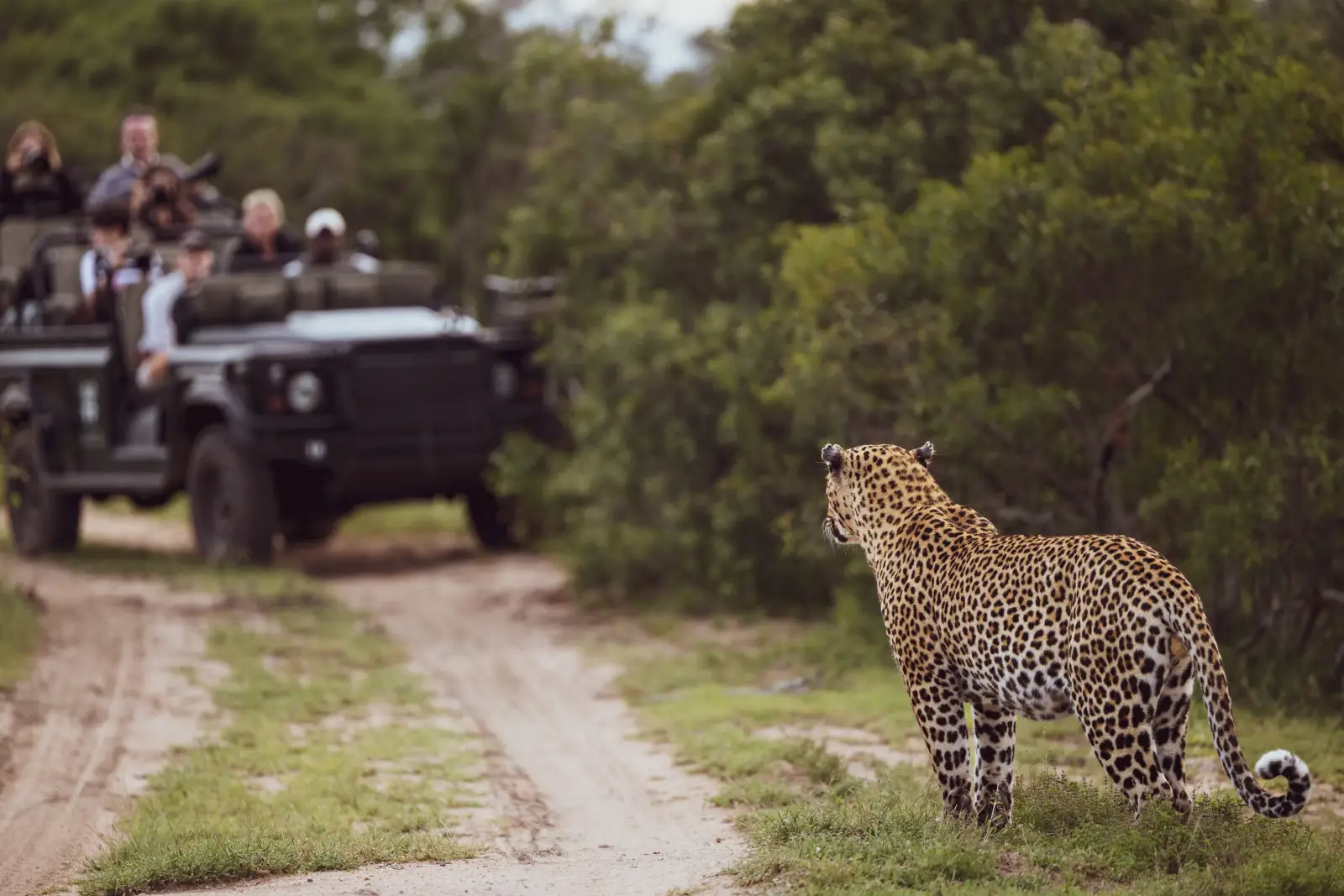
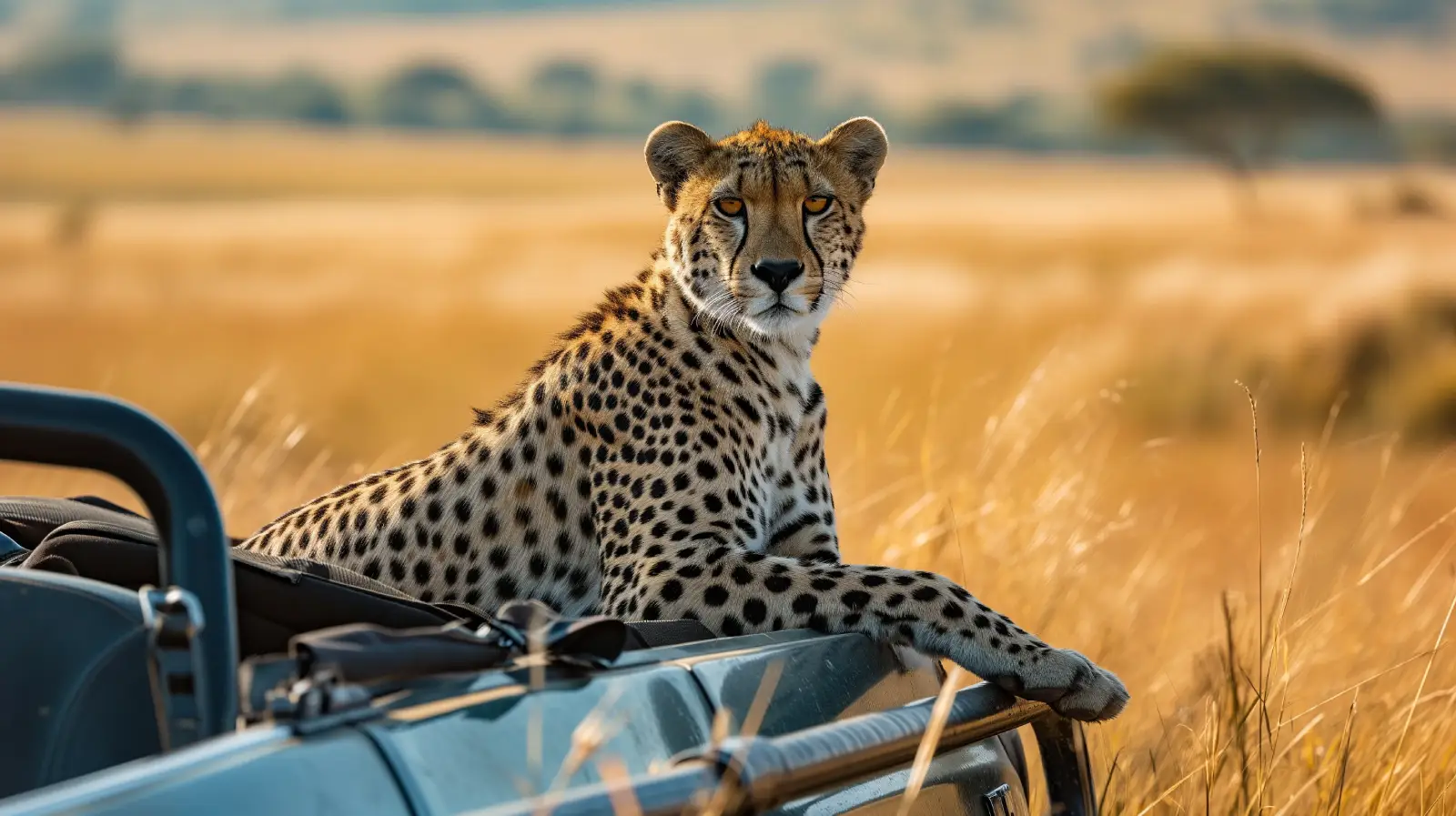
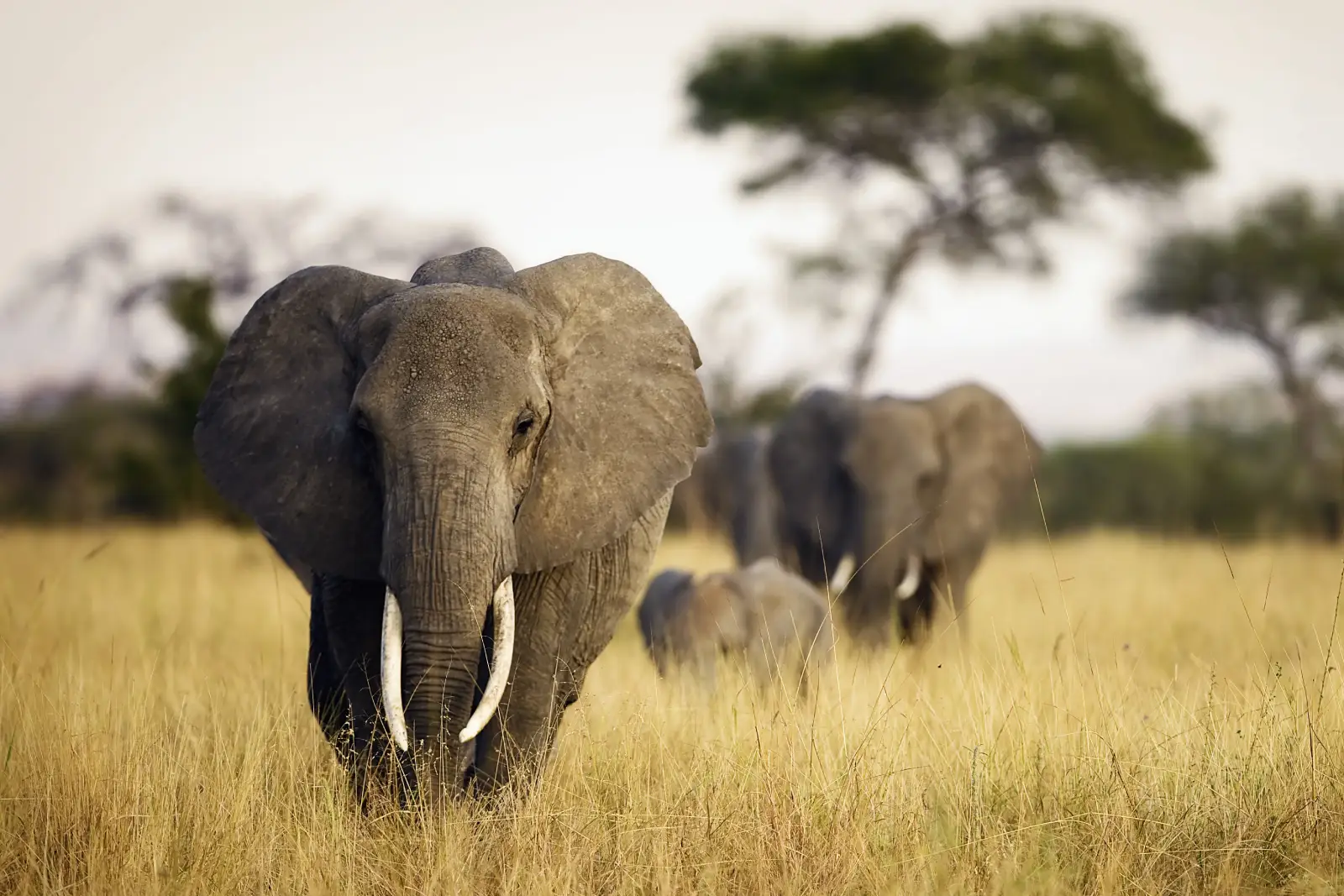
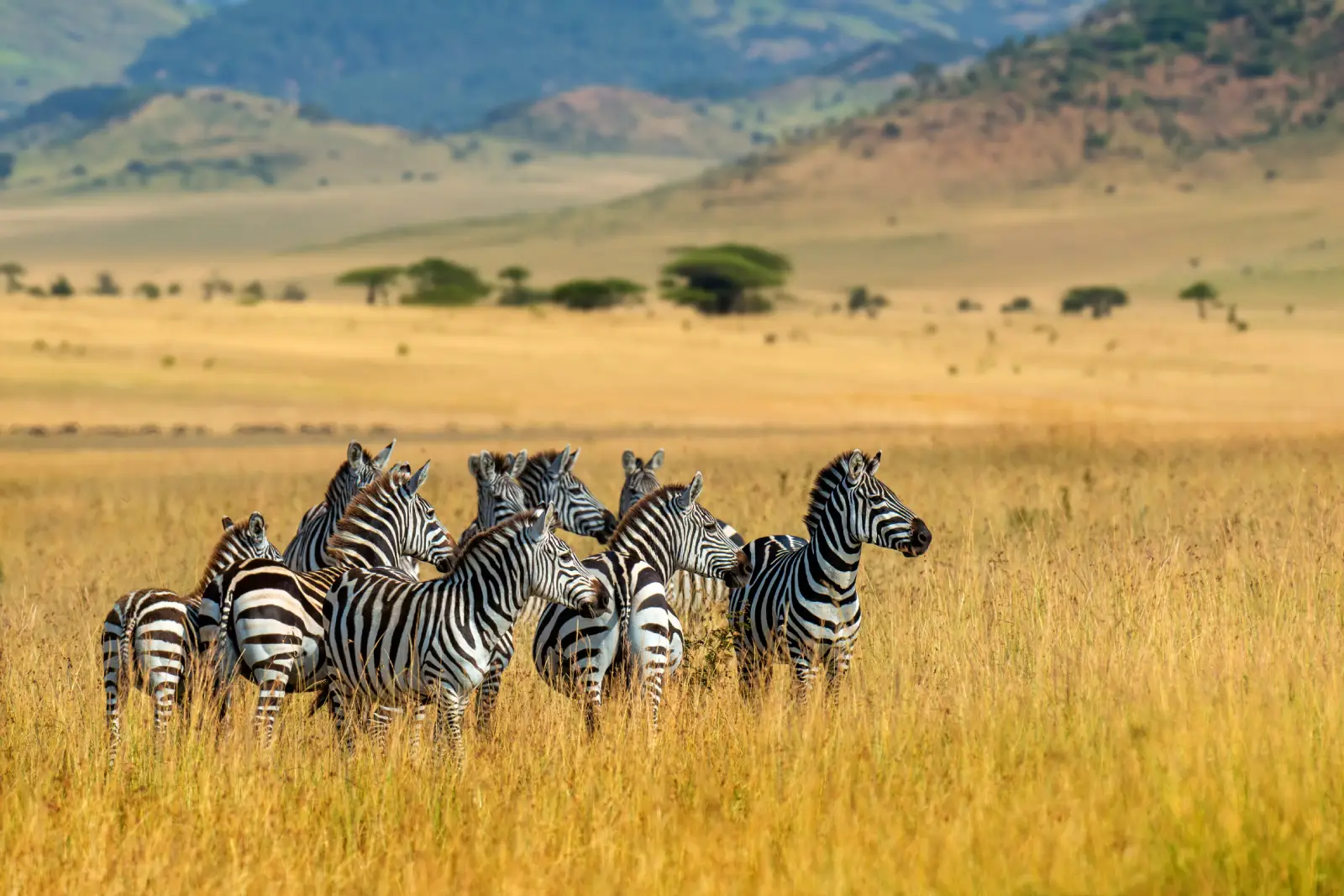
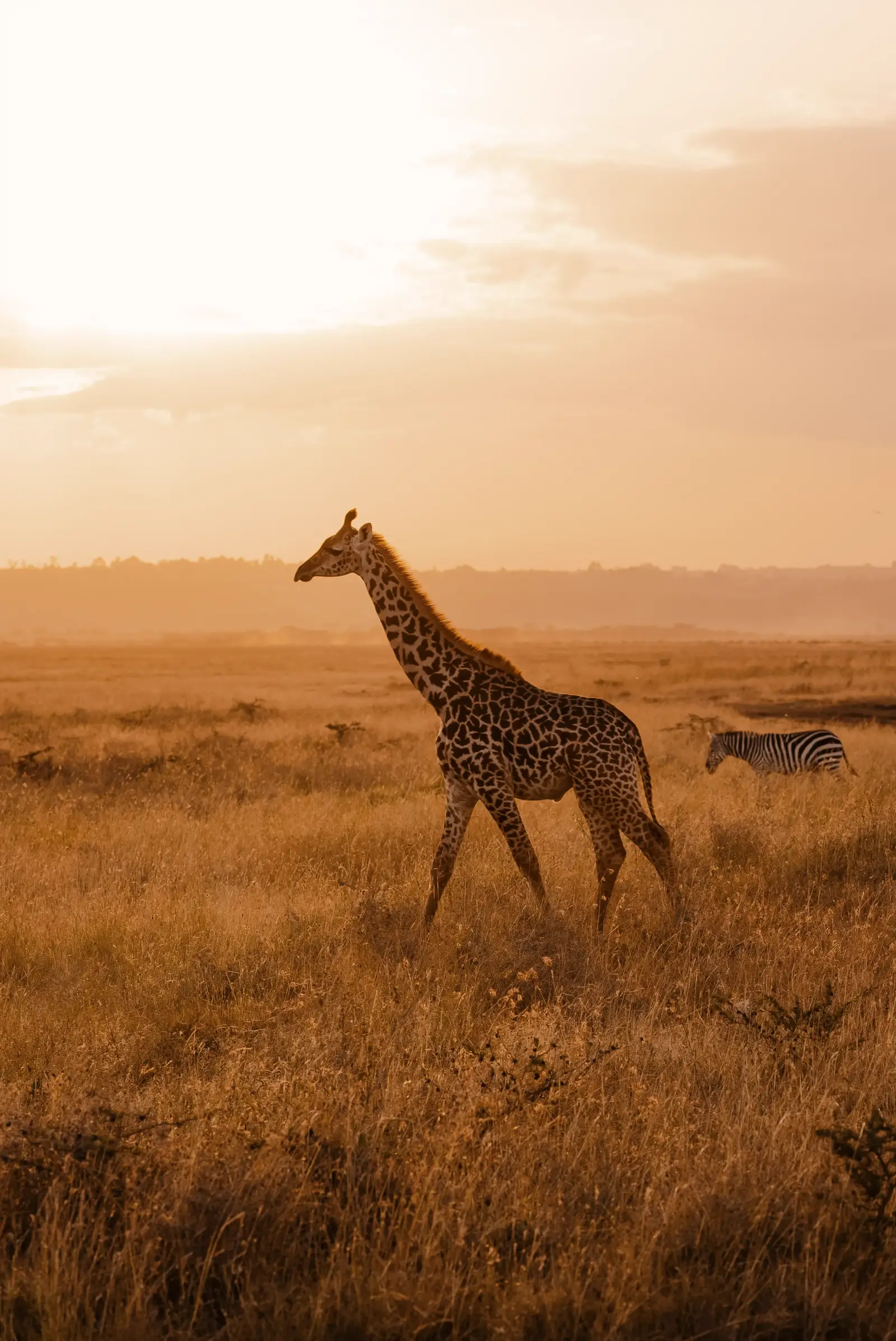
Echte Safari Soles Reisen. Jede Route unten wird vor der Buchung an Ihre Daten, Ihren Reisestil und Ihre Interessen angepasst.
0 von 14 Serengeti-Routen werden angezeigt
Brauchen Sie eine andere Route, einen anderen Monat oder Komfort? Eine individuelle Serengeti-Safari planen, schließen Sie sich einer gemeinsamen Gruppenabreise an, oder entdecken Sie alle Tansania-Pakete.
For a genuinely good Serengeti experience we recommend 3+ nights inside the park. Shorter two-night stays only work for fast-paced or fly-in itineraries. They give less room for wildlife movement, game drives and region depth.
7 days
This works as a focused Serengeti and Ngorongoro trip. Add a night for photography or a family pace.
Fly-in add-on only — not recommended as a standalone Serengeti trip
One region, usually Central
Fast
Works only inside a longer Tanzania itinerary.
Our recommended minimum for a real Serengeti experience
Central Serengeti in depth
Balanced
3+ nights is our standard planning baseline.
The sweet spot for most travellers
Two regions — Central plus North or South, seasonally
Comfortable
Combines well with Ngorongoro and Tarangire.
Migration chasers and photographers
Multiple regions, camp changes to follow the herds
Deep and slow
Book mobile migration camps early.
Distance shapes the Serengeti experience. Driving gives you the classic Northern Circuit through Tarangire, Ngorongoro and Central Serengeti. Flying saves long transfer hours and buys you more time inside the park, and it is not only for short luxury trips.
Classic Northern Circuit routes, scenic road travel, budget control, and travellers who want to combine Tarangire, Ngorongoro and Central Serengeti by road.
Long transfer days, especially when going deep into Northern Serengeti.
Plan a drive-in routeSaving drive time, Northern Serengeti, river-crossing season, luxury trips, short trips, and longer itineraries where you want more time on safari and less time on the road.
Higher cost, but often better time value — especially flying to remote Serengeti airstrips.
Plan a fly-in routeBalanced comfort and route depth. Drive one direction through Tarangire, Ngorongoro and Central Serengeti, then fly out from the Serengeti to skip the long return drive.
Needs careful planning around dates, airstrips, baggage limits and lodge locations.
Ask which option fits meDie nördliche Serengeti liegt weit von Arusha entfernt und abseits der Hauptroute des Northern Circuit. In der Zeit der Flussüberquerungen sparen ein Hin- oder Rückflug rund zehn Stunden Fahrt und machen die Safari deutlich angenehmer: besonders bei wenigen Tagen oder hohen Komfortansprüchen.
Serengeti accommodation spans six broad categories. The right one depends on region, budget and how immersive you want the trip to feel.
BudgetBasic shared facilities and real bush immersion.
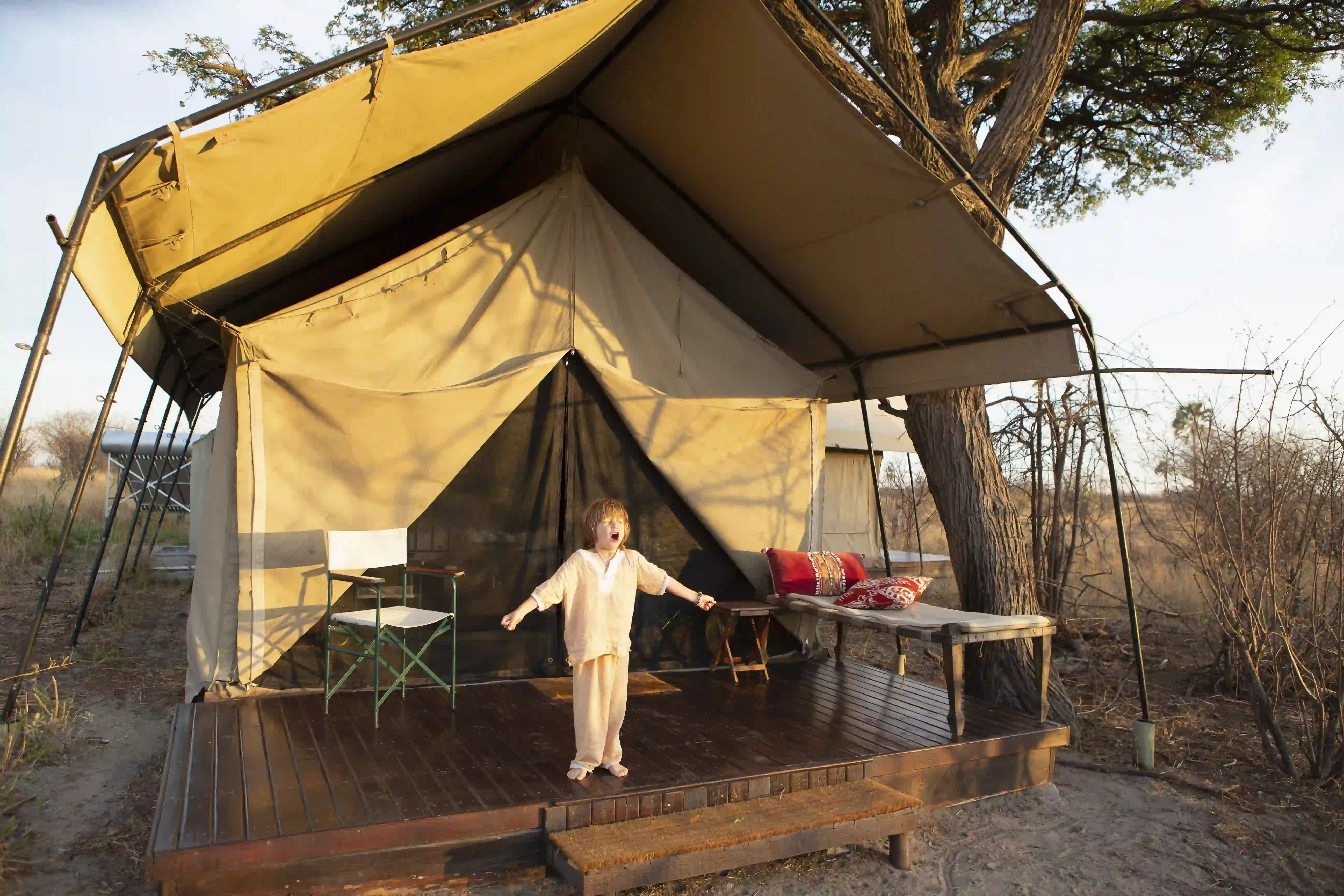 Mid-range
Comfortable canvas rooms with private bathrooms.
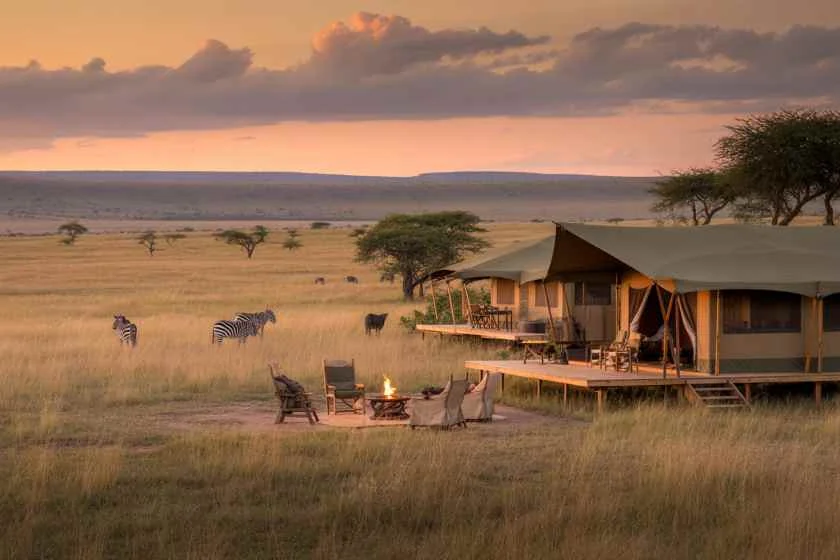 Mid–upper
Seasonal camps that move with the herds.
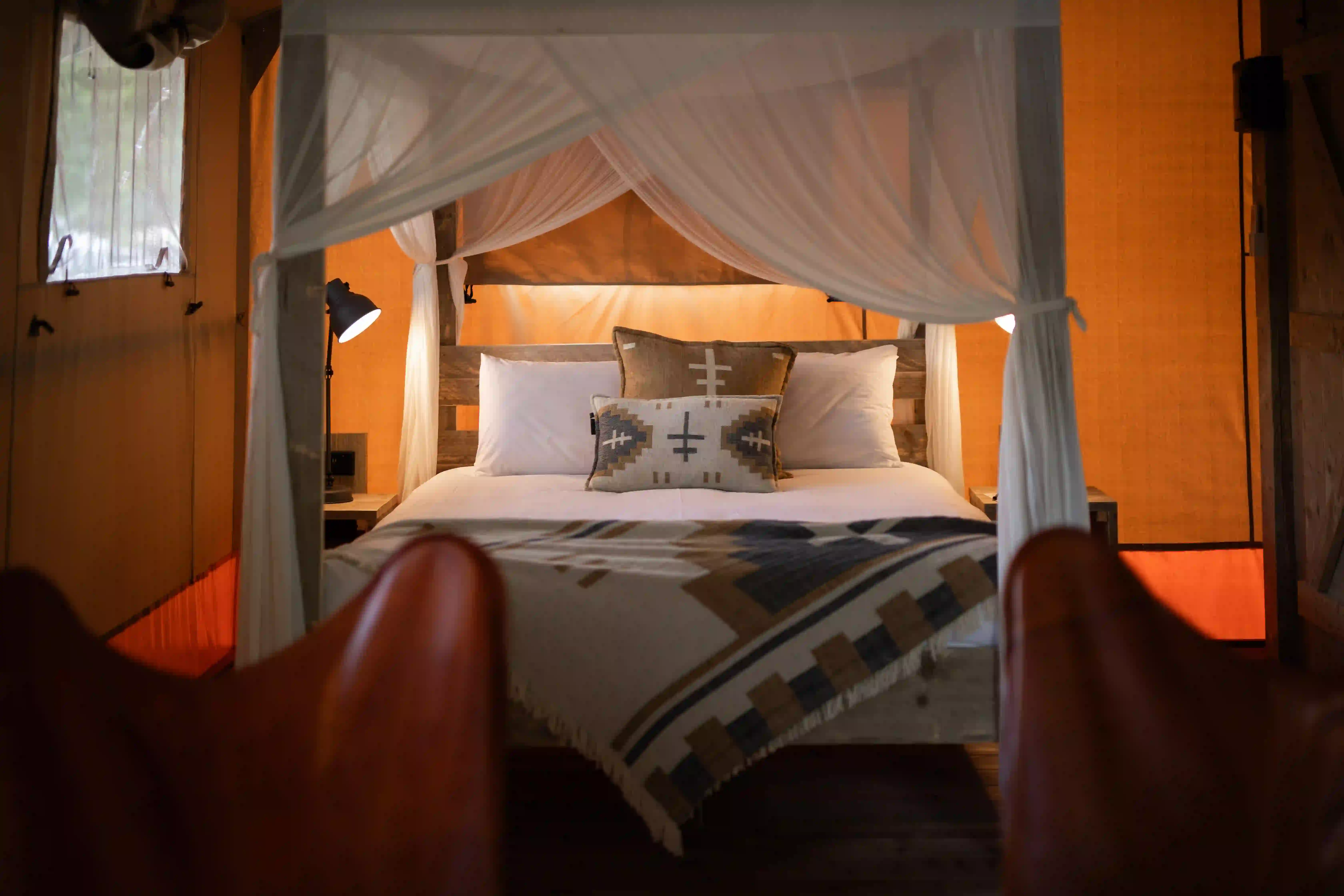 Mid–upper
Fixed lodges with pools and full amenities.
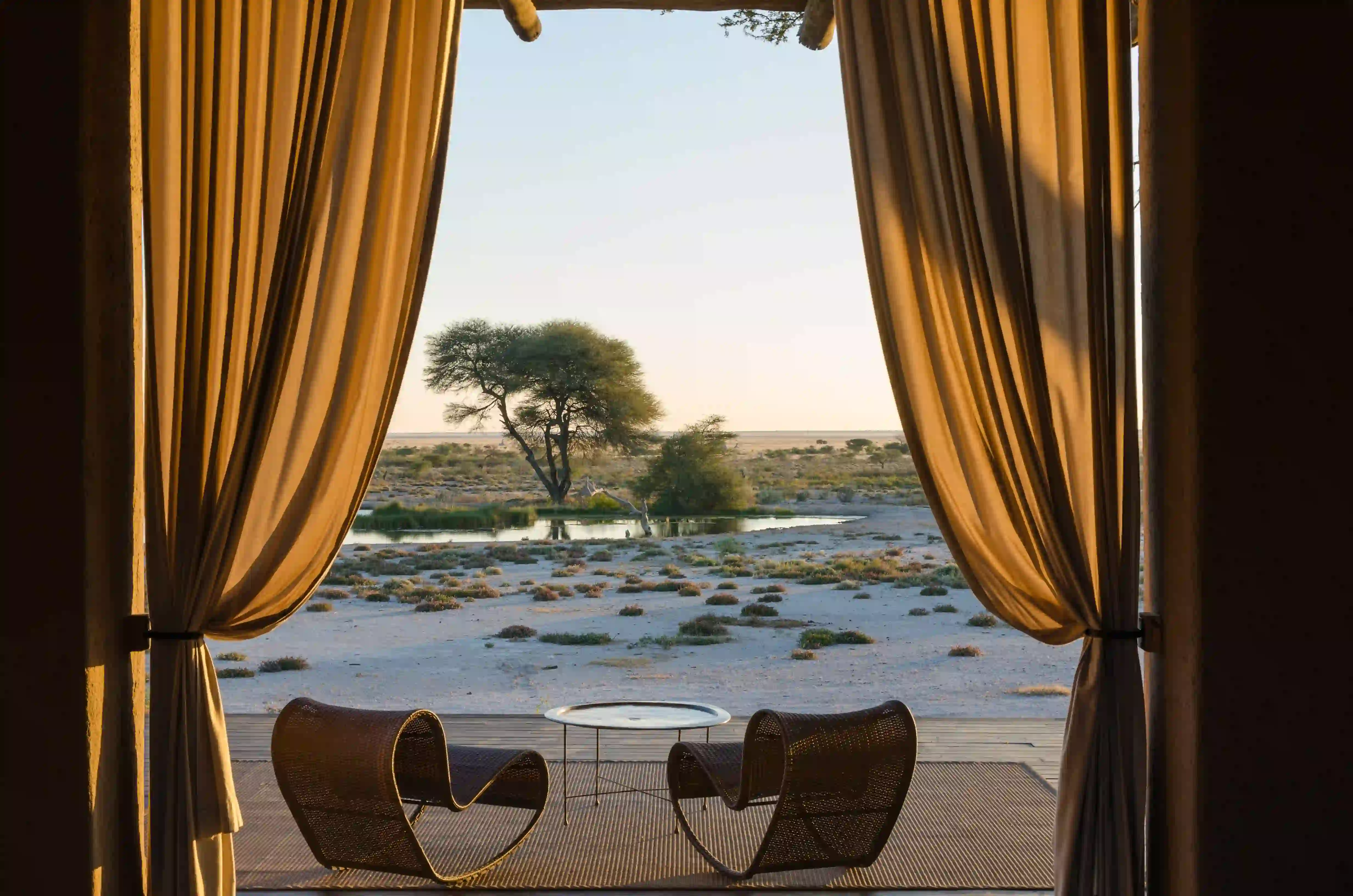 Luxury
Design-forward suites and standout views.
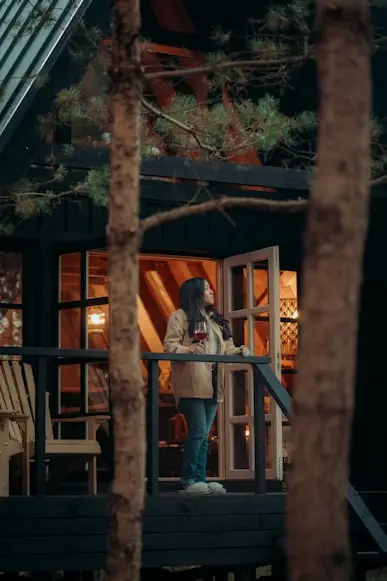 Ultra-luxury
Private concessions and small guest numbers.
| Unterkunftsart | Am besten für | Passende Region |
|---|---|---|
| Mid-range lodge | First-time travellers | Central / route-based stays |
| Tented camp | An immersive safari feel | Central, North, South, West |
| Mobile migration camp | Seasonal migration focus | South / West / North |
| Luxury camp | Honeymoon and premium travel | North, Central, private-feel areas |
| Fly-in lodge or camp | Shorter or high-comfort trips | North / remote areas |
Cost depends on nights, season, region, accommodation level, private-vehicle setup and whether you drive or fly. Use the drivers below as a planning guide. The final figure is confirmed once we've checked your dates, group size, route and accommodation level against real availability.
| Kostenfaktor | Warum es den Preis verändert |
|---|---|
| Number of nights | More Serengeti nights increase accommodation, park and logistics costs. |
| Season | Peak migration and dry-season months carry higher demand. |
| Region | Northern, western and remote areas can cost more to access. |
| Accommodation level | Mid-range lodges, luxury camps and ultra-luxury camps vary heavily. |
| Drive vs fly | Flying saves time but adds airstrip and flight costs. |
| Group size | Private vehicle costs are shared differently depending on the number of travellers. |
| Add-ons | Balloon safaris, Zanzibar extensions and premium activities increase the budget. |
2 Reisende · 4 Nächte in der Serengeti · Privat, Mittelklasse · Transfers: Fahrt · Saison: Trockenzeit
Wir veröffentlichen Preisspannen nur, wenn sie den aktuellen Anbieterpreisen für Ihre Daten entsprechen. Für eine genaue Zahl senden Sie uns Ihre Daten und wir kalkulieren die Route gegen die reale Verfügbarkeit: kostenlos und unverbindlich.
| Safari-Stil | Am besten für | Wichtigste Kostentreiber | Preise |
|---|---|---|---|
| Private mid-range | First-time travellers | Vehicle, park fees, lodges | Im Angebot bestätigt |
| Fly-in Serengeti | Shorter trips and comfort | Flights, airstrips, camp level | Im Angebot bestätigt |
| Migration mobile camp | Calving or crossing season | Season, camp movement, location | Im Angebot bestätigt |
| Luxury Serengeti | Honeymoon and premium | Camp quality, privacy, guiding | Im Angebot bestätigt |
| Ultra-luxury | VIP and exclusive use | Fly-in, exclusive camps, private service | Im Angebot bestätigt |
Game drives are the backbone of every Serengeti trip. Everything else is an add-on that has to fit the camp, the park rules and the season.
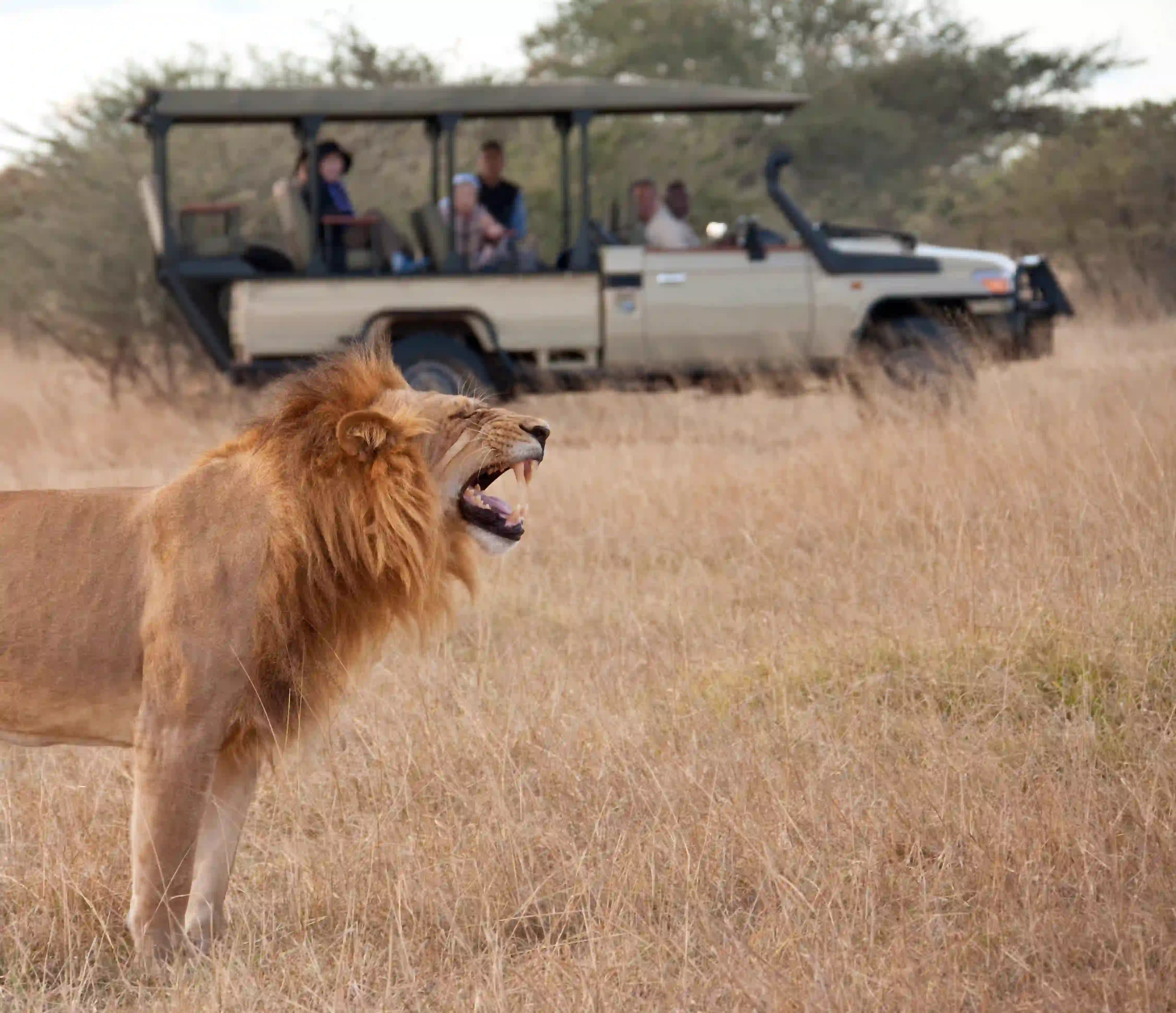 Game drives Morning and afternoon drives in a private open 4×4 with a specialist guide.
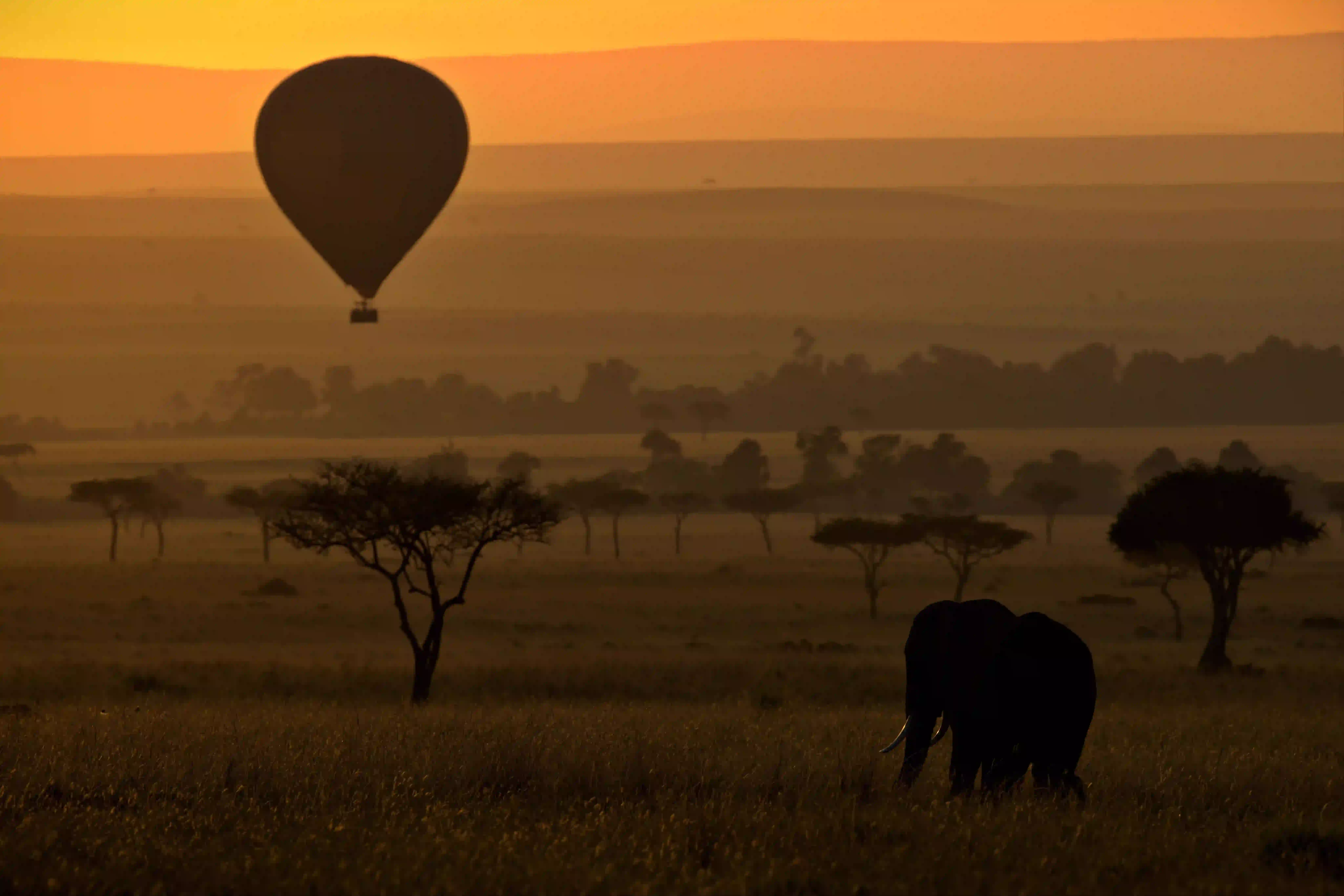 Hot-air balloon safari Sunrise flights over the plains — bookable from Central and Northern camps.
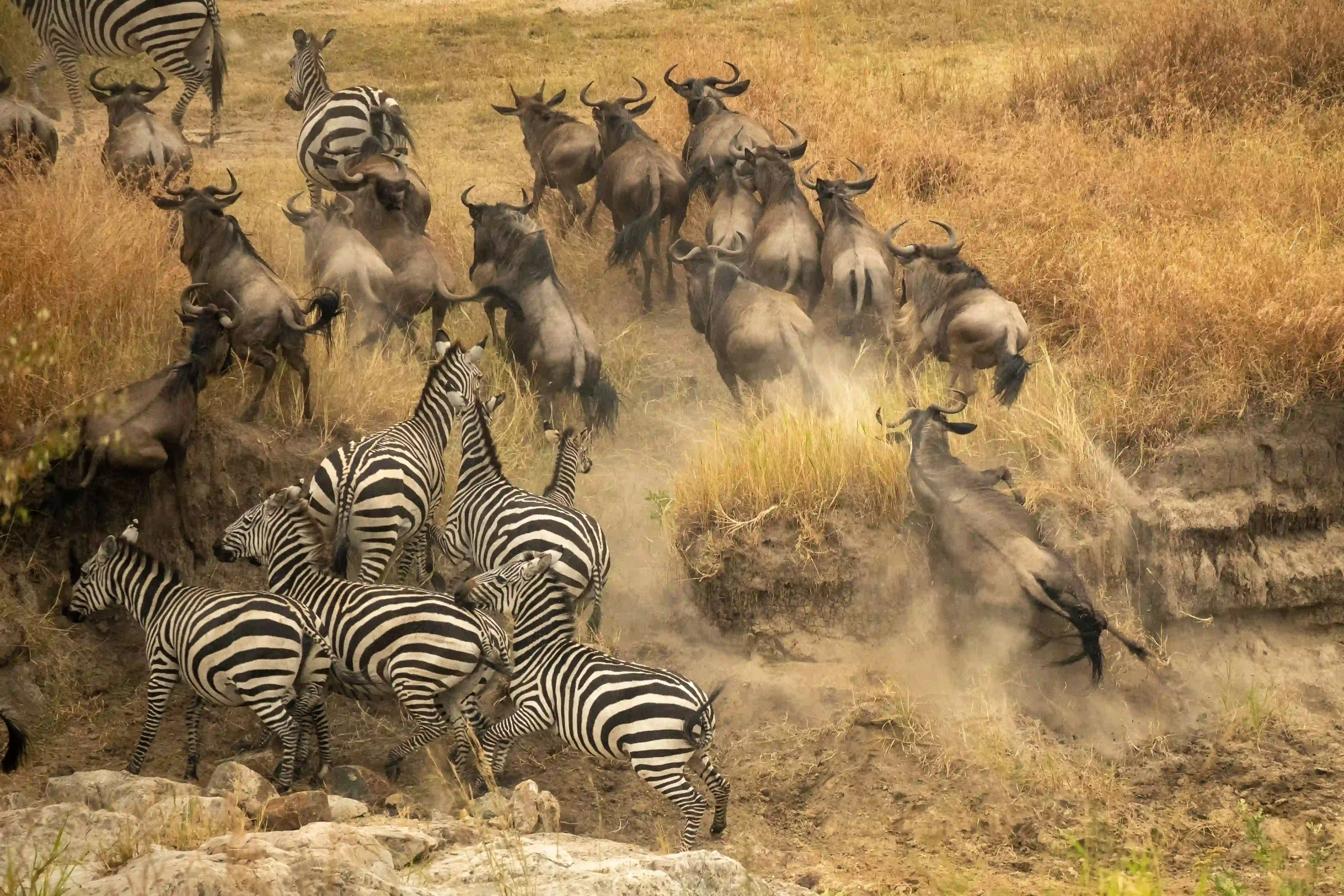 Great Migration tracking Multi-camp itineraries that follow the herds through the year.
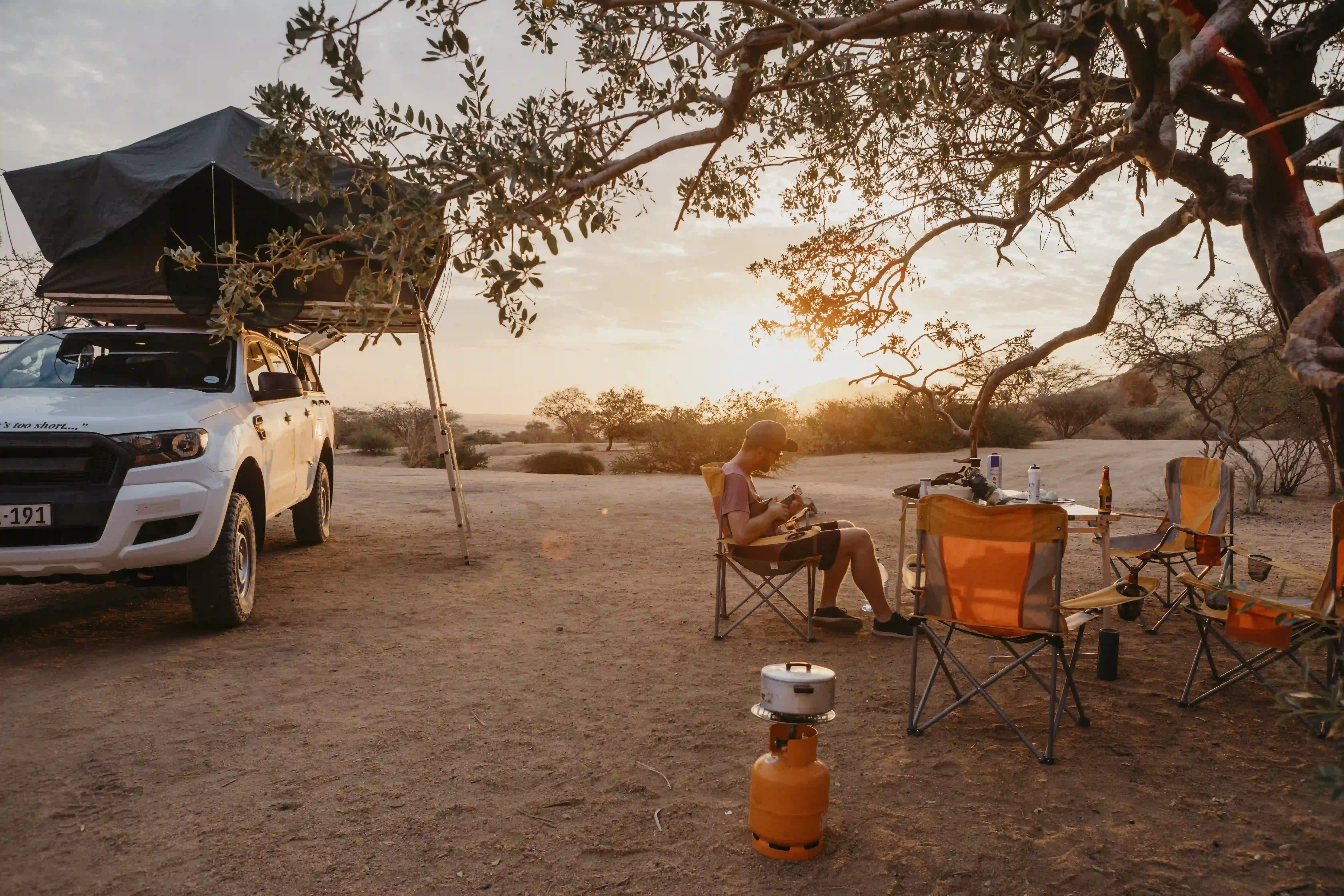 Bush meals & camping Bush breakfasts and camp dinners, subject to camp and park regulations.
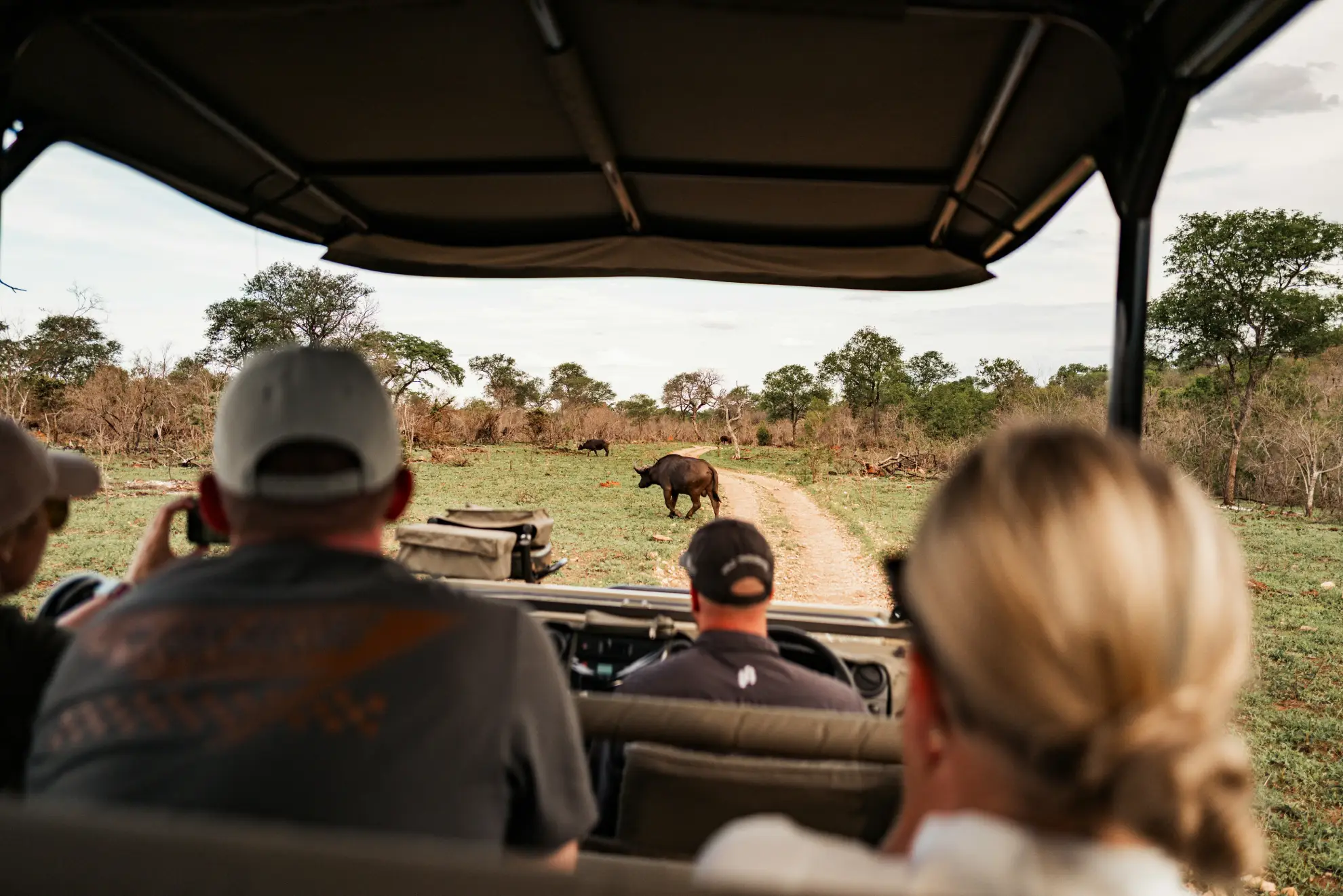 Photography safaris Private vehicles, early starts and guides who understand light.
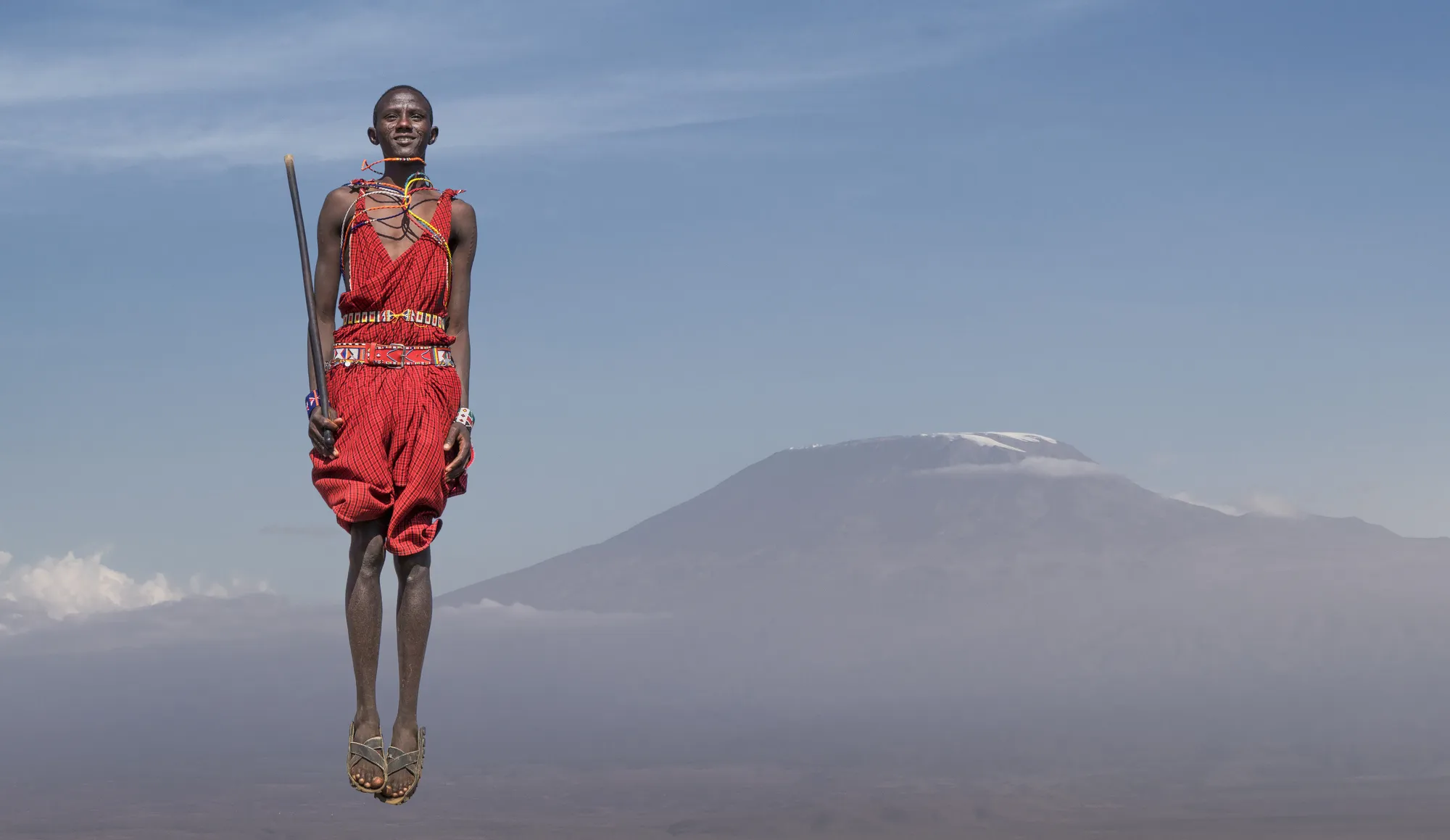 Cultural extensions Meaningful visits with Maasai communities near the park.
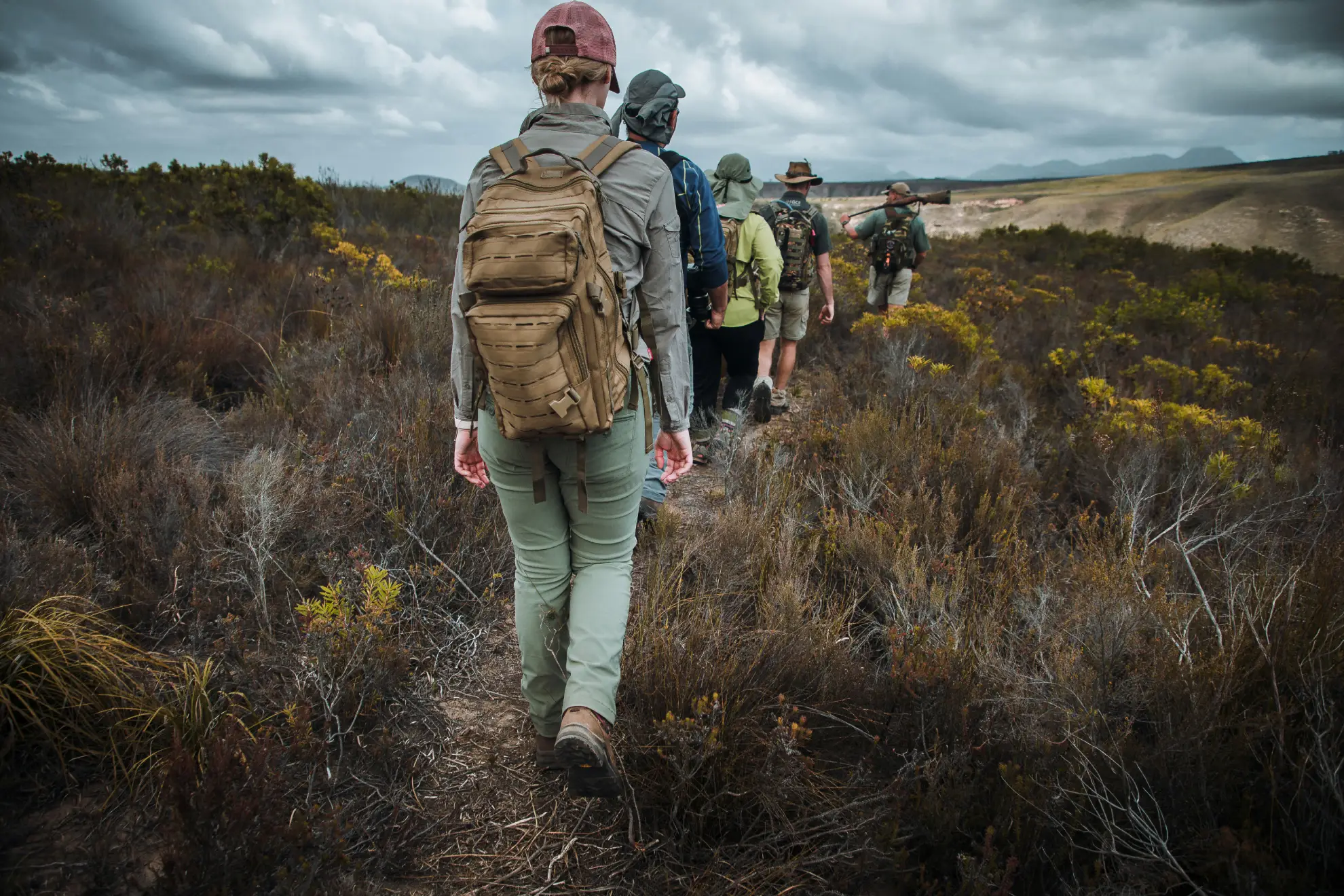 Walking safaris Only where permitted and arranged properly, with an armed ranger.
| Aktivität | Was es konkret bedeutet |
|---|---|
| Game drives | The core Serengeti activity — private 4×4, adapted around sightings and pace. |
| Balloon safari | Usually very early morning; location and availability vary by camp and season. |
| Photography safari | Best with a private vehicle, more nights and early starts. |
| Bush meals | Depends on the camp or lodge and on park regulations. |
| Walking experiences | Only where permitted and arranged properly. |
| Cultural add-ons | Best added respectfully, outside the main game-drive focus. |
We see these every week. Avoiding them will save you money and make the safari better.
Stay 3+ nights in the Serengeti wherever possible
Match the region to your month and wildlife priority
Plan the right area, then let nature decide the day
Fewer regions with more time usually works better
Consider fly-in or mixed routing when short on time
Weigh location, guiding, vehicle and route logic too
We are a Tanzanian operator. Every itinerary is designed by our Arusha team and delivered by guides who spend their year in the parks we send you to.
Your route is planned by a team based in Arusha, not by someone guessing from far away.
Meet Safari SolesWe match your travel month to the right Serengeti region before anything else is booked.
Start your routePrivate vehicles let your guide adapt the day around wildlife, pace and photography.
Private Tanzania safarisOur Arusha team stays reachable while you are on safari, in real time.
How booking worksWe avoid forcing too many regions into too few days — fewer stops, better safari.
Build a realistic routePurpose-built, regularly maintained Land Cruisers with pop-top roofs on every trip.
See our safari vehicles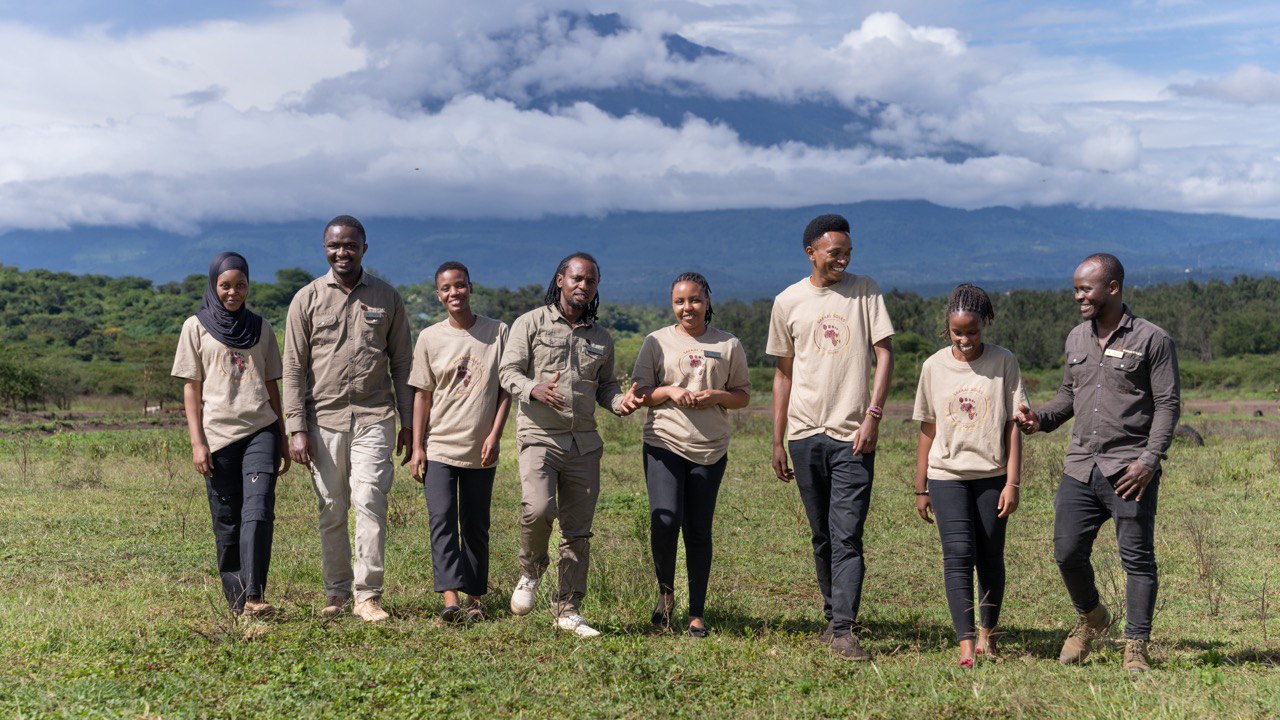
In August we choose Northern Serengeti camps by access and timing, not only by the word “migration”. Two lodges that look identical on a map can mean a two-hour difference on crossing mornings.
For first-timers we still send most people to Central Serengeti — resident lion, leopard and cheetah are on that landscape all year.
Ndutu in February is our favourite window for photographers. Predators are working the calving herds every single morning.
Short, honest answers. Each one links to the page that goes deeper.
There is no single best month — it depends on what you want to see. June to October is peak dry season with excellent all-round game viewing and the Mara River crossings in the north. January to March delivers the calving season on the southern plains, with dense predator action.
Read: best time to visit TanzaniaSagen Sie uns, wann Sie reisen möchten, wie viele Tage Sie haben und was Sie am liebsten sehen wollen. Wir helfen bei Region, Route, Unterkunftsstil und Tempo, und senden binnen 24 Stunden einen Reiseplanentwurf.
Planen Sie eine Serengeti-Safari? Kostenloser individueller Reiseplan innerhalb von 24 Stunden.