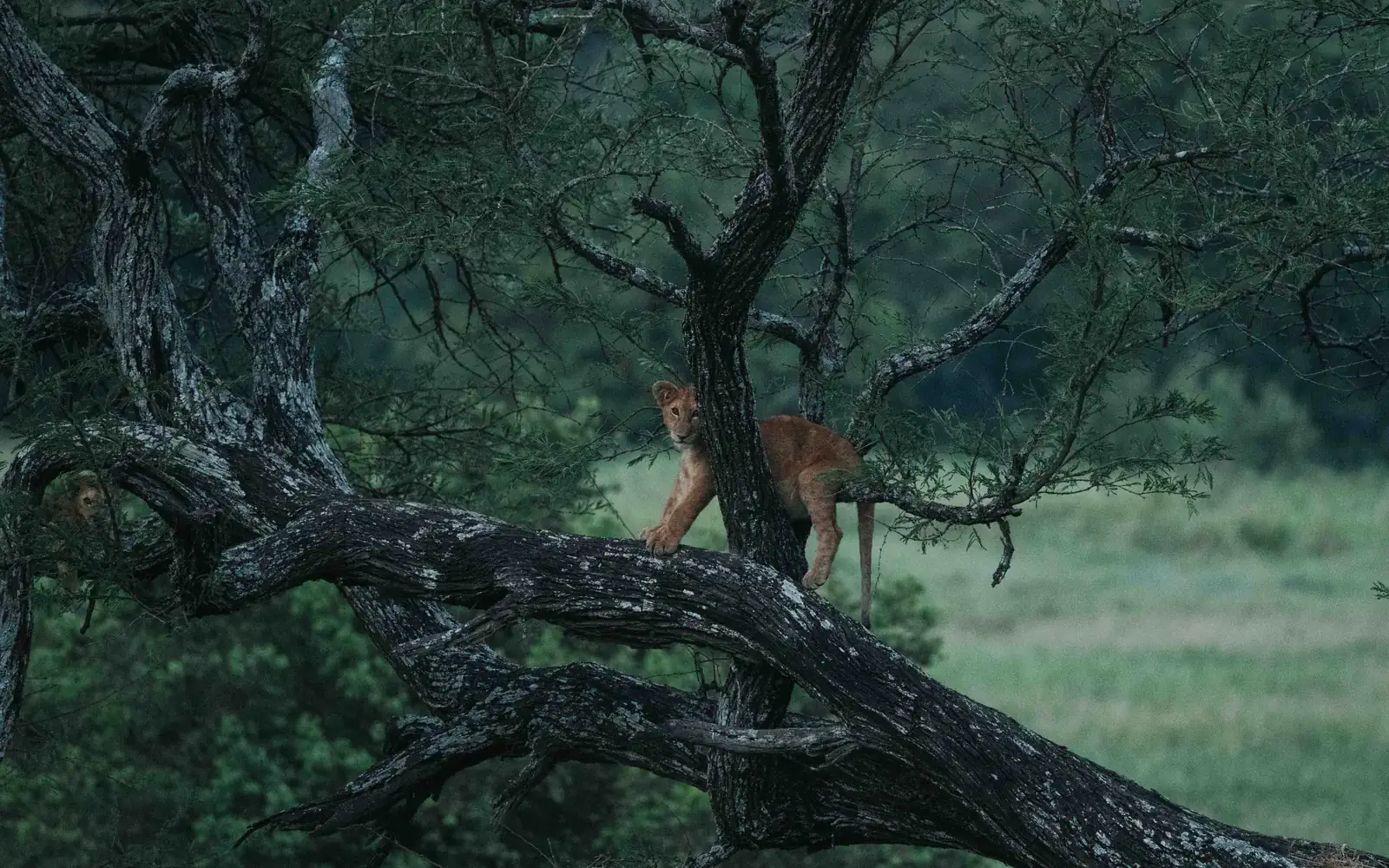
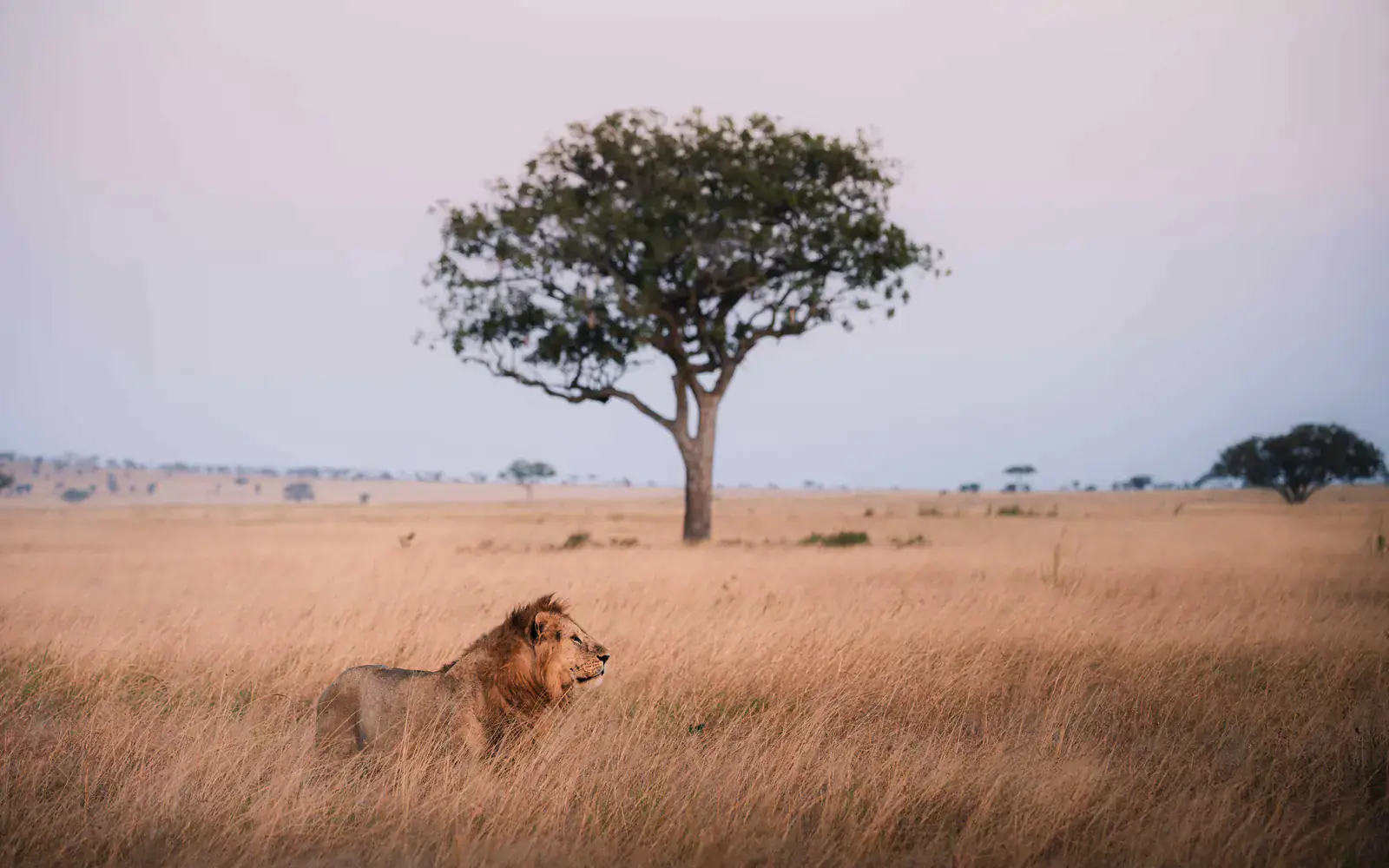
Lion
- Where
- Serengeti, Ngorongoro Crater, Ruaha
- Odds
- Very likely on any 4+ day northern safari
- Planning note
- Ruaha holds some of Africa's largest prides; the Serengeti offers the most consistent daily sightings.

 English Deutsch
 Français
 Español
 Italiano
 Português
Where lion, leopard, elephant, buffalo and black rhino actually live in Tanzania, how likely you are to see each one, and how to build a route that gives you the best chance.
Wildlife Guide
Tanzania holds all of the Big Five, but only the Ngorongoro Crater realistically offers all five in one day. A route combining Tarangire, the Ngorongoro Crater and three or more Serengeti nights gives the strongest chance of the full list.
Choose a park to see which Big Five species live there, what else you are likely to encounter, the best months and an honest planning reality check.
The most complete wildlife park in Tanzania and the heart of the Great Migration.
If the full Big Five matters to you, put the Ngorongoro Crater in the middle of your route rather than at the very end. If the weather closes in on your crater day, there is still room to move it.
| Route | Days | Big Five odds | Best for |
|---|---|---|---|
| Tarangire → Ngorongoro → central Serengeti | 5–6 | Strong — all five possible | First-time safaris |
| Ngorongoro → Serengeti (north) | 6–8 | Strong, plus migration crossings | Jul–Sep travellers |
| Crater day trip from Arusha | 1–2 | Limited — one crater day only | Very short trips |
| Ruaha → Nyerere (southern circuit) | 6–8 | Four of five; no rhino | Repeat visitors and wilderness |
Planning guidance — wildlife sightings are never guaranteed.
Tell us which species matter most and we'll weight the route toward them.
Off-road driving damages habitat and is prohibited in national parks.
Crowding a hunt can cost a lion pride its meal. A good guide will hold back.
Noise changes animal behaviour and ruins the moment for everyone.
Especially at night drives and with nocturnal species.
It creates dependency and dangerous habituation around camps.
Tanzanian guides are professionally licensed and know the boundaries.
Most disappointing safaris come from a handful of avoidable planning decisions.
Chasing five species can mean rushing past cheetah, wild dog and the sightings that actually make a trip.
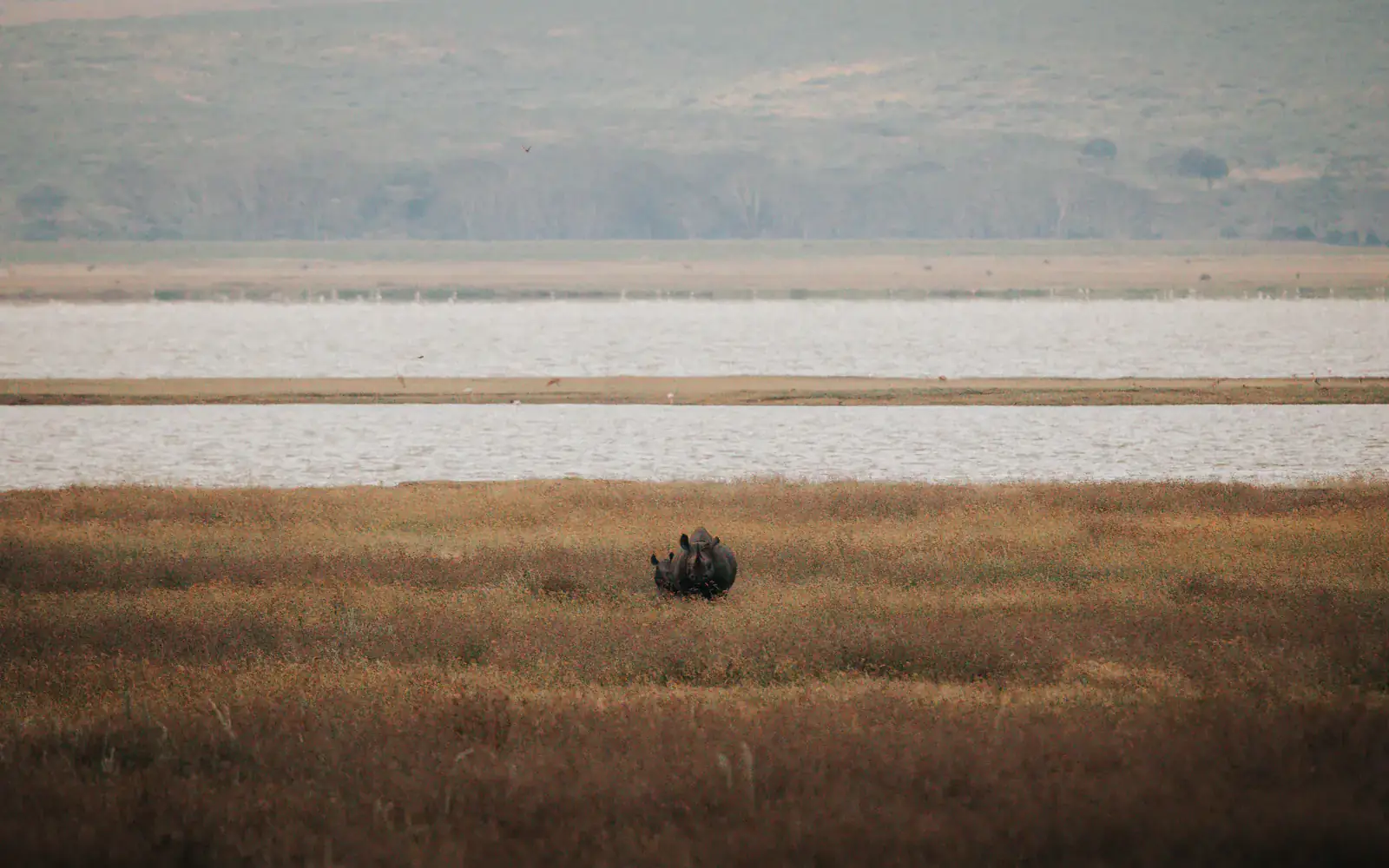
Numbers are small and protected. A distant crater sighting is the realistic outcome.
Leopard viewing is a time game. One night rarely delivers.
A single crater day without Serengeti nights compresses your odds into a few hours.
Predators are most active before 8am. Late departures cost sightings.
Rhino and leopard are frequently spotted at distance.
Route shapes our planners build most often for this brief. Every one is adjusted to your dates, group size and pace.
Independent sources you can use to verify park, entry and destination details before you travel.
Official park rules, fees and opening information
World Heritage listing and Serengeti ecosystem context
World Heritage listing for the Ngorongoro Crater and highlands
Background ecosystem context
Background geology and conservation context
Written and reviewed by the Safari Soles Tanzania planning team, based in Arusha and experienced in building private safari routes across the northern and southern circuits.
Continue with the guides travellers usually read next.
Send your dates, group size and travel style. A local Safari Soles planner replies with a route and a confirmed quote.