Zanzibar Travel Guide: Beaches, Culture & Everything You Need to Know
10th July, 2026
724
Sitting just off the coast of Tanzania in the Indian Ocean, Zanzibar has a rare combination of world-class beaches, coral reefs rich with marine life, a UNESCO-listed old town, and a cultural depth that most beach destinations lack.
Whether you’re adding a few days onto a Tanzania safari or making Zanzibar the whole trip, this guide by the Safari Soles team will help you plan the perfect getaway to this idyllic archipelago.
Where is Zanzibar Located?
Zanzibar is an archipelago located less than 25 mi (40 km) off Tanzania’s Indian Ocean coastline, just north of Dar es Salaam. It consists of two large islands, Unguja and Pemba, and around 50 small islands and minor islets.
Unguja, commonly called Zanzibar Island, is the most popular tourist destination and home to around two-thirds of the archipelago’s population. Pemba, the smaller of Zanzibar’s two main islands, is located roughly 30 mi (48 km) northeast of Zanzibar Island. Both Zanzibar Island and Pemba Island have airports.
Why Visit Zanzibar On Your Tanzania Safari?
For most visitors, Zanzibar works perfectly as a coastal complement to a trip to the mainland, which usually means a few lazy beach days after a safari in the Serengeti or Ngorongoro Crater. A unique blend of cultures, shaped by historical trade influences, coupled with some of the best beaches in East Africa, makes it a hotspot for tourists looking to extend their trip.
Flights take less than 2 hours from Arusha and under 30 minutes from Dar es Salaam, making the hop across to Zanzibar straightforward to plan and very easy to justify, whether you’re on safari or visiting some of Tanzania’s biggest cities.
When to Visit Zanzibar
June to October is the dry season, making it the best time to visit Zanzibar. It’s warm and sunny, with good conditions for diving and beach days. July and August are peak season with higher prices and more visitors, while June and September offer nearly identical weather with more breathing room for your budget.
The long rains run from March to May, and shorter rains arrive in November. Travel is more budget-friendly in both periods, but expect some disruption and check diving conditions before committing to water-based activities.
The Best Things to Do Across the Zanzibar Archipelago
Here are some of the best activities across the Zanzibar Archipelago. Many of the best activities can be found on Zanzibar Island, but there are some hidden gems worth checking out if you’re looking to stray off the well-beaten tourist path.
Relax on Zanzibar Island’s Pristine Beaches
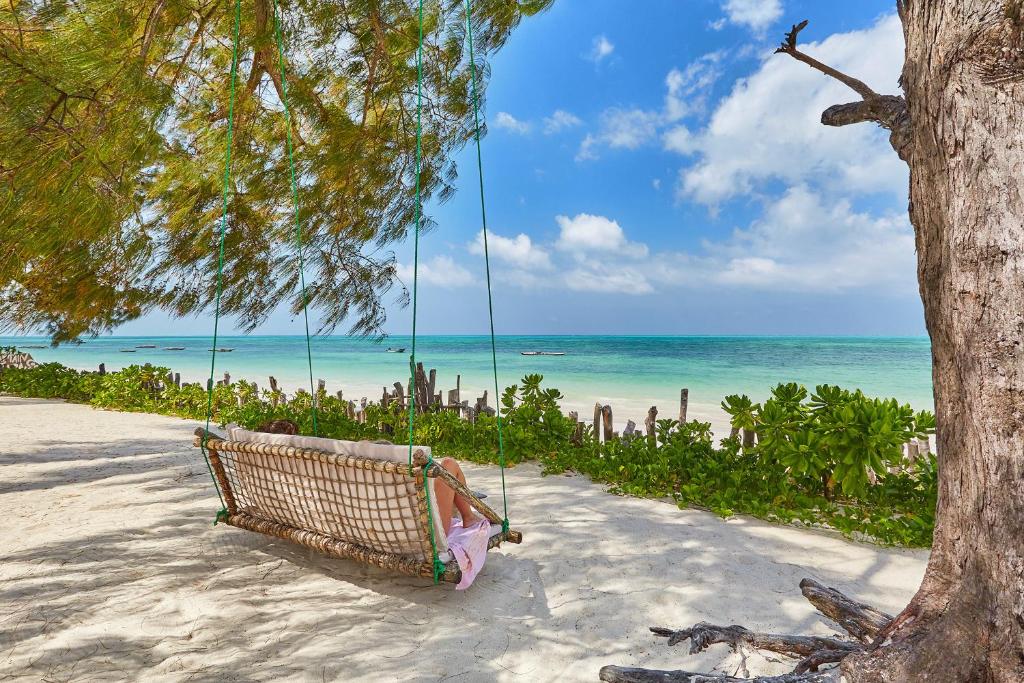
When most people picture Zanzibar beaches, they see white sand, clear blue water, and palm trees. While this is true, different stretches of coastline have their own distinct characters, so you’ll want to pick a beach in Zanzibar that meets your vacation expectations. If you’re looking to spend a lot of time on the beach, this choice may affect where you stay.
Nungwi and Kendwa (north) are the most visited for good reason. The water is calm year-round, the sunsets are amazing, and there’s a healthy range of accommodation from budget guesthouses to boutique resorts.
Kendwa Beach tends to be slightly quieter than Nungwi and is one of the few beaches where you can swim comfortably at low tide. They’re only about 2.5 mi (4 km) apart, making Kendwa walking distance (about 45 mins) from Nungwi if the latter gets too busy.
Matemwe (northeast) is the best base for divers, as it’s closest to Mnemba Atoll. It has a working fishing village alongside the tourist strip, which gives it a less touristy feel than the north coast.
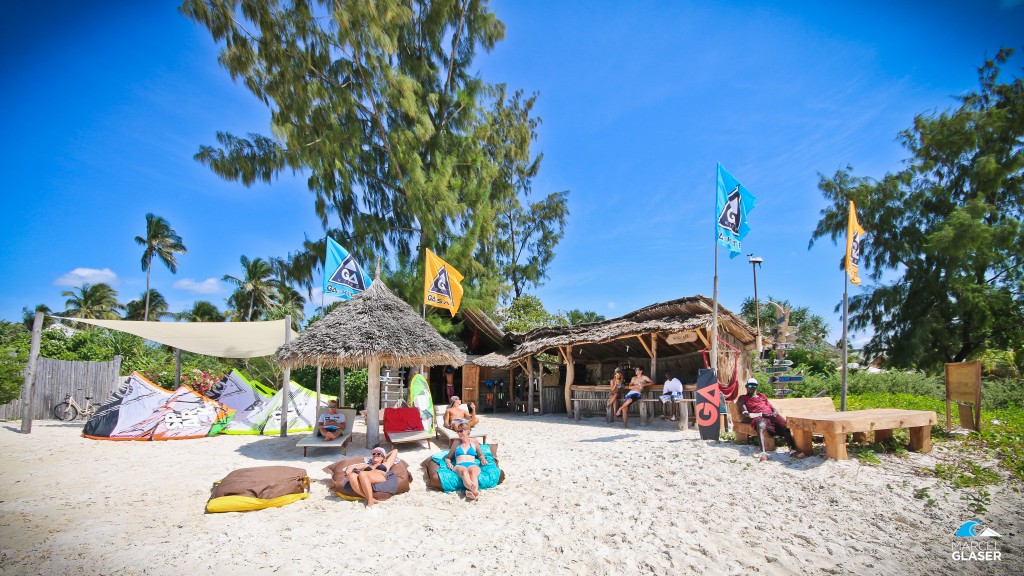
Paje and Jambiani (southeast) attract kitesurfers and travelers looking to escape the resort scene. The reef here creates a large tidal lagoon that’s beautiful at high tide and very shallow at low tide. Check tide times if you’re planning your day around swimming; high tide is best for swimming, while low tide is best for beach walks.
Safari Soles Recommends: Kendwa is our top beach pick for first-time visitors! It’s widely regarded as the best beach in Zanzibar. Kendwa doesn’t disappear at low tide, the swimming is consistently good, and it’s a short drive from Stone Town. If you’re a diver, base yourself in Matemwe instead and day-trip to Kendwa for your beach days.
Immerse Yourself in Stone Town’s Culture and History
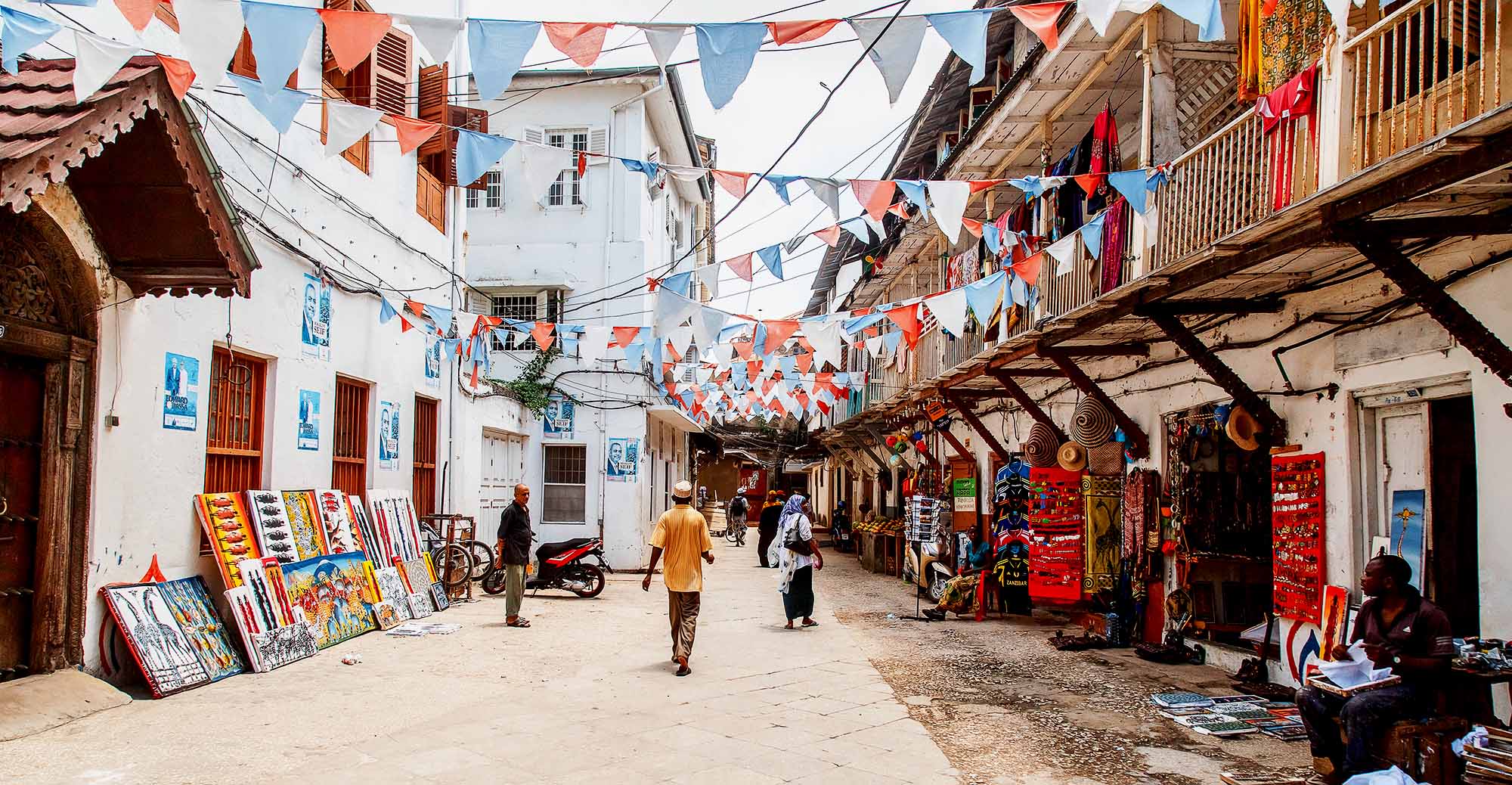
Stone Town is unlike anywhere else in East Africa and is the best place to explore in Zanzibar. A UNESCO World Heritage Site and Zanzibar’s cultural and historical core, it’s a dense, walkable old town where Arab, Indian, African, and European influences have all left their mark due to trade.
The signature feature of Stone Town is the carved wooden doors. You’ll find more than 500 of them, each one different, ranging from simple Swahili designs to elaborately decorated Arab-style doors. In Stone Town’s narrow lanes, it really feels like a cultural hotpot, with bustling markets, mosques, colonial-era buildings, and small cafes on every corner.
Key landmarks include the House of Wonders, the Old Fort, and the Sultan’s Palace, which are all within easy walking distance of each other. Big fan of the band Queen? Don’t miss out on visiting the Freddie Mercury Museum, where lead singer Freddie Mercury spent his childhood years.
The best way to experience Stone Town is to wander without a fixed itinerary. You can see most of the main sights in a day, but you’ll find hidden gems on a second ramble once you have your bearings.
Safari Soles Recommends: Take a tour of the fascinating Changuu Island, located just a short boat ride north of Stone Town. A 19th-century yellow fever quarantine station, Changuu Island, also known as Prison Island, perfectly blends Zanzibar’s nature and history. It’s the best place to see Aldabra giant tortoises in the archipelago, and wonderful for snorkeling.
Zanzibar earned its “Spice Island” nickname over the centuries as a major producer of cloves, vanilla, cinnamon, and nutmeg. A guided spice farm tour is a highlight for many guests and is more engaging than it sounds, even if you’re not much of a foodie. We find it’s among the most popular tours to take on Zanzibar Island.
We don’t currently run any spice tours, but they usually last 2 or 3 hours, during which you’ll sample freshly picked fruit, like stonefruit and coconuts, and learn about local agriculture and history. You’ll learn the history of the spice trade, how Zanzibar’s economy was built on it, and how it shaped the island’s relationships with Arab traders and colonial powers.
Some plantations grow around 50 different spices and plants, with a rotating selection of tropical fruits like jackfruit, star fruit, and Zanzibari bananas available to sample depending on the season. Walking spice tours usually cost between $15 and $30 per person, with lunch add-ons pushing that higher.
Safari Soles Recommends: Look for a tour that combines a visit to a spice farm with a stop at a local village. The agricultural context lands better when you can see how spices are still woven into everyday Zanzibari cooking and life, not just presented as a historical exhibit.
Go Diving or Snorkeling in Vibrant Coral Reefs
The waters surrounding Zanzibar are among the most biodiverse in the Indian Ocean. Mnemba Atoll, off the northeast coast, is the standout dive site with clear visibility, abundant reef fish, green turtles, and regular dolphin sightings. It’s accessible as a day trip from most parts of the island, though staying in Matemwe puts you closest.
Chumbe Island Coral Park, a private marine reserve off the west coast, is the best snorkeling option on the island. The reef is well-preserved and shallow enough for non-divers to fully appreciate it.
For whale shark encounters, Mafia Island (a short flight from Zanzibar) is one of the best places in the world. If that’s on your list, it’s worth the detour.
Safari Soles Recommends: If you only have time for one underwater experience, choose Mnemba Atoll. Pick an operator who limits group sizes, as the reef is best experienced without 30 other people in the water. Safari Soles offers a half-day small-group Mnemba Atoll tour that includes lunch in Matemwe.
Hop Across Islands on the Tanzanian Coastline
Zanzibar Island is the most visited of the archipelago, but the surrounding islands each offer something distinct and are well worth exploring:
Pemba Island — Considered by many to be the best diving destination in East Africa, Pemba is less visited and known for its unspoiled, rugged beauty and laidback atmosphere. It’s ideal if you’re looking to avoid touristy spots and large crowds.
Mafia Island — Home to the Mafia Island Marine Park, Mafia is around 100km south of Zanzibar and is the best destination on the East African coast for whale shark diving.
Mnemba Island — A small private island 3.5km off the northeast coast of Zanzibar, encircled by one of the healthiest coral reefs in the region. The island itself is home to the exclusive &Beyond Mnemba Island Lodge, but non-guests can visit the atoll on day snorkeling and diving trips — one of the best half-days you can spend in Zanzibar.
Prison Island (Changuu) — Just 20 to 30 minutes by boat from Stone Town, Prison Island was originally built as a holding facility in the 1890s before becoming a quarantine station. Today, it’s best known for its population of giant Aldabra tortoises, some over 150 years old, which roam freely and can be fed by visitors. Entry costs around $15 for foreigners, though boat transport out to the island is arranged separately.
Misali Island — A small, largely undeveloped island off the west coast of Pemba with a protected marine reserve and excellent snorkeling. Local legends and folklore say that the island is sacred, and visitors are asked to respect local customs. It’s also said to have been a hideout for Scottish pirate Captain Kidd.
Chumbe Island Coral Park — A private marine reserve off Zanzibar’s west coast with one of the best-preserved coral reefs in the region. Access is limited and managed carefully, which keeps the reef in exceptional condition. There’s an eco-lodge on the island for overnight stays. Our Chumbe Island day tours have been highly praised by our guests, with some saying this island offers a unique perspective of Africa they’d not seen before.
Chapwani Island (Grave Island) — A quiet, forested island a short boat ride from Stone Town, home to a British naval cemetery and a small population of duikers (miniature antelope). A private resort operates on the island, but day visitors are welcome for lunch and drinks on the beach.
Zanzibar’s wildlife offerings go well beyond the reef. The island has some special land-based encounters that most beach-focused visitors overlook.
Dolphin Tours at Kizimkazi — Zanzibar Island’s southern coast is home to resident pods of bottlenose and humpback dolphins. We offer morning and evening tours of Kizimkazi, where you’ll have the opportunity to snorkel through the reefs, with around an 80% chance of spotting dolphins. It’s a private tour, so there’s no overcrowding or disturbance to the dolphins. You can even combine this trip with a tour of Jozani Forest, as it’s on the way.
Jozani Forest - Zanzibar’s only national park protects the island’s last large area of indigenous forest and is the only place where you can see the Zanzibar red colobus monkey in the wild. These funky-looking primates, with their reddish-brown fur and distinctive black faces, were once critically endangered; however, conservation efforts at Jozani have helped stabilize the population. The guided forest trail takes around 45 minutes and includes a mangrove boardwalk. It pairs well with a visit to a spice farm or a dolphin tour if you’re heading to the east or south coast.
Safari Soles Recommends: Add the Nungwi Natural Aquarium and Turtle Sanctuary to your itinerary, particularly if you’re traveling with children. It’s a small but meaningful conservation project that rehabilitates injured and young sea turtles before releasing them into the ocean. Entry fees go directly toward the program.
Watersports in Zanzibar
Zanzibar is heaven for lovers of watersports, with options for travelers who want to take it slow and for those seeking an adrenaline-fuelled adventure.
Kitesurfing - Paje on Zanzibar Island's southeast coast is the kitesurfing capital, with a wide shallow lagoon, consistent winds, and multiple IKO-certified kite schools catering to all abilities. Jambiani, just south of Paje, offers similar conditions with fewer crowds. Kiwengwa on the northeast coast is a strong alternative for intermediates and advanced riders, with a natural lagoon and deeper outer channels. The main wind seasons run from June to October (stronger winds, better for experienced kitesurfers) and December to March (lighter winds, ideal for beginners).
Jet Ski - Nungwi and Kendwa are jet skiing hubs, with guided safaris heading out to the secluded island of Tumbatu along the pristine north coast. Kendwa's non-tidal waters make it particularly reliable for access at any time of day. Paje is also a popular jet skiing destination.
Parasailing - Nungwi and Kendwa are also excellent for parasailing, with operators taking riders up to 984 ft (300 m) above the ocean for sweeping views of the coral reef, white sand beaches, and the coastline stretching south.
Flyboard & Hoverboard Surfing - Both available at Nungwi through specialist operators. Flyboarding uses water jets to launch you several meters above the surface. It’s harder than it looks and great fun! Sessions typically run 20 minutes, which is plenty for first-timers.
Banana Boat Rides & Other Boat Rides - Available at most beach resorts across the north and east coasts. Nungwi and Kendwa have the largest concentration of operators offering banana boats, ringos, and tube rides.
Kayaking & Stand-Up Paddleboarding - The calm lagoon waters at Kendwa, Jambiani, and Matemwe are ideal for both. Kayaking is also a popular way to explore the mangrove channels around the island at your own pace.
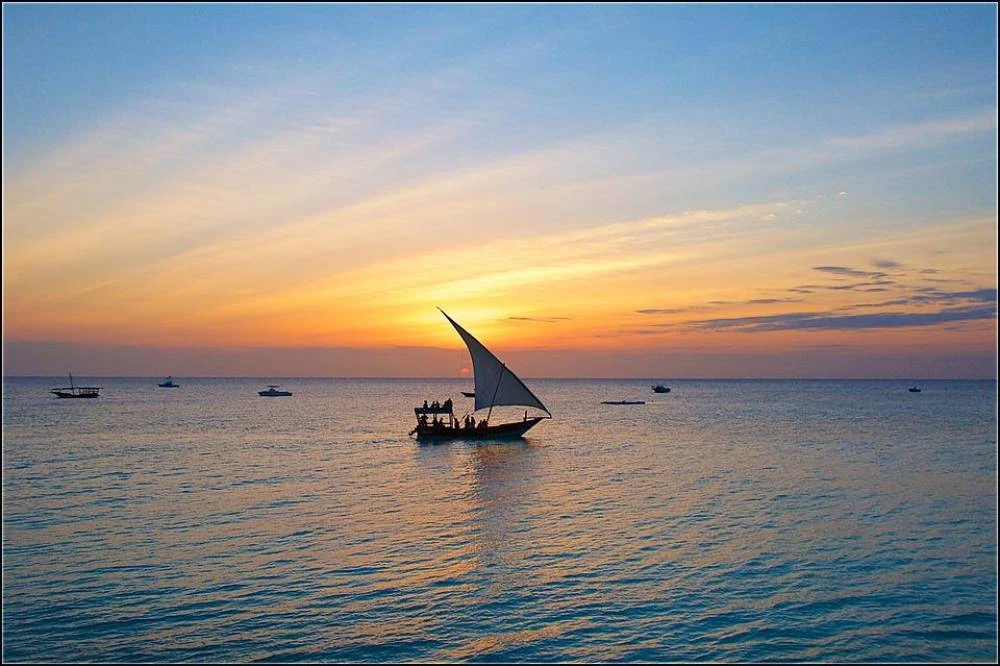
Safari Soles Recommends: We highly recommend booking a dhow cruise during your visit to Zanzibar. Traditionally used for trading, these sailboats are found only in East Africa and the Middle East, offering a unique perspective on the islands and the world beneath the waves. Check out our sunset dhow cruises for the perfect end to your day in Zanzibar.
The Best Restaurants in Zanzibar
Zanzibari food is one of the most underrated things about the islands. Zanzibar has a unique cuisine shaped by its trade history, combining Swahili, Arab, Indian, and Portuguese influences. Some of our favorite places to eat in Zanzibar include:
The Rock Restaurant - Zanzibar's most iconic dining spot, perched on a coral outcrop off Michamvi Pingwe beach on the southeast coast. Reached on foot at low tide and by boat at high tide, it serves fresh seafood and Zanzibari-inspired dishes with extraordinary ocean views. Seating is limited to around 20 tables, so you’ll need to book well in advance, especially for sunset sittings. Expect to pay $30 to $60 per person without drinks.
Emerson Spice Rooftop Tea House - Set atop a beautifully restored 19th-century merchant's house in the heart of Stone Town, this is one of the most atmospheric dining experiences on the island. Diners can savor rooftop views across Stone Town while enjoying some of Zanzibar’s best seafood. Reservations are a must at this popular spot. Meals are around $40 at Emerson Spice Rooftop Tea House, which is well worth the outlay.
6 Degrees South Grill and Wine Bar- Easily one of the best spots for a cocktail overlooking the ocean in Zanzibar. 6 Degrees serves up everything from traditional mishkaki to fresh ceviche to mouthwatering tacos. Be sure to book a seat in the rooftop dining area to chow down while the sun sets.
Lukmaan Restaurant - The best place on the island for authentic, affordable Swahili food. This no-frills cafeteria-style spot in Stone Town serves generous portions of octopus curry, pilau rice, and biryani loaded with island spices. Popular with locals and in-the-know visitors alike, it’s one of the best budget-friendly options for food. Be sure to arrive at lunch when the food is freshest.
Safari Soles Recommends: Don’t skip the Forodhani Gardens night food market. Go early, around 6:30pm, before the crowds peak, and try the Zanzibar pizza (a local street-food delicacy), Zanzibari biryani, and fresh sugarcane juice. It’s a budget-friendly place for a bite to eat, serving some of the most memorable food in East Africa.
The Best Hotels in Zanzibar
Where you stay in Zanzibar shapes your experience as much as what you do. The island caters to every budget - from ultra-luxury private island retreats to well-priced Stone Town guesthouses - but the right choice depends on whether you're prioritizing beach, culture, or diving.
Luxury
Baraza Resort and Spa (Bwejuu) — One of the finest all-inclusive resorts in East Africa, styled after a Sultan's palace with lavish Swahili-Arabic architecture. Enjoy private plunge pool villas and the outstanding Frangipani Spa. Best for families and couples who want a high-end, care-free experience.
Zuri Zanzibar (Kendwa) — A contemporary eco-friendly boutique resort set around lush spice gardens on one of the north coast's best beaches. Its non-tidal location makes it a rare swim-any-time beachfront hotel. A great choice for couples and those with a love of interior design.
andBeyond Mnemba Island — Probably the most exclusive hotel in East Africa, andBeyond is just 12 beachfront bandas on a private island surrounded by one of the best reefs in the Indian Ocean. You can only access the island by boat, which is included in your stay. It’s the perfect hotel for honeymoons thanks to its secluded, romantic vibe.
Mid-Range
Emerson Spice Hotel (Stone Town) - An individually designed boutique hotel in a restored historic merchant's house, with some of the most distinctive rooms in Stone Town. The rooftop restaurant (one of our best picks) alone makes it worth considering as a base for exploring Stone Town and beyond.
Matemwe Attitude (Matemwe) - An adults-only beachfront hotel on the quieter northeast coast, offering excellent value compared to the five-star properties nearby. Peaceful and well-positioned for day trips to Mnemba Atoll.
Budget
Tembo House Hotel (Stone Town) - A reliable, good-value seafront hotel with a pool, which is rare at this price point in Stone Town. Nicely located for exploring the old town on foot.
Zanzibar Coffee House (Stone Town) - A charming guesthouse with locally inspired decor in the heart of Stone Town. Excellent value for travelers who want atmosphere over amenities. A little pricier than the Tembo Palace Hotel, but worth it for the rooftop restaurant views.
Safari Soles Recommends: If your trip combines Stone Town and the beach, split your accommodation rather than commuting daily. Two or three nights in Stone Town, then move to a beach property. It's a far better experience than treating either as a day trip. The Blue Oyster Hotel is a good budget-friendly beachfront hotel if you’re exploring the south of Zanzibar Island.