04 Apr
Kilimanjaro via Marangu route - 6 days
From 04 April - 11 April
Rain season- Starts in a Tropical Forest
- Forest Birds
- Overnight Stay in Huts
Join Group Deposit $100
 English
 Deutsch
 Français
 Español
 Italiano
 Português
Your guide to the Roof of Africa
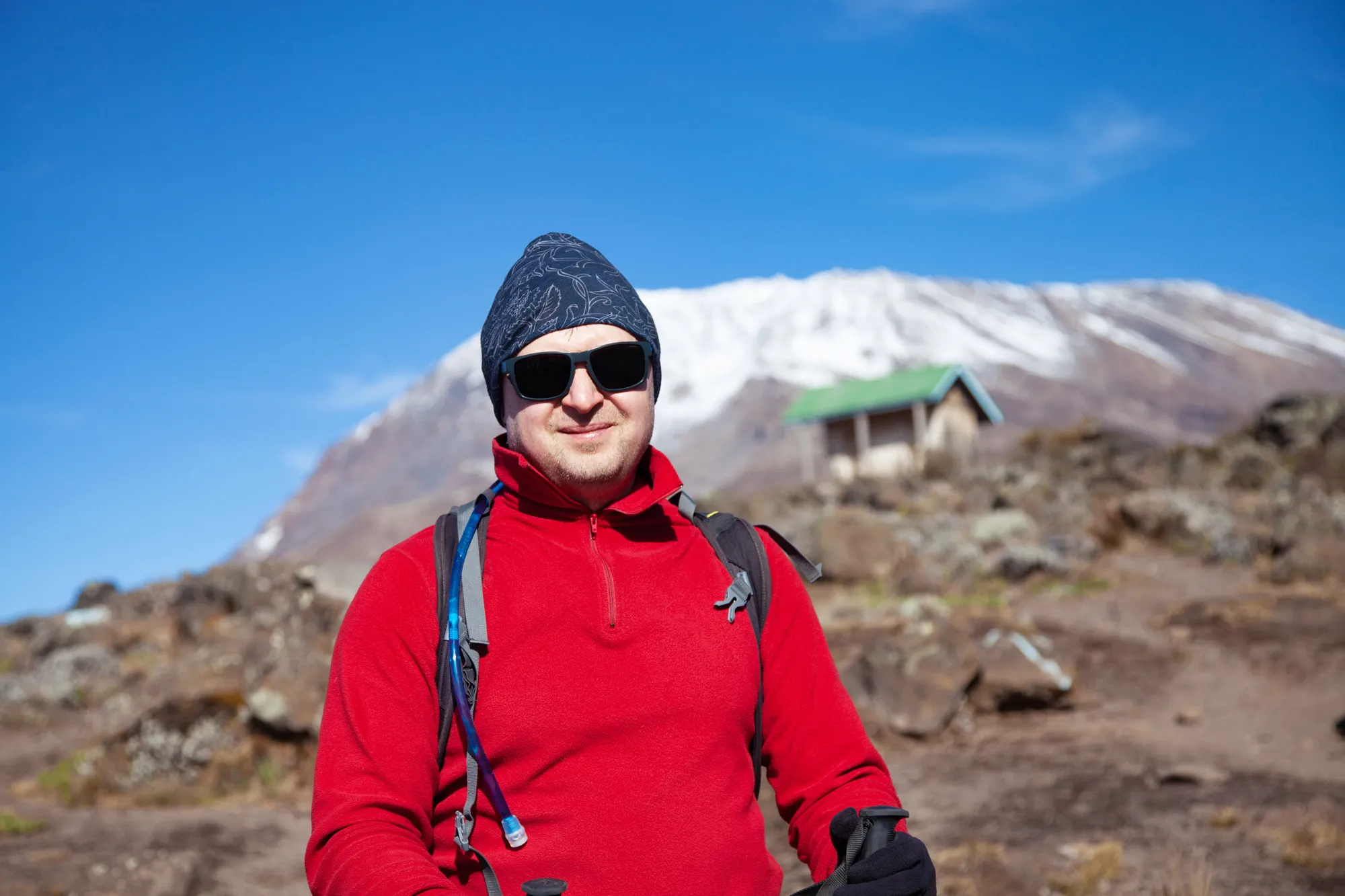
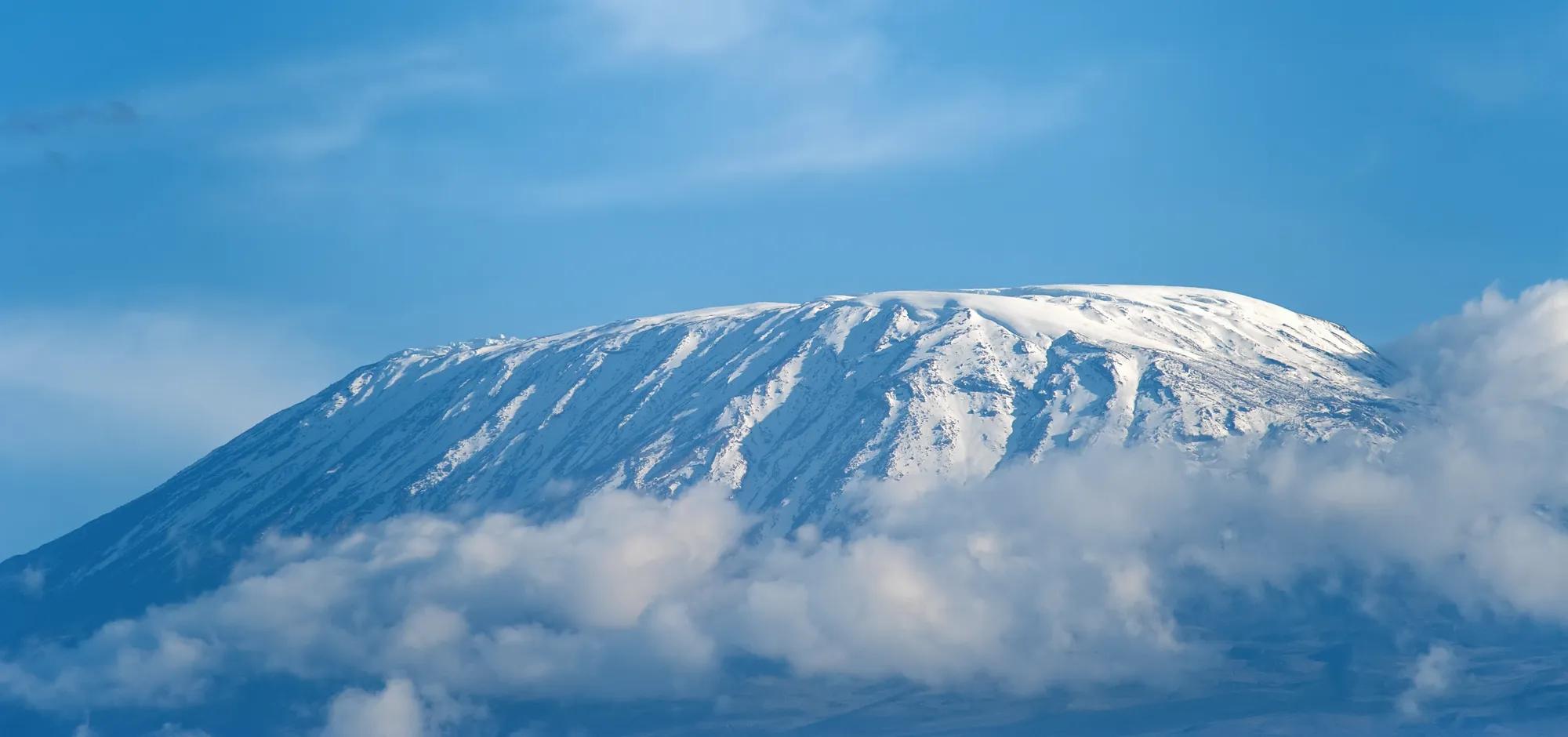
Mount Kilimanjaro is the highest mountain in Africa, rising to 5,895 meters above sea level. It is a dormant volcano that stands alone above the plains of northern Tanzania. Its snow-covered summit makes it one of the most famous climbing destinations in the world.
Climbers come for the Kilimanjaro climbing experience, both for the challenge and the changing landscapes. The route moves through rainforest, moorland, alpine desert, and arctic summit zones. As altitude increases, the air gets thinner and the hike becomes more demanding.
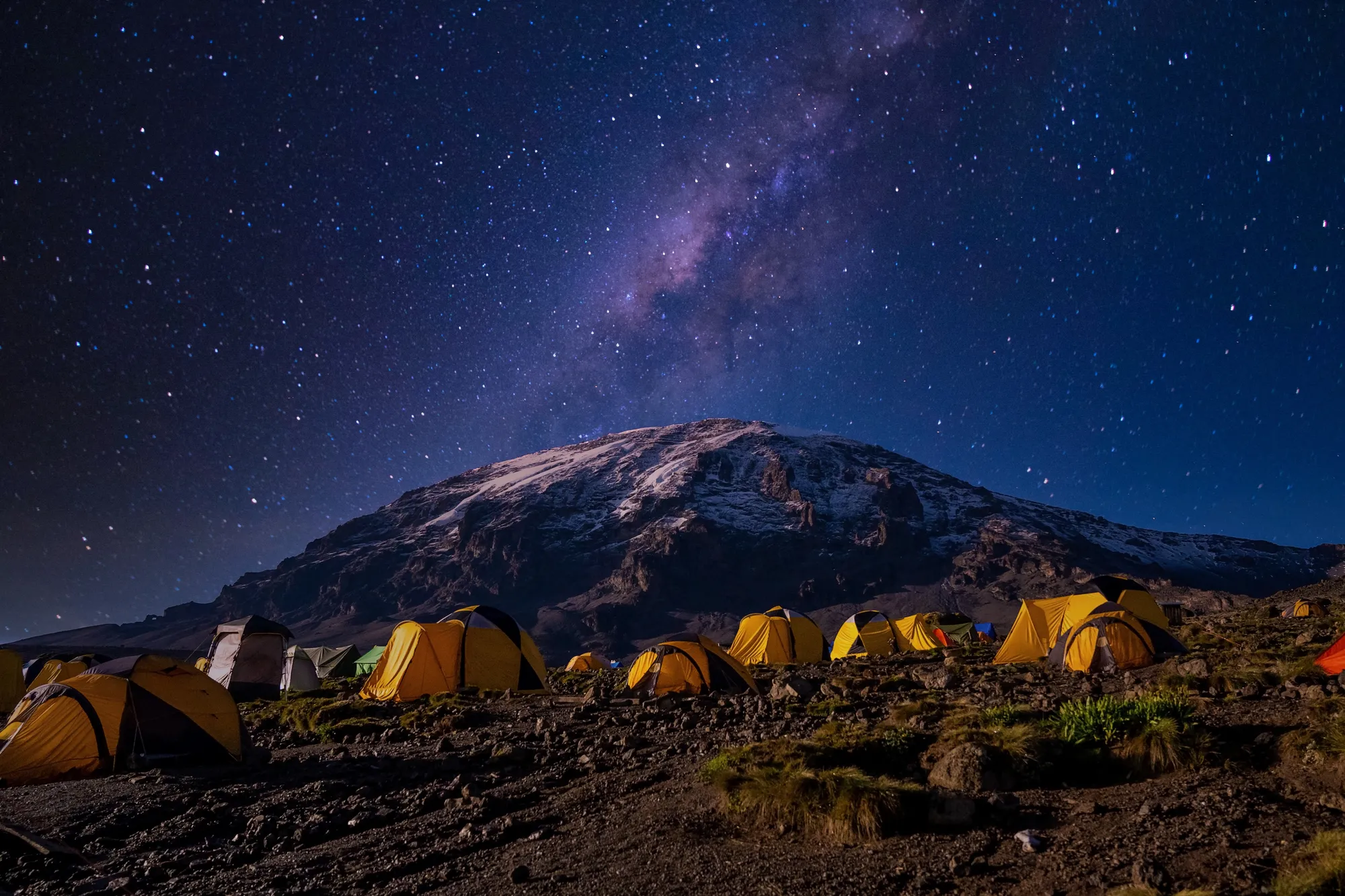
There are no mountain huts on most routes, so Kilimanjaro climbing is mainly done in tents. Climbers sleep at camps under the stars, supported by guides and porters throughout the journey. Summit night is the hardest part — cold, long, and physically tough.
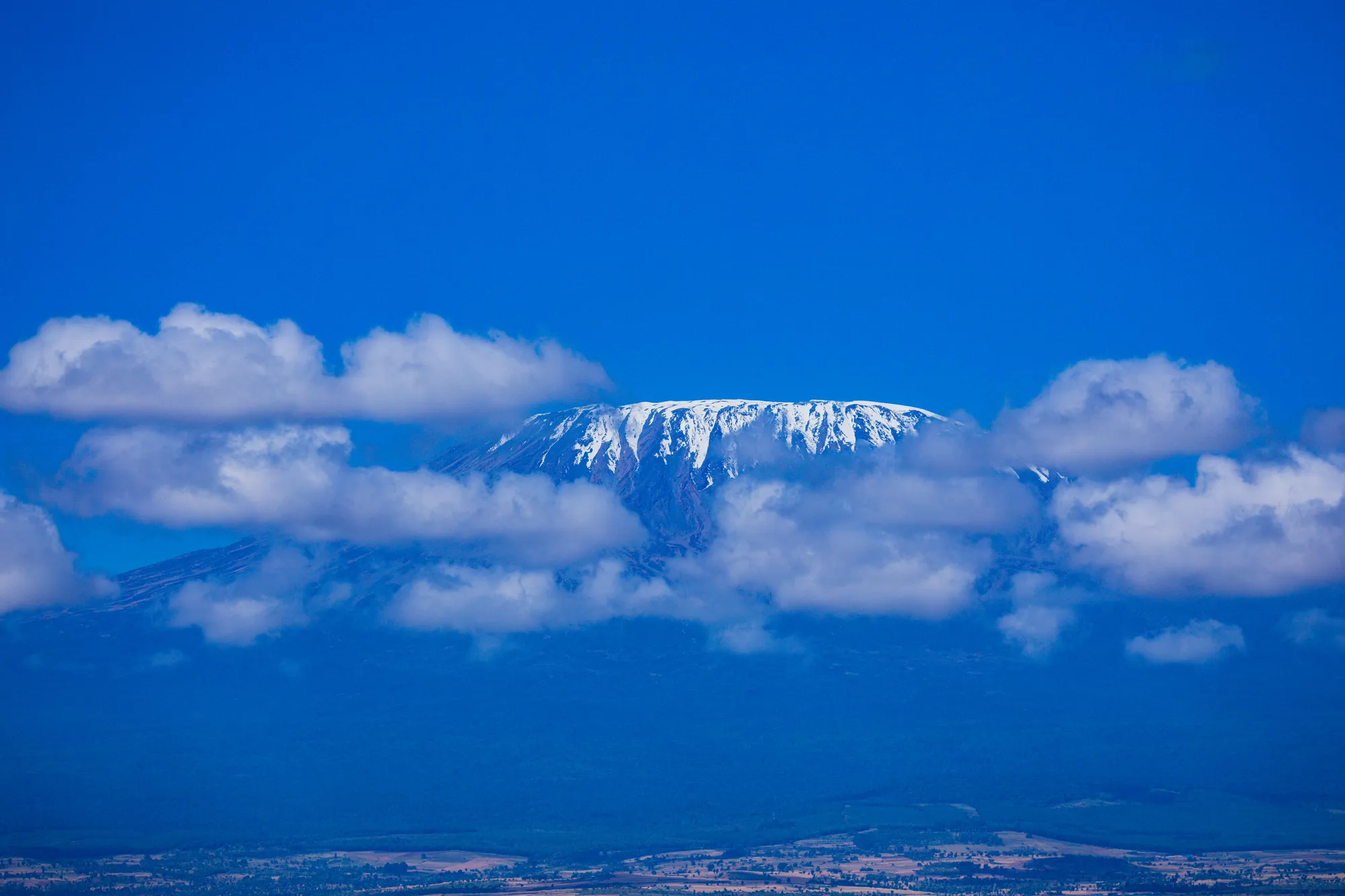
Even though the mountain is more accessible today, it still feels wild and powerful. Many climbers combine their Kilimanjaro trek with a Tanzania safari for a complete adventure experience.
Most people don’t climb only for the summit — they return with a stronger mindset and unforgettable memories.
Whether you aim for Uhuru Peak or just want a high-altitude adventure, Kilimanjaro is one of the best climbing mountains in the world.
 FREE EXPERT GUIDE
Choosing the right path is key when planning your climbing of Mount Kilimanjaro, the highest mountain in Africa. Several distinct Kilimanjaro climbing routes offer different experiences, durations, and challenges. Each route presents a unique journey through the mountain’s diverse ecological zones, from lush rainforests to alpine deserts and the arctic summit.
The selection of a route significantly impacts your acclimatization and overall success rate.
Here’s a look at the primary options for hiking Mount Kilimanjaro:
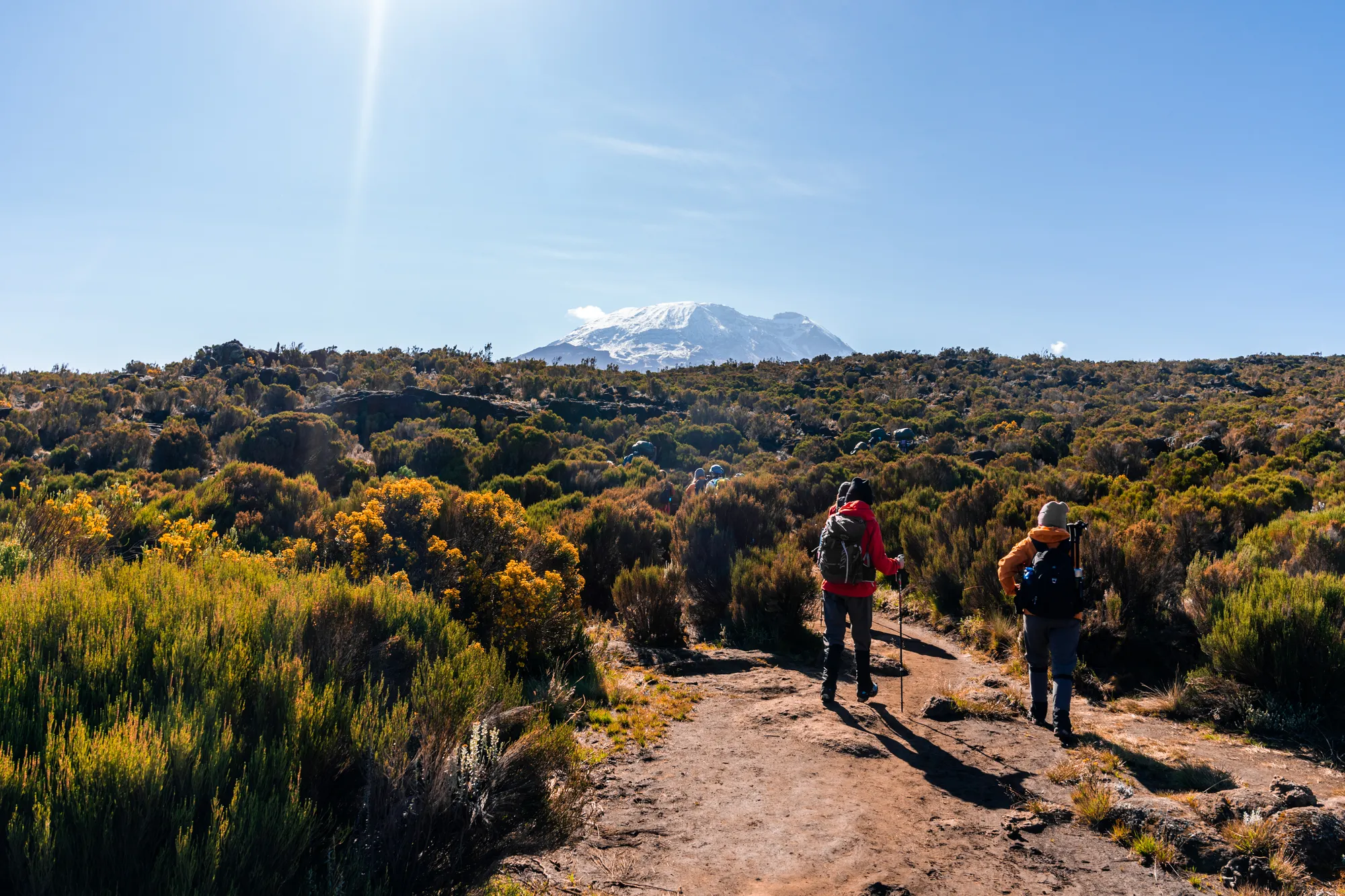
Often called the “Coca-Cola” route, it’s the oldest and busiest. It’s the only route with hut accommodations. While considered easier, its direct climbing can make acclimatization difficult, potentially lowering summit success rates.
Known for its scenic beauty and good acclimatization profile, this route is a popular choice. It involves camping and offers varied landscapes. Descending on a different path provides fresh views.
This route starts in a more remote area, offering a quieter experience and stunning scenery. It’s known for its high success rates due to excellent acclimatization opportunities and longer climbing days.
Approaching from the north, this route is drier and less crowded. It offers gentler climbing and a good chance of spotting wildlife in the lower sections.
Similar to Lemosho but starts at a higher altitude, which can pose acclimatization challenges. It eventually merges with the Machame route.
The longest route, it circles the mountain, offering incredible views and the best acclimatization. This extended journey typically leads to a higher summit success rate.
This is the shortest, steepest, and most challenging route. It requires good physical fitness and offers a direct, demanding climb.
Each of these Kilimanjaro climbing routes has a different length, typically ranging from 5 to 9 days. Longer routes generally provide better acclimatization, increasing your chances of reaching the Kilimanjaro summit successfully. The choice depends on your fitness, time, and desired experience for climbing Mount Kilimanjaro.
Often called the “Coca-Cola” route — the oldest and busiest, and the only route with hut accommodations. Direct climbing can make acclimatization harder.
Pros: Hut accommodation; straightforward trail; no camping.
Cons: Lower summit success on short itineraries; busy trail.
Climbing Kilimanjaro is a journey of physical and mental endurance. It’s not just about reaching the summit; it’s about the trek itself. The mountain presents varied landscapes, from lush rainforests at the base to stark alpine deserts and finally the icy summit zone. Each day brings new challenges and breathtaking views.
The climbing is a gradual process, designed to allow your body to adapt to the increasing altitude. This means long days of walking, often for several hours, with periods of rest. Summit night is the most demanding part, requiring significant stamina and a strong will. Many underestimate the physical conditioning needed, but proper preparation makes a world of difference.
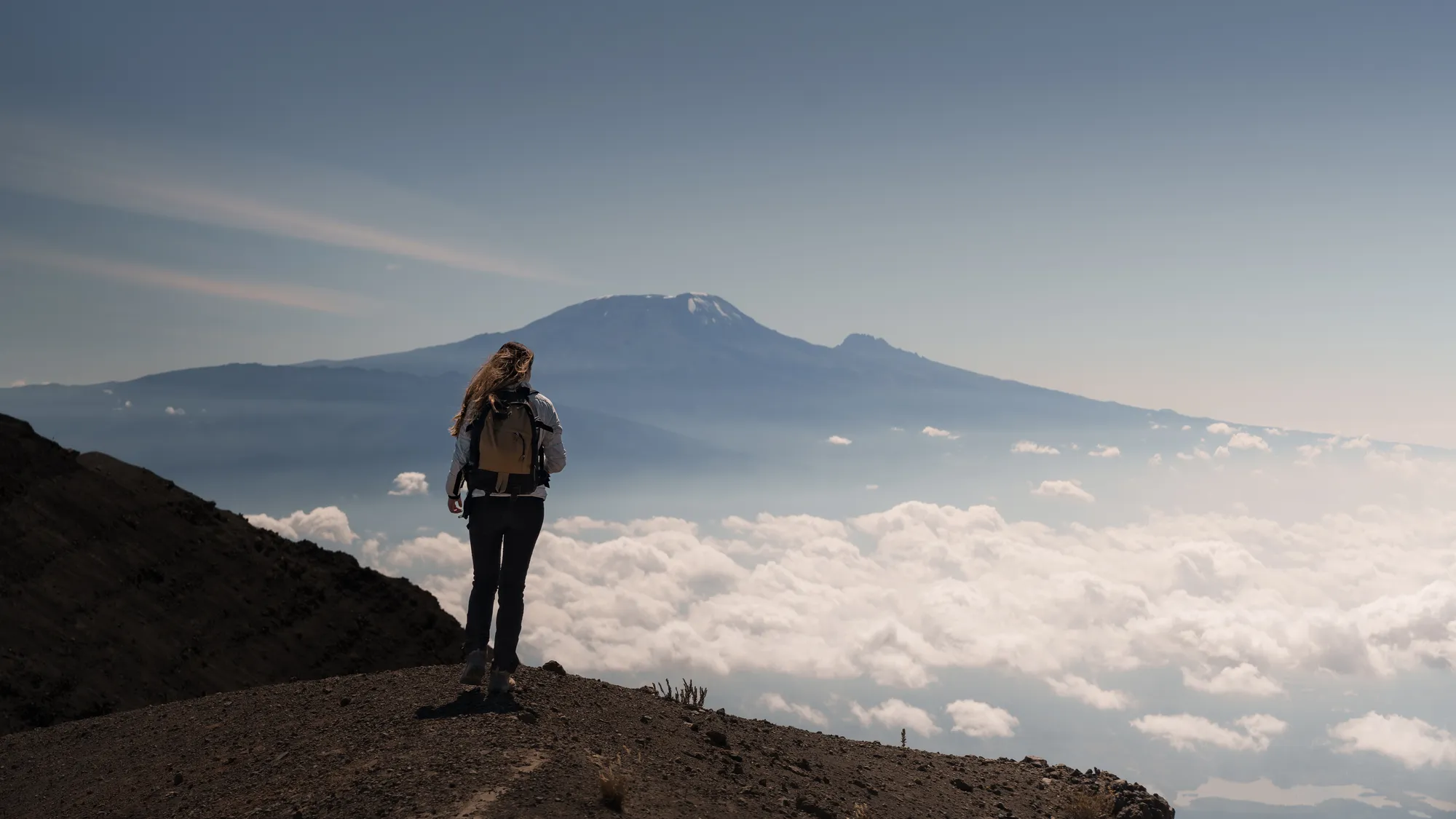
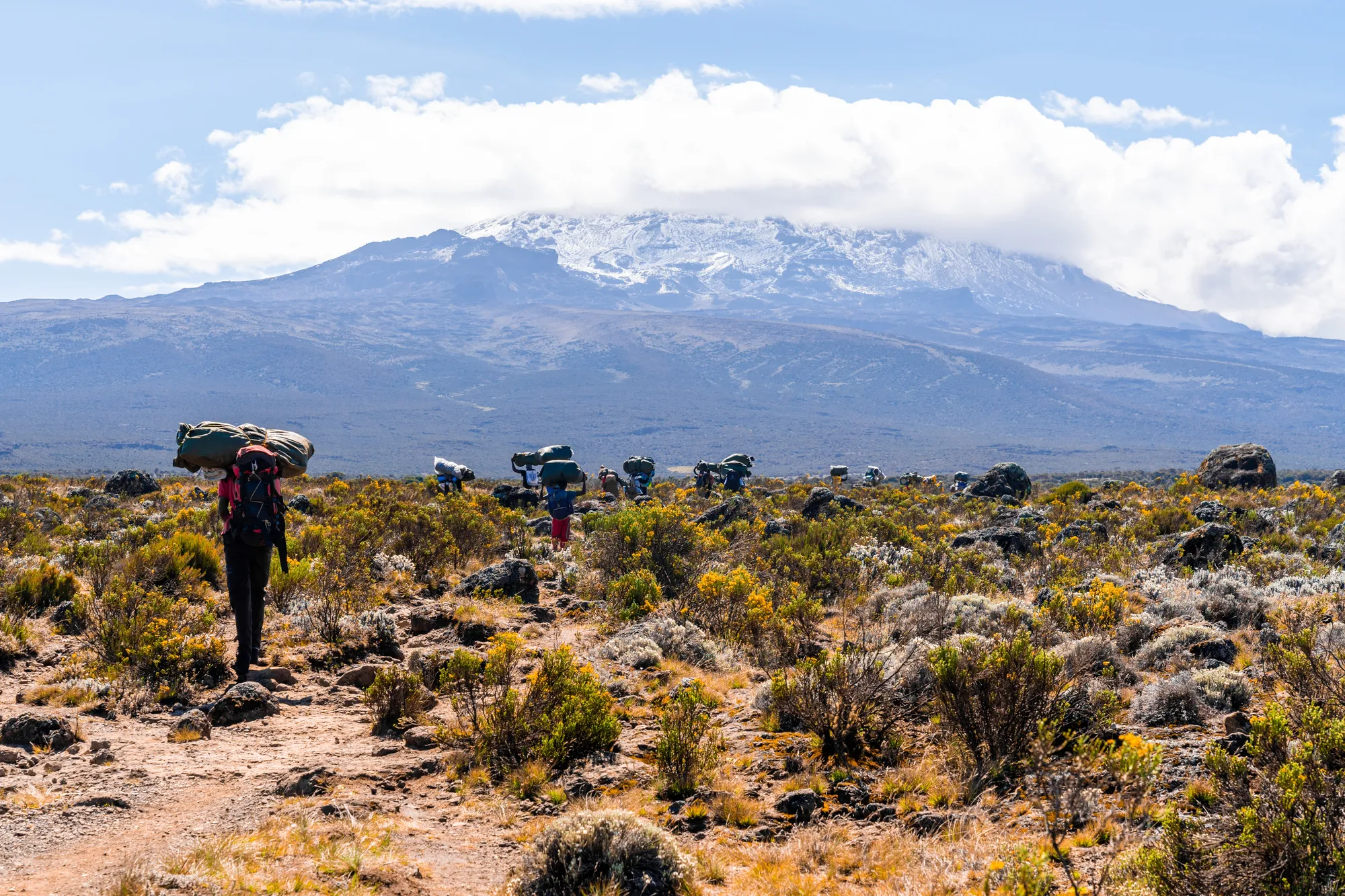
Altitude sickness is a real concern, and it affects everyone differently. It’s not a sign of weakness but a physiological response. Listening to your body and communicating with your guides is paramount. Choosing an itinerary with more days significantly increases your chances of success and enjoyment.
Success on Kilimanjaro often hinges on mindset. Breaking the climb into smaller, manageable goals — like reaching the next rock or rest stop — helps maintain focus. Controlled breathing and a steady rhythm are key. While fitness is important, consistency and patience often play a larger role. Remember, this is an adventure that requires respect for the mountain and yourself. For more insights into high-altitude adventures in Tanzania, consider Safari Soles Tours .
Evaluate your physical condition/stamina:
I can run less than 1 mileHave you climbed above 13,000 feet in the last 12 months?
Choosing the right time to climb Kilimanjaro significantly impacts the experience. The mountain experiences distinct wet and dry seasons, influencing trail conditions and visibility. The dry seasons offer the most favorable conditions for a successful climb.
Tanzania’s climate is tropical, with two main rainy periods. The short rains typically occur from November to mid-December, while the long rains span from March to May. During these times, trails can become muddy and challenging, and visibility may be reduced. However, fewer crowds might appeal to those seeking solitude.
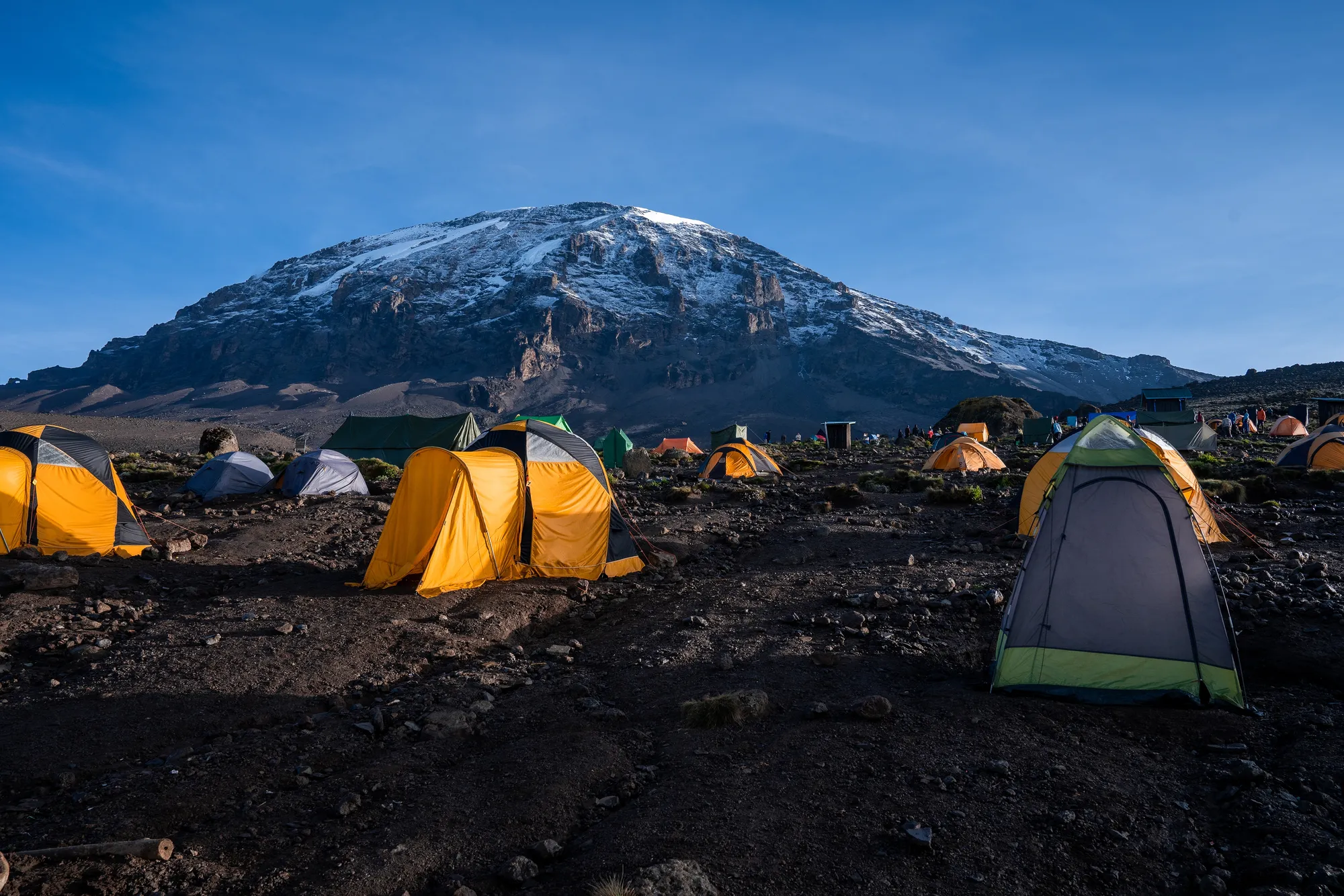
The primary dry seasons are generally considered the best time to climb Kilimanjaro. These periods provide clearer skies and more stable weather.
For those looking to avoid the peak season crowds while still enjoying good weather, mid-May to June presents an optimal window. It falls just before the main holiday rush but offers similar dry conditions.
Understanding these seasonal patterns helps in planning a trip that aligns with personal preferences for weather, crowd levels, and overall comfort. It’s wise to consult with tour operators for the most current conditions and advice.
When planning your adventure, consider that companies like Safari Soles Tours can provide detailed insights into the best climbing windows based on your desired experience.
Kilimanjaro presents a fascinating climate, changing dramatically with altitude. Think of it as climbing through several distinct weather zones. The lower slopes are warm and humid, often lush with vegetation. As you ascend, the air cools, and the landscape shifts.
The summit area experiences arctic conditions year-round. Temperatures here can plummet, especially at night. Expect freezing conditions, with average lows around -9°C (16°F) and daytime highs near -4°C (25°F). Extreme cold can push temperatures much lower, down to -27°C (-17°F).
Kilimanjaro has two main rainy seasons. The longer one runs from March to May, and a shorter period occurs around November. The northern side of the mountain receives significantly less rain than the southern side. Snowfall is possible at any time, though it’s more common during the rainy periods. Precipitation at the summit often falls as snow or graupel, melting within days or sometimes longer.
It’s important to be prepared for rapid weather changes. Conditions can shift quickly, so layering clothing is key. Even during drier months, the nights at higher elevations are cold. The mountain’s unique position near the equator, combined with its immense height, creates these varied microclimates. Understanding these patterns helps in planning your climb and packing appropriately.
Climbing Kilimanjaro involves a range of costs. These prices vary based on the tour operator, the route chosen, and the duration of the trek. Most reputable operators offer packages that cover essential services.
Park fees are a significant component. These include entrance fees, conservation fees, and a mandatory rescue fee. Expect these to be around £600–£800, depending on your itinerary. Your tour operator handles these payments in advance.
Typical package prices fall between £1,500 and £3,500. This usually includes:
It is wise to avoid the cheapest options. Higher prices often reflect better quality equipment, more experienced staff, and superior food. These factors contribute greatly to safety and enjoyment. For detailed travel advice, consider resources like Safari Soles Tours .
Some operators offer combined packages, such as a climb followed by a safari. For example, a 7-day climb with a 4-day safari might cost around $8,800. A climb-only option for the same duration could be approximately $5,900. Longer routes, like the 9-day Lemosho, will naturally cost more.
Choosing a package that includes experienced guides and adequate support is paramount. This investment directly impacts your safety and overall experience on the mountain. Do not compromise on quality when planning such an adventure.
When comparing packages, look closely at what is included. Some may have hidden costs. Always confirm details regarding gear rental, tipping guidelines, and any pre- or post-climb accommodation. Understanding these details helps in budgeting accurately for your Kilimanjaro adventure.
Proper gear is key for a successful Kilimanjaro climb. Think layers. You’ll need a moisture-wicking base layer, an insulating mid-layer, and a waterproof outer shell. Temperatures change drastically with altitude, so adaptability is important.
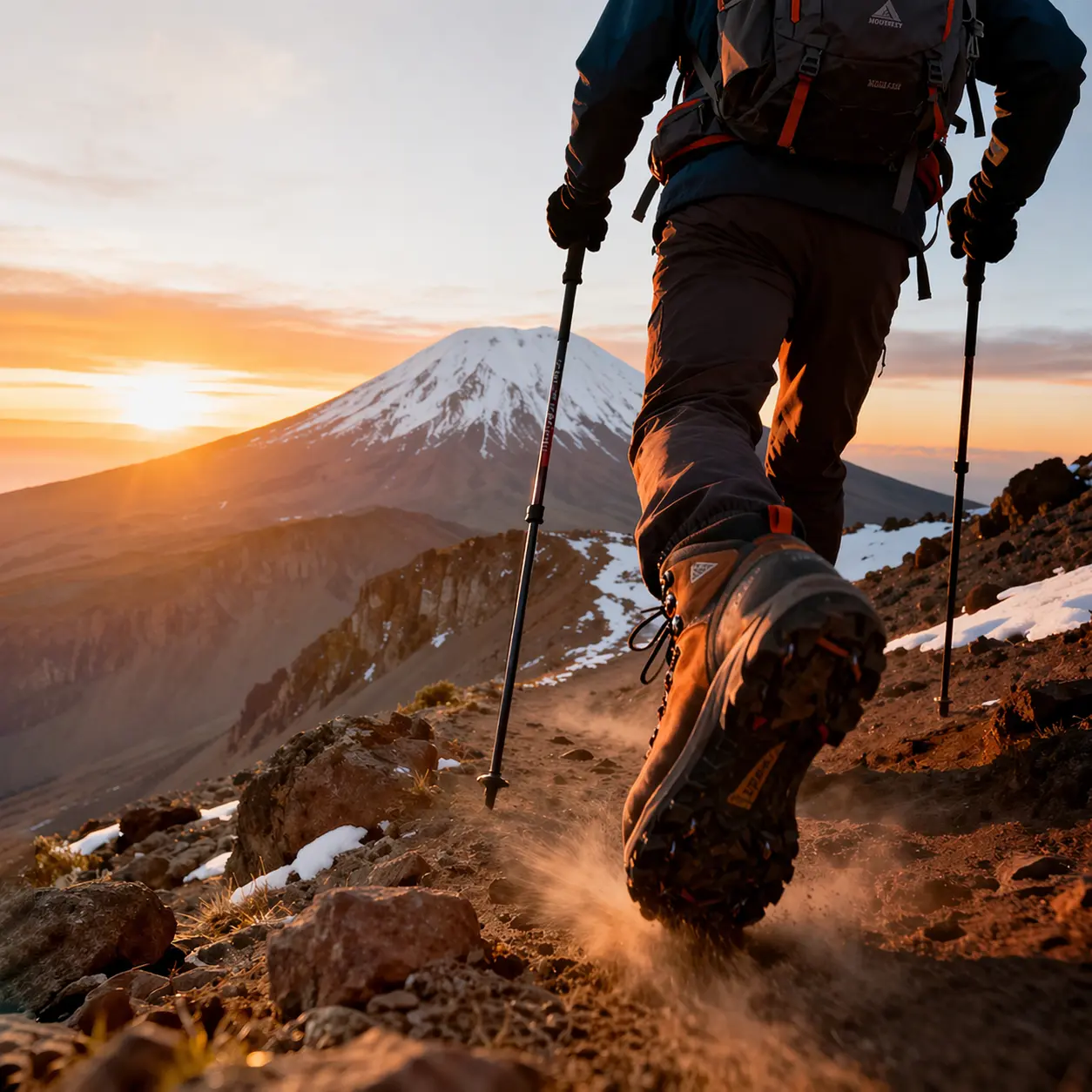
Footwear requires careful consideration. Sturdy, waterproof hiking boots are non-negotiable. Break them in well before your trip to avoid blisters. Pack several pairs of thick, warm socks.
Don’t forget accessories. A warm hat, gloves (including liners), and sunglasses are vital. A headlamp with extra batteries is also a must for early morning starts. Consider good quality sunscreen for sun protection.
The descent can be as challenging as the climbing. Prepare your knees and quads for the long downhill trek. Trekking poles can significantly reduce strain.
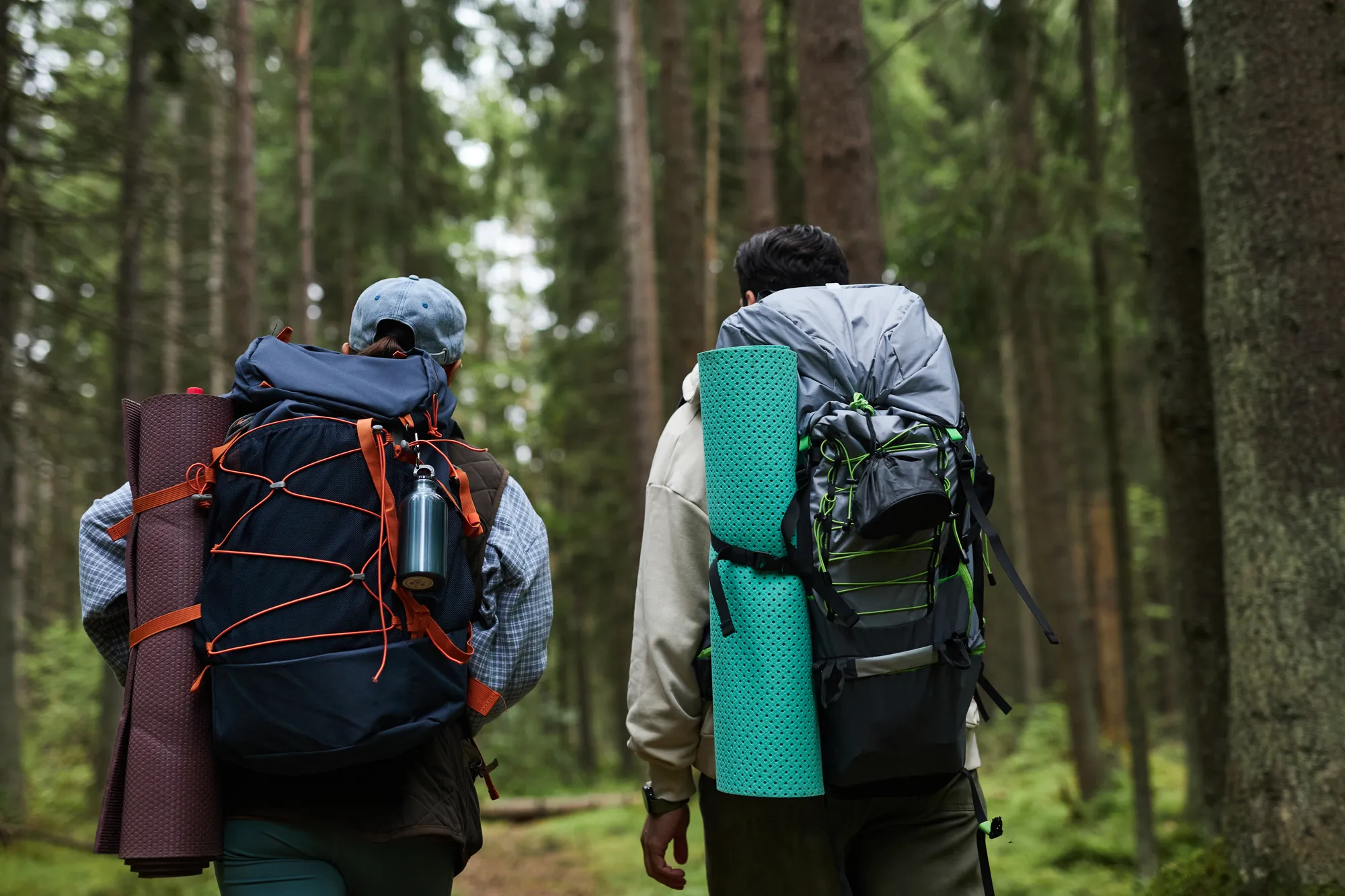
Carry a daypack for essentials like water, snacks, and extra layers. Porters will carry your main luggage, but it’s wise to pack efficiently. A detailed packing checklist, often provided by tour operators, can help prevent common mistakes.
Free expert-curated guide to everything you need
Climbing Kilimanjaro is a test of your body’s ability to adapt to altitude. Even fit individuals can experience challenges above 15,000 feet. Understanding how your body reacts is key.
Listen to your body; descent is always an option.
Mild symptoms are common and often manageable with slow climbing and good hydration. These can include:
If these symptoms remain mild and stable, you can usually continue climbing slowly. However, pay close attention to any changes.
If symptoms worsen or multiple issues arise, it may indicate AMS. Watch for:
If several of these appear, especially above 15,000 feet, stop ascending. Your guide will monitor you closely.
These are rare but life-threatening. Immediate descent is required if you experience:
No summit is worth risking your life. Prompt descent is the only treatment.
Guides use tools like pulse oximeters and monitor resting heart rate (RHR). While numbers provide data, symptoms are the most important indicator of your condition. A sudden RHR jump or consistently low oxygen saturation with symptoms are red flags.
Proper hydration is your best defense against altitude sickness. Aim for 3–4 liters daily. Dehydration can mimic or worsen altitude symptoms, leading to headaches and potentially failed summit attempts. Carry personal snacks for consistent energy intake.
Remember, acclimatization is a gradual process. Pacing yourself and staying hydrated are paramount for a safe and successful climb. For help planning your trek from gateway towns such as Arusha or Moshi, contact Safari Soles Tours .
Climbing Kilimanjaro requires more than just a desire to reach the summit; it demands thoughtful preparation. A solid training plan is your best ally. Focus on building a strong aerobic base. This means regular cardiovascular exercise. Think hiking, running, cycling, or swimming. Aim for consistency, ideally four to five days a week.
Incorporate strength training, especially for your legs and core. Squats, lunges, and planks will serve you well. Don’t forget to practice hiking with a weighted backpack. This simulates carrying your gear on the mountain. Gradually increase the weight and duration of these training hikes. If possible, seek out hills or stairs to mimic the sustained climbs you’ll encounter.
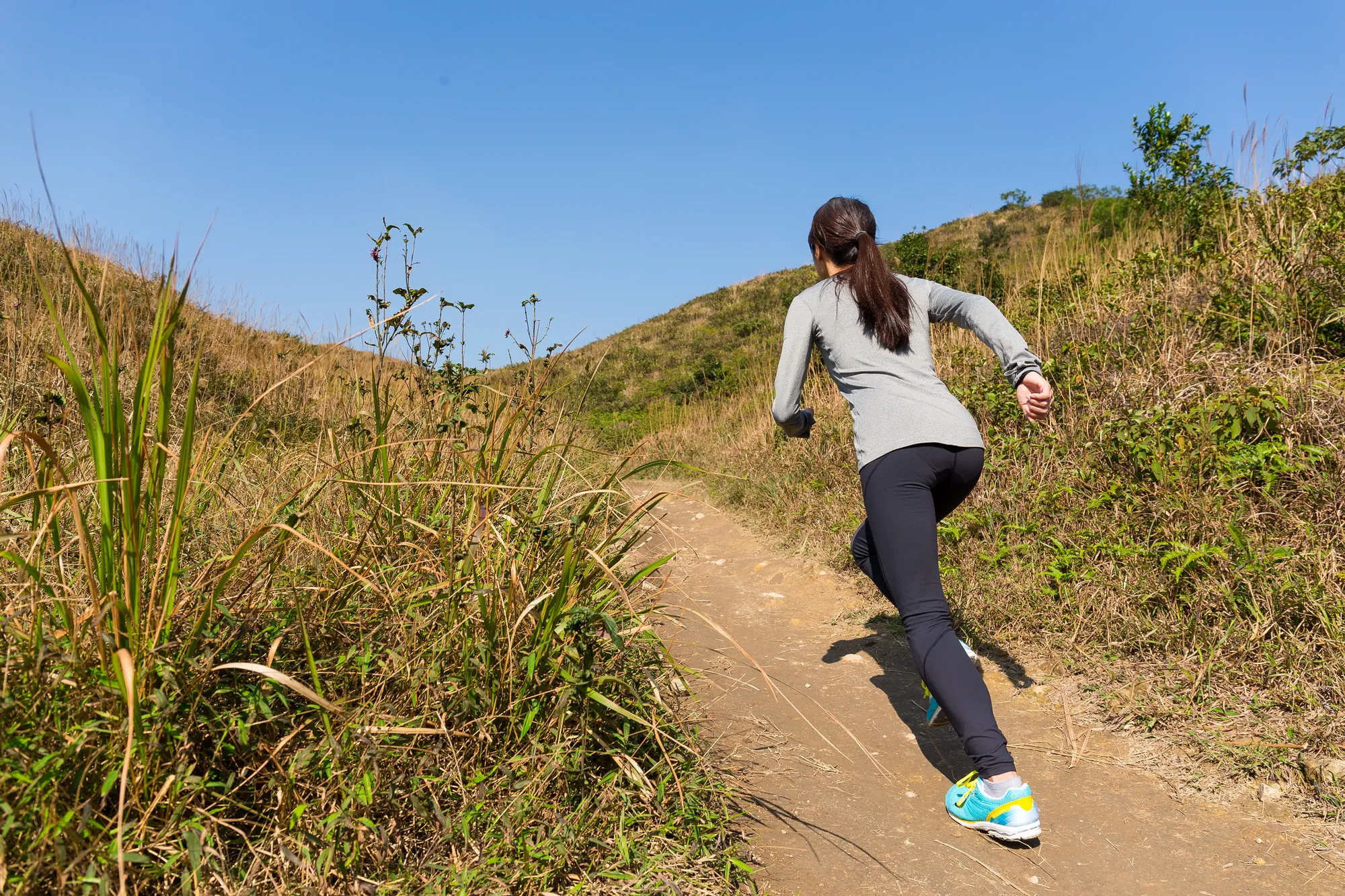
The descent is often underestimated. Training should include downhill hiking or step-down exercises to prepare your joints. Trekking poles are highly recommended for stability and to reduce impact.
It’s also wise to practice hiking in conditions similar to what you might face. This includes wearing your hiking boots and clothing. Ensure your gear is comfortable and well-tested before the expedition. Remember, consistent effort in your training leads to a more enjoyable and successful climb.
Reaching the roof of Africa begins with a journey to Tanzania. Most climbers fly into Kilimanjaro International Airport (KIA), also known as JRO. This airport serves as the primary gateway for international visitors heading to the mountain.
Direct flights are available from select European and Middle Eastern hubs. However, many travelers connect through major African cities. Common transit points include Addis Ababa, Nairobi, or Dar es Salaam. These hubs offer frequent connections to KIA, making the final leg of your journey straightforward.
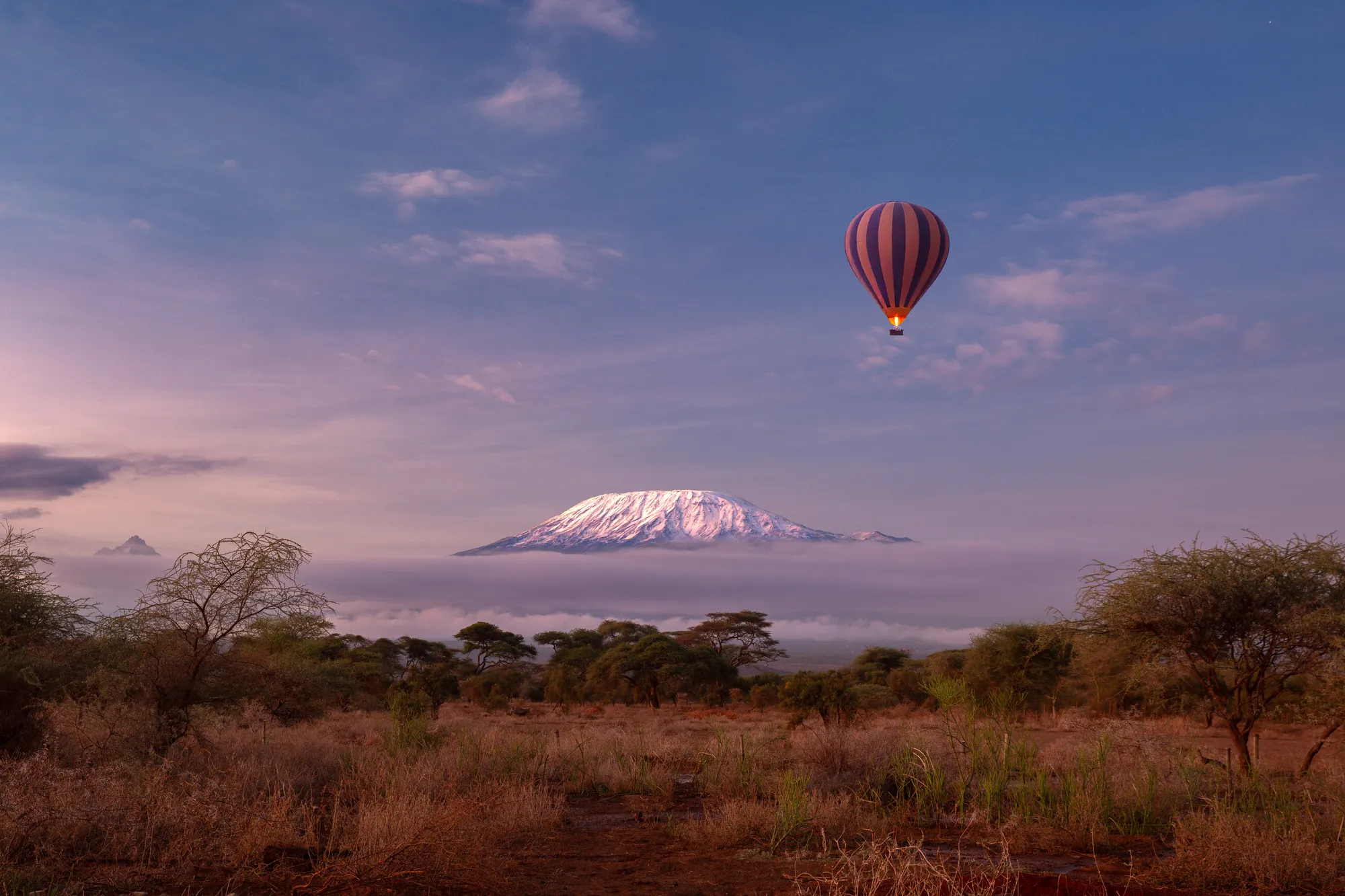
Upon arrival at Kilimanjaro International Airport, your adventure truly starts. You’ll typically be met by your tour operator. Many packages include airport transfers to your accommodation in nearby towns like Moshi or Arusha. These towns serve as the base camps for most Kilimanjaro expeditions. Moshi is located directly south of the mountain, while Arusha is a bit further southwest. The drive from the airport to these towns usually takes about an hour to 80 minutes. Choosing a reputable tour operator often means this transfer is pre-arranged, simplifying your arrival.
Consider the travel time needed to reach Tanzania. Factor in your international flight duration and any necessary layovers. It’s wise to arrive at least one or two days before your trek begins. This allows time to rest, acclimatize slightly to the local climate, and attend any pre-climb briefings. It also provides a buffer for potential flight delays. For more insights into planning your Tanzanian adventure, explore Safari Soles Tours .
Choosing the right partner for your Kilimanjaro climb makes all the difference. Safari Soles Tours stands out, offering a blend of seasoned expertise and genuine care. We focus on your safety and success, making the journey as rewarding as the summit. Our guides are not just experienced climbers; they are professionals with extensive mountaineering and wilderness medical backgrounds. This means you have a dedicated, knowledgeable leader every step of the way.
We understand that Kilimanjaro is more than just a mountain; it’s a cultural experience. Safari Soles Tours is committed to responsible travel, ensuring your adventure positively impacts local communities and preserves the unique heritage of Tanzania. You’ll connect with the land and its people in a meaningful way, experiencing the vibrant traditions firsthand.
Our approach prioritizes your comfort and well-being. We provide chef-prepared meals, comfortable dining tents, and private toilet facilities, setting a high standard for mountain expeditions. This attention to detail ensures you can focus on the climb and enjoy the incredible scenery.
We believe that climbing Kilimanjaro should be an accessible dream. Our packages are designed to provide exceptional value, combining top-tier guiding with an unforgettable adventure. Let Safari Soles Tours guide you to the Roof of Africa. Discover more about planning your climb with us .
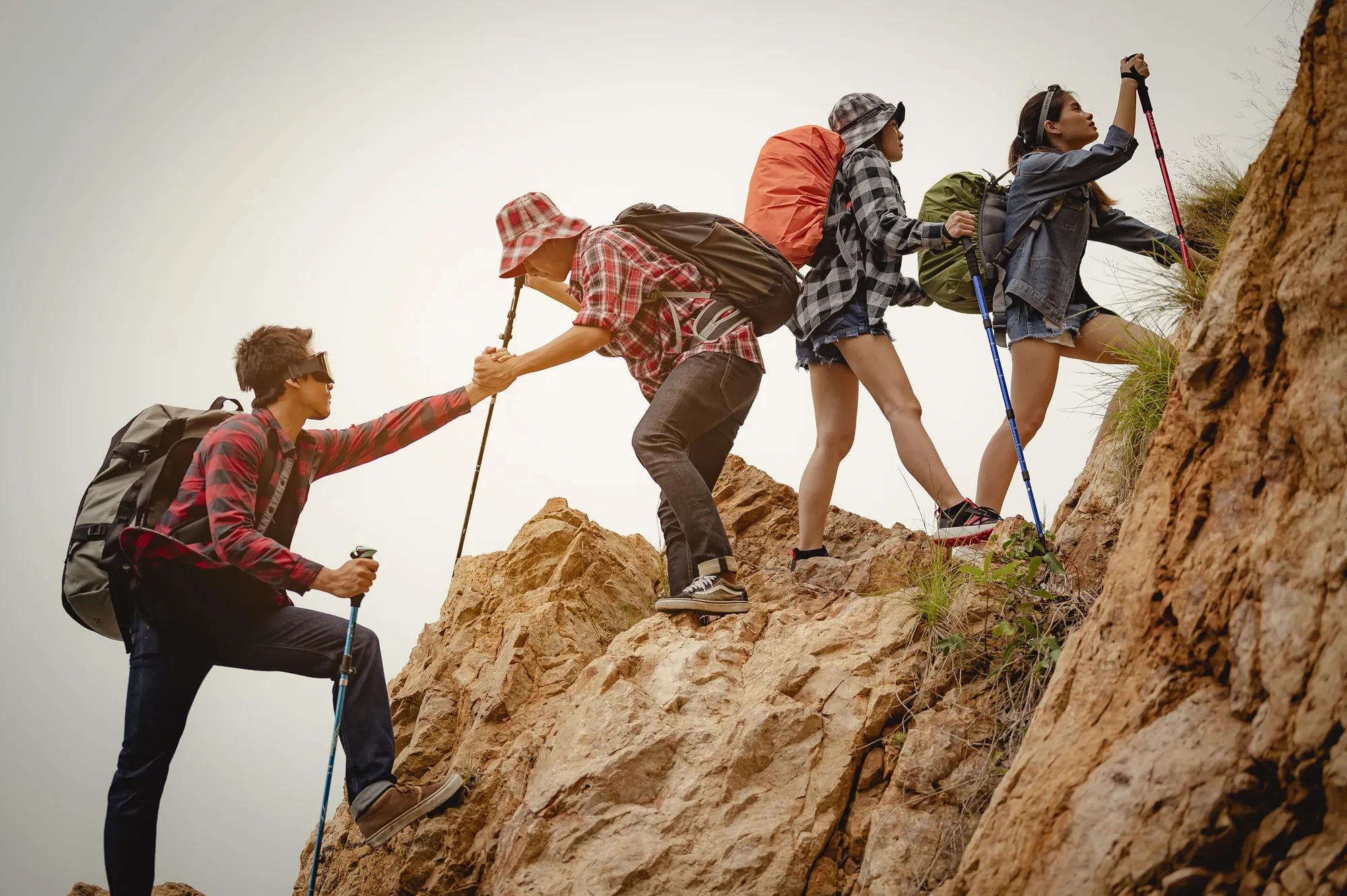
From 04 April - 11 April
Rain seasonFrom 11 April - 19 April
Rain seasonFrom 25 April - 02 May
Rain seasonBooking your Kilimanjaro climb with us is simple — reserve your spot with just a $100 deposit. After that, you'll receive access to your personal trip account, where you can easily fill in your medical information, allergies, food preferences, and gear details. Your consultant will stay in touch with you every step of the way to ensure a smooth and successful summit.
Book Now — $100 DepositMount Kilimanjaro is Africa's highest mountain, standing at 5,895 meters (19,340 feet). It's also the world's tallest free-standing mountain. People climb it for various reasons, including the challenge, the stunning views of diverse landscapes from rainforest to arctic zones, and the adventure of reaching the summit of such an iconic peak.
While Kilimanjaro isn't technically hard like some other mountains, the main challenge comes from its high altitude. The thin air, cold temperatures, and sometimes strong winds can make the trek very demanding. Even fit climbers can experience altitude sickness, so taking it slow and letting your body adjust is very important.
Many people can climb Kilimanjaro, from younger folks around 10 years old to older individuals in their 60s and 70s. The most important things are having the determination to reach the top and being in good physical shape. The altitude is the biggest hurdle, but with the right support, many can achieve this goal.
There are seven main routes to reach the summit of Kilimanjaro: Marangu, Machame, Lemosho, Shira, Rongai, Northern Circuit, and Umbwe. Each route has a different length, difficulty, and scenery. Some are shorter and steeper, while others are longer and offer better chances for your body to get used to the altitude, which can increase your success rate.
The best times to climb Kilimanjaro are during the dry seasons, which are from December to early March and from June to October. These periods offer clearer skies and less rain, making the climb safer and more enjoyable. It's generally advised not to climb during the main rainy seasons from March to May and November to mid-December.
The cost to climb Kilimanjaro can range from about £1,500 to £3,500. This price usually includes park fees, permits, guides, porters, food, and accommodation (either camping or in huts). Choosing a reputable tour operator is important, as they provide experienced staff and ensure safety, which is worth the investment.
You'll need to pack clothing in layers to handle changing temperatures, waterproof outer gear, warm sleeping bags, sturdy hiking boots, gloves, a hat, and trekking poles. It's also essential to bring sunscreen, sunglasses, and a headlamp. Tour operators usually provide a detailed packing list to make sure you have everything you need.
Yes, a climbing permit is required to ascend Mount Kilimanjaro. This permit covers park entrance fees, conservation fees, and a fee for mountain rescue services. These fees are typically handled by your tour operator and must be paid in advance to the park authorities.
"Absolutely life-changing."
Just returned from the Lemosho Route with Safari Soles. Our lead guide James was incredible — patient, knowledgeable, and kept our spirits high on summit night when it mattered most. Reached Uhuru Peak at sunrise. I'll never forget it…
Full ReviewLet us guide you safely to Uhuru Peak. Join thousands of successful climbers taking on the adventure of a lifetime with our expert team.