Rate : $0 to $0
Best time : July to September and January to February
High season :
August to October and December to March
Shimba Hills National Reserve, located south of Mombasa, is a unique ecological area in Kenya. It stands out as one of the last coastal rainforests in East Africa. This reserve is particularly known for being the only place in the country where visitors can see the Sable Antelope. It also features the impressive Sheldrick Falls, making it a notable destination for nature lovers.
Key Takeaways
Shimba Hills National Reserve is a coastal rainforest situated south of Mombasa, Kenya.
It is recognized as one of the last remaining coastal rainforests in East Africa.
The reserve is the sole location in Kenya where the Sable Antelope can be found.
Visitors can experience the beauty of Sheldrick Falls within the park.
The Shimba Hills National Reserve is an important area for plant biodiversity, with many rare and endangered species.
About Shimba Hills National Reserve
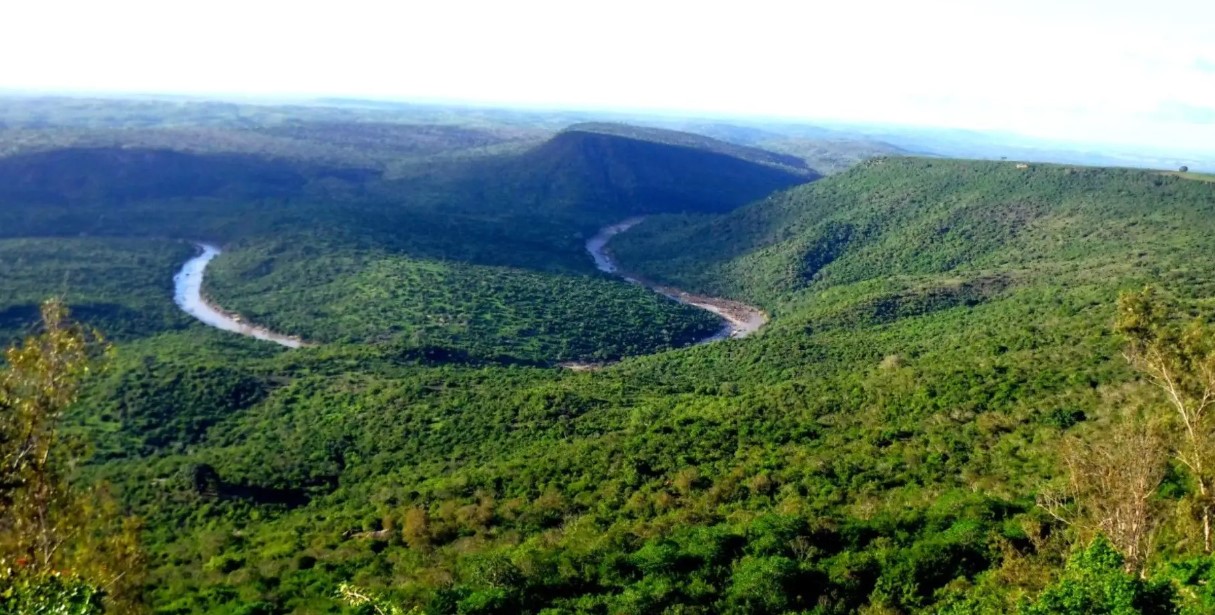
Shimba Hills National Reserve in Kenya is a special place, not too far from the coast. It's a relatively small park, covering about 192 square kilometers, but it packs a lot into that space. Think of it as a vibrant mix of coastal rainforest, open woodlands, and grassy hills. This variety means it's home to a surprising amount of life, from plants to animals.
One of the most notable things about Shimba Hills is its plant diversity. It's a haven for rare plants, with many species found nowhere else in Kenya. This makes it a really important spot for conservation. When you visit, you'll notice the lush greenery and the unique landscapes that support this rich plant life.
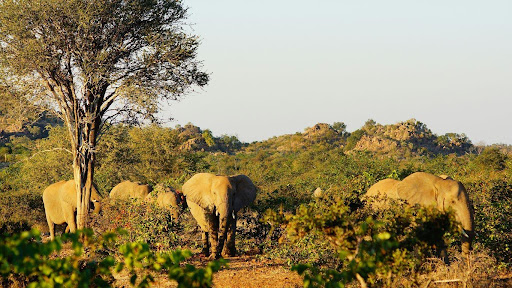
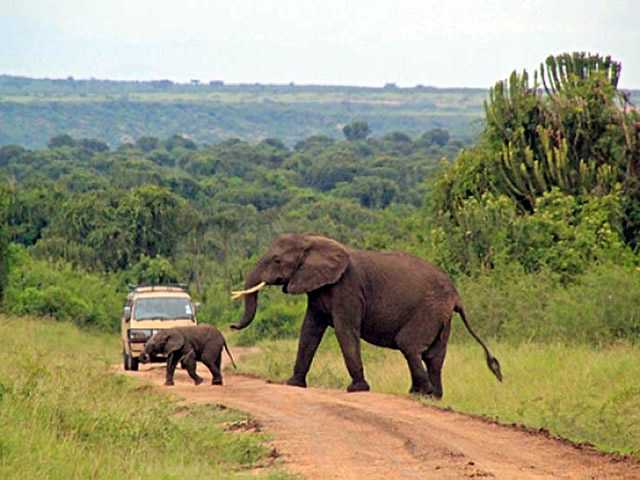
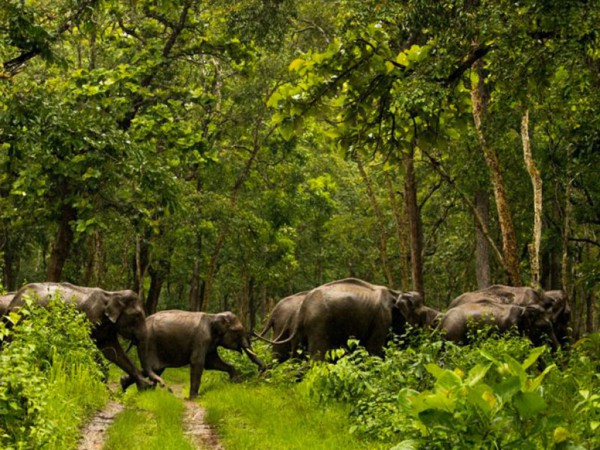
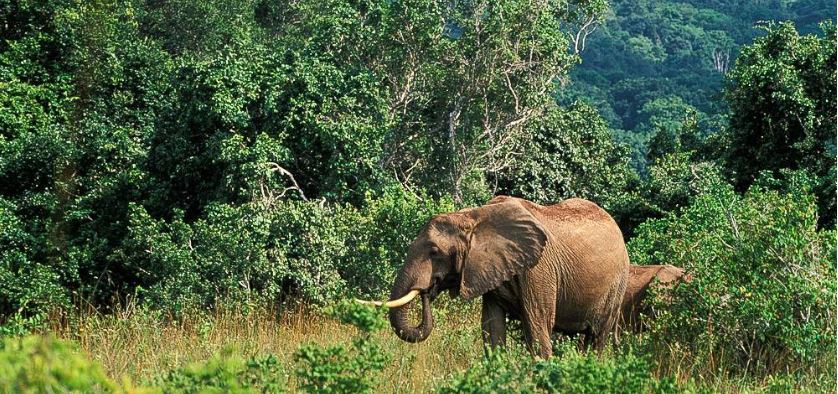
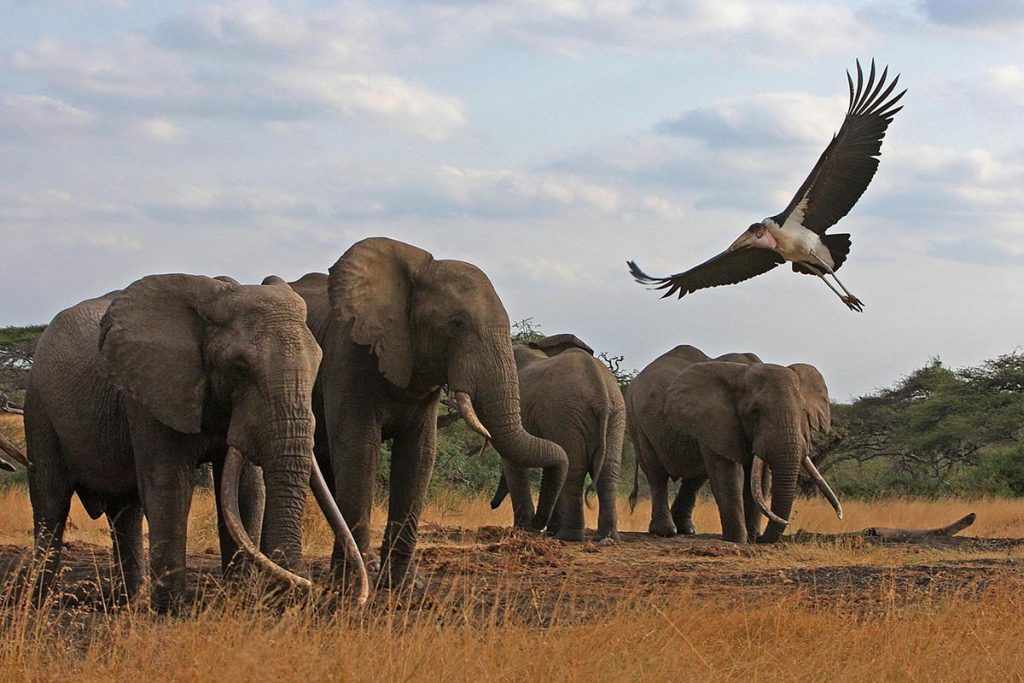
For wildlife, Shimba Hills is perhaps best known for being the only place in Kenya where you can find the sable antelope. These striking animals are a real treat to see. The reserve also hosts a healthy population of elephants, often seen roaming the hills. You might also spot giraffes, buffaloes, and a wide array of bird species. It's a place where nature feels very much alive.
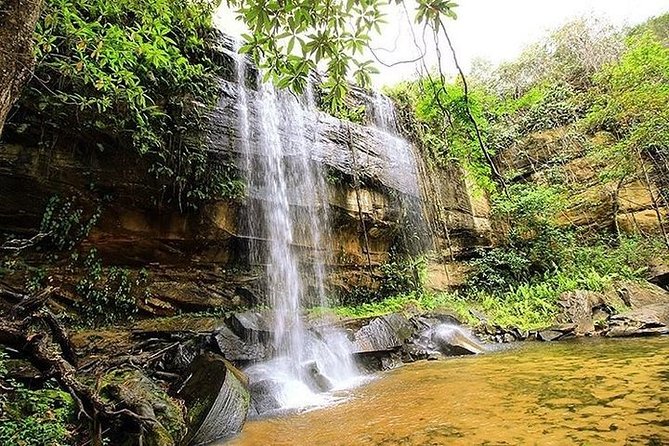
Beyond the wildlife, the landscape itself is a big draw. You'll find beautiful waterfalls, like Sheldrick Falls, and scenic viewpoints offering lovely vistas. The air is often cooler and fresher here compared to the nearby coast, making it a refreshing escape. It's a place that offers a bit of everything for someone looking to connect with nature.
Shimba Hills National Reserve is a compact yet incredibly diverse ecosystem, offering a unique glimpse into Kenya's coastal biodiversity and a chance to see rare wildlife.
It's also worth mentioning the nearby Mwaluganje Elephant Sanctuary, which works alongside the reserve to help manage elephant populations and provide them with space. This shows a commitment to protecting these magnificent creatures and their habitat. Visiting Shimba Hills isn't just about seeing animals; it's about experiencing a unique natural environment that's carefully looked after.
Weather & Climate
loading...
Location and Accessibility
Shimba Hills National Reserve is nestled in the southeastern part of Kenya, specifically within Kwale County. It's a surprisingly close neighbor to the popular coastal city of Mombasa, lying about 33 kilometers (20 miles) southwest of its bustling center. This proximity makes it a fantastic option for those looking to escape the beach for a day or two and immerse themselves in nature.
Getting to Shimba Hills
The journey from Mombasa to Shimba Hills is quite straightforward and usually takes around an hour by car. The roads are generally in good condition, offering a pleasant drive that transitions you from the coastal heat to the cooler, misty air of the hills. It’s an easy trip, perfect for a spontaneous adventure or a planned excursion.
Many visitors opt to book a tour, which often includes transportation in a specially equipped safari vehicle, making the travel part of the experience itself.
Distance from Mombasa: Approximately 33 km (20 miles)
Travel Time: About 1 hour by car
Route: Well-paved roads offering scenic views
The reserve's location is a real plus. You can easily spend your morning relaxing by the ocean and then head inland for an afternoon of wildlife spotting and exploring waterfalls. It’s a great way to see a different side of Kenya without spending too much time traveling.
For those arriving from further afield, the nearest major airport is Moi International Airport in Mombasa. From there, arranging transport to Shimba Hills is simple, whether through a pre-booked safari package or by hiring a taxi or private car. The ease of access means you can spend less time on logistics and more time enjoying the natural beauty of this unique reserve.
What to See and Do in Shimba Hills
Shimba Hills National Reserve offers a rich tapestry of experiences for visitors, blending wildlife encounters with stunning natural beauty. It's a place where you can truly connect with nature.
Abundant Wildlife: A Haven for Mammals
The reserve is a sanctuary for a variety of mammals, making it a prime spot for wildlife viewing. You might be lucky enough to spot the rare sable antelope, a truly magnificent creature with its distinctive curved horns and striking black coat. Beyond this special resident, herds of elephants often roam the landscape, alongside graceful giraffes, sturdy buffaloes, and various primate species. The chance to see these animals in their natural setting is a major draw for visitors. Guided game drives and walking safaris provide excellent opportunities to observe them.
Birdwatching Paradise
For bird enthusiasts, Shimba Hills is a rewarding destination. The diverse habitats within the reserve support a wide array of bird species. Keep your eyes peeled and your binoculars ready, as you might spot over 200 different kinds of birds. Areas around water sources, like Marere Dam, are particularly good spots for sightings.
Spectacular Waterfalls and Scenic Views
One of the most picturesque attractions is Sheldrick Falls. This beautiful waterfall cascades down, surrounded by lush vegetation, creating a serene and photogenic scene. It's a great place for a picnic or simply to enjoy the sounds of nature. The rolling hills of the reserve also provide elevated viewpoints, such as Elephant Hill, offering sweeping vistas of the surrounding landscape, sometimes even reaching towards the ocean. These spots are perfect for taking in the grandeur of the reserve.
Guided Safaris and Nature Walks
To make the most of your visit, guided safaris and nature walks are highly recommended. These guided experiences allow you to explore the reserve's trails safely and learn more about the local flora and fauna from knowledgeable guides. Whether you prefer a game drive or a leisurely walk, these activities offer an up-close look at the reserve's natural wonders. The mild climate makes these excursions particularly pleasant.
The reserve's varied terrain, from dense forests to open grasslands, creates a unique ecosystem that supports a rich variety of life. This makes every exploration feel fresh and full of potential discoveries.
Accommodation Options
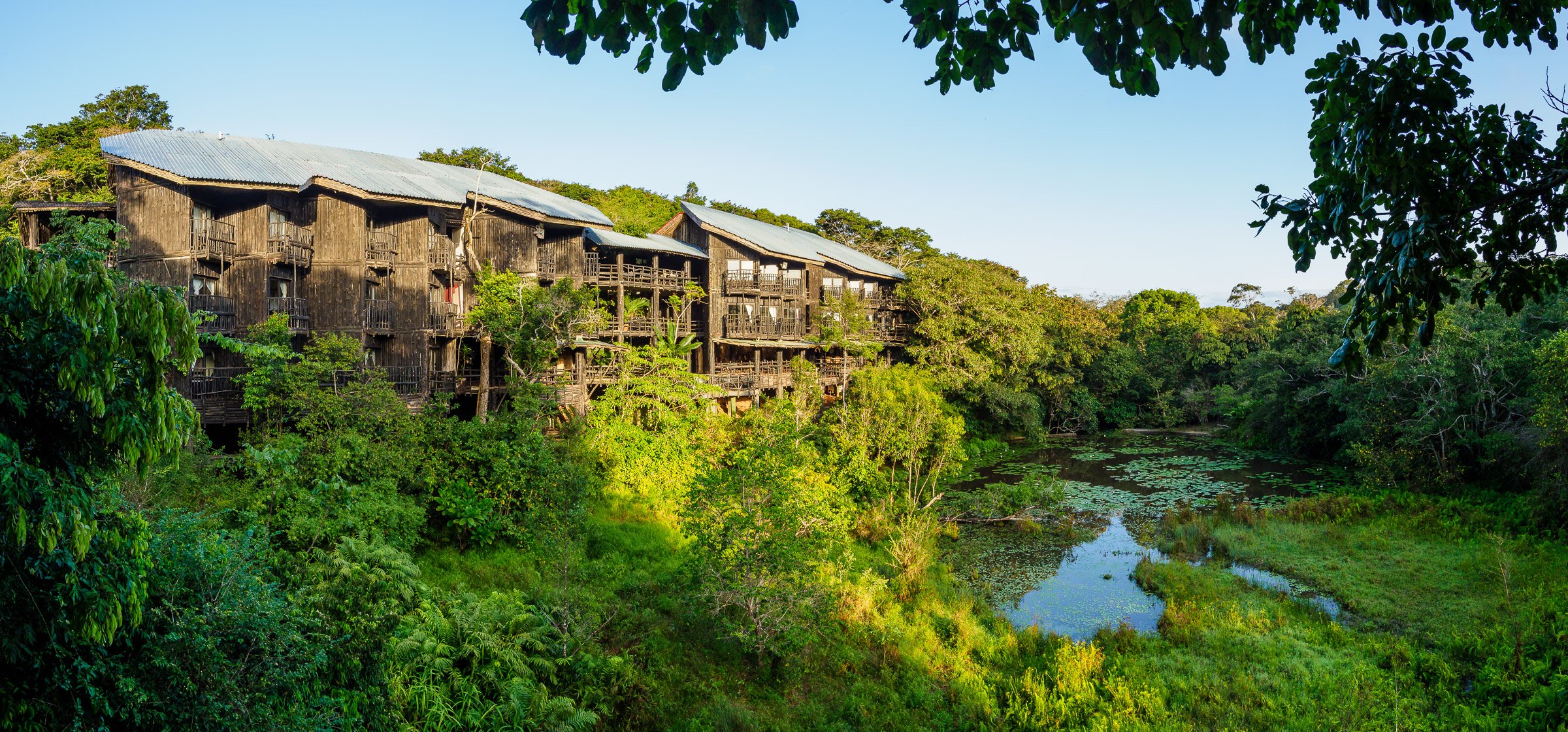
When planning your stay in Shimba Hills National Reserve, you'll find a few distinct choices that cater to different preferences, all designed to immerse you in the natural beauty of the area. The most unique option is the Shimba Hills Lodge, a distinctive tree lodge that truly puts you in the heart of the forest. Imagine waking up to the sounds of the bush and having breakfast with a view of the waterhole, where wildlife often comes to drink. It’s an experience that connects you directly with the environment.
For those who prefer a more rustic and budget-friendly approach, the reserve also offers self-catering bandas and campsites managed by the Kenya Wildlife Service (KWS). These provide a simpler way to stay within the park, allowing you to enjoy the tranquility of the hills. The Sable Bandas, for instance, offer basic but comfortable rooms with en-suite bathrooms and verandahs, perfect for a peaceful retreat. There are also public campsites available, like the Professional and Makadara sites, which are convenient for those who enjoy camping under the stars.
Here's a quick look at what's available:
Shimba Hills Lodge: A unique tree lodge offering an immersive wildlife viewing experience from your room and common areas. It's the only accommodation situated directly inside the reserve.
Sable Bandas: Self-catering units providing comfortable, basic lodging with essential amenities for a quiet stay.
Campsites: Several public and special campsites are available for those who wish to camp, offering a closer connection to nature.
While Shimba Hills Lodge provides an unparalleled in-reserve experience, the KWS bandas and campsites offer a more accessible and economical way to stay. Booking in advance is highly recommended, especially for the Shimba Hills Lodge, to secure your spot. For those seeking more amenities or different styles of lodging, several hotels and lodges are also located just outside the reserve's boundaries, offering easy access for day trips.
Best Time to Visit Shimba Hills
Best Time to Visit Shimba Hills
Shimba Hills National Reserve offers a pleasant escape year-round, thanks to its elevated position which keeps temperatures mild, usually between 18°C and 25°C (64°F to 77°F). This makes it a refreshing break from the coastal heat.
While you can visit anytime, the dry seasons, from July to October and again from January to March, are often considered ideal for wildlife viewing. During these drier months, animals tend to gather more around water sources, making them easier to spot. The landscape is also at its most vibrant during the shoulder months, just after the rains.
Speaking of rain, Shimba Hills does experience two rainy periods: the longer rains from April to June and shorter showers from November to December. These rains bring the landscape to life, making the vegetation lush and the waterfalls particularly impressive. While game drives might be a bit wetter, the increased greenery can be stunning, and animals are often found near the replenished waterholes.
Here's a quick look at what to expect:
Dry Seasons (July-Oct & Jan-Mar): Best for spotting concentrated wildlife, clearer skies, and comfortable temperatures for walking.
Rainy Seasons (Apr-Jun & Nov-Dec): Lush scenery, dramatic waterfalls, and potentially fewer crowds. Expect some rain, but it often doesn't last all day.
The reserve's misty mornings can add a touch of magic to your visit, especially if you're looking for a more atmospheric experience. It's a place where the air feels clean and the sounds of nature are all around.
Ultimately, the 'best' time depends on what you're hoping to see and experience. Whether you prefer the thrill of dry-season game viewing or the lush beauty of the rainy season, Shimba Hills has something to offer.
Tips for Your Visit
Planning a trip to Shimba Hills National Reserve is exciting, and a little preparation goes a long way to making your experience smooth and memorable. Remember that this is a natural environment, so packing smart is key.
Always bring plenty of drinking water and snacks, especially if you plan on spending the whole day exploring. The reserve can get warm, and staying hydrated is important. Comfortable walking shoes are a must, as you'll likely be doing some walking, whether on guided trails or simply moving between viewpoints.
Consider bringing binoculars for a closer look at the wildlife and birds. A camera is also highly recommended to capture the stunning landscapes and any animal sightings. Don't forget sun protection like a hat and sunscreen, even on misty days, as the equatorial sun can be strong. Insect repellent can also be useful, particularly in the more densely vegetated areas.
When it comes to getting around, roads can be steep and undulating, so a 4x4 vehicle is often recommended for navigating the park effectively. If you're planning on a guided walk, especially to areas like Sheldrick Falls, hiring a local guide is a great idea. They not only ensure your safety, particularly if you encounter larger animals, but also point out fascinating flora and fauna you might otherwise miss.
Here are a few practical points to keep in mind:
Payment: Entry fees and special services are often payable through the eCitizen portal, so it's wise to check the current payment methods before your visit.
Guides: Hiring a guide for a few hours or a full day can significantly enrich your experience, offering insights into the reserve's ecology and wildlife.
Respect Wildlife: Always maintain a safe distance from animals and never feed them. Observe them quietly in their natural habitat.
Leave No Trace: Help preserve the beauty of Shimba Hills by taking all your litter with you.
Shimba Hills offers a unique rainforest experience close to the coast. Its cooler climate and misty mornings provide a refreshing contrast to the beach resorts, making it an ideal day trip or short stay for nature lovers.
Conservation Efforts and Importance
Shimba Hills National Reserve was established in 1968, a move born out of a desire to protect the area's unique natural treasures. At its heart, the reserve was created to be a sanctuary for the endangered sable antelope, a magnificent creature found nowhere else in Kenya. This commitment to conservation extends beyond just one species, aiming to preserve the diverse ecosystems that make Shimba Hills so special – from its coastal rainforests to its rolling grasslands.
Over the years, various programs have worked to keep the delicate balance of this environment intact. The Kenya Wildlife Service, along with other groups, has focused on managing habitats and supporting responsible tourism. This helps ensure that the reserve remains a safe haven for its wildlife and a beautiful place for visitors to experience.
The reserve is a vital hotspot for plant biodiversity, with over 1,000 plant species recorded, including rare and endangered types of cycads and orchids. This rich plant life supports a wide array of animal species, making Shimba Hills a significant area for ecological study and preservation. It's a place where nature's intricate web is on full display.
Here's a look at some key aspects of Shimba Hills' conservation importance:
Protecting Endangered Species: The sable antelope is the star, but conservation efforts also benefit other wildlife and plant life.
Habitat Preservation: Maintaining the health of coastal rainforests, woodlands, and grasslands is a primary goal.
Sustainable Tourism: Balancing visitor access with the need to protect the natural environment.
Community Involvement: Recognizing the role local communities play in the long-term success of conservation.
The reserve's unique position as a large coastal rainforest means it plays a special role in the region's biodiversity. Protecting it means safeguarding a piece of natural heritage that is both rare and beautiful.
A Final Thought on Shimba Hills
Shimba Hills National Reserve offers a unique slice of Kenya's natural beauty, a place where dense coastal rainforest meets rolling hills. It's a special spot, especially for those hoping to catch a glimpse of the rare sable antelope or marvel at the impressive Sheldrick Falls. While it might be smaller than some of Kenya's more famous parks, its rich plant life and diverse bird population make it a worthwhile visit. For anyone looking for a different kind of safari experience, one that feels a bit more intimate and close to the coast, Shimba Hills is certainly worth considering.
Frequently Asked Questions
What makes Shimba Hills National Reserve special?
Shimba Hills National Reserve is unique because it is one of the last coastal rainforests in East Africa. It is also the only place in Kenya where visitors can see the rare Sable Antelope. The reserve is known for its beautiful waterfalls, like Sheldrick Falls, and its rich plant and animal life.
Where is Shimba Hills National Reserve located?
Shimba Hills National Reserve is situated in southeastern Kenya, in Kwale County. It is located about 33 kilometers (20 miles) southwest of the major coastal city of Mombasa, making it quite accessible for visitors.
What kind of animals can be seen in Shimba Hills?
Visitors to Shimba Hills can expect to see a variety of animals. The reserve is home to a large population of elephants, as well as giraffes, buffaloes, and various types of monkeys. The most famous resident is the Sable Antelope, which is found nowhere else in Kenya.
What are the main attractions in Shimba Hills?
The main attractions include the chance to see the unique Sable Antelope, the stunning Sheldrick Falls, and the diverse coastal rainforest ecosystem. Visitors can also enjoy scenic views from places like Elephant Hill and explore the park through guided walks and game drives.
When is the best time to visit Shimba Hills National Reserve?
While Shimba Hills is open all year round, the dry season from June to October is generally considered the best time for wildlife viewing. During this period, animals tend to gather more around water sources, making them easier to spot. However, the reserve's rainforest environment means it can rain at any time.
What activities can visitors do in Shimba Hills?
Visitors can participate in guided game drives to see wildlife, go on nature walks through the forest trails, and visit the beautiful Sheldrick Falls for a picnic or a swim. Birdwatching is also a popular activity, with over 200 bird species recorded in the area.