<img height="1" width="1" style="display:none" src="https://www.facebook.com/tr?id=1197952961438992&ev=PageView&noscript=1" />

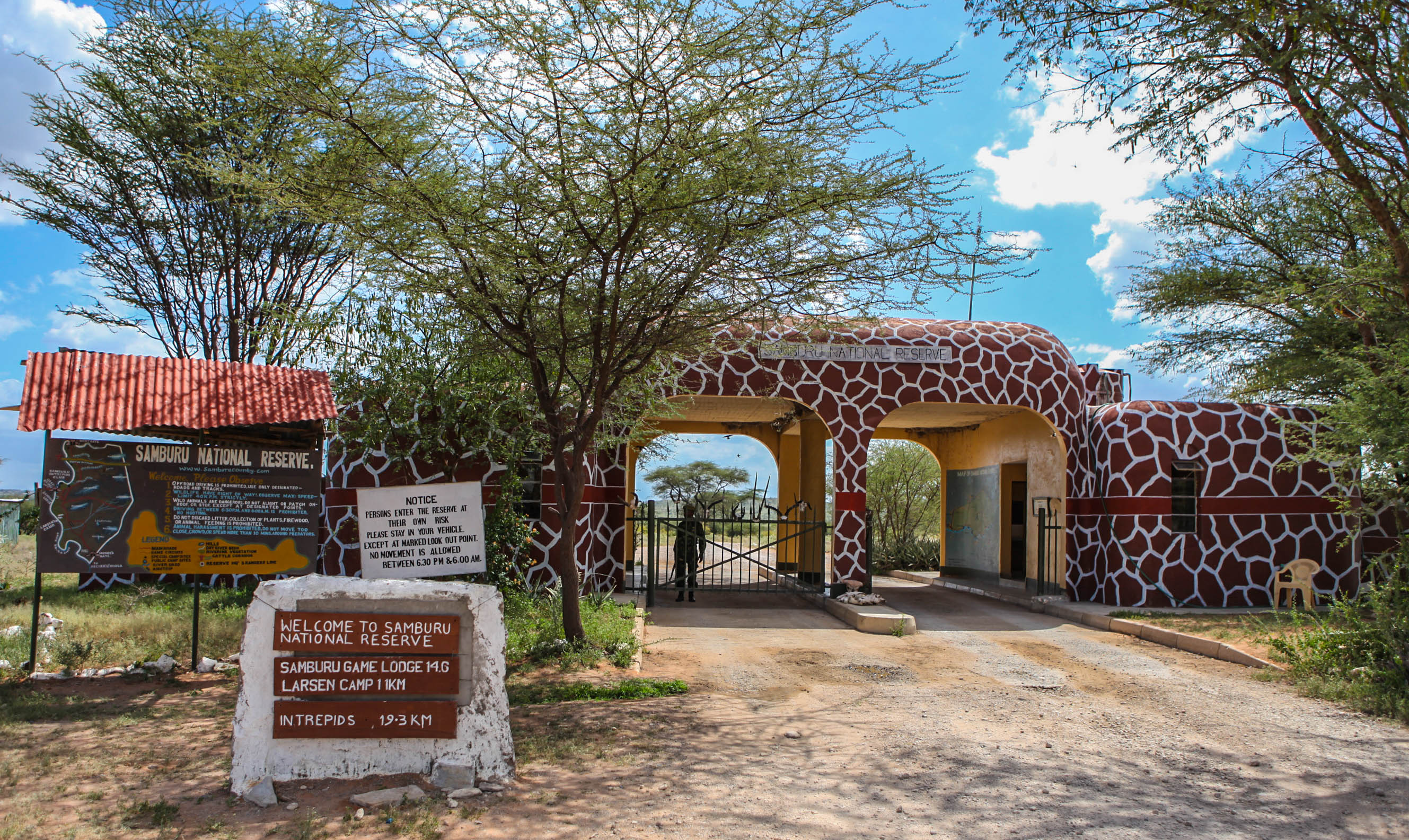
Samburu National Reserve

Samburu National Reserve, situated in northern Kenya, presents a distinct wildlife viewing experience compared to other parts of East Africa. This semi-arid region, carved by the Ewaso Ng'iro River, is home to a unique collection of animals and a culture deeply tied to the land. It offers a look into a different side of Kenya's natural beauty and heritage. 
Samburu National Park

Key Takeaways

  • Samburu National Reserve is known for its "Special Five" – animals found nowhere else: the Reticulated Giraffe, Grevy’s Zebra, Beisa Oryx, Gerenuk, and Somali Ostrich.
  • The Ewaso Ng'iro River is the lifeblood of the reserve, drawing wildlife and creating lush riverine areas that contrast with the dry landscape.
  • Visitors can experience the vibrant culture of the Samburu people, learning about their traditions, beadwork, and way of life.
  • The reserve offers various activities beyond game drives, including guided walks, camel safaris, and cultural visits to local villages.
  • Conservation efforts in Samburu are strongly linked with community involvement, with local conservancies playing a significant role in protecting wildlife and benefiting the people.

Discover The Unique Wildlife Of Samburu National Reserve

Samburu National Reserve is a special place in Kenya, known for its wildlife that you won't find just anywhere. It's a bit different from the more famous parks down south, offering a unique look at animals adapted to this drier landscape. If you're planning a Kenya wildlife safari, Samburu should definitely be on your list for some incredible Samburu wildlife viewing.

the special five samburu

The Iconic Samburu Special Five

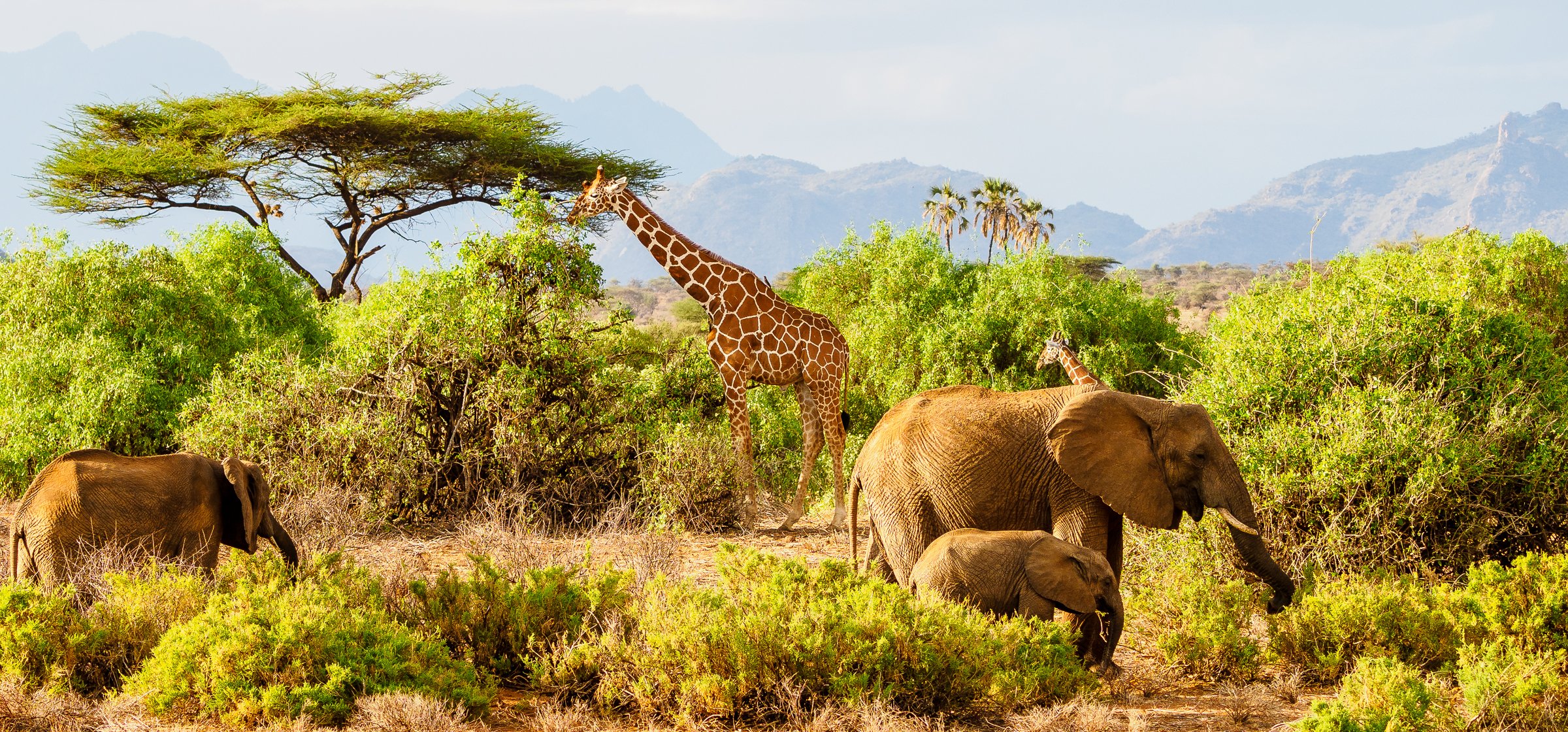
Samburu is famous for a group of animals often called the "Samburu Special Five." These are species that have adapted well to the semi-arid conditions here. You'll want to keep an eye out for the elegant Grevy's zebra, with its incredibly fine stripes. Then there's the Somali ostrich, a larger, blue-necked bird that stands out from its common cousins. The reticulated giraffe, with its distinctive, net-like pattern, is another sight to behold. Don't forget the gerenuk, a gazelle that stands on its hind legs to reach higher branches, and the striking Beisa oryx, with its long, straight horns and bold facial markings. Spotting all five is a highlight for many visitors.

A Haven For Bird Enthusiasts

For those who love birds, Samburu is a real treat. Over 450 different bird species have been recorded here. You might see large birds like the Kori Bustard, which is the heaviest bird that can fly. Colorful birds such as the Somali Bee-eater and the Golden-breasted Starling add splashes of color to the landscape. Raptors are also common; look up to spot Martial Eagles or African Fish Eagles soaring overhead or resting in acacia trees. It's a fantastic spot for birdwatching within the African savanna reserves.

The Ewaso Ng'iro River: A Vital Lifeline

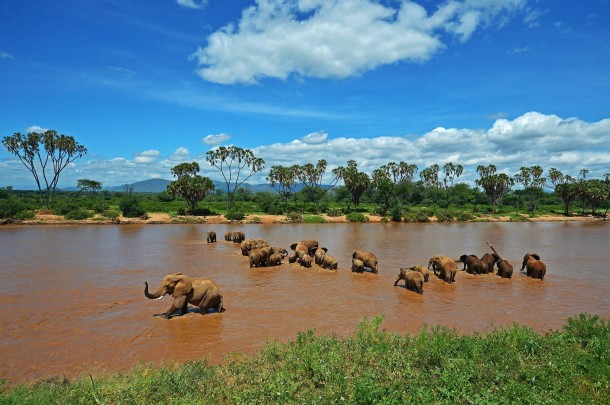
The Ewaso Ng'iro River is the heart of Samburu. It flows through the reserve, creating a ribbon of green that attracts wildlife from all around, especially when the weather gets dry. This river is where you'll often find large herds of elephants cooling off or predators waiting for a chance to hunt. The riverbanks are lined with doum palms and riverine forests, offering a beautiful contrast to the drier plains. It's a key area for Samburu wildlife viewing, and game drives along its course are always rewarding.

Weather & Climate

loading...

Exploring The Rugged Beauty Of Samburu's Landscape

game driver in samburu

A Semi-Arid Sanctuary

Samburu National Reserve unfolds as a landscape of stark, captivating beauty, defined by its semi-arid climate. This isn't the lush green of other reserves; instead, it's a place of subtle colors and resilient life. The terrain is a mix of dry bushland and thorn scrub, a testament to the region's limited rainfall, which typically falls between 250 and 500 mm annually. Yet, within this seemingly harsh environment, life thrives. The reserve sits at an elevation ranging from 800 to 1,230 meters above sea level, contributing to its unique character. The rugged terrain, dotted with acacia scrub, presents a dramatic backdrop for wildlife viewing. It's a place where the earth itself tells a story of survival and adaptation.

Doum Palm Groves and Riverine Forests

Cutting through the dry plains, the Ewaso Ng'iro River acts as the reserve's vital artery. Along its banks, a different world emerges. Here, dense riverine forests and striking doum palm groves create a vibrant contrast to the surrounding arid lands. These palms, often with their distinctive twin trunks, form a picturesque canopy and are a magnet for birdlife. The lush vegetation along the river supports a higher concentration of animals, especially during the dry seasons when water sources elsewhere diminish. This ribbon of green is where much of the reserve's drama unfolds, from elephants bathing to predators lurking.

Panoramic Vistas From Koitogor Hill and Ololokwe Mountain

For those seeking a broader perspective, Samburu offers breathtaking viewpoints. Koitogor Hill provides a fantastic vantage point to survey the vastness of the reserve, its sweeping plains stretching out towards the horizon. Further afield, the majestic Ololokwe Mountain stands as a prominent landmark, its slopes offering a different kind of beauty. These elevated spots are perfect for soaking in the sheer scale of Samburu's wilderness and capturing unforgettable photographs. The panoramic views from these locations truly highlight the rugged, untamed spirit of this unique corner of Kenya.

Immerse Yourself In Samburu Culture

samburu culture

Beyond the incredible wildlife and dramatic landscapes, Samburu National Reserve offers a profound cultural experience. The Samburu people, closely related to the Maasai, are a semi-nomadic pastoralist community with a deep connection to their ancestral lands. Their way of life is intrinsically linked to the rhythms of nature, and a visit here provides a unique window into their vibrant traditions.

The Resilient Samburu People

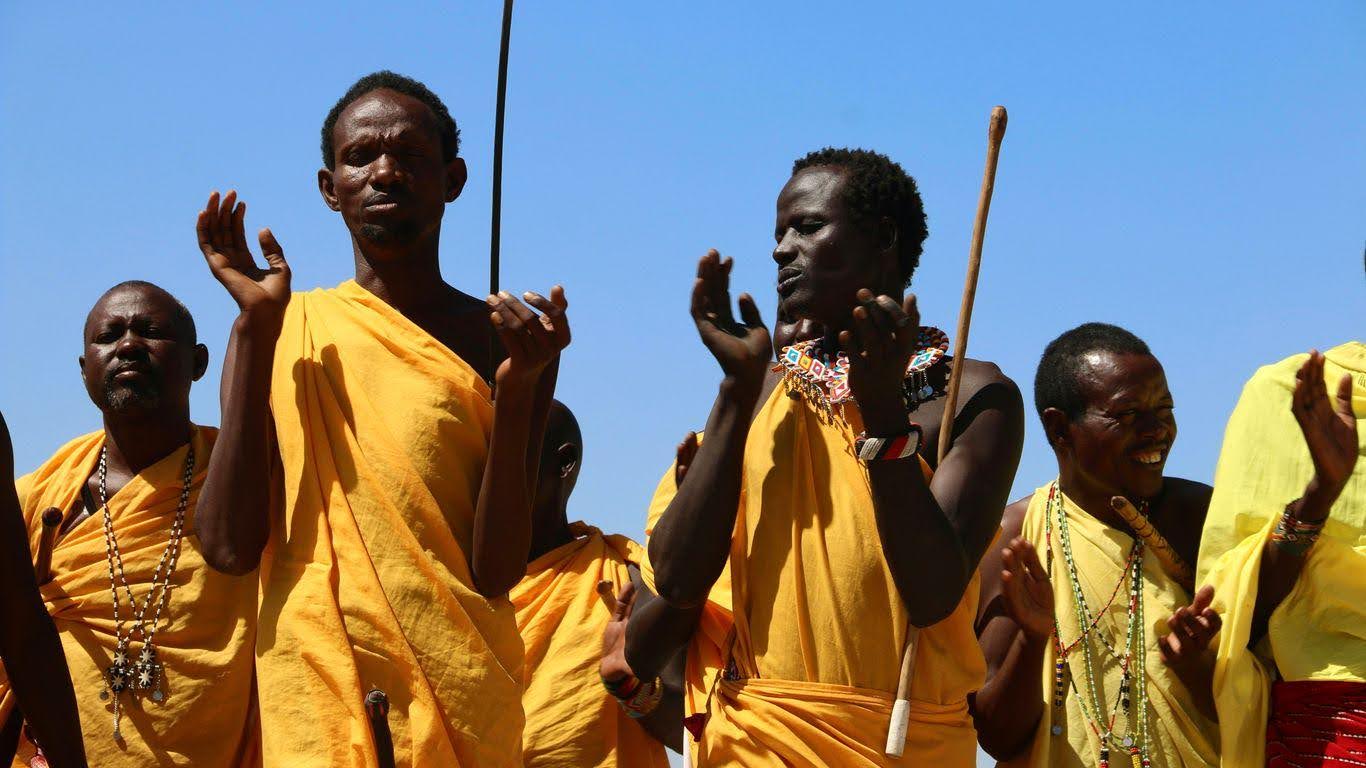
The Samburu are known for their striking appearance and proud heritage. Their traditional attire is a feast for the eyes, characterized by colorful beaded necklaces, bracelets, and headbands, often worn by both men and women. The intricate beadwork is more than just decoration; it tells stories of age, social status, and marital standing within the community. Warriors, or morans, are particularly recognizable with their distinctive hairstyles and bright red shukas (cloth wraps). Their resilience and deep understanding of the semi-arid environment are truly remarkable.

Vibrant Traditions And Beadwork

Samburu culture is rich with customs and ceremonies that have been passed down through generations. Rites of passage, marking significant life stages from boyhood to warriorhood and beyond, are central to their social structure. The art of beadwork is a cornerstone of their cultural expression. Women, in particular, are skilled artisans, creating elaborate and beautiful pieces that are central to their identity and often serve as a form of currency or dowry. Many local cooperatives, like the Lorubae Beadwork Co-op, are supported by tourism, allowing these traditions to continue and providing economic opportunities for the women.

Community-Led Conservation Efforts

Samburu's commitment to conservation is deeply intertwined with its cultural heritage. The Samburu people are active participants in managing their lands and wildlife through community conservancies such as Namunyak and Kalama. These conservancies not only protect vital habitats but also ensure that tourism directly benefits the local communities. By engaging in cultural visits and staying in community-run lodges, visitors contribute to education, healthcare, and livelihood projects, fostering a sustainable model where cultural preservation and wildlife protection go hand in hand. This partnership between people and nature is a powerful testament to the Samburu's enduring spirit.

Unforgettable Experiences In Samburu

Thrilling Game Drives

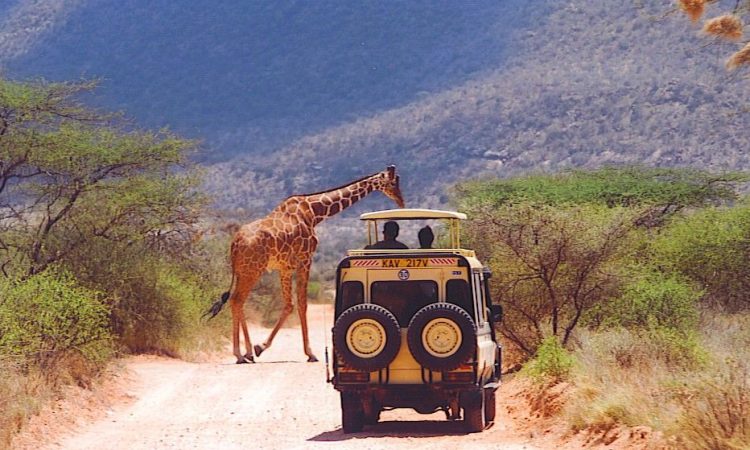
Game drives are the heart of any Samburu adventure, offering unparalleled opportunities to witness the reserve's unique wildlife. Early morning and late afternoon drives are particularly rewarding, as the cooler temperatures bring animals out to graze or seek water. Imagine the thrill of spotting a graceful Gerenuk stretching to reach acacia leaves, or the sight of a herd of elephants making their way towards the Ewaso Ng'iro River. Experienced guides, with their deep knowledge of the terrain and animal behavior, are key to these encounters. They can help you find the "Samburu Special Five" – the Grevy's zebra, Somali ostrich, reticulated giraffe, Beisa oryx, and the Gerenuk – alongside lions, cheetahs, and leopards that call this arid landscape home. The sheer abundance and diversity of life in Samburu make every drive a unique and memorable event.

Guided Nature Walks and Camel Safaris

For a more intimate connection with the environment, guided nature walks and camel safaris offer a different pace. Walking alongside a knowledgeable Samburu guide allows for the discovery of smaller details often missed from a vehicle – the tracks of a leopard, the medicinal uses of local plants, or the intricate world of insects. Camel safaris, a traditional mode of transport for the Samburu people, provide a gentle, elevated perspective of the savannah. Gliding across the plains on a camel, with the vast sky above and the sounds of the bush around, is a truly serene experience. These activities offer a chance to appreciate the subtle beauty of Samburu's ecosystem and connect with its ancient rhythms.

Cultural Visits to Samburu Villages

Samburu National Reserve is not only a sanctuary for wildlife but also home to the resilient Samburu people. Visiting a traditional Samburu village, or manyatta, offers a profound cultural exchange. Here, you can learn firsthand about their vibrant traditions, intricate beadwork, and deep connection to the land. Engaging with the community members, perhaps witnessing a traditional dance or hearing stories passed down through generations, provides a rich understanding of their way of life. These visits are a chance to appreciate the human element of Samburu, fostering respect and mutual understanding between visitors and the local culture.

These cultural interactions are often facilitated through community-led initiatives, ensuring that tourism directly benefits the Samburu people and supports the preservation of their heritage. It's an opportunity to gain insights into a lifestyle that has thrived in this challenging environment for centuries.

Planning Your Samburu National Reserve Adventure

Embarking on a journey to Samburu National Reserve in Kenya is an exciting prospect, and a little planning goes a long way to making your trip unforgettable. This remarkable destination, nestled in the heart of Northern Kenya, offers a unique safari experience distinct from other parks in the country. Understanding the best times to visit, where to stay, and how to get there will help you make the most of your Samburu National Reserve safari.

Best Times to Visit

Samburu National Reserve Kenya experiences two distinct dry seasons, which are generally considered the prime times for wildlife viewing. The period from June to October is excellent, as wildlife tends to gather around the Ewaso Ng'iro River and other water sources. Vegetation thins out, making animals easier to spot. Another favorable dry spell occurs from December to March. While the rainy seasons (April to May and November) bring a lush, green landscape and are fantastic for birdwatching, some areas can become less accessible, and wildlife tends to disperse.

Accommodation Options For Every Traveler

Whether you're seeking ultimate luxury or a more rustic connection with nature, Samburu park has lodging to suit your needs. High-end options include lodges with stunning views and top-notch amenities, often built with sustainability in mind. For those looking for a more intimate experience, tented camps offer a close-to-nature feel, with some even situated along the riverbanks, providing opportunities to see elephants right from your doorstep. Budget-conscious travelers can also find comfortable campsites within or near the reserve, allowing for an immersive experience.

Getting To and Around the Reserve

Reaching Samburu National Reserve in Kenya is achievable by both road and air. The drive from Nairobi typically takes around 6 to 7 hours, offering a scenic route through changing landscapes. For a quicker journey, daily flights operate from Nairobi's Wilson Airport to local airstrips within or near the reserve. Once you're in the Samburu National Reserve safari area, game drives are the primary way to explore. Hiring a knowledgeable local guide is highly recommended, as they can significantly enhance your understanding of the wildlife, culture, and the delicate ecosystem of this special part of Kenya.

Planning your trip to Samburu National Reserve involves considering the dry seasons for optimal game viewing and choosing accommodation that fits your style and budget. Getting there is straightforward, and once inside, guided exploration is key to unlocking the reserve's wonders.

Conservation And Community Stewardship

Protecting Samburu's Precious Ecosystems

Samburu National Reserve is a testament to what can be achieved when conservation efforts are deeply intertwined with the well-being of the local people. The reserve itself is a protected area, but its influence extends far beyond its borders. This is largely thanks to the establishment of community conservancies that surround the main reserve. Places like West Gate, Kalama, and Namunyak are not just extensions of wildlife habitat; they are living examples of how local communities can become stewards of their natural heritage.

Samburu_National_Reserve,_Kenya 26December2012

The Role Of Community Conservancies

These conservancies are managed by the Samburu people themselves. This hands-on approach has brought significant benefits. For one, it has helped to reduce conflicts between people and wildlife, a common issue in many African landscapes. When communities see direct benefits from wildlife, they are more motivated to protect it. These conservancies also create vital wildlife corridors, allowing animals to move freely between different areas. This movement is key for maintaining healthy populations and genetic diversity, especially for species like elephants and Grevy's zebras that need large areas to roam.

  • Community-led initiatives are vital for the long-term survival of Samburu's wildlife.
  • They provide economic opportunities through tourism, employment, and sustainable land use.
  • These conservancies help to maintain the delicate balance between human needs and wildlife conservation.

Sustainable Tourism For Future Generations

Samburu is also a leader in promoting sustainable tourism. This means that the way visitors experience the reserve is designed to have a minimal impact on the environment and to directly support conservation work. Many lodges and camps operate with eco-friendly practices, focusing on reducing waste, conserving water, and sourcing local products. The fees paid by visitors often go directly back into conservation programs, helping to maintain the reserve's infrastructure and fund anti-poaching patrols. Organizations like the Save the Elephants and the Grevy’s Zebra Trust work closely with the reserve and conservancies, using research and technology to monitor wildlife and inform management strategies. This collaborative approach ensures that Samburu remains a thriving ecosystem for years to come.

The success of conservation in Samburu hinges on a partnership between wildlife authorities, conservation groups, and the local Samburu community. This collaboration ensures that the land and its inhabitants, both human and animal, can thrive together.

A Lasting Impression of Samburu

As the dust settles on an unforgettable journey through Samburu National Reserve, one can't help but feel a profound connection to this special corner of Kenya. It's a place where the wild heart of Africa beats strong, evident in the unique wildlife found nowhere else and the enduring spirit of the Samburu people. The reserve offers more than just stunning landscapes and thrilling game drives; it provides a chance to witness a delicate balance between nature and culture, a testament to the ongoing efforts to protect this precious environment. Leaving Samburu, you carry with you not just memories of incredible sights, but a deeper appreciation for the wild and the communities who call it home.

Frequently Asked Questions

What makes Samburu National Reserve special?

When is the best time to visit Samburu National Reserve?

What kind of animals can be seen in Samburu?

What activities can visitors do in Samburu National Reserve?

How can I get to Samburu National Reserve?

What is the role of the local community in Samburu?