Rate : $0 to $0
Best time : January to March and July to September
High season :
December to March and July to October
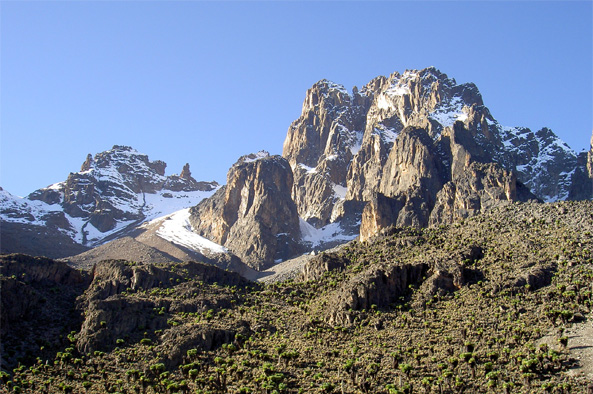
Mount Kenya National Park is a protected area in Kenya, centered around Mount Kenya, the second-highest peak in Africa. This park is a UNESCO World Heritage site, recognized for its stunning landscapes and rich biodiversity. It offers a unique experience for visitors, from challenging treks to the summit to exploring its varied ecological zones and observing its wildlife. The park is a vital part of Kenya's natural heritage and a popular destination for both local and international tourists.
Key Takeaways
Mount Kenya National Park is a UNESCO World Heritage site and home to Africa's second-highest mountain, offering dramatic scenery with glaciers, lakes, and diverse vegetation zones.
The park provides multiple trekking routes, including Sirimon, Naro Moru, and Chogoria, with Point Lenana being an accessible non-technical summit for many hikers.
Wildlife within the park includes elephants, buffaloes, leopards, various antelopes on the lower slopes, and unique high-altitude species like the rock hyrax and Mount Kenya mole rat.
Visitors can engage in activities such as mountain climbing, wildlife viewing, camping, and experiencing the cultural significance of the mountain for local communities.
Access to Mount Kenya National Park is primarily by road via designated gates, with options for air travel to nearby Nanyuki airstrip, and park fees vary based on nationality and duration of stay.
discovering Mount Kenya National Park
A Majestic Natural Heritage Site
Mount Kenya National Park is a truly special place, recognized globally for its immense natural beauty and ecological importance. It's home to Mount Kenya, Africa's second-highest peak, a dormant volcano that has been shaped by time and ice into a breathtaking landscape. Established in 1949, the park's primary goal was to protect this unique environment and the water sources it provides for the surrounding regions. In 1997, its significance was further cemented when it was designated a UNESCO World Heritage Site. This recognition highlights its role not just as a natural wonder but also as a vital ecosystem.
Gateway to Africa's Second Highest Peak
For many, Mount Kenya National Park is synonymous with the challenge and reward of climbing Africa's second-highest mountain. The park encompasses the majestic massif, including its three main peaks: Batian, Nelion, and Point Lenana. While Batian and Nelion offer technical climbing challenges, Point Lenana provides a more accessible, non-technical summit, making the mountain's grandeur attainable for a wider range of adventurers. The park serves as the starting point for several famous trekking routes, each offering a distinct experience of the mountain's diverse environments.
A Sanctuary of Biodiversity
Beyond its towering peaks, Mount Kenya National Park is a vibrant sanctuary for a remarkable array of plant and animal life. The park's altitude variations create distinct ecological zones, from lush forests and bamboo thickets at the lower elevations to the unique Afro-alpine vegetation higher up. These varied habitats support a rich tapestry of wildlife. The park is a critical water catchment area, feeding rivers that sustain communities and ecosystems far beyond its borders. Its conservation is a testament to Kenya's commitment to preserving its natural treasures for future generations.
Weather & Climate
loading...
embarking on Your Mount Kenya Adventure
Mount Kenya National Park offers a variety of ways for visitors to experience its grandeur, whether you're aiming for the summit or exploring its lower reaches. Choosing the right path is key to a rewarding journey.
Navigating the Scenic Routes
Accessing Mount Kenya involves several well-trodden routes, each with its own character. The Sirimon route, starting near Nanyuki, is known for its gradual incline and comfortable mountain huts, making it a popular choice for those seeking a steady ascent. The Naro Moru route, accessed via Naro Moru town, is often considered the quickest way to the peaks but features a challenging, boggy section known as the "vertical bog." For those prioritizing scenery, the Chogoria route, beginning near Chogoria town, is unparalleled. It winds through lush forests, past waterfalls, and offers stunning views of glacial lakes and dramatic valleys, making it a favorite for its visual splendor.
Choosing Your Trekking Path
Your adventure can be tailored to your fitness level and time. Day hikes are available, allowing a taste of the park's lower montane forests and bamboo zones, perhaps reaching viewpoints like Old Moses Camp. For a more immersive experience, multi-day treks are common. A typical trek to Point Lenana, the most accessible summit, can range from 3 to 6 days. Shorter trips focus on acclimatization and reaching key points, while longer expeditions allow for a more relaxed pace, exploration of side valleys, and a greater chance of summit success. Technical climbs to Batian and Nelion require specialized skills and certified guides.
Here's a general idea of trek durations:
3-4 Days: A brisk trek, often via Naro Moru, focusing on reaching Point Lenana.
4-5 Days: A more comfortable pace, possibly using the Sirimon route, allowing for better acclimatization.
5-6 Days: A comprehensive journey, often involving a traverse between routes (like Sirimon to Chogoria), offering extensive exploration and acclimatization.
Essential Preparations for the Ascent
Proper preparation is vital for a safe and enjoyable Mount Kenya experience. Visitors are required to enter the park with a qualified and certified guide, who will have identification issued by park management. It's important to pack appropriately for rapidly changing weather conditions; expect cool days and freezing nights. Warm clothing, waterproof gear, sturdy hiking boots, and sun protection (sunscreen, hat, sunglasses) are indispensable. Remember that disposable plastic water bottles are not permitted within the park, so bring reusable alternatives. Guides and porters have luggage weight limits, typically not exceeding 25kg, which is weighed at the gate.
Visitors should always check in and out of the park, recording their details in the designated books. This practice helps park management monitor visitor movements and ensures accountability throughout your trek.
The Breathtaking Landscapes of Mount Kenya
Diverse Vegetation Zones
The landscapes of Mount Kenya National Park are a testament to the dramatic changes that occur with altitude. As one ascends, the environment transforms, creating distinct ecological belts. The lower slopes, up to about 2,400 meters, are covered in moist tropical forests. Here, you'll find a mix of camphor, African olive, podo, and East African cedar trees, with a dense undergrowth of vines and plants that thrive in the shade. This lush environment is a vital habitat for many creatures. Moving higher, between 2,400 and 3,000 meters, the forest transitions into a thick zone of alpine bamboo. This bamboo belt is not only a significant food source and shelter for wildlife like elephants but also plays a key role in water catchment for the region. The sheer variety of plant life is astounding.
Glacial Wonders and Alpine Lakes
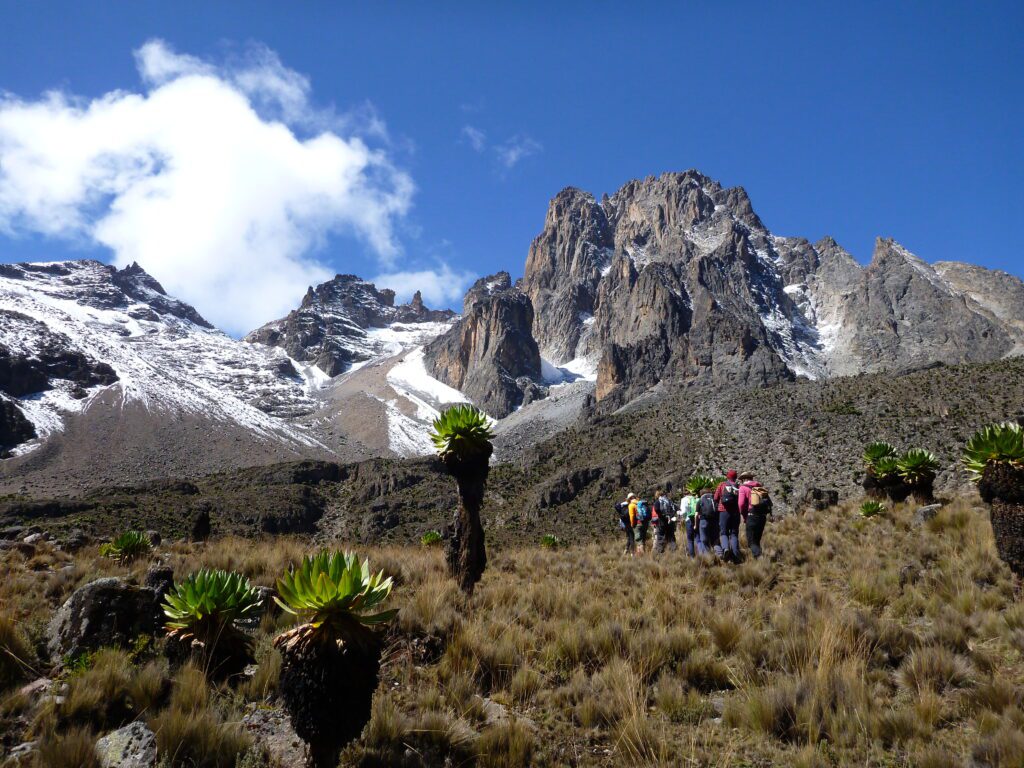
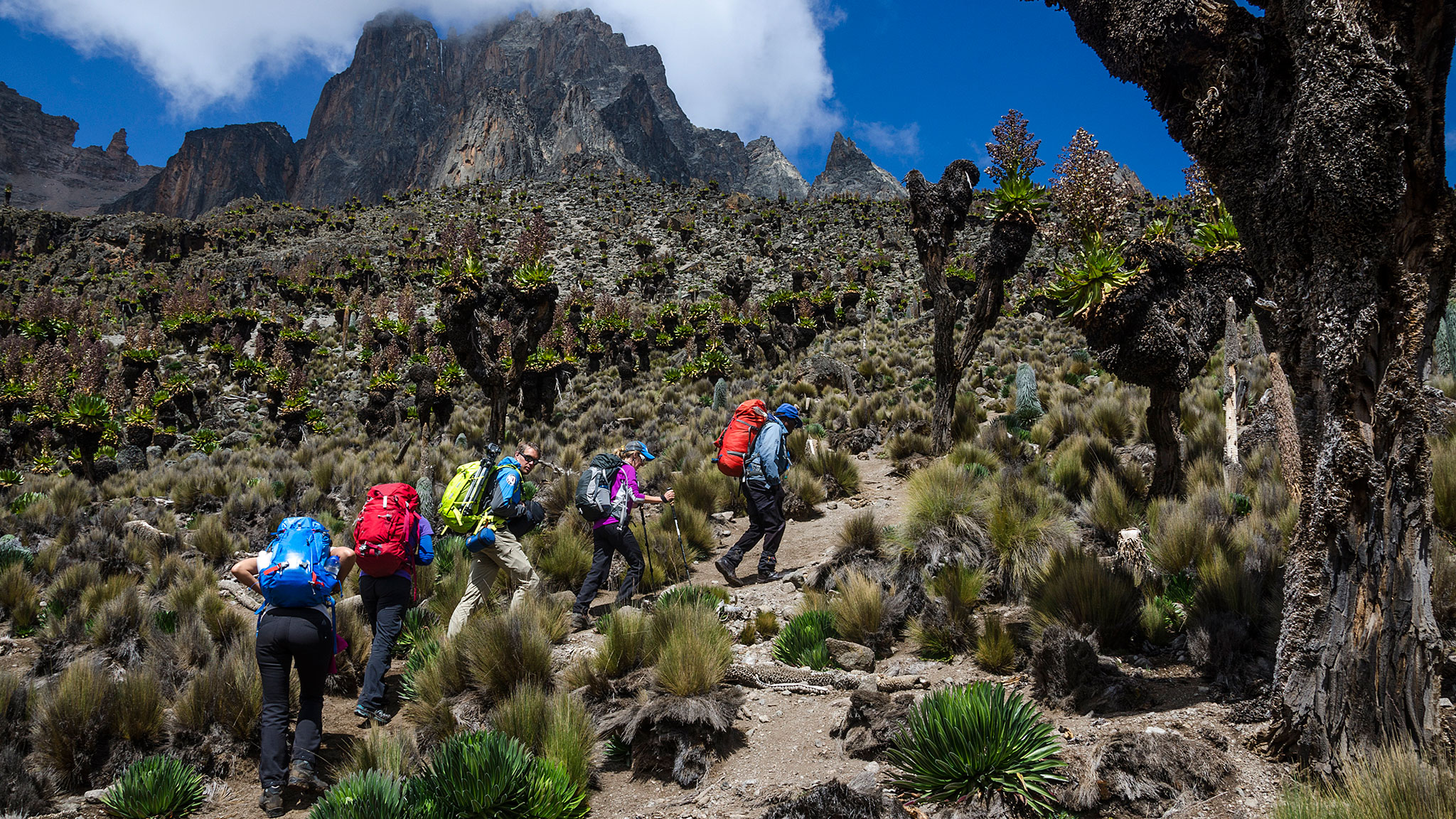
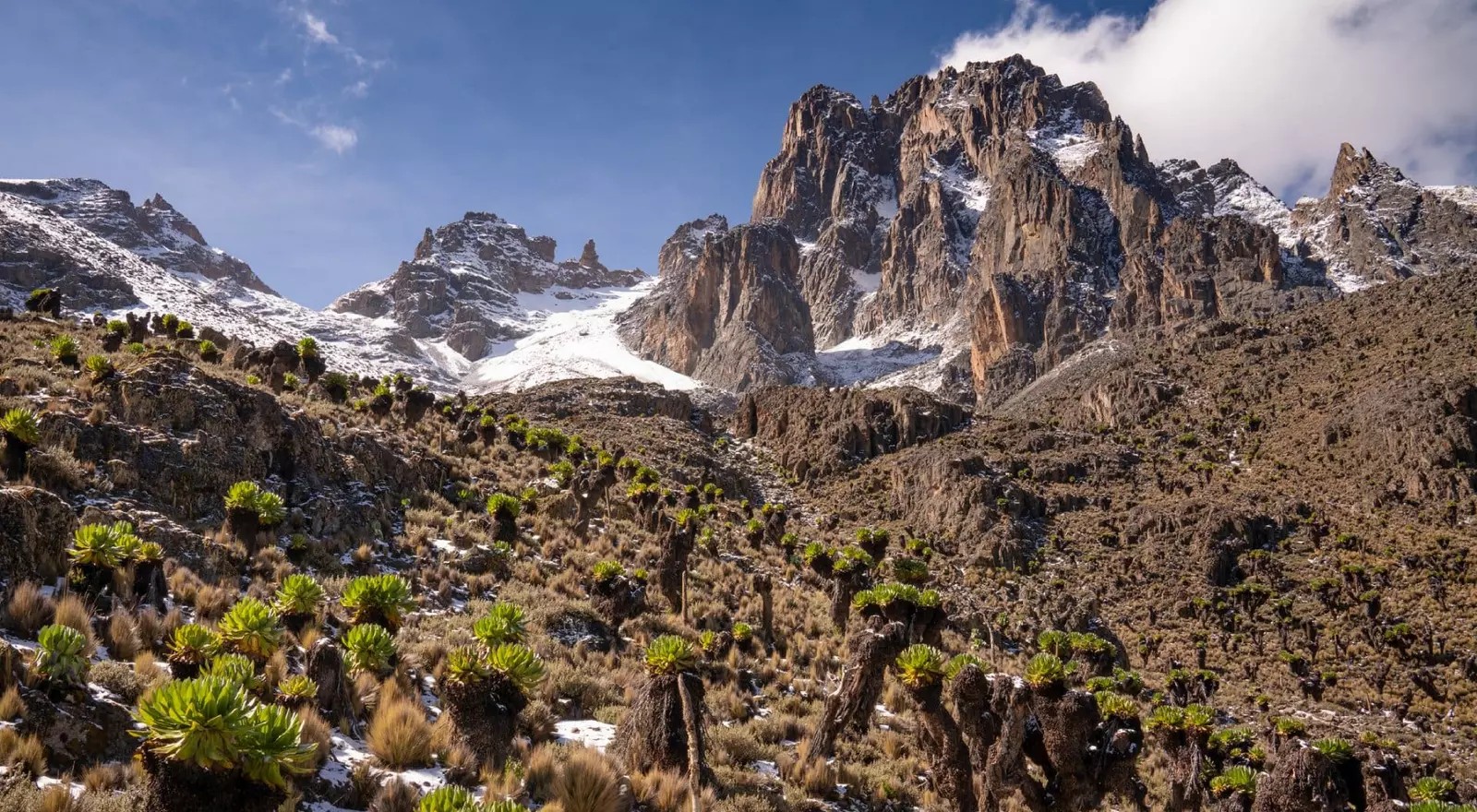
As the elevation increases further, the scenery shifts again. The montane zone features woodlands with Hagenia and Hypericum trees, interspersed with vast stands of giant heathers that are often draped in moss. This gives way to open moorlands characterized by tussock grasses and bogs. Beyond approximately 3,200 to 3,500 meters, the park enters its unique Afro-alpine zone. This is where the iconic giant lobelias and giant groundsels stand out. These remarkable plants have adapted to the harsh conditions, with their rosettes designed to trap heat, store water, and protect themselves from the nightly frost using their old leaves. Cushion plants and hardy lichens carpet the exposed slopes, creating a starkly beautiful, almost otherworldly environment. Near the highest peaks, a periglacial zone exists, where only the most resilient lichens can survive among the rocks, snow, and remaining glaciers. The park is home to stunning alpine lakes, such as Lake Ellis and the picturesque Lake Michaelson, reflecting the dramatic mountain scenery.
The Enchanting Afro-Alpine Realm
The Afro-alpine zone of Mount Kenya is truly a special place, unlike anywhere else on Earth. It's a landscape shaped by extreme conditions, where life finds a way to flourish. The giant lobelias and groundsels are the stars here, their unusual forms a direct response to the cold nights and intense sun. These plants are a marvel of adaptation, helping to create microclimates that allow other smaller plants and lichens to survive. Exploring this high-altitude environment feels like stepping onto another planet. It’s a stark contrast to the lush forests found at the base of the mountain, showcasing the incredible diversity within Mount Kenya National Park. This zone is a highlight for many visitors interested in unique flora and the raw beauty of high-altitude ecosystems. For those undertaking hiking trails on Mount Kenya, reaching this zone is a significant achievement.
Encounters with Mount Kenya's Wildlife
Mount Kenya National Park is a vibrant tapestry of life, teeming with creatures both common and rare. As you explore its diverse landscapes, keep your eyes peeled for the park's many inhabitants. These wildlife safaris in Kenya offer a chance to witness a unique ecosystem.
Mammalian Residents of the Slopes
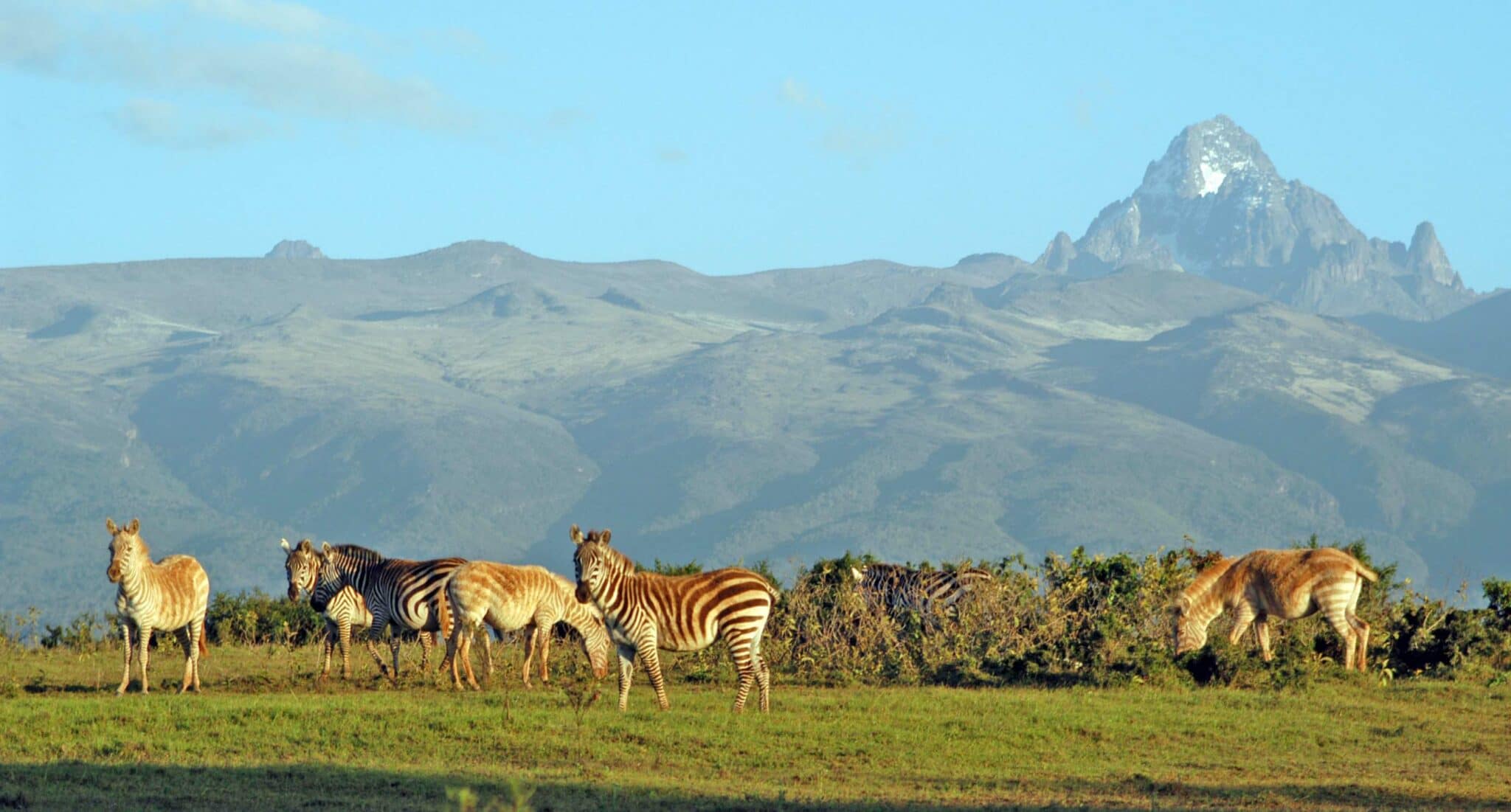
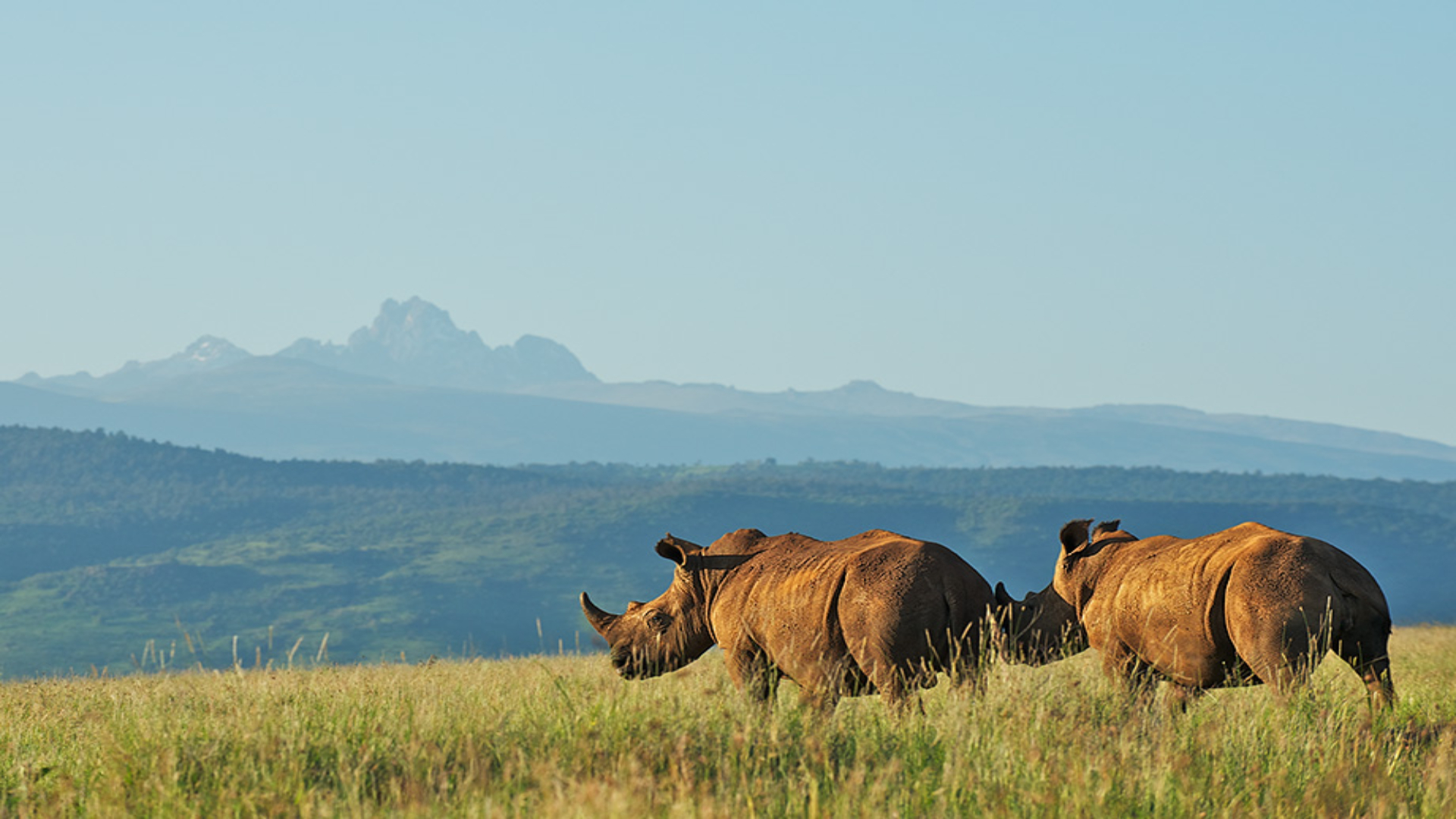
The lower slopes of Mount Kenya are alive with mammals. You might spot herds of buffalo or the occasional elephant moving through the dense forests. Keep an eye out for various antelopes, such as the bushbuck and waterbuck, often seen near water sources. Higher up, the more elusive species make their home. Leopards are present but rarely seen, as are the striking bongo, a large forest antelope known for its distinctive stripes. Even smaller creatures like the tree hyrax and white-tailed mongoose can be observed scurrying through the undergrowth.
Avian Jewels and Rare Creatures
Birdwatchers will find Mount Kenya a paradise, with over 130 species recorded. Brightly colored sunbirds flit among the flowers, while majestic eagles soar overhead. The park is also a sanctuary for rare and endemic species. Among the most sought-after sightings is the mountain bongo, sometimes called the 'forest ghost' due to its elusive nature. Other unique inhabitants include the Mount Kenya mole rat and various species of endemic chameleons and frogs, showcasing the park's incredible biodiversity.
Understanding Wildlife Viewing Etiquette
When embarking on wildlife viewing in Mount Kenya, respecting the animals and their habitat is paramount. Always maintain a safe distance and never attempt to feed or touch any wildlife. It is recommended to enter the park with a certified guide, as they possess the knowledge to locate animals safely and ethically. Remember that disposable plastic water bottles are not permitted within the park, so plan accordingly. Observing these guidelines helps protect the delicate balance of this incredible ecosystem and ensures a memorable experience for everyone.
Responsible wildlife viewing means being a quiet observer, allowing animals to behave naturally without disturbance. It's about appreciating their presence from afar and leaving no trace of your visit.
Here's a quick guide to some of the mammals you might encounter:
Elephants: Often found in the forested areas.
Buffaloes: Common in the lower forest zones.
Leopards: Elusive, but present in the park.
Antelopes: Including bushbucks, waterbucks, and the rare bongo.
Hyraxes: Both tree and rock hyraxes are frequently seen.
Mount Kenya is one of the premier African national parks wildlife destinations, offering a chance to connect with nature in a profound way.
Experiencing the Spirit of Mount Kenya
Mount Kenya National Park is more than just a collection of stunning landscapes and diverse wildlife; it's a place steeped in cultural significance and spiritual reverence. For centuries, the Agikuyu, Aembu, and Ameru communities have considered this majestic mountain the home of their traditional God, Ngai. This deep connection imbues the park with a palpable sense of sacredness, inviting visitors to approach it with respect and awe. Many come seeking not just adventure, but also a form of spiritual nourishment found in the pristine wilderness and the sheer grandeur of the peaks.
Cultural Significance and Local Beliefs
The mountain's presence has shaped the traditions and beliefs of the people living in its shadow. It's seen as a divine dwelling, a source of life, and a place where the earthly and spiritual worlds meet. This reverence is reflected in local customs and stories passed down through generations. Visitors are encouraged to be mindful of this cultural heritage, understanding that the park is a cherished ancestral land. The very air seems to carry whispers of ancient traditions, making any visit a journey into both nature and history.
Activities Beyond the Summit
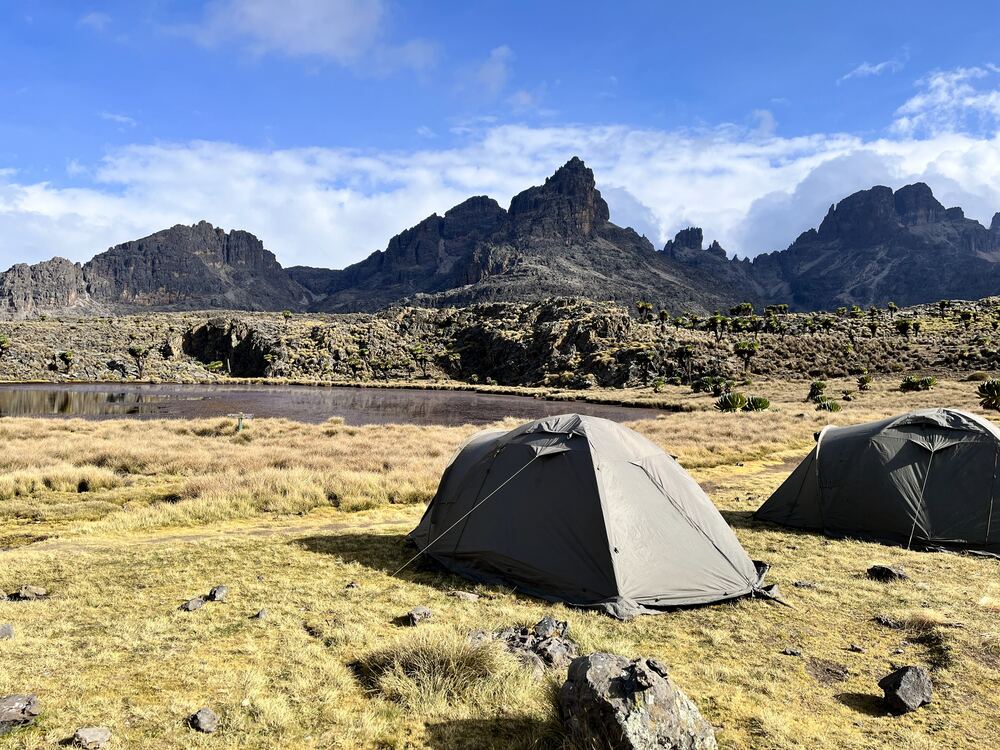
While the allure of reaching the highest points is undeniable, Mount Kenya offers a wealth of experiences for those who explore its lower reaches. Day hikes through the lush montane forests and bamboo zones reveal a different facet of the park's beauty. Wildlife viewing opportunities abound, with chances to spot elephants, various antelopes, and a vibrant array of birdlife. Camping under the vast African sky provides an intimate connection with the natural world, far from the bustle of everyday life. The park also offers chances for quiet contemplation amidst unique flora, such as the giant lobelias and groundsels, which are a marvel in themselves.
Responsible Tourism Practices
To preserve the sanctity and ecological integrity of Mount Kenya, responsible tourism is paramount. Visitors are required to enter the park with a certified guide, who are easily identifiable by their park-issued cards. A key guideline is the prohibition of disposable plastic water bottles, encouraging the use of reusable alternatives. Guides and porters have weight limits for luggage, typically not exceeding 25kg, with checks conducted at the gate. All visitors must also participate in a check-in and check-out process, recording their details in designated books. Adhering to these practices helps protect this precious heritage site for future generations.
Guides are mandatory for all visitors.
Plastic water bottles are not permitted.
Visitors must check in and out.
Respect local customs and the natural environment.
Planning Your Visit to Mount Kenya
Getting ready for a trip to Mount Kenya National Park involves a bit of thought, but it's totally worth it. Think of it as preparing for an amazing adventure. The park is about a 3 to 5-hour drive from Nairobi, making it quite accessible.
Getting to the Park
Most visitors arrive by road. You can choose your entry point based on the route you plan to take. The Sirimon Gate, on the Nanyuki side, is popular for its gradual climb and good mountain huts. The Naro Moru Gate is another option, often considered the quickest way to the summit, though it can get quite boggy. For those seeking the most scenic experience, the Chogoria Gate is the way to go, offering stunning views of lakes and valleys. If you're flying, there are airstrips in Nanyuki, which can shorten your travel time to the park gates.
Understanding Park Entry and Fees
When you arrive, you'll need to pay park entry fees. These fees vary depending on whether you are a Kenyan citizen, a resident, or a non-resident. It's a good idea to check the latest fee structure before your visit, as they can change. Remember to bring your identification for verification. Also, note that disposable plastic water bottles are not allowed inside the park, so bring a reusable one.
Visitor Type
Fee (per day)
Citizen Adult
KSh 430
Citizen Child
KSh 215
Resident Adult
KSh 430
Resident Child
KSh 215
Non-Resident Adult
USD 52
Non-Resident Child
USD 26
Accommodation and Amenities
Inside the park, accommodation options range from basic mountain huts to more comfortable lodges, depending on the area and your chosen route. Huts like Old Moses and Shipton's offer a rustic experience, perfect for stargazing. It's wise to book these in advance, especially during peak seasons. You'll also need to pack your own food and supplies, as amenities are limited, particularly as you ascend. Guides and porters are readily available and highly recommended for safety and a richer experience. They carry identification issued by the park management.
It's important to remember that all visitors are required to check in and out of the park. This is done by recording your personal information in the entry and exit books at the gate. This helps the park authorities keep track of everyone within the park boundaries.
A Lasting Impression
Mount Kenya National Park is more than just a place; it's an experience that stays with you. From the unique plants that seem to belong to another world to the chance of spotting wildlife on its lower slopes, the mountain offers a real sense of adventure. Whether you're aiming for a summit or just exploring the forests, the sheer scale and beauty of Africa's second-highest peak are undeniable. It's a special corner of Kenya, protected for its natural wonders and the important role it plays in the region. A visit here leaves you with a deep appreciation for wild places and the importance of keeping them safe for the future.
Frequently Asked Questions
What makes Mount Kenya National Park special?
Mount Kenya National Park is a special place because it is home to Africa's second-highest mountain, Mount Kenya. It's a UNESCO World Heritage site, meaning it's recognized for its amazing natural beauty and importance. The park features stunning scenery with lakes, glaciers, and thick forests, making it a top spot for people who love hiking and climbing.
How can one get to Mount Kenya National Park?
Visitors can reach Mount Kenya National Park mainly by road from Nairobi. The journey typically takes about 3 to 5 hours, depending on which gate you are heading to. There are also options to fly into Nanyuki Airstrip, which is the closest commercial airport to the park.
What are the main trekking routes for Mount Kenya?
There are three primary routes for trekking up Mount Kenya: Sirimon, Naro Moru, and Chogoria. The Sirimon route is known for its gradual climb and good mountain huts. The Naro Moru route is the quickest but can be quite muddy. The Chogoria route is considered the most scenic, offering beautiful views along the way.
What kind of wildlife can be seen in the park?
Mount Kenya National Park is home to a variety of animals. On the lower slopes, visitors might see elephants, buffaloes, and monkeys. Higher up, you can find animals like rock hyrax and unique high-altitude creatures. The park also boasts over 130 different types of birds.
What should a person pack for a trip to Mount Kenya?
When preparing for a visit, it's important to pack essentials like warm clothing because the weather can change quickly and get cold, especially at higher elevations. Other important items include drinking water, food, a first-aid kit, sunscreen, insect repellent, and proper hiking or climbing gear.
Are there any specific rules for visiting Mount Kenya National Park?
Yes, there are a few important rules. Visitors are generally required to go with a certified guide. It's also important to know that single-use plastic water bottles are not allowed inside the park. All visitors must sign in when they enter and sign out when they leave.