Rate : $0 to $0
Best time : June to September (dry season)
High season :
July to October and December to March
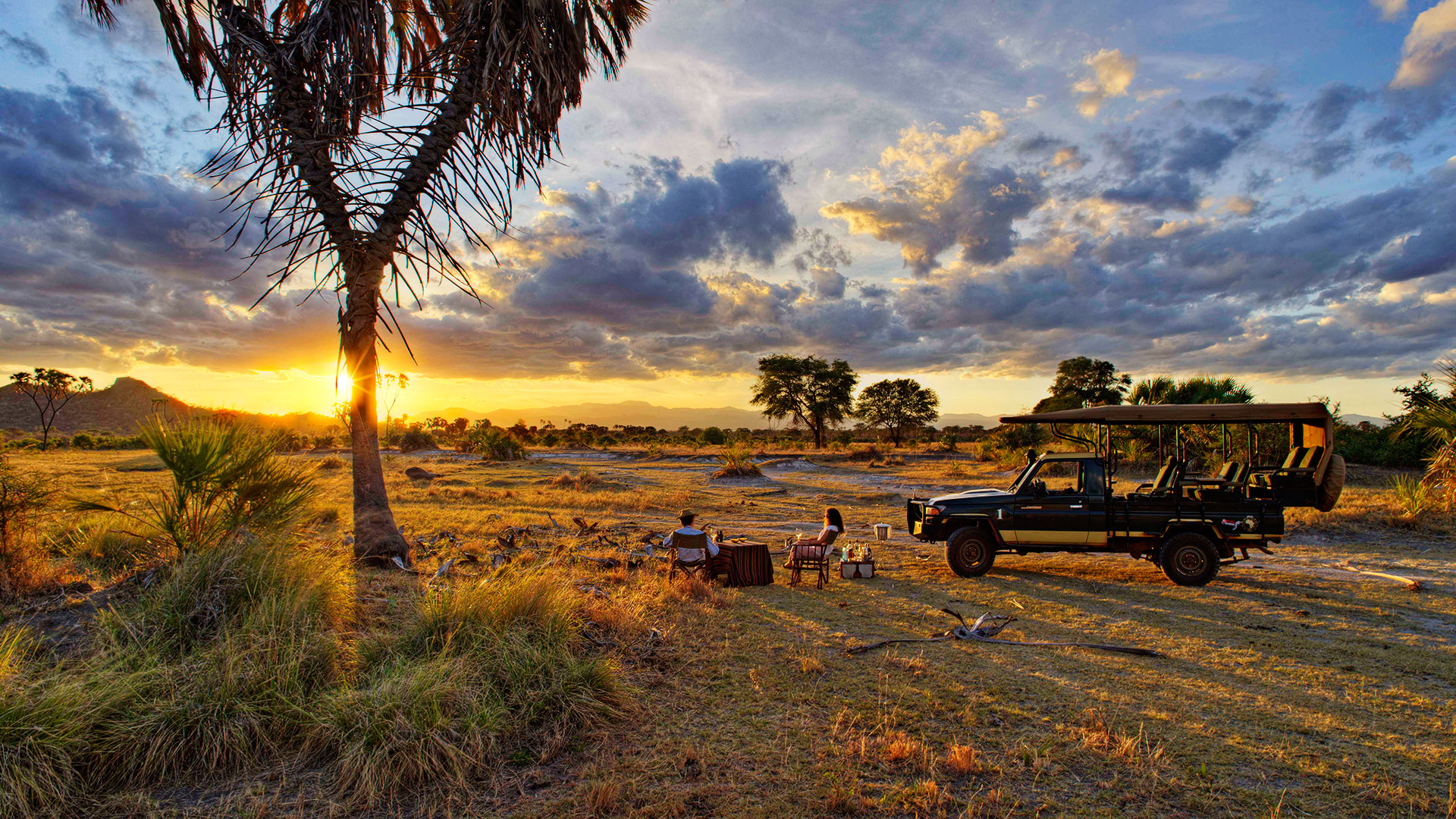
Meru National Park, a vast expanse in Kenya's eastern region, offers a wild and beautiful safari experience. Famous for its tall grasses and lush swamps, it's a place where the story of Elsa the lioness, as told in 'Born Free,' unfolded. This park provides a chance to see the Big Five in a setting that feels remote and uncrowded, a true escape into nature.
Key Takeaways
Meru National Park is known for its diverse landscapes, including tall grass and swampy areas, making it a visually striking destination.
The park is historically significant as the place where Joy Adamson raised Elsa the lioness, famously documented in 'Born Free.' Elsa's grave is a notable site within the park.
Visitors can experience a less crowded safari, with opportunities to see all of the Big Five animals: lion, leopard, elephant, rhino, and buffalo.
The park boasts exceptional birdlife, with over 427 recorded species, making it a prime location for birdwatchers.
Meru National Park offers various activities such as game drives, walking safaris, and cultural visits to nearby communities.
Introduction to Meru National Park
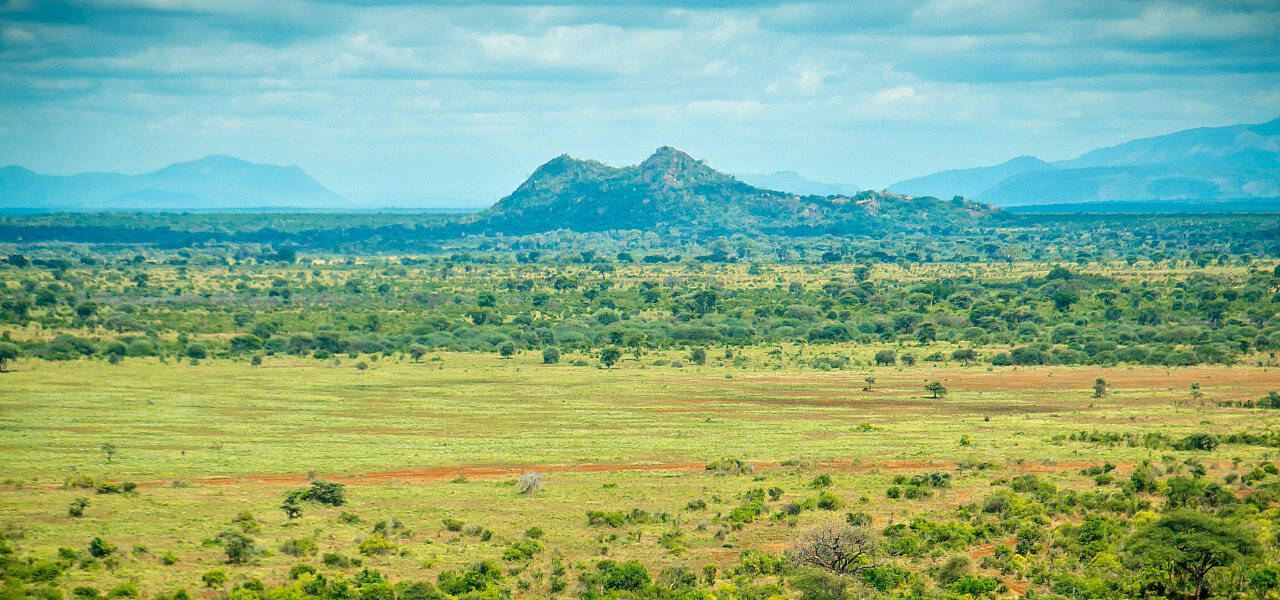
Meru National Park is a truly special place in Kenya, offering a wild and untamed experience for visitors. It's located a good distance from Nairobi, about 350 kilometers away, making it feel like a real escape into nature. This park covers a substantial area, around 870 square kilometers, and it's known for its diverse landscapes. You'll find everything from dry bushland in the north to lush grasslands and dense riverine forests, especially along the Tana River. The rainfall varies across the park, contributing to its varied vegetation, which in turn supports a wide array of wildlife.
What makes Meru National Park particularly memorable is its connection to conservation history. It's famously known as one of the places where George and Joy Adamson raised Elsa the Lioness, the star of the book and movie "Born Free." You can even visit Elsa's grave within the park, a poignant reminder of their work. The park has undergone significant restoration efforts, transforming it from a place facing challenges to a thriving wildlife destination. Today, Meru National Park stands as a testament to successful conservation and a haven for numerous animal species.
This park is home to a remarkable variety of animals. You have a good chance of spotting elephants, lions, leopards, and cheetahs. It's also a critical sanctuary for both eastern black and southern white rhinos, making it a significant location for rhino conservation. Other mammals like Grévy's zebra, hippos, and various antelopes also roam freely. The birdlife is equally impressive, with hundreds of species recorded, making it a fantastic spot for birdwatchers. Meru offers a genuine sense of adventure, where the wild still feels wonderfully wild.
Weather & Climate
loading...
Location and Geography
Meru National Park is situated in the eastern part of Kenya, roughly 350 kilometers northeast of Nairobi. It's a place where the landscape shifts dramatically, offering a varied terrain that supports a rich tapestry of life. The park covers an area of about 870 square kilometers, a generous expanse that allows wildlife to roam freely.
Climate and Best Time to Visit
The climate in Meru National Park is influenced by its semi-arid environment, leading to somewhat unpredictable rainfall patterns. The park experiences two distinct wet seasons: one from April to June and another from November to December. Rainfall is generally higher in the western parts of the park, receiving between 635 to 762 mm annually, while the eastern sections are drier, with rainfall ranging from 305 to 356 mm. This variation in rainfall contributes to the diverse vegetation found throughout the park, from tall grasses to dense riverine forests.
The best time to visit Meru National Park is during the dry seasons, from January to March and from July to October. During these months, the weather is more predictable, and the reduced vegetation makes wildlife spotting easier as animals tend to congregate around water sources. While the wet seasons bring lush greenery, they can also mean challenging road conditions in certain areas.
Wildlife of Meru National Park
Meru National Park is a treasure trove for anyone interested in Kenya wildlife safaris, offering a diverse array of animals against a backdrop of varied landscapes. This park stands out among East African safari destinations for its rich biodiversity and the sheer abundance of life that calls it home. It's a place where the wild heart of Africa truly beats.
The 'Big Five' and Other Mammals
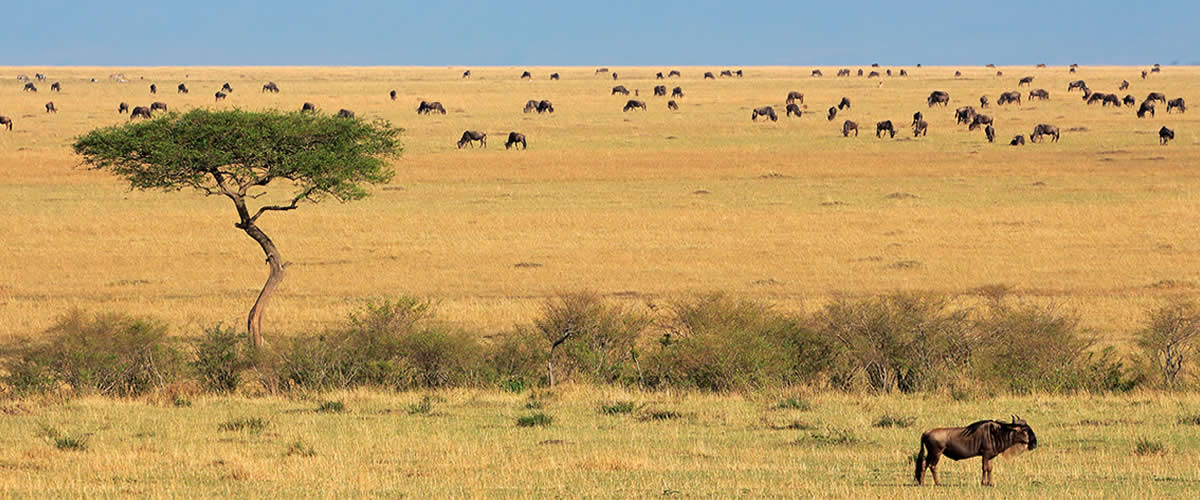
While Meru is celebrated as one of the best places to see wildlife in Kenya, it's important to note that spotting the entire 'Big Five' (lion, leopard, elephant, rhino, and buffalo) can be a matter of luck and timing, as with any large wilderness area. However, the park is particularly renowned for its healthy population of both black and white rhinos, making it one of the premier Big Five game reserves for rhino sightings. Elephants are a common sight, often seen in herds, and buffalo graze in the open grasslands. Leopards are elusive but present, and lions, though not as frequently seen as in some other parks, do inhabit the area.
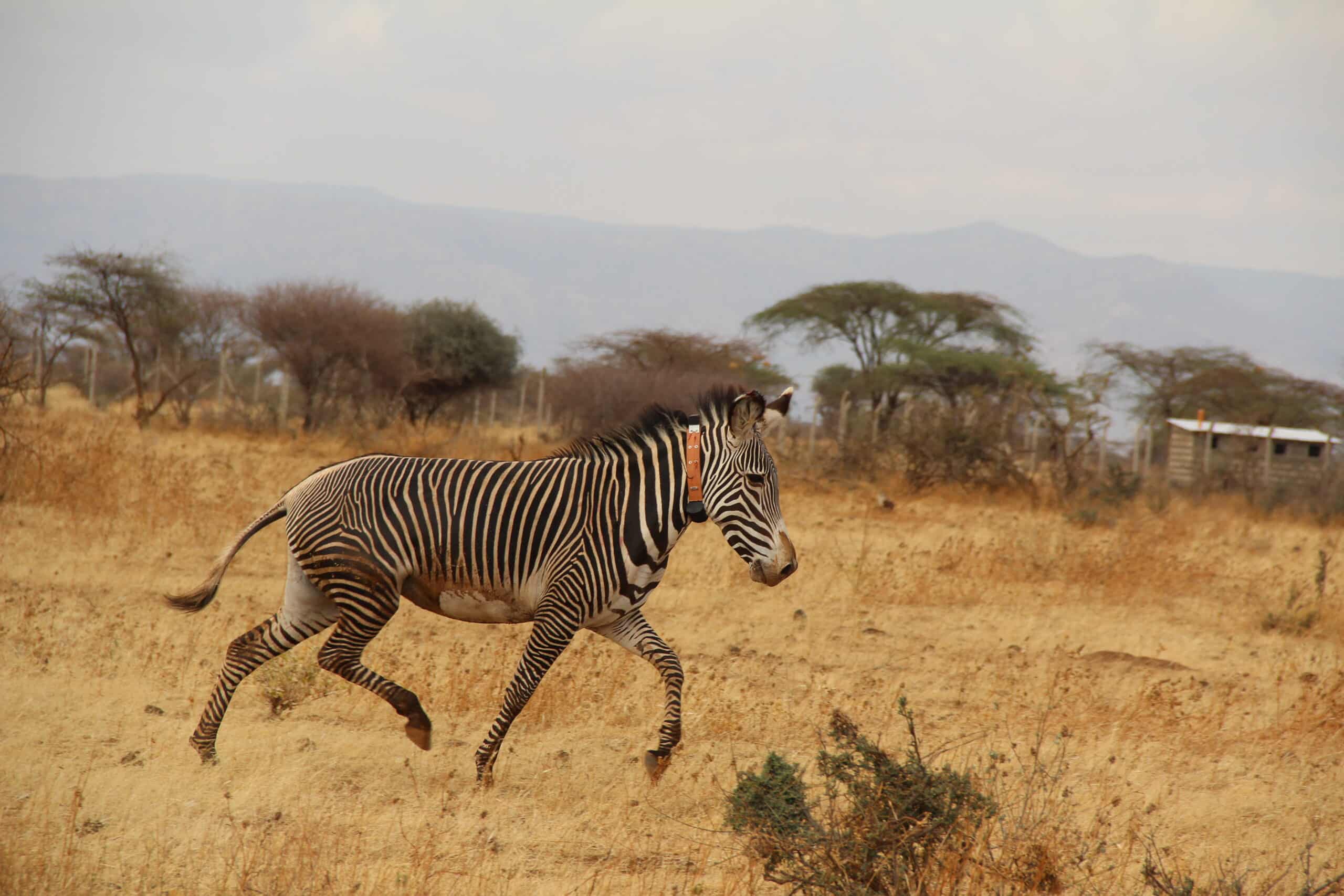
Beyond the 'Big Five', Meru teems with other fascinating mammals. You might encounter graceful reticulated giraffes browsing on acacia trees, Grevy's zebras with their distinctive narrow stripes, and various antelope species like the graceful dik-dik and the larger eland. Cheetahs are also known to patrol the plains, their sleek forms built for speed. Keep an eye out for hippos in the rivers and waterholes, and perhaps even a shy bush pig or a waterbuck.
Birdlife in Meru
For bird enthusiasts, Meru National Park is nothing short of paradise. With over 450 recorded bird species, it's a significant attraction for birdwatchers. The park's varied habitats, from dense riverine forests to open grasslands and thorny bushland, support an incredible diversity of avian life. Migratory birds join the resident species, creating a dynamic spectacle throughout the year.
Some of the notable species you might spot include the striking red-necked falcon, the industrious brown-backed woodpecker, and the magnificent ostrich. Birding tours can lead you to sightings of Heuglin's courser, various colorful bee-eaters, the elusive Pel's fishing owl, and the vibrant rollers. Birdwatchers will also want to look for Peter's finfoot and several species of hornbills. The sheer variety means that every game drive or walk can offer new and exciting discoveries for those with binoculars and a keen eye.
Meru National Park offers a wild and untamed experience, a true escape into nature where the rhythms of the wild dictate the day. It's a place that rewards patience and observation, revealing its secrets to those who take the time to look.
Activities and Experiences
Meru National Park offers a variety of ways for visitors to connect with its wild heart. Whether you seek thrilling wildlife encounters, peaceful nature walks, or a glimpse into local traditions, the park provides memorable experiences.
Game Drives
Embarking on a game drive is the quintessential Meru experience. The park's extensive network of tracks winds through diverse landscapes, from open grasslands to dense woodlands, creating ideal conditions for spotting a wide array of animals. Early morning and late afternoon drives are particularly rewarding, as this is when many animals are most active. Keep your eyes peeled for majestic elephants, graceful reticulated giraffes browsing on acacia trees, and herds of zebras. Meru is also a prime location for spotting elusive predators like lions and leopards, as well as the endangered black rhino. For an even more immersive experience, night game drives can reveal nocturnal creatures that are rarely seen during the day.
Walking Safaris
For those who wish to engage with the environment on a more intimate level, walking safaris offer a unique perspective. Accompanied by experienced guides, these walks allow you to appreciate the smaller details of the bush – the intricate patterns of insect life, the diverse flora, and the subtle signs of animal passage. It's a chance to truly feel the pulse of the wilderness, listening to the sounds of the park and breathing in the fresh, untamed air. Walking safaris are a fantastic way to gain a deeper appreciation for the ecosystem and its inhabitants.
Cultural Visits
Meru National Park is surrounded by communities with rich cultural heritage. Visitors have the opportunity to engage with the local Ameru and Borana people, gaining insight into their traditions, music, and daily life. These cultural visits often include performances of traditional dances and music, offering a vibrant and authentic glimpse into the local way of life. Exploring these communities provides a broader understanding of the region and its people, adding another layer to the Meru safari experience
Accommodation Options
When planning your adventure in Meru National Park, you'll find a range of places to stay, catering to different preferences and budgets. From comfortable lodges just outside the park gates to more rustic camping experiences within its boundaries, there's something for everyone.
For those seeking a bit more comfort and convenience, several lodges and camps are situated nearby. These often provide amenities like en-suite bathrooms, dining services, and guided activity arrangements. Options such as Elsa's Kopje Eco-lodge, Rhino River Porini Camp, and Ikweta Safari Camp offer a chance to relax in style after a day of exploring.
Inside the park, Meru offers a more immersive experience through its bandas and campsites. You can choose from public campsites, like Bwatherongi, which come with basic facilities such as water, toilets, and a kitchen area, making them convenient for those who prefer to bring their own gear. For a more exclusive feel, special campsites are available, offering a private camping spot where you'll need to bring all your supplies, including a source of fire. These special sites require advance booking.
There are also park-managed guesthouses, like the Meru Guest House and Kinna Guest House, which can accommodate larger groups and come with kitchen facilities, providing a home-away-from-home feel. These are great for families or groups of friends looking for a shared space.
Park Guesthouses: Meru Guest House (5 pax), Kinna Guest House (10 pax).
Park Cottages: Various options like Kinna Cottages and Murera Cottages, offering multiple rooms and varying amenities.
Public Campsites: Bwatherongi (basic facilities provided).
Special Campsites: Numerous designated sites for private camping (bring all supplies).
Remember that booking for park-managed facilities like bandas, guesthouses, and special campsites is typically done through the park warden or the Kenya Wildlife Service (KWS) reservations desk. It's always a good idea to book in advance, especially during peak seasons, to secure your preferred spot.
Planning Your Trip to Meru National Park
Embarking on a journey to Meru National Park is an adventure that calls for thoughtful preparation to make the most of its wild beauty. When considering your visit, the dry seasons, typically from January to February and again from June through September, offer the most accessible game viewing conditions. During these months, the park's tracks are clearer, allowing for smoother exploration.
Getting to Meru is part of the experience. The park is accessible by road, with routes from Nairobi taking approximately 350 kilometers. A sturdy 4x4 vehicle is highly recommended, as some of the park's terrain can be challenging. For those preferring to fly, there are airstrips near the park, offering a quicker, though often more costly, alternative.
Here’s a quick look at what to consider:
Best Time to Visit: January-February and June-September for dry conditions.
Getting There: Road access via 4x4 is common; flights to nearby airstrips are also an option.
What to Pack: Binoculars, camera, sunscreen, insect repellent, a first-aid kit, and plenty of water are advisable
Accommodation within and around the park ranges from comfortable lodges to more rustic camping options, catering to different preferences and budgets. Booking in advance is wise, especially during peak seasons.
Remember that Meru National Park is a vast wilderness. While planning is key, maintaining flexibility will allow you to embrace unexpected wildlife sightings and the natural rhythm of the park. The spirit of adventure thrives on a blend of preparation and spontaneity.
A Lasting Impression of Meru
Meru National Park truly offers a special kind of escape. It's a place where the wild heart of Kenya beats strong, away from the usual crowds. Whether you're drawn by the famous story of Elsa the lioness, the chance to see the Big Five in a more untouched setting, or simply the beauty of its varied landscapes, Meru leaves a mark. It’s a reminder of nature’s resilience and the quiet magic that can be found when you venture a little further off the beaten path. A visit here feels like stepping into a living piece of history, a wild and wonderful corner of the world worth experiencing.
Frequently Asked Questions
What makes Meru National Park special?
Meru National Park is known for its wild beauty, with tall grasses and wet, swampy areas. It became famous because of the book and movie 'Born Free,' which told the story of Elsa the lioness. Visitors can experience a less crowded safari here and see all of the 'Big Five' animals. You can even visit Elsa's grave, which is a significant spot for many.
When is the best time to visit Meru National Park?
The best time to visit Meru National Park is generally during the dry seasons, which occur from January to February and again from June to September. During these months, there is very little rain, making it easier to travel on the park's roads and increasing the chances of spotting wildlife as they gather near water sources.
What kind of animals can be seen in Meru National Park?
Meru National Park is home to a wide variety of animals. Visitors have the chance to see the 'Big Five,' which include lions, leopards, elephants, rhinos (both black and white), and buffalo. Other animals you might encounter are cheetahs, zebras (including the rare Grevy's zebra), giraffes, hippos, and many different types of antelopes. The park also boasts an incredible number of bird species.
What activities can visitors do in Meru National Park?
Visitors can enjoy several activities in Meru National Park. Guided game drives are very popular for viewing wildlife, and they can be done in the morning, afternoon, or even at night. Bird watching is another major attraction due to the park's rich birdlife. For a more immersive experience, walking safaris are available, and cultural visits to nearby communities offer a glimpse into local traditions and lifestyles.
How can one get to Meru National Park?
Meru National Park can be reached by road from Nairobi, which is about a 350-kilometer drive. Travelers can choose routes via Nyeri-Nanyuki or Embu. For those who prefer flying, there are airstrips near the park, such as Kinna Airstrip, where small planes can land. Using a 4x4 vehicle is highly recommended for navigating the park's roads.
Where can visitors stay when visiting Meru National Park?
There are various accommodation options available for visitors to Meru National Park, ranging from budget-friendly to luxury choices. These include lodges located both inside and just outside the park boundaries, such as Elsa's Kopje, Rhino River Camp, and Ikweta Safari Camp. Camping facilities, including public and special campsites, are also available for those who wish to stay closer to nature.