Rate : $3018 to $10228
Best time : January to March (best for birding and flamingos)
High season :
June to September and December to March
Lake Nakuru National Park, situated in Kenya's Great Rift Valley, is a well-known destination for wildlife viewing and birdwatching. Initially established to protect the rhinoceros, it has since grown to encompass a diverse range of animals and a spectacular avian population. The park offers visitors a chance to experience the natural beauty of Kenya and observe wildlife in its habitat.
Key Takeaways
Lake Nakuru National Park is located in Kenya's Great Rift Valley, making it accessible from Nairobi.
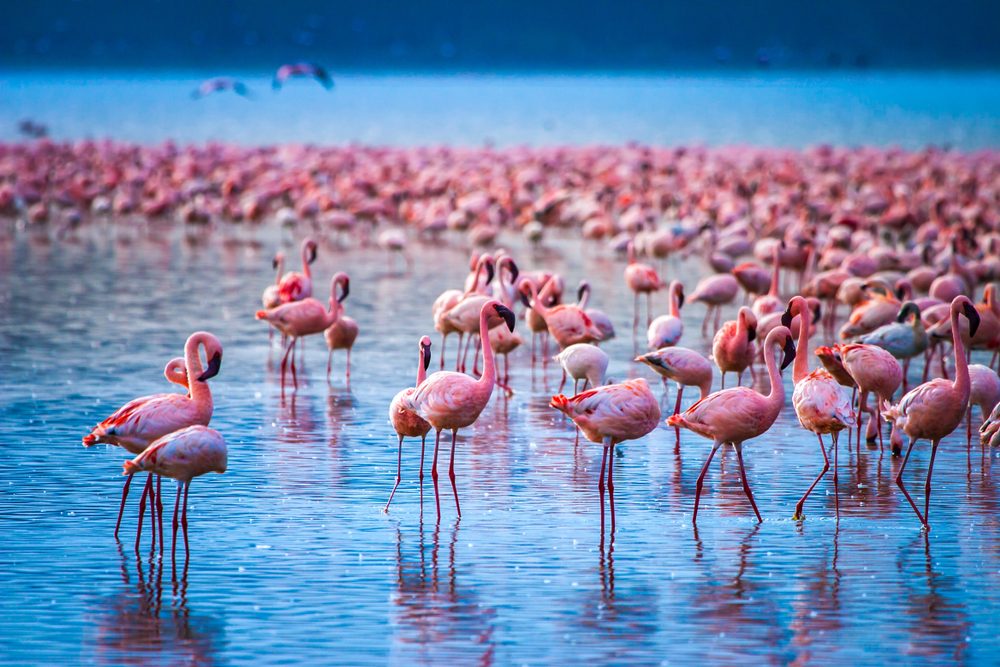
The park is famous for its large population of flamingos, which can create a striking pink spectacle along the lake's shores.
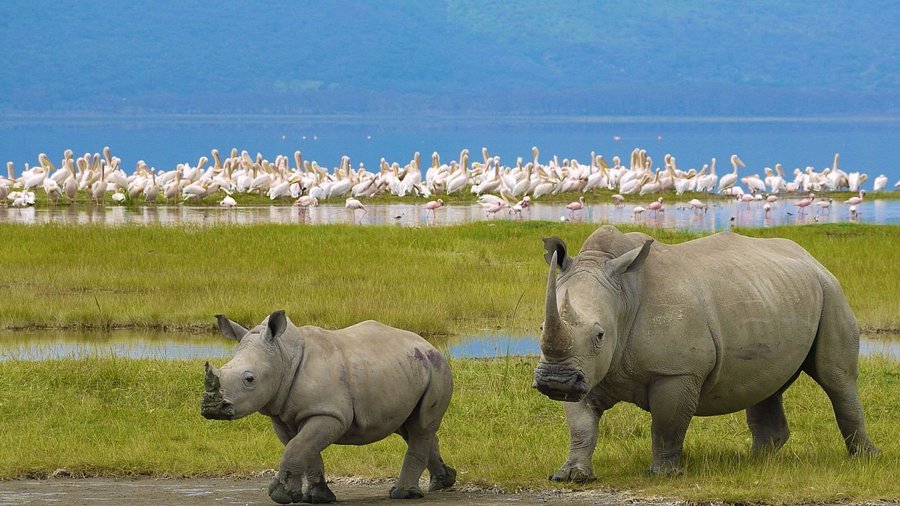
It serves as a vital sanctuary for both black and white rhinos, and also hosts endangered Rothschild's giraffes.
Visitors can engage in activities like game drives and birdwatching tours to observe the park's diverse wildlife and bird species.
The landscape includes grasslands, woodlands, and rocky escarpments, offering varied scenery and viewpoints for spotting animals
About Lake Nakuru National Park
Location and Accessibility
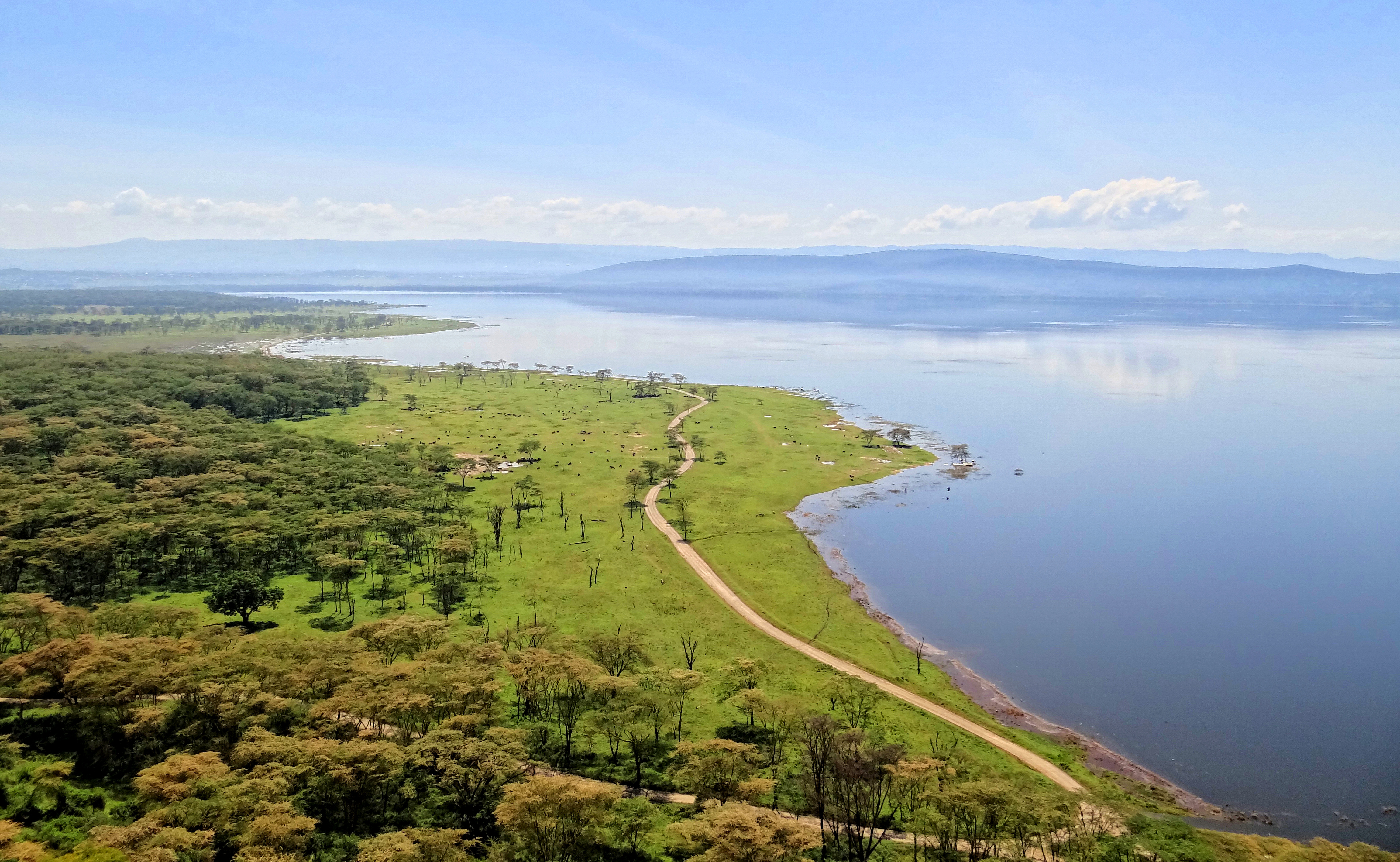
Nestled in the heart of Kenya's Great Rift Valley, Lake Nakuru National Park is a jewel easily reached from Nairobi. It's about a three-hour drive, making it a popular destination for both local and international visitors. The park lies northwest of Nairobi, situated on the floor of the Great Rift Valley. Its proximity to Nakuru town means convenient access, with the Lanet gate serving as the main entrance. This strategic location also places it near other notable parks like Hell's Gate and Lake Naivasha, offering opportunities for extended exploration of the region.
What to See in Lake Nakuru National Park
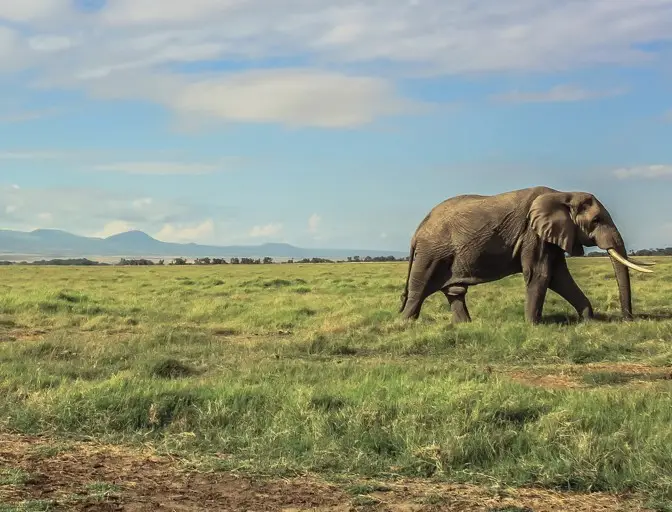
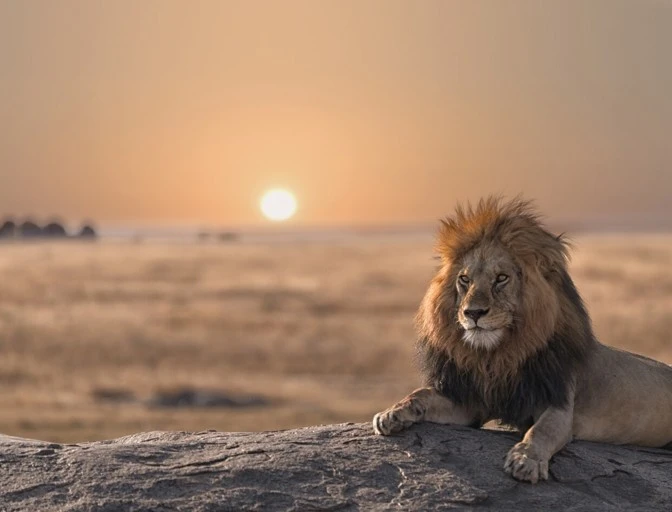
Lake Nakuru National Park is a vibrant tapestry of landscapes, featuring woodlands, grasslands, and steep, rocky escarpments. The park's namesake, Lake Nakuru, is a shallow, alkaline soda lake that forms the central attraction. This unique environment supports a rich diversity of wildlife. Visitors can expect to see a variety of mammals, including lions, leopards, cheetahs, hippos, and buffalos. The park is also a sanctuary for endangered species, making it a significant conservation area.
The Flamingos of Lake Nakuru
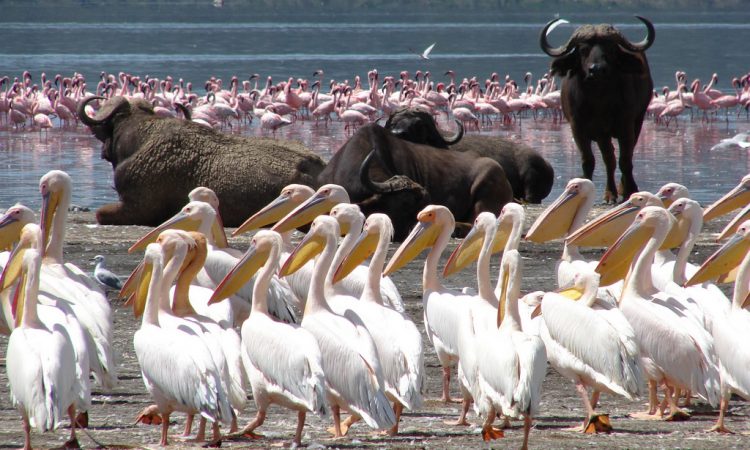
Historically, Lake Nakuru was world-renowned for its breathtaking spectacle of flamingos in Lake Nakuru Kenya. At times, the lake's shores would be awash with millions of these pink birds, creating an unforgettable sight. While recent environmental changes, including rising water levels, have affected their numbers, the Kenya flamingos Lake Nakuru are still a draw. Seeing even a portion of this magnificent avian display is a highlight for many visitors to Lake Nakuru National Park Nakuru Kenya.
Rhino Sanctuary
Lake Nakuru National Park is a vital sanctuary for rhinos. It is home to both black and white rhinos, with conservation efforts focused on protecting these endangered species. To safeguard them from poaching, an electric fence was erected around the park, and in 1987, Lake Nakuru was officially declared a rhino sanctuary. This dedicated protection has made the park a reliable place to spot these magnificent creatures.
Other Wildlife
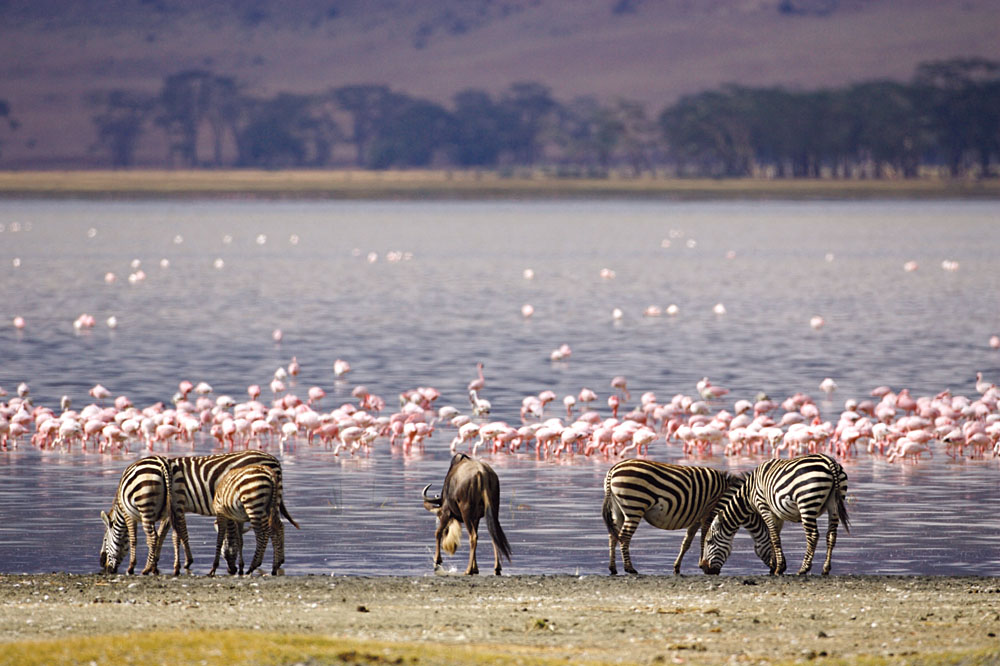
Beyond the rhinos and the famous flamingos, Lake Nakuru National Park teems with other fascinating wildlife. Keep an eye out for Rothschild's giraffes, a species also under protection within the park. Lions, leopards, and cheetahs are present, though often elusive. You'll also find hippos, buffalos, waterbucks, and various species of antelopes like impalas. The park's diverse habitats, from acacia woodlands to rocky outcrops, support this rich array of animals.
Birdwatching Paradise
For avid birdwatchers, Birdwatching in Nakuru is an absolute must. The park is recognized internationally as an Important Bird Area (IBA), hosting over 400 bird species. While the flamingos are a major attraction, the avian diversity extends far beyond them. Birdwatchers can spot African Fish Eagles, long-tailed widowbirds, and many other colorful and unique species. The varied ecosystems within Lake Nakuru Kenya National Park provide excellent habitats for a wide range of birds, making Birdwatching in Nakuru a rewarding experience.
Weather & Climate
loading...
Activities in Lake Nakuru National Park
Lake Nakuru National Park offers a variety of ways to experience its stunning landscapes and abundant wildlife. Whether you're an avid birder, a wildlife enthusiast, or simply seeking a peaceful escape, there's something here for everyone.
Game Drives
Embarking on a game drive is perhaps the most popular way to explore the park. These drives allow visitors to get up close with the diverse array of animals that call Lake Nakuru home. Imagine cruising through the acacia woodlands and open grasslands, with the chance to spot white and black rhinos, Rothschild's giraffes gracefully feeding, lions lounging, and perhaps even a leopard camouflaged in the trees. Morning and afternoon drives offer different light and animal activity, providing unique viewing opportunities each time. It's a fantastic way to experience the thrill of Nakuru wildlife viewing.
Birdwatching Tours
While famous for its flamingos, Lake Nakuru is a true birdwatcher's paradise, boasting over 450 species. Guided birdwatching tours are highly recommended to help you spot and identify the incredible variety of avian life. From the majestic African fish eagle soaring overhead to the vibrant kingfishers darting along the lake's edge, the park is alive with feathered wonders. Keep an eye out for pelicans, herons, and numerous smaller species that make this park a haven for bird lovers.
Picnicking and Sightseeing
For a more relaxed experience, the park offers several scenic spots perfect for a picnic. Makalia Waterfall, located in the southern part of the park, is a particularly beautiful location. Enjoying a packed lunch surrounded by nature's beauty, with the sounds of the waterfall and the distant calls of wildlife, is a memorable experience. Several viewpoints, such as Baboon Cliff and Lion Hill, provide breathtaking panoramic vistas of the lake and the surrounding Rift Valley escarpment, offering excellent photo opportunities and a chance to appreciate the vastness of the landscape. This makes it a great stop for anyone interested in Safari in Kenya's Rift Valley.
The park's well-maintained tracks and accessible viewpoints make it easy for visitors to enjoy the scenery and wildlife without needing specialized off-road vehicles. This accessibility is a key factor in its popularity for day trips and shorter stays.
Here's a quick look at what you might encounter:
Mammal Species: Over 50 species, including rhinos (a key feature of the Rhino sanctuary Kenya), giraffes, lions, leopards, zebras, impalas, and baboons.
Bird Species: Hundreds of species, with flamingos being the most iconic, alongside eagles, pelicans, and various water birds.
Scenic Spots: Lake Nakuru itself, Makalia Waterfall, Baboon Cliff, and Lion Hill viewpoint.
Planning Your Visit
Getting to Lake Nakuru National Park is quite straightforward, making it an accessible escape into nature. Most visitors arrive by road, with the park located about 156 kilometers northwest of Nairobi. You can use the main Nairobi-Nakuru highway and enter through gates like Lanet Gate or the Main Gate, which is close to Nakuru City. For those flying in, there's an airstrip, Naishi, conveniently situated near the Naishi Guest House.
When it comes to staying overnight, Lake Nakuru offers a range of options to suit different preferences and budgets. You can find comfortable guesthouses and self-catering bandas managed by the Kenya Wildlife Service (KWS), perfect for a more rustic experience. If camping is more your style, there are public campsites that don't require advance booking, as well as special campsites that you'll need to reserve ahead of time for exclusive use. Remember to bring all your own supplies if you opt for a special campsite.
Here's a quick look at some of the park's entry fees:
Category
Adult (KSH)
Child (KSH)
Adult (USD)
Child (USD)
East African Citizen
1,500
750
50
25
Resident
2,025
1,050
90
45
Note: These are park entry fees only. Payment is typically made through eCitizen via M-Pesa or Visa Card.
Beyond the entry fees, there are also charges for special services like guided tours and vehicle entry, which vary based on the duration of your tour or the size of your vehicle. It's always a good idea to check the latest fee structure before your visit.
Planning ahead can make your trip much smoother. Consider the best time to visit based on what you hope to see, especially if you're keen on witnessing the famous flamingo populations, which can fluctuate with water levels and food availability.
Remember to pack appropriately for the weather, which can vary. Light clothing is generally suitable, but a jacket or sweater is advisable for cooler mornings and evenings. Comfortable walking shoes are a must if you plan on exploring any of the viewpoints or picnic areas on foot. A visit to Lake Nakuru is a chance to immerse yourself in Kenya's stunning natural beauty.
A Lasting Impression of Lake Nakuru
As the sun dips below the horizon, casting a warm glow over the acacia trees and the shimmering waters of Lake Nakuru, one can't help but feel a profound connection to this vibrant ecosystem. It's a place where the striking pink of the flamingos, the quiet strength of the rhinos, and the graceful stride of the giraffes all come together in a breathtaking display of nature's artistry. Lake Nakuru National Park offers more than just a glimpse of wildlife; it provides an experience that stays with you, a reminder of the wild beauty that Kenya so generously shares. Whether you're a seasoned birder or simply seeking a moment of peace amidst stunning landscapes, this park promises memories that will last a lifetime.
Frequently Asked Questions
What makes Lake Nakuru National Park special?
Lake Nakuru National Park is famous for its stunning scenery and abundant wildlife. It's particularly known for the large numbers of flamingos that often gather on the lake, making it appear pink. The park is also a safe place for both black and white rhinos, and you can see the rare Rothschild's giraffe here.
How can one get to Lake Nakuru National Park?
Visitors can reach Lake Nakuru National Park by car, which is about a three-hour drive from Nairobi. The park has several entrance gates, including the main gate near Nakuru town and the Lanet gate. Flights are also available to a nearby airstrip.
What kind of animals can be seen in Lake Nakuru National Park?
The park is home to a wide variety of animals. Besides the famous flamingos, visitors can spot black and white rhinos, Rothschild's giraffes, lions, leopards, cheetahs, hippos, zebras, and many other mammals. It's also a great place for birdwatching, with over 400 bird species recorded.
Are there any specific viewpoints or attractions within the park?
Yes, there are several points of interest. Baboon Cliff offers a great view of the lake and its surroundings. Makalia Waterfalls is another beautiful spot for a picnic and a short hike. These viewpoints provide excellent opportunities for observing wildlife and the park's landscapes.
What activities are available for visitors at Lake Nakuru National Park?
Visitors can enjoy game drives to see wildlife up close, go on birdwatching tours to spot various bird species, and have picnics at scenic spots. The park's diverse environment also makes it ideal for photography
Is Lake Nakuru National Park safe for rhinos?
Yes, Lake Nakuru National Park is considered a rhino sanctuary. An electric fence was built around a large part of the park to protect the rhinos from poachers and keep them safely within the park boundaries. This effort has helped increase the rhino population.