Rate : $2450 to $5629
Best time : June to September (dry season, best weather for boat safaris and walking activities)
High season :
July to October and December to March
Lake Naivasha, a freshwater gem nestled in Kenya's Great Rift Valley, offers a unique natural escape. Located about 90 kilometers from Nairobi, this high-altitude lake is a vibrant hub of life, distinct from its alkaline neighbors. Its waters, fed by rivers and an underground flow, support a rich variety of wildlife and plant species, making it a popular spot for nature lovers and travelers seeking a different kind of safari experience.
Key Takeaways
Lake Naivasha is Kenya's only freshwater lake in the Great Rift Valley, situated at a high elevation.
It's a vital habitat for hippos and over 400 bird species, making it a prime location for wildlife viewing.
Activities include boat safaris, birdwatching, exploring Crescent Island for walking safaris, and visiting nearby Hell's Gate National Park.
Hell's Gate National Park offers unique opportunities for exploring volcanic landscapes on foot or by bicycle.
The best times to visit are during the dry seasons (June-October) and early in the year (January-February) for clear skies and good wildlife viewing.
About Lake Naivasha
Lake Naivasha is one of the crown jewels among the Kenya Rift Valley lakes. Sitting quietly northwest of Nairobi, this shimmering freshwater lake casts an unforgettable presence against a backdrop of volcanic hills and open skies. Many who visit say they feel an immediate sense of calm as soon as they step onto its shores.
Location and Geography
Tucked high up at 1,884 meters above sea level, Lake Naivasha rests in a faded volcanic basin just outside the bustling town of Naivasha. It’s among the highest lakes in the Rift Valley—nowhere near as salty or harsh as others nearby. The lake is fed mostly by the steady flow of the Malewa and Gilgil rivers. Strangely, there is no clear outlet. Local guides like to joke that the water "sneaks out underground," keeping the lake fresh year-round while other Kenyan lakes turn briny.
The surface area isn’t fixed; it shrinks and swells with the seasons and the rains. In rainy years, Naivasha can grow so wide that it floods the surrounding papyrus swamps, reaching up to 198 km², while in dry spells, it shrinks dramatically. The average depth hovers around 6 meters, but some spots plunge to 30 meters, especially near Crescent Island, a popular hiking spot.
Key features at a glance:
Feature
Details
Elevation
1,884 m (6,181 ft)
Average Depth
6 m (20 ft)
Maximum Depth
30 m (98 ft)
Area (max)
198 km² (76 sq mi)
Main Inflows
Malewa, Gilgil Rivers
National Park
Hell’s Gate nearby
Unique Ecosystem and Biodiversity
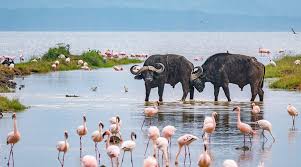
Lake Naivasha’s ecosystem bursts with energy and life. A patchwork of forests, open lakeshore, and thick papyrus beds creates shelter for a huge array of animals. Over 400 bird species are spotted here, making it a paradise for birders. African fish eagles, colorful kingfishers, and majestic pelicans regularly swoop over the quiet water.
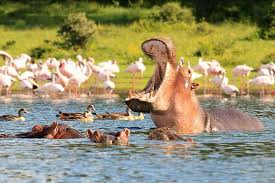
But it’s not just for the birds. Hippos bob along the shallows, surfacing with big, noisy snorts—sometimes a whole family at once. Antelope graze in the dawn mist. Giraffes and zebras wander just out of view, sometimes surprisingly close to the water’s edge. Local fishers can be seen quietly casting nets in the early hours. The waters themselves are full of carp and catfish, supporting both wildlife and thriving local fishing communities.
Birdwatchers might catch glimpses of rare species that aren't seen elsewhere in Kenya.
The lake supports essential economic activity, from fishing to flower farming.
Nearby game sanctuaries and smaller crater lakes, like Oloiden, bring additional wildlife and adventure for those eager to explore further.
The sense of wildness at Lake Naivasha is real the air hums with birdsong, the water gleams under the sun, and there’s always something new to discover around the next bend.
Weather & Climate
loading...
Things to Do at Lake Naivasha
Lake Naivasha offers a wealth of activities for visitors, blending natural beauty with exciting wildlife encounters. It's a fantastic destination for those looking for Kenya wildlife safaris and unique wildlife viewing spots in Kenya.
Boat Safaris and Wildlife Viewing
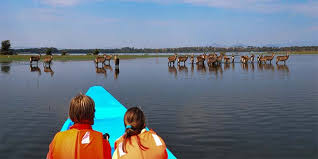
Embarking on a boat safari across Lake Naivasha is an absolute must. Glide across the water's surface and witness a remarkable array of wildlife. The lake is famously home to a large population of hippos, often seen basking in the sun or submerged in the water. Keep an eye out for crocodiles along the shores and a variety of water birds. Boat trips also provide excellent opportunities for viewing giraffes and other mammals that come to the water's edge. Crescent Island, a sanctuary accessible by boat, allows for guided walking safaris where you can get closer to zebras, wildebeest, and gazelles in a predator-free environment.
Birdwatching Paradise
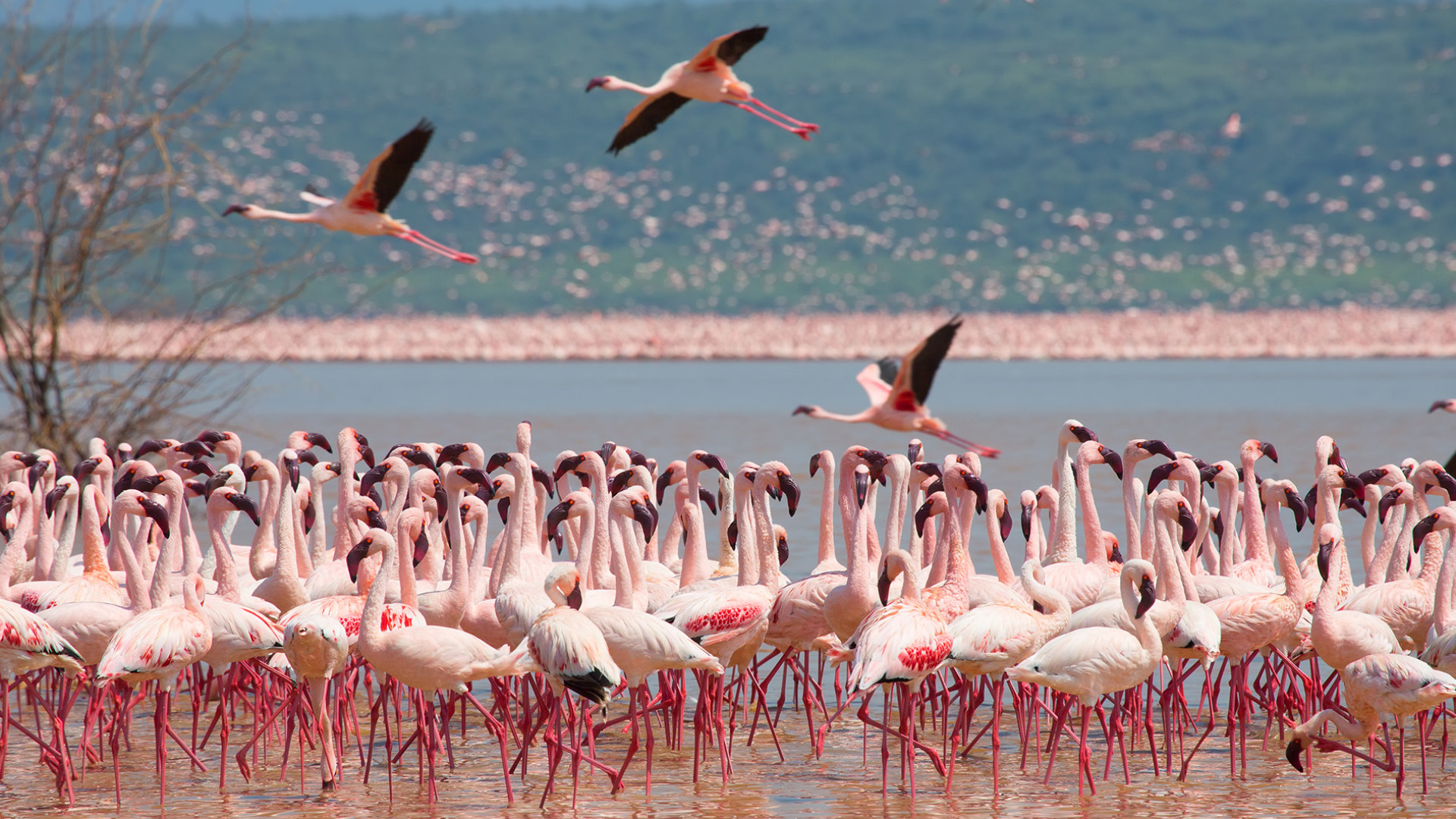
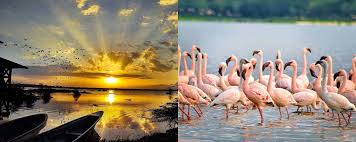
For bird enthusiasts, Lake Naivasha is truly an ornithologist's dream and one of the best bird watching destinations in Africa. The lake and its surrounding wetlands attract over 400 species of birds. You'll likely spot majestic African Fish Eagles with their distinctive calls, pelicans, cormorants, and various kingfishers. The vibrant pink of flamingos often dots the water, creating a stunning spectacle. The diverse habitats, from open water to acacia woodlands, support a rich variety of avian life, making it a prime location for birding.
Hell's Gate National Park Exploration
Just a short drive from the lake lies Hell's Gate National Park, a place of dramatic landscapes and unique activities. This park is renowned for its stunning gorges, volcanic hot springs, and geysers. Unlike many other parks, Hell's Gate allows for walking and cycling safaris, offering an intimate connection with the environment. You can explore the Fischer's Tower and the Central Tower gorge, marveling at the raw geological power. Wildlife here includes zebras, giraffes, buffalos, and various antelope species. It's an unforgettable part of any safari in the Great Rift Valley.
Cycling and Hiking
Beyond the traditional safari experience, Lake Naivasha invites active exploration. Cycling and hiking are popular ways to experience the natural beauty up close. Within Hell's Gate National Park, renting a bicycle and pedaling through the plains offers a thrilling perspective, allowing you to encounter wildlife at your own pace. For those seeking a more challenging adventure, hiking Mount Longonot, a dormant volcano near the lake, provides panoramic views of the Rift Valley. The trails around the lake itself also offer pleasant walks, perfect for soaking in the serene atmosphere.
Accommodation Options
Lodges and Campsites
When planning a trip to Lake Naivasha, you'll find a range of places to stay, from comfortable lodges to more rustic campsites. These options cater to different preferences and budgets, allowing visitors to choose what best suits their travel style.
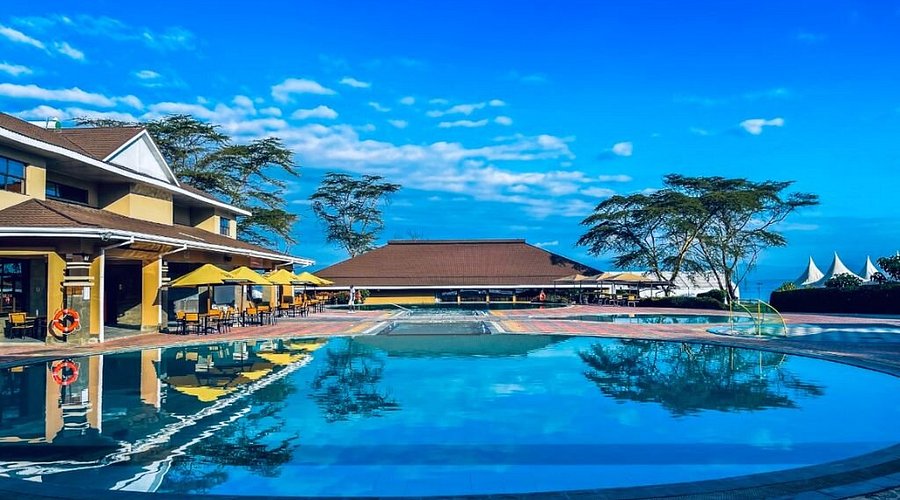
Many lodges are situated with beautiful views of the lake or the surrounding landscape. They often provide amenities like on-site restaurants, swimming pools, and guided activities. Staying in a lodge can offer a more relaxed experience, with staff taking care of meals and daily arrangements. It's a good choice if you're looking for comfort and convenience after a day of exploring.
For those who prefer a closer connection to nature, campsites are available. These can range from basic pitches to more equipped sites with facilities like shared bathrooms and cooking areas. Camping allows for a truly immersive experience, waking up to the sounds of the African bush and enjoying starlit nights. It's a fantastic way to feel truly present in the environment.
Here's a general idea of what you might find:
Lodges: Often feature en-suite bathrooms, dining services, and organized excursions.
Campsites: Can offer basic facilities or more developed amenities, ideal for budget travelers or those seeking a more adventurous stay.
Tented Camps: A popular middle ground, offering comfortable canvas tents with beds and private bathrooms, blending the feel of camping with lodge comforts.
When selecting your accommodation, consider its proximity to the lake and the activities you plan to do. Some places are right on the water's edge, while others are nestled in the nearby hills, offering different perspectives of the area. Checking reviews can also give you a good sense of the atmosphere and service.
Planning Your Visit
Thinking of heading to Lake Naivasha? It really helps to know a little about the seasons, travel options, and how to make the most of your stay. There’s something special about being prepared, especially in a place where nature likes to surprise you.
Best Time to Visit
The months of June to October stand out as the prime time for wildlife viewing. Days are dry, the skies are mostly clear, and animals gather closely around the water. Photographers love this stretch wildlife pops against the golden grass. If you can't make it then, January and February are another great option. Expect fewer tourists, comfortable temperatures, and excellent birdwatching conditions. Rainy seasons (March to May, November) can bring lush views, but also muddy trails and trickier wildlife spotting.
Season
Highlights
Downsides
June - October
Best wildlife, dry & sunny
Cooler mornings, peak season
January - February
Good weather, great birdlife
Shorter window, warm afternoons
March - May
Lush landscape, fewer crowds
Wet, some roads impassable
November
Birthing season for wildlife
Rains may disrupt outdoor plans
Planning ahead gives you the room to relax and enjoy Lake Naivasha’s peaceful atmosphere. You won’t want to miss a slow sunrise over the water.
How to Get There
Lake Naivasha is a simple drive from Nairobi. The journey takes about an hour and a half, heading down the escarpment into the heart of the Great Rift Valley. The road is paved and well-used, with a few scenic stops along the way that beg for a quick photo. Visitors can hire a private car, hop on a shuttle, or even arrange a group transfer if traveling with friends. Some prefer to book a local driver familiar with the area—it takes the edge off navigating unfamiliar routes.
Arriving early in the day is smart if you want to beat the traffic and catch the sunrise.
Tips for a Safe and Pleasant Trip
Bring sunscreen, a hat, and a reusable water bottle. The sun is strong by the lakeshore.
Wear good walking shoes, especially if you plan to hike near Hell’s Gate or Crescent Island.
Cash comes in handy at local markets and for small purchases.
Respect wildlife and keep a safe distance—hippos are often closer than they appear.
Lake Naivasha is perfect for those who love getting outdoors, watching animals, and soaking in moments that feel quietly unforgettable. A bit of planning goes a long way here; it really lets you enjoy the simple wonders all around.
Conclusion
Lake Naivasha is one of those places that sticks with you long after you leave. It’s not just the sight of hippos bobbing in the water or the calls of birds echoing through the acacia trees. There’s something about the easy pace of life around the lake, the way locals and visitors alike seem to slow down and just take it all in. Whether you’re out on a boat, walking among giraffes on Crescent Island, or just sitting by the shore watching the sun go down, it’s hard not to feel a little lighter. The lake has its challenges, sure rising water levels, changing fish populations, and the pressures of tourism and farming but it keeps going, supporting wildlife and people alike. For anyone looking for a different side of Kenya, away from the crowds and the usual safari trails, Lake Naivasha is well worth the trip. It’s a reminder that sometimes, the best moments come from simply being present in a beautiful place.
Frequently Asked Questions
What makes Lake Naivasha special?
Lake Naivasha is unique because it's Kenya's only freshwater lake found in the Great Rift Valley. Unlike many other lakes in the area that are salty, Naivasha stays fresh thanks to underground water flow and natural processes. It's also a vital home for many animals, especially hippos and hundreds of different kinds of birds.
What are the best things to do at Lake Naivasha?
Visitors can enjoy boat trips to see hippos and birds, go on walking safaris on Crescent Island to get close to animals like zebras and giraffes, and explore the amazing landscapes of Hell's Gate National Park. You can also go birdwatching or enjoy cycling and hiking in the park.
When is the ideal time to plan a visit to Lake Naivasha?
The best time to visit is generally from June to October, which is the dry season. During this time, wildlife is easier to spot. The months of January and February are also good, offering warm and clear weather perfect for taking pictures.
How can one travel to Lake Naivasha from Nairobi?
Getting to Lake Naivasha from Nairobi is quite straightforward. A scenic drive through the Great Rift Valley takes about 1.5 hours and offers beautiful views along the way.
What kind of wildlife can be seen at Lake Naivasha?
The lake is famous for its large hippo population and over 400 species of birds, including impressive birds of prey like the African Fish Eagle. On Crescent Island and in nearby parks, you can also see animals such as zebras, giraffes, wildebeests, and various types of antelopes.
How long should a typical visit to Lake Naivasha last?
Most people find that spending two to three nights is enough to experience the main attractions, like boat safaris, visiting Crescent Island, and exploring Hell's Gate National Park. If you prefer a more relaxed trip with time for extra activities like hiking or enjoying spa treatments, a stay of four to five nights would be ideal.