<img height="1" width="1" style="display:none" src="https://www.facebook.com/tr?id=1197952961438992&ev=PageView&noscript=1" />

Laikipia Plateau

The Laikipia Plateau, situated in Kenya, is a remarkable area known for its diverse landscapes and significant conservation work. It's a place where nature's beauty meets dedicated efforts to protect wildlife, offering visitors a unique experience. This high-altitude region presents a mix of scrub vegetation, hills, and open plains, creating a distinct environment for the animals that call it home. It's a destination that appeals to those seeking both adventure and a connection with the natural world.

the laikipia plateau

Key Takeaways

  • The Laikipia Plateau is a high-altitude region in Kenya characterized by varied landscapes, including scrublands and hills.
  • It is a hub for successful wildlife conservation, particularly for endangered species like rhinos and wild dogs.
  • Visitors can experience unique safari activities such as horse riding, camel safaris, and night drives, offering a different perspective on wildlife viewing.
  • The area supports community-based tourism, allowing for cultural interactions alongside wildlife encounters.
  • Laikipia is recognized for its exclusive tourism model, focusing on low visitor numbers and high-quality experiences that directly contribute to conservation efforts.


What is the Laikipia Plateau?

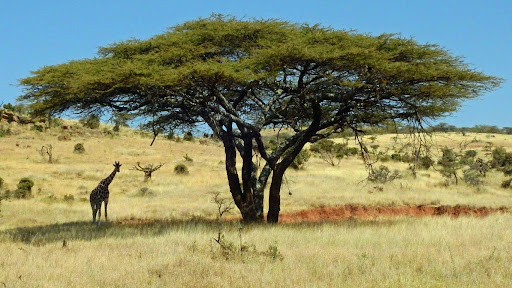
Laikipia Plateau girrafe

Geographical Location and Features

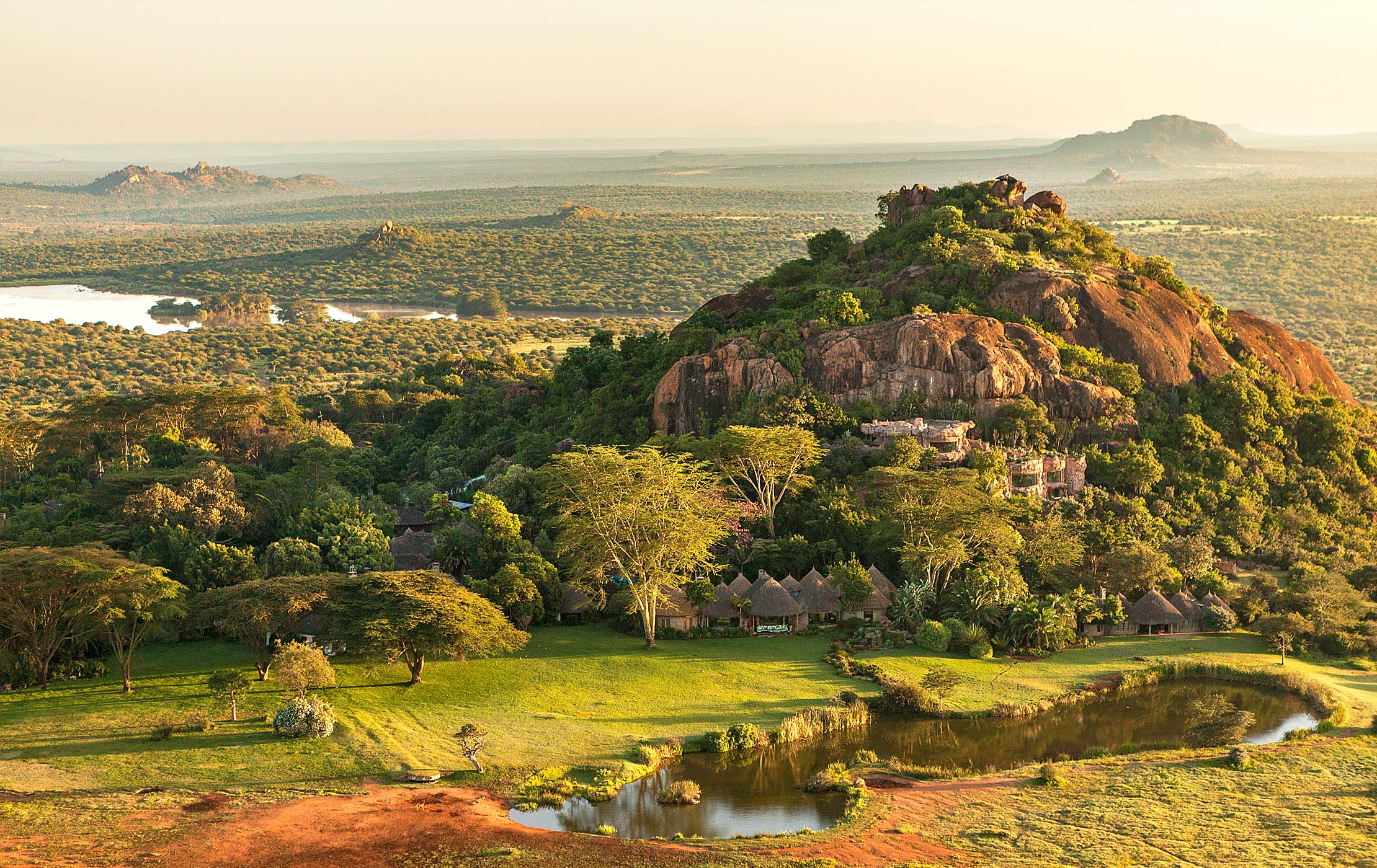
The Laikipia Plateau sits in central Kenya, a vast expanse of high-altitude land that rises to an average of about 6,500 feet above sea level. It's a place where the landscape shifts from rolling hills to scrubby plains, often dotted with acacia trees. From many vantage points, you can catch glimpses of the majestic Mount Kenya, adding a dramatic backdrop to the already stunning scenery. Unlike the open savannahs found further south, Laikipia presents a more rugged and arid terrain. This unique environment shapes the wildlife that calls it home, favoring species adapted to drier conditions. The plateau's location places it on the equator, offering a unique geographical position within Kenya.

Climate and Environment

Laikipia experiences a climate that's generally cool and temperate, thanks to its significant elevation. While it has distinct wet and dry seasons, the overall environment is drier than many other Kenyan wildlife destinations. This aridity means that water sources are particularly important, and animals often congregate near them. The vegetation is a mix of scrub and hardy grasses, interspersed with iconic acacia trees. This environment supports a fascinating array of life, including species that have adapted to thrive in these less water-abundant conditions. The air here is crisp, and the wide-open spaces offer a sense of profound tranquility, broken only by the sounds of nature.

Weather & Climate

loading...

Biodiversity and Wildlife of Laikipia

The Laikipia Plateau is a place where the wild heart of Africa beats strong. It's a landscape that supports an incredible variety of life, making it one of the continent's most important kenya wildlife conservation areas.  Here, the vastness of the african savannah ecosystems stretches out, dotted with acacia trees and rugged hills, creating a dramatic backdrop for the wildlife that calls it home.  This region is recognized as one of the east african biodiversity hotspots, a testament to its rich and diverse animal populations.

Key Species and Conservation Efforts

Laikipia is a sanctuary for many species, some of which are found nowhere else in such significant numbers. It's particularly famous for its thriving populations of endangered animals. You might spot the majestic Grevy's zebra, easily identified by its narrower stripes and larger ears compared to the plains zebra. The black rhino also roams these plains, a symbol of successful conservation. Efforts here are not just about protecting individual animals but about preserving the entire ecosystem they depend on. Many conservancies work closely with local communities, understanding that their involvement is key to long-term success. This collaborative approach helps to reduce human-wildlife conflict and ensures that conservation benefits everyone.

Endangered and Endemic Wildlife

This plateau is a critical stronghold for species teetering on the edge of extinction. Beyond the Grevy's zebra and black rhino, Laikipia is one of the best places in Africa to see the African wild dog. These highly social and intelligent predators were once widespread but have faced severe population declines. Seeing a pack on the move is a truly unforgettable experience. The area also hosts healthy populations of lions, leopards, cheetahs, and elephants, alongside a fascinating array of smaller mammals like the bat-eared fox and the silver-backed jackal. Birdwatchers will also find plenty to marvel at, with numerous species of raptors, game birds, and smaller avian life flitting through the scrub and acacia woodlands.

Tourism and Activities on the Laikipia Plateau

The Laikipia Plateau offers a unique travel experience, moving beyond the typical safari circuit to provide a more intimate connection with Kenya's wild heart. It's a destination that rewards those seeking something a little different, a place where conservation and community are woven into the fabric of every adventure.

Safari Experiences and Wildlife Viewing

While Laikipia might not have the same name recognition as the Maasai Mara, its wildlife viewing is exceptional, particularly for those interested in species found in Kenya's northern regions. Here, the landscape itself feels wilder, more untamed. Game drives are a primary way to explore, but the experience is often more personal due to carefully managed visitor numbers. You might find yourself sharing a vast savanna with only a handful of other vehicles, allowing for unhurried observation of lions lounging under acacia trees or herds of elephants moving gracefully across the plains. The plateau is a stronghold for endangered species, making sightings of Grevy's zebra, wild dogs, and various rhino species particularly special.

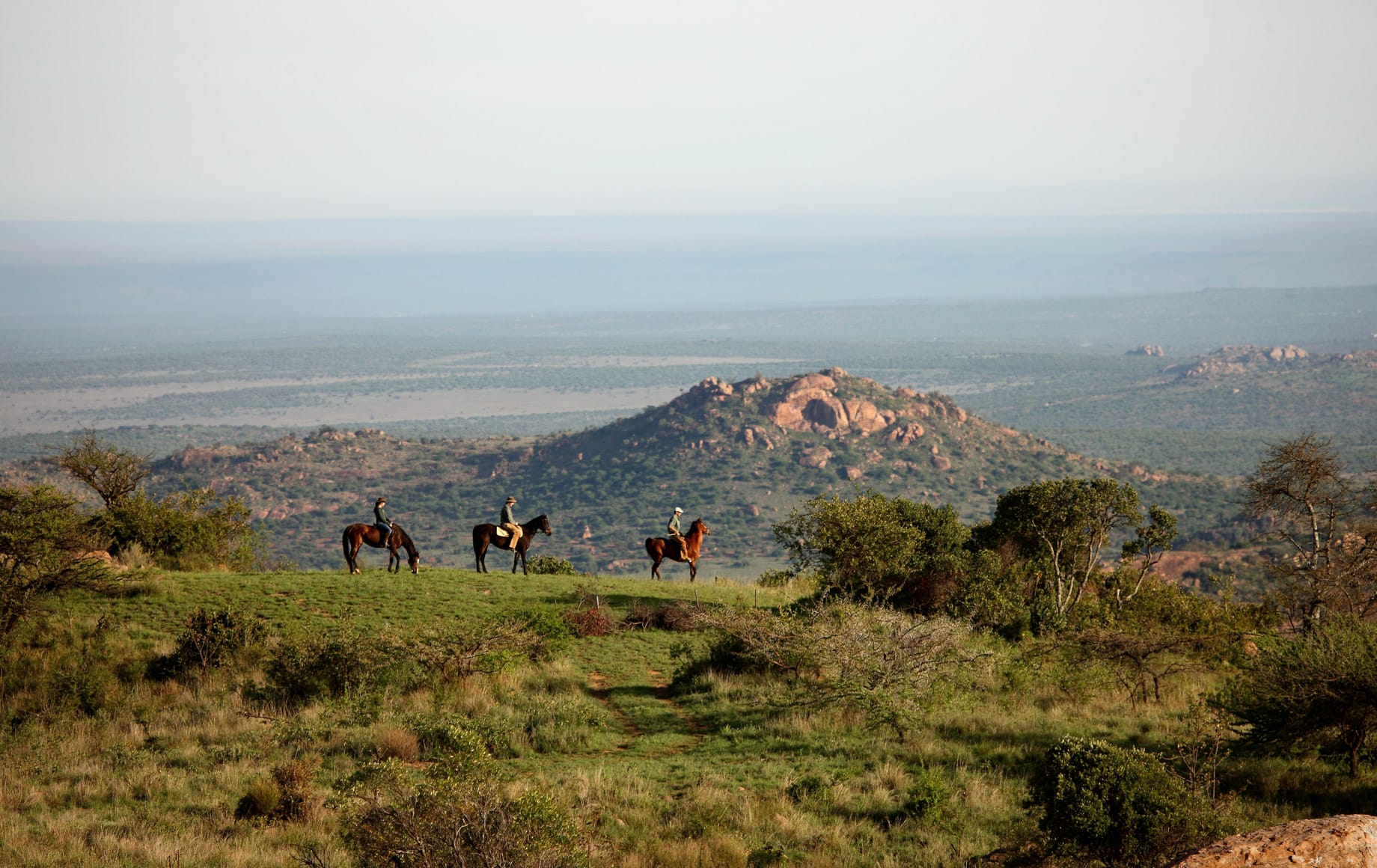
Beyond the traditional jeep, Laikipia opens up a world of alternative safari methods. Imagine tracking wildlife on horseback, the gentle rhythm of the horse allowing you to approach animals with minimal disturbance. Camel treks offer another unique perspective, letting you traverse the rugged terrain at a slower pace, absorbing the sights and sounds of the bush. These methods provide a different kind of connection, a more grounded way to experience the natural world.

Community-Based Tourism and Cultural Encounters

What truly sets Laikipia apart is its deep integration of community involvement. Many lodges and conservancies work hand-in-hand with local communities, meaning your visit directly supports their livelihoods and conservation efforts. This often translates into opportunities for genuine cultural exchange. You might visit a Samburu village, learning about their traditions and daily life, or witness firsthand the impact of community projects aimed at improving education and water access. These interactions offer a richer understanding of the region, moving beyond just wildlife sightings to appreciating the human element that is so vital to the plateau's success.

The success of conservation in Laikipia is intrinsically linked to the well-being and involvement of the people who call this land home. When communities benefit from tourism and conservation, they become its most dedicated stewards.

Adventure Activities

For the more adventurous spirit, Laikipia doesn't disappoint. The dramatic landscapes lend themselves to a variety of thrilling activities. Hiking and trekking are popular, with opportunities to explore the foothills of Mount Kenya or simply wander through the conservancies. For a truly unique thrill, some camps offer flights in vintage biplanes, providing a bird's-eye view of the vast plateau and its inhabitants – an unforgettable way to grasp the sheer scale of this incredible place. Whether you're seeking the quiet observation of wildlife or the exhilaration of adventure, Laikipia provides a diverse range of experiences.

Conservation and Community Initiatives

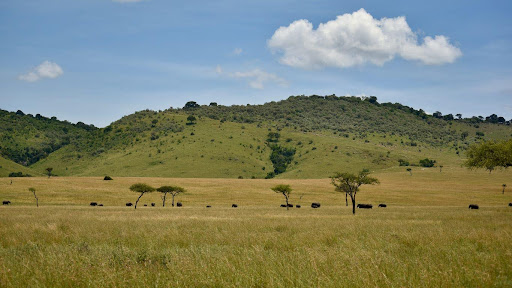
Laikipia Plateau plains

The Laikipia Plateau stands as a remarkable example of how conservation efforts in arid lands can thrive through collaboration. What was once primarily cattle ranching country has transformed into a vital sanctuary for wildlife, largely due to the vision of landowners who converted their vast properties into protected areas. This shift wasn't just about setting aside land; it involved a deep commitment to integrating local communities into the conservation narrative.

These initiatives recognize that the long-term success of wildlife protection is intrinsically linked to the well-being and involvement of the people who live alongside these precious ecosystems. Many conservancies actively partner with local communities, creating opportunities for employment, education, and sustainable livelihoods. This approach helps to build trust and shared responsibility, turning potential conflicts over resources into cooperative ventures.

The success of Laikipia's conservation model is evident in the recovery of several key species. For instance, dedicated efforts have significantly boosted populations of endangered rhinos and the distinct Grevy's zebra, which are iconic to this region. These aren't just abstract numbers; they represent tangible wins for conservation, achieved through tireless work on the ground.

Here are some of the core components of Laikipia's conservation strategy:

  • Community Engagement: Programs that involve local communities in conservation decision-making and benefit-sharing.
  • Anti-Poaching Patrols: Well-equipped and highly trained teams working to protect wildlife from illegal hunting.
  • Habitat Restoration: Projects focused on rehabilitating degraded lands and ensuring water availability for both wildlife and livestock.
  • Research and Monitoring: Ongoing scientific studies to understand wildlife populations and ecosystem health, guiding conservation actions.

The dedication seen here goes beyond just protecting animals; it's about fostering a harmonious coexistence between people and nature, ensuring that the unique landscapes and wildlife of Laikipia can be appreciated for generations to come. This holistic view is what makes Laikipia a truly special place.

Planning Your Visit to Laikipia

Thinking about a trip to the Laikipia Plateau? It's a fantastic choice, especially if you've already explored some of Kenya's more well-known safari destinations in Kenya and are looking for something a bit different. Getting there is quite straightforward. Most visitors fly from Wilson Airport in Nairobi directly to one of Laikipia's airstrips via a light aircraft. If you're combining Laikipia with another popular spot like the Maasai Mara, you'll likely need to fly back to Nairobi first, as direct flights between these areas aren't common.

laikipia plateau 7

When you arrive, you'll find a range of accommodations, from rustic camps to more luxurious lodges, many of which are deeply involved in conservation. The best time to visit often depends on what you want to see. The landscape changes beautifully throughout the year, with the 'green season' offering dramatic skies perfect for photographers. Laikipia offers a unique blend of wildlife encounters and cultural experiences that make it a truly memorable destination.

Here are a few things to consider when planning:

  • Best time to visit: While wildlife is present year-round, the dry seasons (typically June-October and December-March) often mean animals congregate around water sources, making them easier to spot. The green season (April-May) brings lush landscapes and fewer crowds.
  • What to pack: Light, neutral-colored clothing is best for game drives. Don't forget a warm layer for cooler evenings and early mornings, a hat, sunscreen, and insect repellent. Binoculars are a must for wildlife viewing.
  • Activities: Beyond traditional game drives, consider horseback riding or camel treks for a different perspective. Many lodges also offer guided walks and opportunities to visit local community projects.

While Laikipia has faced some challenges related to land use and conservation, the local communities and authorities are actively working together. Tourism plays a vital role in supporting these efforts, and visitors can feel confident that their presence contributes positively to the region's future.

A Lasting Impression of Laikipia

The Laikipia Plateau offers a unique blend of wild beauty and dedicated conservation. It's a place where the land itself tells stories of resilience, from the arid scrublands to the rolling hills near Mount Kenya. Here, visitors can experience the thrill of seeing rare animals like wild dogs and rhinos, often in ways that feel deeply personal and far from the crowds. The commitment to protecting these species, combined with the warm hospitality found in the lodges, leaves a profound mark on those who visit. Laikipia truly stands as a testament to what can be achieved when people and nature work together, offering a travel experience that is both memorable and meaningful.

Frequently Asked Questions

What makes the Laikipia Plateau special for wildlife?

What kind of landscapes can be found in Laikipia?

Are there unique activities to do in Laikipia besides typical safaris?

How does tourism in Laikipia help the local communities?

Is Laikipia a good place for first-time safari visitors?

How can one travel to the Laikipia Plateau?