Rate : $3018 to $5215
Best time : July to September and January to February (for Kilimanjaro views)
High season :
June to October and late December
Amboseli National Park is a well-known destination in Kenya, situated in the southern part of the country near the Tanzanian border. This park is famous for its large elephant herds and the stunning views of Mount Kilimanjaro, Africa's highest peak, which forms a dramatic backdrop. The landscape within Amboseli National Park is varied, featuring dry lake beds, savannas, and swamps, making it a popular spot for both wildlife viewing and photography.
Key Takeaways
Amboseli National Park is renowned for its large elephant populations and the iconic sight of Mount Kilimanjaro.
The park's diverse terrain includes grasslands, woodlands, swamps, and a dry lake bed, attracting a variety of wildlife and bird species.
Visitors can experience rich Maasai culture through interactions with local communities and visits to cultural centers.
The best times to visit Amboseli National Park for game viewing are during the dry seasons (June-October), while bird watching and photography are excellent in the green season (November-May).
Accommodation options range from park-run bandas and guesthouses to privately owned lodges and tented camps outside the park.
Amboseli National Park: A Jewel of Kenya
Amboseli National Park stands as a truly remarkable destination within Kenya's diverse landscapes. Nestled in the southern part of the country, near the Tanzanian border, this park offers a unique blend of stunning scenery and abundant wildlife. Its name, derived from the Maasai word 'Empusel,' meaning 'salty, dry place,' hints at the dramatic contrasts found within its borders. While parts of the park can be arid, underground water sources fed by the melting snows of Mount Kilimanjaro create lush swamps and watering holes that draw in a spectacular array of animals.
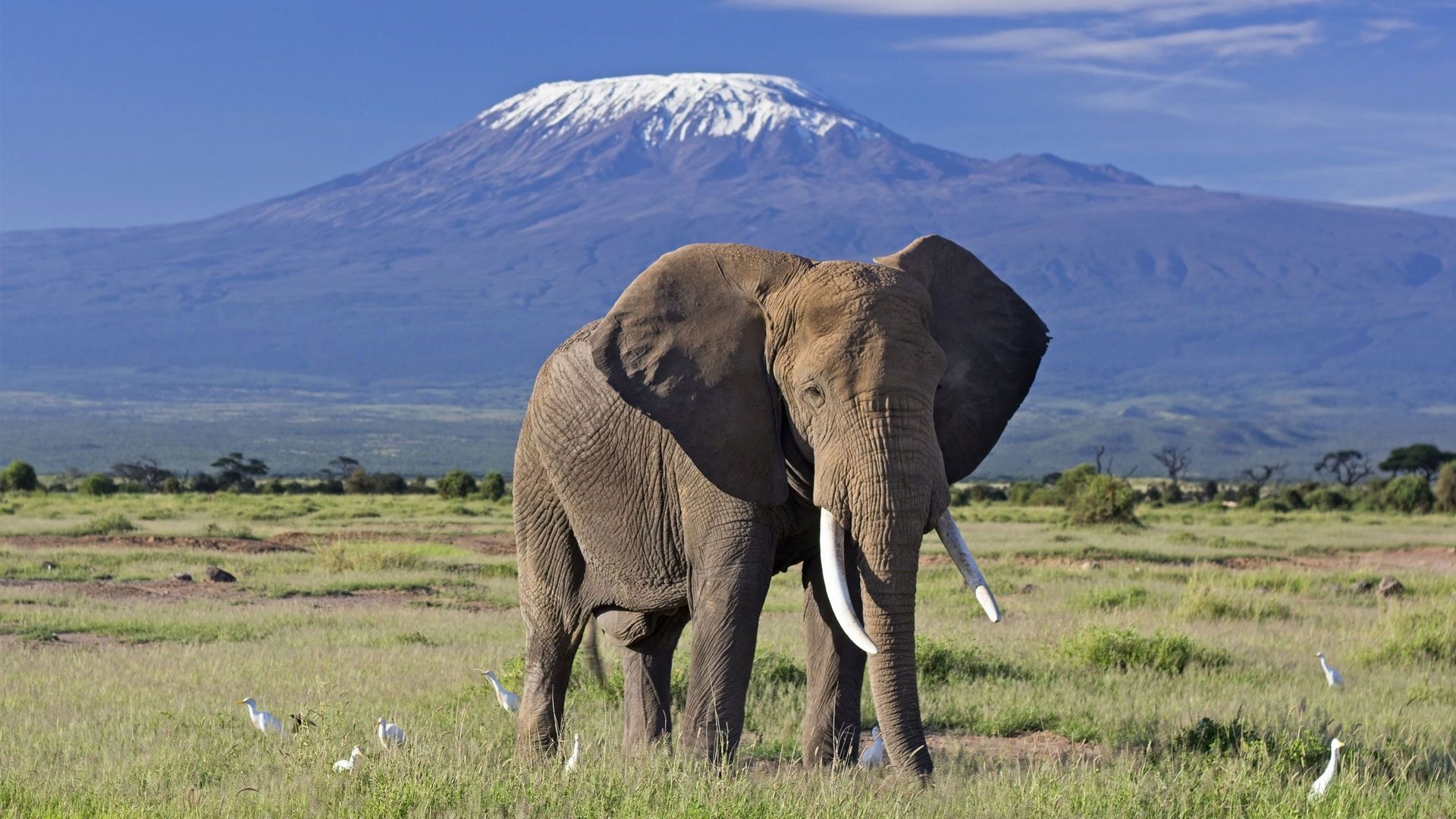
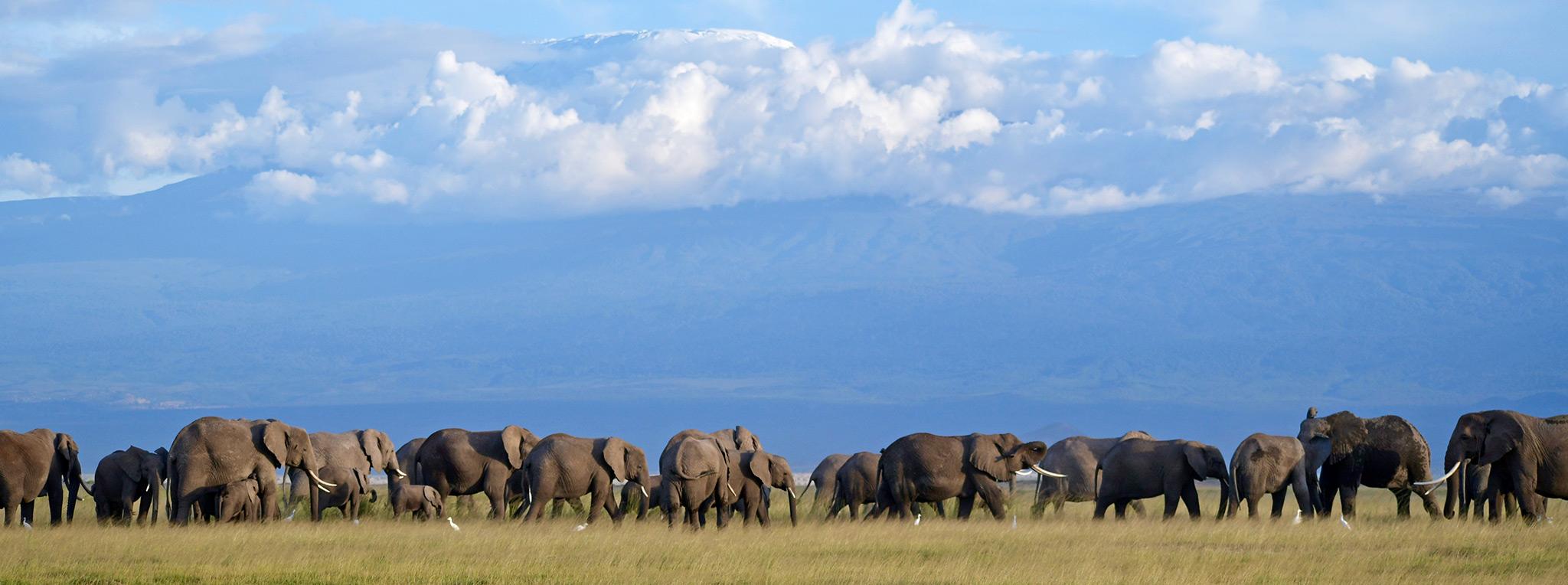
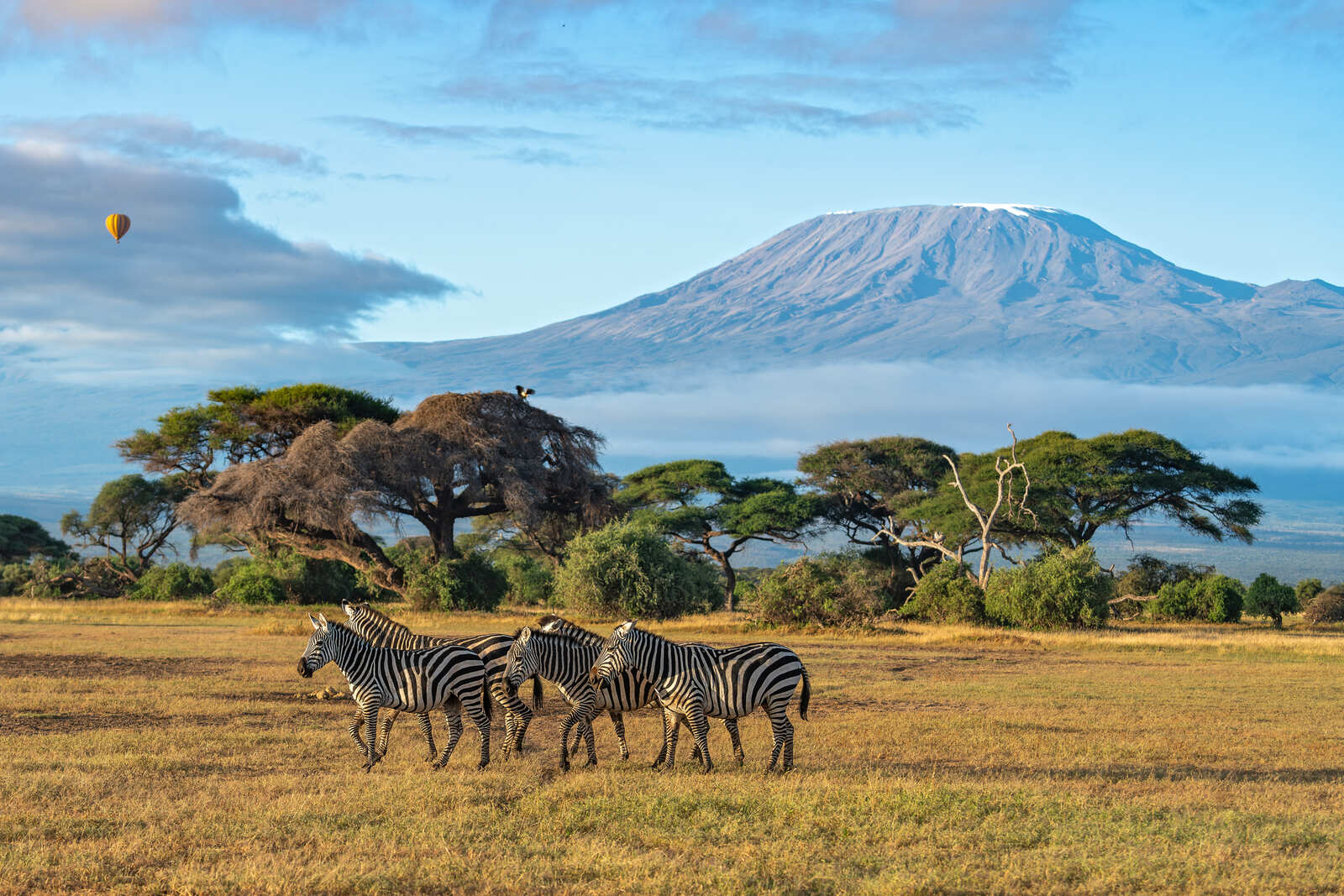
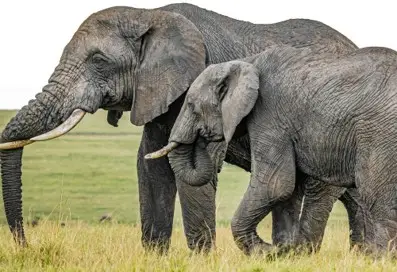
This park is particularly famous for its large elephant herds, often seen gathering near the water sources. The sight of these magnificent creatures against the backdrop of Africa's highest peak, Mount Kilimanjaro, is an image that stays with visitors long after they leave. Beyond the elephants, Amboseli provides excellent wildlife viewing in Kenya, with opportunities to spot lions, cheetahs, giraffes, zebras, and a wide variety of birdlife. The park's relatively compact size makes it an accessible and rewarding location for any kenya safari amboseli adventure, allowing visitors to experience its magic without extensive travel within the park itself.
Amboseli's ecosystem is a vibrant mix of habitats, from open savannas and acacia woodlands to rocky thorn bushes and the vital swamps. This variety supports a rich biodiversity, making it a photographer's paradise and a haven for nature enthusiasts. The park's history is also deeply intertwined with the Maasai people, whose culture and traditions are an integral part of the Amboseli experience.
The park's landscape is dominated by the imposing presence of Mount Kilimanjaro, offering unparalleled views that serve as a breathtaking backdrop for wildlife encounters and photography. This iconic mountain, the world's highest free-standing peak, adds a dramatic and unforgettable dimension to the Amboseli safari experience.
Weather & Climate
loading...
Why Visit Amboseli National Park?
Amboseli National Park Kenya draws visitors from all over the world, and it's not just about checking a box on a safari wishlist. This place has a spirit all its own, right from the iconic elephants of Amboseli to the unforgettable views of Mount Kilimanjaro rising on the horizon. If you’re wondering "where is Amboseli National Park?"—it’s tucked away in southern Kenya, not far from the Tanzania border, making it an easy addition to a Kenya itinerary.
Iconic Wildlife Encounters
The wildlife here really sets Amboseli apart. The elephants of Amboseli are legendary—some of Africa’s largest, quietly walking across open plains or socializing near the swamps. Here, on a single game drive, visitors often spot:
Big herds of African elephants, often with babies in tow
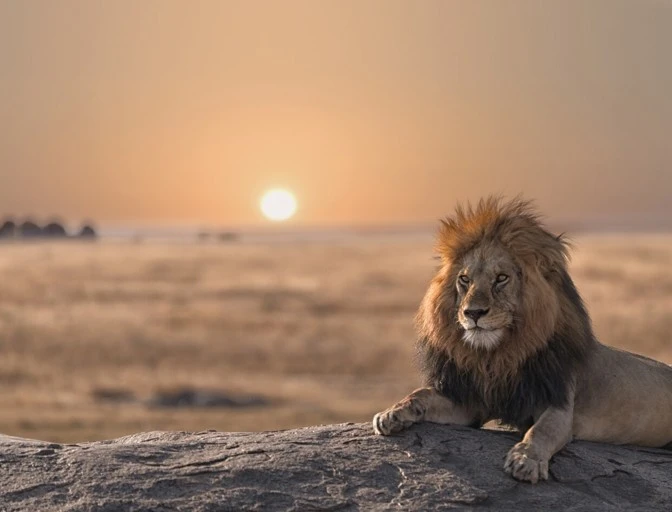
Predators like lions and hyenas, always on the move
Buffalo, giraffe, and the metallic striped Grant’s zebra
Over 400 bird species, from flamingoes to raptors
Amboseli’s compact size means animal spotting is often easy and action-packed. The swamps fed by Kilimanjaro’s meltwater attract wildlife year-round, offering close views for photographers and nature lovers.
The Majestic Mount Kilimanjaro Backdrop
Few places offer such a dramatic setting: snow-capped Mount Kilimanjaro stands tall in the background, visible on clear mornings just after sunrise. The sight of herds crossing the plains with Africa’s highest peak behind them is an image that visitors carry home forever. Photographers and dreamers both rave about early morning light and late afternoon colors that turn the landscape gold.
The landscape around Amboseli changes from dry lake beds to lush swamps in a matter of miles. The contrast is sharp and unforgettable, reminding you that wild places can still surprise.
Rich Maasai Culture
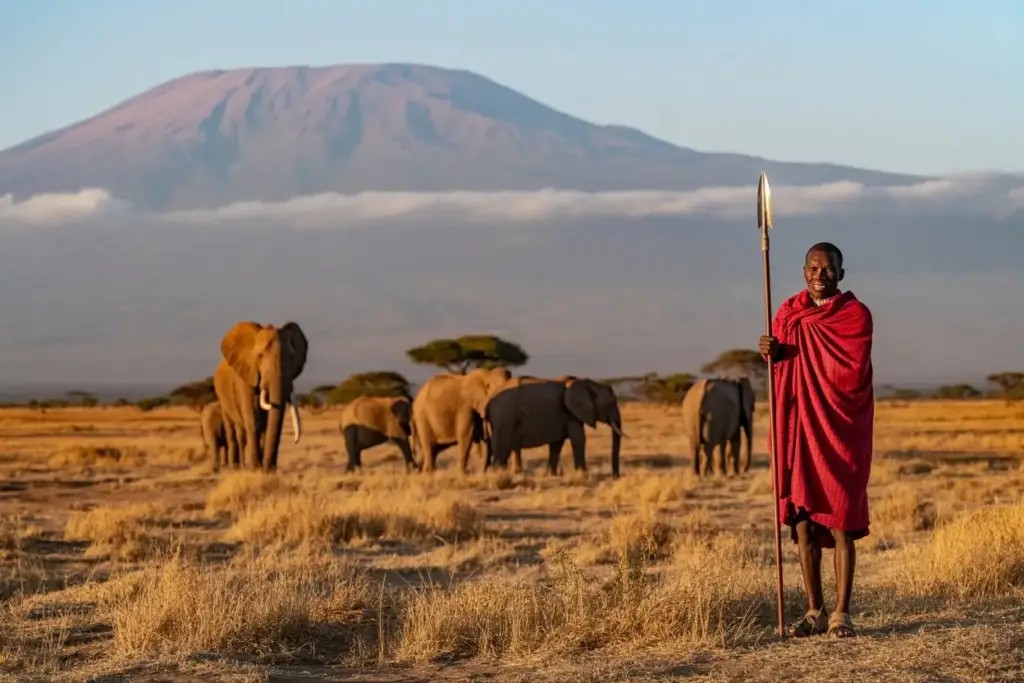
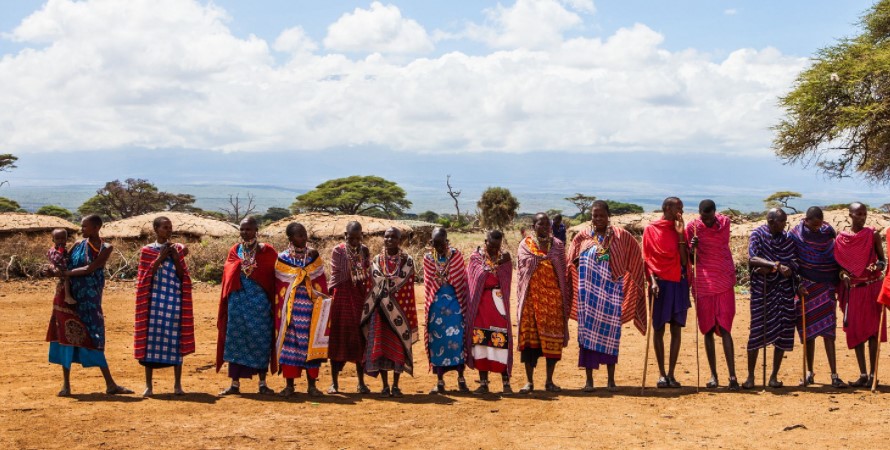
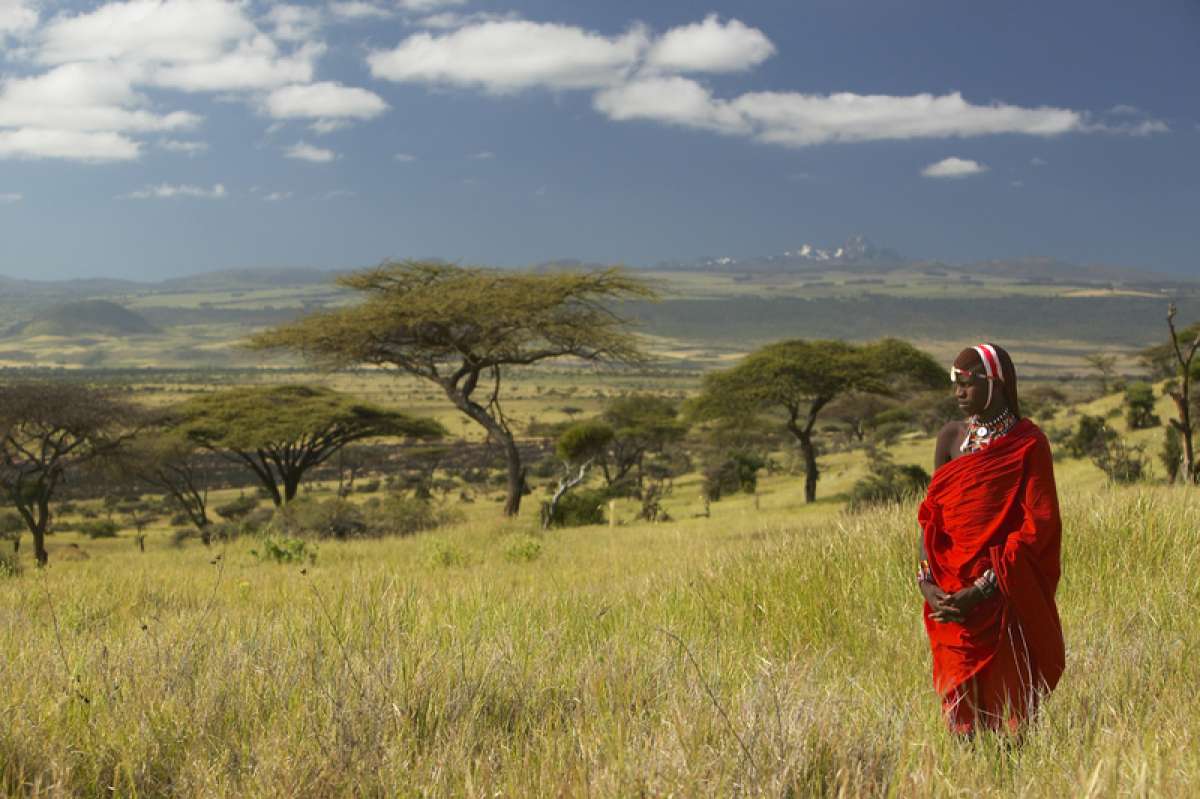
Meeting the Maasai people is an essential highlight for many who visit. These skilled herders have called the Amboseli area home for generations and continue to live in traditional bomas. Through cultural visits, travelers can:
Step inside Maasai villages and watch daily life up close
Learn about beadwork, music, and ancient customs
Understand how the Maasai balance modern life with old traditions
Connecting with the Maasai adds a meaningful human layer to the wild scenery—making each visit personal and memorable.
Quick Facts Table: Amboseli at a Glance
Feature
Details
Amboseli National Park Location
Southern Kenya, Loitoktok District
Nearest City
Nairobi (~4 hours by road)
Famous For
Large elephants, Kilimanjaro views, Maasai culture
Best Time to Visit Amboseli
June - October (dry season)
Area
392 km²
Whether you come for the wildlife, the landscape, or the people, Amboseli delivers an experience that feels authentically African and deeply personal.
Planning Your Amboseli Safari
Planning a trip to Amboseli National Park, a standout among safari destinations in East Africa, involves a few key considerations to make your experience smooth and memorable. This park, known for its incredible wildlife and the iconic Mount Kilimanjaro views, offers a unique adventure.
Best Time to Visit Amboseli
Amboseli's weather is generally dry and warm throughout the year, making it accessible for most of the year. However, the dry seasons, typically from June to October and again from January to February, are often considered the best times for game viewing. During these periods, wildlife tends to congregate around the park's water sources, making them easier to spot. The landscape is also less overgrown, offering clearer views of the animals and the majestic Mount Kilimanjaro backdrop. While the green season (November to December and March to May) brings lush scenery and fewer crowds, some roads can become challenging, and wildlife may disperse.
Getting to Amboseli National Park
Amboseli game reserve Kenya is conveniently located about a 4-hour drive from Nairobi, making it an accessible choice for many travelers. Most visitors arrive via Nairobi, either by road or by a short domestic flight. Several tour operators offer organized road trips, which can be a great way to see more of the Kenyan countryside. Alternatively, flying into the Amboseli airstrip from Wilson Airport in Nairobi is a quicker option, usually taking less than an hour. This is a fantastic choice if you're short on time or prefer to maximize your time within the park itself.
Accommodation Options in Amboseli
Amboseli offers a range of accommodation to suit different preferences and budgets. You'll find everything from luxury lodges with stunning views of Mount Kilimanjaro to more rustic tented camps and budget-friendly guesthouses run by the Kenya Wildlife Service (KWS). Many lodges are situated just outside the park boundaries or within private conservancies, offering exclusive experiences. KWS provides basic but clean self-catering options like bandas and guesthouses within the park, which are ideal for those looking for a more immersive and economical stay. Booking in advance is highly recommended, especially during peak seasons.
Planning ahead is key to a successful safari. Understanding the best times to visit, how to get there, and where to stay will help you make the most of your Amboseli adventure.
What to Expect on Your Amboseli Safari
Amboseli National Park offers a safari experience that's both accessible and deeply rewarding. While it might be smaller than some of Kenya's other famous parks, its unique landscape and abundant wildlife make it a standout destination. You'll find yourself surrounded by wide-open plains, dotted with acacia trees, and punctuated by lush, swampy areas fed by underground springs from Mount Kilimanjaro. This contrast creates a visually stunning environment that's a magnet for wildlife
Activities Beyond Game Drives
While game drives are the heart of any safari, Amboseli provides opportunities to connect with the environment in different ways. Guided bush walks allow you to experience the smaller details of the ecosystem, from fascinating insects to the tracks of animals you might have missed from a vehicle. These walks offer a more intimate perspective on the flora and fauna. For a truly breathtaking view, consider climbing Observation Hill. It provides a panoramic vista of the park, and on a clear day, the majestic Mount Kilimanjaro dominates the horizon. It's a fantastic spot for photography and to simply soak in the vastness of the landscape.
Wildlife Encounters
Amboseli is perhaps most famous for its large elephant herds. You'll likely see them frequently, often in impressive numbers, congregating near the water sources. Many of these elephants are well-known to researchers and guides, adding a personal touch to your sightings. Beyond elephants, the park is home to a variety of other animals. Keep an eye out for lions, cheetahs, giraffes, zebras, and numerous species of gazelles. While the Big Five aren't all guaranteed here (leopards and rhinos are rare), the sheer abundance of other wildlife, especially birds, makes up for it. Amboseli is a designated Important Bird Area, boasting over 400 species, including many birds of prey. It's an ideal place to hone your wildlife spotting skills.
Understanding Park Fees and Logistics
Planning your visit involves understanding the park's entry requirements. Fees are structured differently for various visitor categories, including East African citizens, residents, and non-residents. Payment is typically handled through the eCitizen portal.
Category
Adult (KSH)
Child (KSH)
Adult (USD)
Child (USD)
East African Citizen
1,500
750
50
25
Resident
2,025
1,050
90
45
Non-Resident
-
-
90
45
Additionally, there are charges for vehicle entry based on seating capacity and fees for guided tours or security escorts, which can be arranged for longer durations.
The park's landscape is a dynamic mix of dry plains and vital swamps, creating a unique habitat. This environment is particularly important for the large elephant populations that are a signature sight in Amboseli.
Responsible Tourism in Amboseli
Visiting Amboseli National Park is a privilege, and with that comes the responsibility to help protect its unique environment and the communities that call it home. As visitors, we play a part in its preservation for future generations. Being a mindful traveler means making choices that support conservation efforts and respect local culture.
When you explore Amboseli, remember that you are a guest in a delicate ecosystem. Stick to designated roads to prevent soil erosion and avoid disturbing wildlife. Never feed the animals, as this can disrupt their natural behaviors and diets, and can be harmful to their health. Keep a safe distance, especially from large herds or mothers with young. The park's elephants, famous for their presence against the backdrop of Mount Kilimanjaro, are particularly sensitive to human interaction.
Here are a few ways to contribute positively:
Support Local Communities: Engage with Maasai cultural centers and local artisans. Purchasing authentic crafts directly supports families and helps keep traditions alive.
Minimize Your Footprint: Reduce waste by carrying reusable water bottles and avoiding single-use plastics. Properly dispose of any trash you generate.
Choose Eco-Conscious Operators: Opt for tour operators and lodges that demonstrate a commitment to sustainable practices, such as water conservation, waste management, and community engagement.
Respect Wildlife Rules: Always follow the guidance of park rangers and adhere to park regulations regarding game viewing times and distances.
The health of Amboseli's wildlife and landscapes is directly linked to the choices we make as visitors. By traveling thoughtfully, we help ensure that the park's natural wonders, from its vast elephant herds to the iconic views of Kilimanjaro, can be enjoyed by all, now and in the future. This commitment to responsible tourism is what truly makes a safari experience meaningful.
A Lasting Impression of Amboseli
As your journey through Amboseli National Park draws to a close, the memories you've made are sure to linger. The sight of elephants against the majestic backdrop of Mount Kilimanjaro, the vibrant birdlife in the swamps, and the vast, open plains create a truly unforgettable experience. It's a place that reminds us of the wild beauty that still exists and the importance of protecting these incredible landscapes for generations to come. Whether you're a seasoned traveler or embarking on your first safari, Amboseli offers a profound connection with nature that is both humbling and inspiring.