Rate : $0 to $0
Best time : June to September and January to February
High season :
July to October and December to March
Aberdare National Park, situated in Kenya's central highlands, presents a unique natural landscape. This protected area, part of the Aberdare Mountain Range, offers a different kind of safari experience compared to the typical savannah parks. Its high altitude, dense forests, and misty atmosphere create a distinct environment for both wildlife and visitors.
Key Takeaways
Aberdare National Park is located in central Kenya, covering a significant portion of the Aberdare Mountain Range.
The park features diverse terrain, including steep ravines, bamboo forests, rainforests, and open moorlands, with altitudes ranging from 2,000 to 4,000 meters.
It is home to a variety of wildlife, such as elephants, black rhinos, leopards, and the elusive bongo antelope, as well as over 250 bird species.
Famous attractions include the Treetops Hotel, known for wildlife viewing from elevated decks, and scenic spots like Karuru Waterfalls.
The best times to visit Aberdare National Park are during the dry seasons, from June to September and December to February, for easier access and better wildlife visibility.
Introduction to Aberdare National Park
Nestled in the heart of Kenya, the Aberdare National Park offers a dramatic departure from the typical savanna safari. This protected area, established in May 1950, is a testament to the vision of preserving the unique ecosystems of the Aberdare Mountain Range. It's a place where mist-shrouded forests meet rugged peaks, creating an atmosphere of wild beauty and historical significance.
Often referred to as Aberdare NP, this park is more than just a wildlife sanctuary; it's a landscape steeped in history. The Aberdare Mountains themselves, originally known as Nyandarua by the Kikuyu people, were considered a sacred home for their gods. Later, explorer Joseph Thompson renamed the range in honor of Lord Aberdare. The area also holds echoes of the colonial era, with tales of the 'Happy Valley set' and its more somber history as a site of conflict during the Mau Mau uprising.
Aberdare National Park Kenya is a destination that truly captivates the imagination. It provides a different perspective on Kenya's natural heritage, moving beyond the open plains to explore dense forests, bamboo thickets, and high-altitude moorlands. For those wondering where is Aberdare National Park located, it sits east of the Great Rift Valley, a significant geographical feature that shapes its diverse environments. The Aberdare Mountains Kenya form the backbone of this remarkable park, inviting visitors to discover its hidden wonders.
Weather & Climate
loading...
Location and Geography
The Aberdare Range
Aberdare National Park is nestled within the dramatic Aberdare Mountain Range in central Kenya. This range, which gives the park its name, is a significant geological feature east of the Great Rift Valley. It's not just a collection of hills; it's a landscape sculpted by time, featuring deep ravines and steep slopes that plunge into lush valleys. The mountains themselves rise impressively, creating a varied terrain that plays a big role in the park's diverse ecosystems. The local Kikuyu people have long held these mountains as sacred, believing them to be the home of their god, Ngai. Originally known as Nyandarua, meaning 'dried hide,' the name reflects the distinctive folds of the mountain silhouette, a view that captivated explorer Joseph Thompson, who later renamed it in honor of Lord Aberdare.
Altitude and Climate
The park's elevation varies considerably, stretching from around 2,000 meters (6,600 feet) up to a towering 4,000 meters (13,000 feet) at its highest peaks. This significant altitude difference creates a fascinating range of microclimates. At the lower elevations, you'll find dense rainforests and bamboo forests, while the higher reaches transition into open moorlands. This variation in altitude and climate is key to supporting the park's rich biodiversity. The weather can change quickly here; expect cool temperatures, especially at higher altitudes, and frequent rainfall, which keeps the landscape incredibly green and vibrant throughout the year. The park's unique geography, with its varied altitudes and resulting climates, is a major factor in its ecological richness.
Wildlife in Aberdare National Park
The Aberdare National Park is a treasure trove for anyone interested in wildlife, offering a glimpse into the diverse ecosystems found within the Aberdare Mountains. This park is particularly noted for its significant population of black rhinos, making it a key area for conservation efforts and a prime spot for those hoping to see these magnificent creatures. Beyond the rhinos, the park is a vibrant habitat for a wide array of mammals.
Mammals to Spot
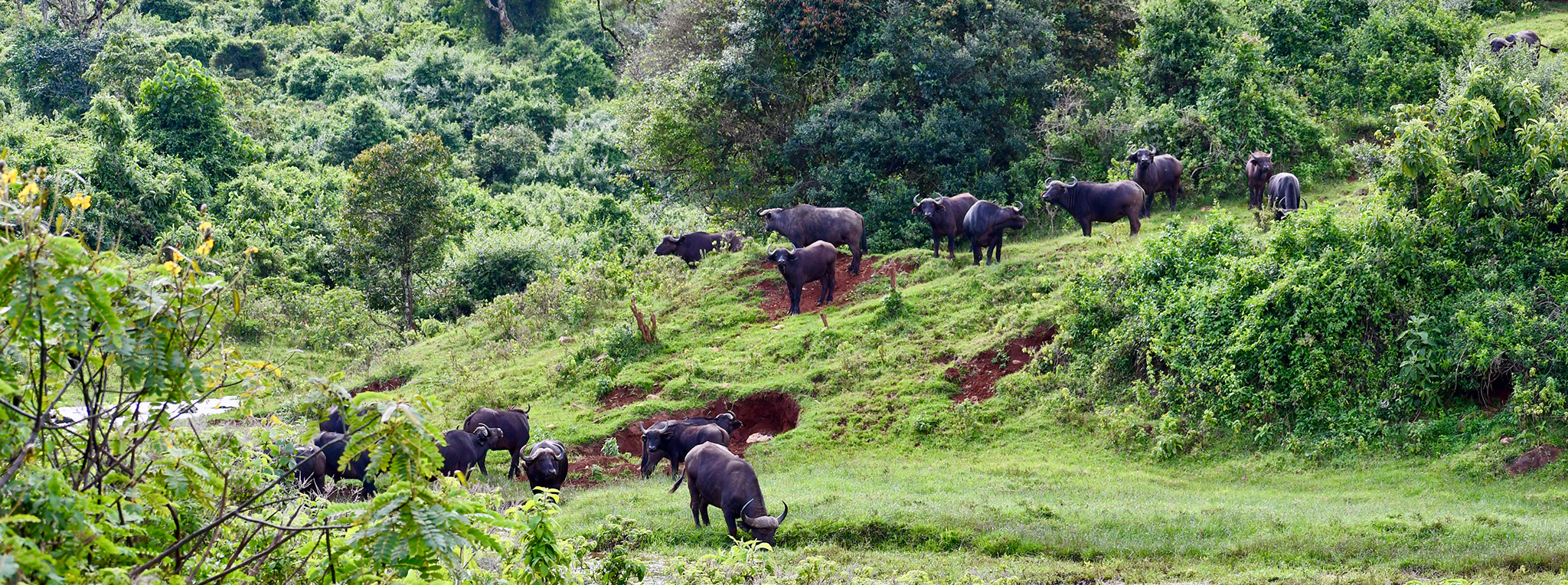
When you venture into the Aberdare National Park, keep your eyes peeled for a variety of animals that call this place home. You might encounter herds of elephants, often seen migrating along established corridors, and the powerful Cape buffalo. Leopards are also present, though their elusive nature means a sighting is a special treat. For antelope enthusiasts, the park boasts species like the bongo, a rare forest antelope, as well as eland, bushbuck, and reedbuck. Smaller mammals also play a role in the park's ecosystem, including various monkey species like the black and white colobus and Sykes monkeys, as well as the giant forest hog and serval cats, especially in the higher moorlands. The park's dense forests and open moorlands create distinct habitats that support this rich biodiversity.
Birdlife and Avian Diversity
Birdwatchers will find Aberdare National Park to be a truly rewarding destination. With over 250 bird species recorded, the park is a haven for avian life. The varied habitats, from dense rainforests to open moorlands, attract a wide range of birds. You can spot various species of sunbirds, plovers, and raptors like the African fish eagle and sparrowhawks. The park is also home to specific species such as the Jackson's spurfowl and the endangered Aberdare cisticola. The nesting season, typically from November through April, is an especially good time for birding, as migratory birds arrive and resident birds are actively breeding, making the skies and forests alive with activity.
The Aberdare National Park is more than just a sanctuary; it's a living testament to the wild beauty of Kenya. Its varied landscapes, from misty forests to open highlands, support an incredible diversity of life, making every visit a unique adventure.
Key Attractions and Activities
Aberdare National Park offers a unique blend of natural beauty and historical significance, making it a standout among mount kenya region attractions. The park's dramatic landscapes, from mist-shrouded forests to cascading waterfalls, provide a stunning backdrop for a variety of activities.
The Treetops Hotel Experience
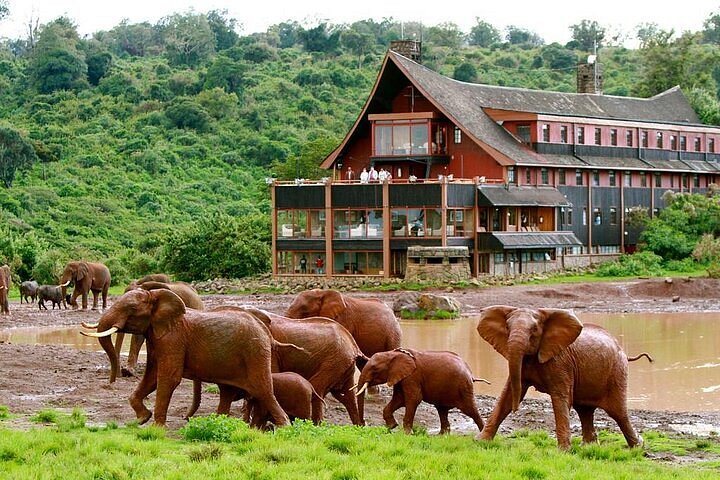
One of the most iconic experiences in Aberdare National Park is a stay at Treetops Hotel. This unique lodge is built on stilts overlooking a busy waterhole and salt lick, offering unparalleled opportunities for wildlife viewing. Imagine watching elephants, buffalo, and a host of other animals from the comfort of your room or the lodge's viewing deck, especially as they gather at night under floodlights. It was at Treetops that Princess Elizabeth learned of her ascension to the British throne, adding a layer of royal history to the already captivating atmosphere.
Waterfalls and Scenic Views
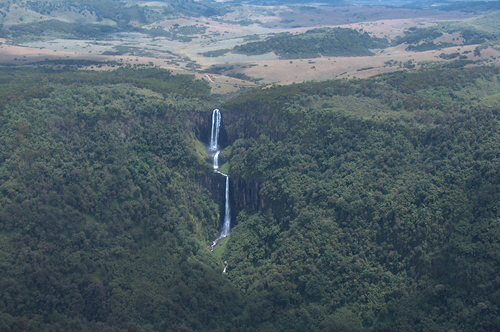
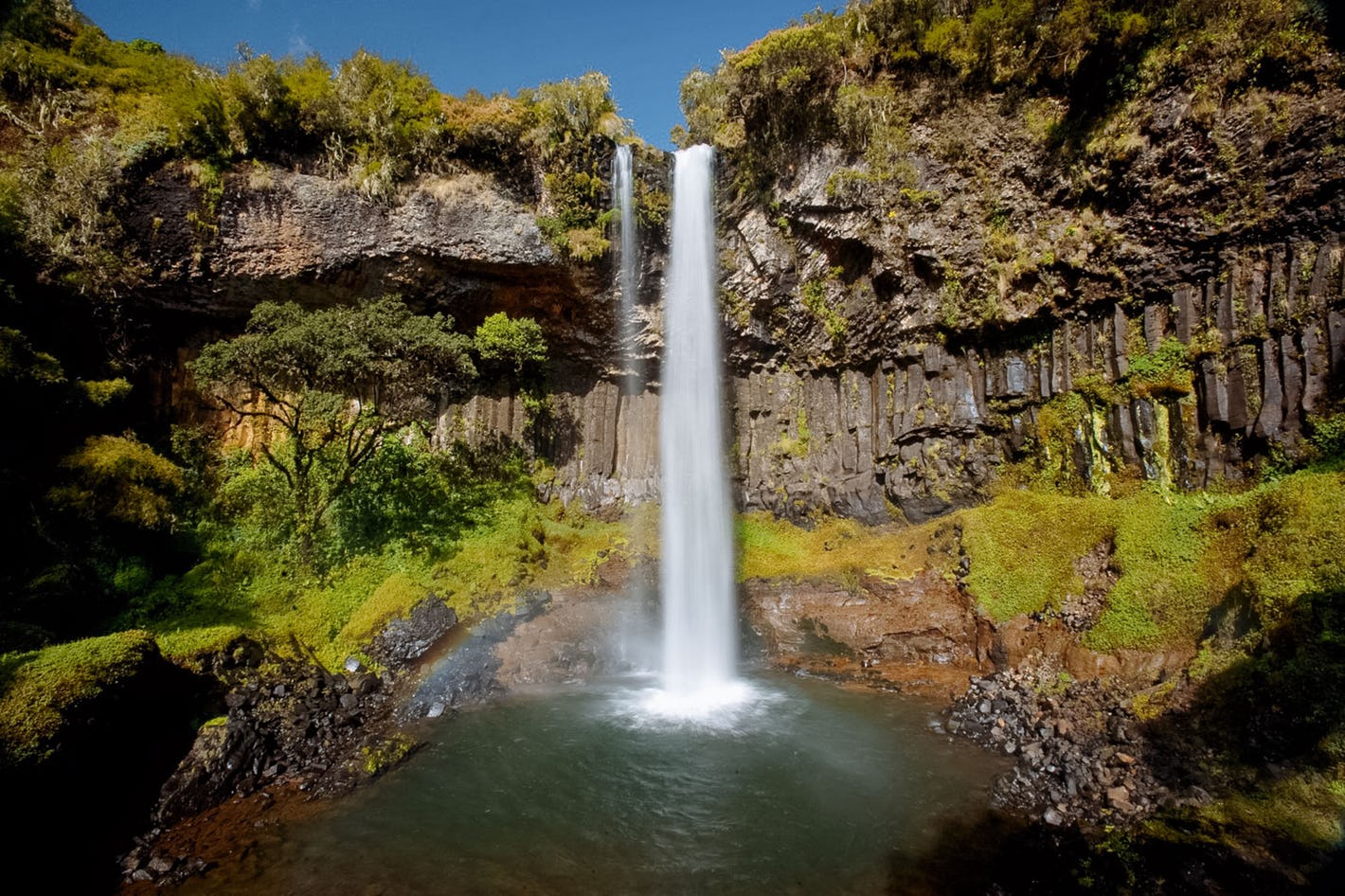
The park is renowned for its spectacular waterfalls, which plunge dramatically from the highlands into deep ravines. The Karuru Falls are a must-see, featuring a three-tiered cascade with the highest drop measuring an impressive 130 meters. Other notable falls include Gura Falls and Magura Falls, which tumbles near the Queen's Cave. Reaching these natural wonders often involves a short, scenic hike through the forest, rewarding visitors with breathtaking vistas and the soothing sound of rushing water.
Hiking and Trekking Opportunities
For the more adventurous, Aberdare National Park provides excellent hiking and trekking opportunities. The park's varied terrain, from dense rainforests to open moorlands, offers trails for different fitness levels. Exploring on foot allows for a more intimate connection with the environment and increases the chances of spotting elusive wildlife. Popular routes include treks to the park's peaks and along its river valleys. Remember to always hike with a guide for safety and to gain deeper insights into the local flora and fauna.
The park's high altitude and dense vegetation create a cool, misty environment that feels worlds away from the typical Kenyan savanna. This distinct ecosystem supports a unique array of wildlife and offers a refreshing contrast for visitors.
Planning Your Visit to Aberdare National Park
Preparing for a trip to Aberdare National Park involves a few key considerations to make your experience smooth and enjoyable. This park, a gem among places to visit in Kenya, offers a unique mountain forest environment that differs from the typical savanna safari. The best time to visit is generally during the dry seasons, which run from June to September and again from December to February. During these months, the roads are more accessible, and the trails are less muddy, making exploration easier.
When packing, think layers. The altitude means temperatures can drop significantly, especially at night. Waterproof gear is also a good idea, as mist and rain are common, adding to the park's atmospheric charm. Comfortable hiking boots are a must if you plan to explore the waterfalls or trek through the forests. Don't forget insect repellent, sunscreen, and a good pair of binoculars for wildlife viewing.
Getting to Aberdare National Park is straightforward. It's located about 150 kilometers east of Nairobi and can be reached by road, often as part of a guided tour. Several lodges and tented camps are situated both inside and on the periphery of the park, offering various accommodation options. Booking in advance is recommended, especially during peak seasons.
Here are a few things to keep in mind for your visit:
Accommodation: Options range from the historic Treetops Hotel to more rustic lodges and campsites.
Activities: Beyond game drives, consider guided forest walks, bird watching, and visiting the stunning waterfalls.
Park Fees: Be prepared for entrance fees, which vary for different nationalities and vehicle types.
Aberdare National Park provides a different kind of safari experience, one that emphasizes the beauty of montane forests and the unique creatures that inhabit them. It’s a place where mist-shrouded landscapes meet rich history and diverse wildlife.
A Lasting Impression of Aberdare
Aberdare National Park offers a truly unique Kenyan experience, far from the typical savannah safari. Its misty forests, deep valleys, and high moorlands create a dramatic backdrop for spotting wildlife like the elusive bongo or the endangered black rhino. Whether you're watching elephants from the famous Treetops Hotel or simply enjoying the cool mountain air, Aberdare leaves a memorable mark. It’s a place where nature’s raw beauty meets a rich history, inviting visitors to explore its wild heart and discover its many secrets.