Safari Packing Guide – What to Bring on Your Safari
11th February, 2026
766
Planning a trip to see the incredible wildlife of Tanzania requires careful preparation, especially when it comes to what you pack. A well-thought-out Tanzania safari packing list can make a big difference in your comfort and overall experience. This guide will help you select the right items, from clothing suitable for game drives to health and safety necessities, ensuring you're ready for an unforgettable adventure in the wild.
Key Takeaways
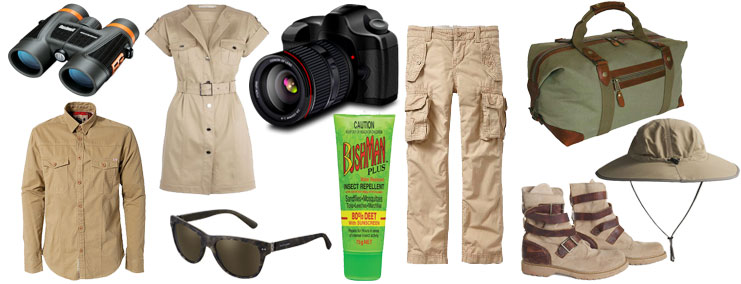
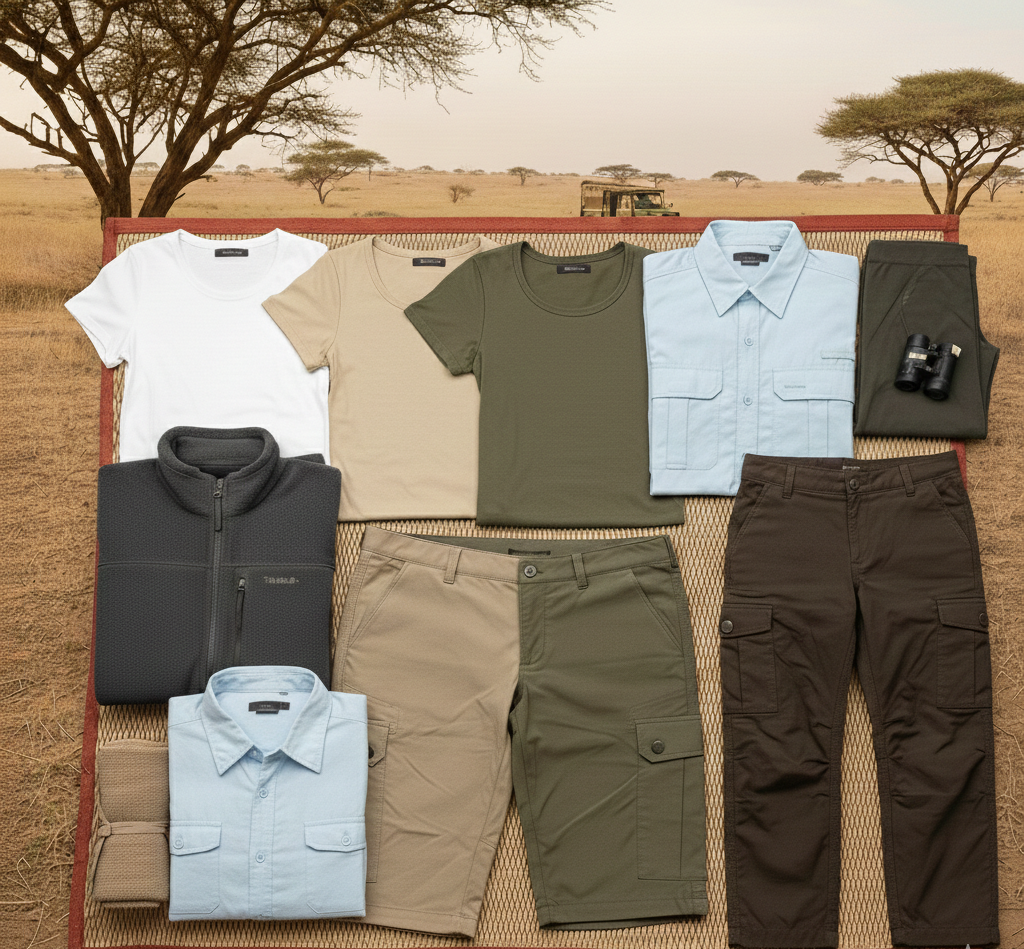
Pack clothing in neutral colors like khaki, olive green, and brown to blend in with the environment and avoid startling wildlife.
Layering is recommended for clothing, as temperatures can change significantly throughout the day on a Tanzania safari.
Comfortable, closed-toe walking shoes are a must for game drives and any walking safaris, while sandals are good for relaxing at the lodge.
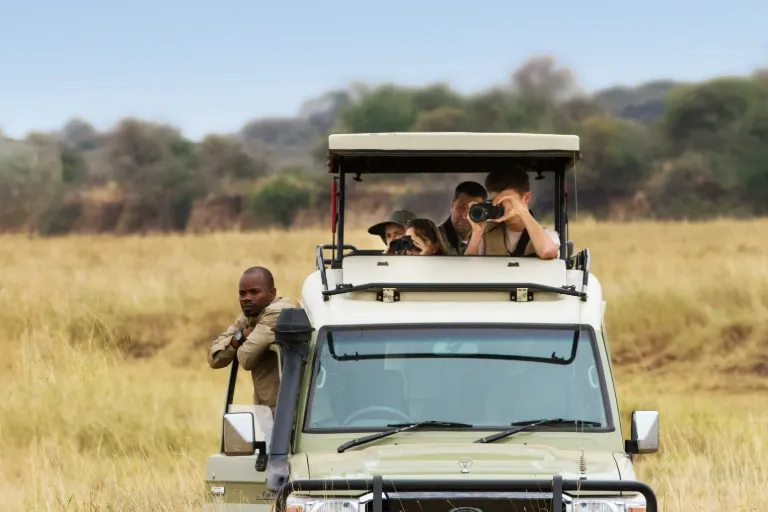
Bring a good quality camera with extra batteries and memory cards to capture the amazing sights, along with binoculars for better viewing.
Don't forget health and safety items like a basic first-aid kit, personal medications, insect repellent, and high SPF sunscreen.
Why a Tanzania Safari Packing List is Crucial
Planning a trip to Tanzania for a wildlife adventure is incredibly exciting. You might be picturing vast savannas, iconic animals, and breathtaking landscapes. But before you can experience all of that, there's a bit of preparation involved, and that's where a good packing list comes in. Thinking about what to pack for an African safari, especially for a Tanzania wildlife trip, isn't just about ticking boxes; it's about making sure your journey is comfortable, safe, and enjoyable.
Imagine being out on a game drive, the sun is just starting to warm the air, and you spot a pride of lions. You want to be focused on that incredible moment, not fumbling for sunscreen or realizing your clothes are too bright and scaring away the wildlife. Or perhaps you're heading out on an early morning excursion when the air is crisp and cool having the right layers makes all the difference between a chilly discomfort and a cozy experience. A well-thought-out safari essentials checklist helps you avoid common pitfalls, like bringing unsuitable luggage that won't fit on smaller bush planes or forgetting items that are hard to find once you're in the wilderness.
This isn't just about clothes, either. It extends to health, safety, and even how you'll capture those unforgettable memories. Having the right gear means you're prepared for anything, from unexpected weather changes to the need for basic first aid. It allows you to fully immerse yourself in the magic of Tanzania without the worry of what you might be missing or what you should have brought.
A smart packing list for your Tanzania trip is your first step towards a smooth and memorable adventure. It ensures you're ready to embrace every aspect of your safari, from the thrilling wildlife encounters to the quiet moments of reflection amidst stunning scenery.
So, getting your packing list for Tanzania right means you can spend less time worrying about logistics and more time soaking in the incredible sights and sounds of East Africa. It's about being prepared so you can be present.
Essential Clothing for Your Tanzania Safari
When preparing for a Tanzanian safari, selecting the right clothing is more than just a matter of style; it's about comfort, practicality, and blending in with the stunning natural surroundings. The goal is to pack smart, focusing on items that serve multiple purposes and can withstand the varied conditions you'll encounter, from the heat of the midday sun to the cooler evenings. Neutral colors are your best friend when choosing what to wear on safari in Tanzania, as bright hues can startle wildlife and draw unwanted attention. Think earthy tones like khaki, olive green, beige, and muted browns. These shades not only help you remain inconspicuous for better wildlife viewing but also tend to hide dust and dirt picked up during your adventures.
Layering is Key: Tops and Bottoms
Layering is the most effective strategy for managing temperature fluctuations on safari. Mornings and evenings can be surprisingly cool, especially during certain times of the year, while the daytime sun can be intense. Start with a base layer of comfortable, breathable t-shirts or tank tops. For cooler periods, add a long-sleeved shirt made of lightweight material like linen or cotton. These are also excellent for protecting your skin from the sun. For your lower half, comfortable trousers are a must. Cargo pants with plenty of pockets are a popular choice, offering both utility and protection. Leggings can also be a great option, especially for layering under trousers on colder days or for lounging in the evenings. Remember, what to wear in Tanzania safari means prioritizing comfort and function over fashion.
Footwear: Comfort and Protection
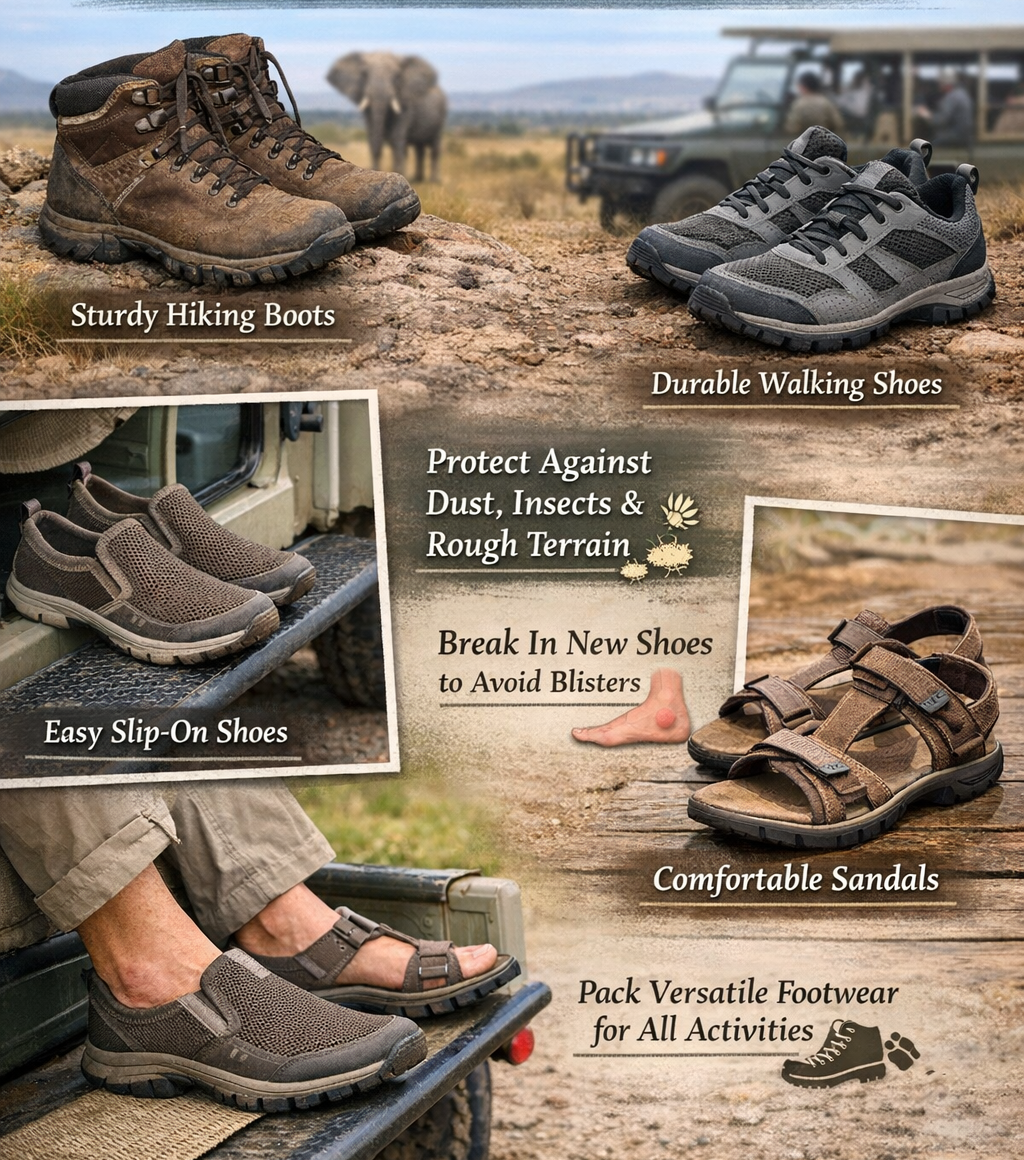
Your feet will be doing a lot of work, whether you're stepping out of a safari vehicle or taking a guided walk. Sturdy, comfortable footwear is non-negotiable. Closed-toe shoes are generally recommended to protect against dust, insects, and rough terrain. Many travelers opt for comfortable hiking boots or sturdy walking shoes that offer good ankle support. If you prefer something lighter for around the camp, a pair of comfortable sandals or trainers can be useful. It’s wise to break in any new shoes before your trip to avoid blisters. Consider bringing a pair of shoes that are easy to slip on and off, as you'll often be doing this when entering vehicles or lodges.
Headwear and Outerwear
Protecting yourself from the elements is paramount. A wide-brimmed hat is invaluable for shielding your face, neck, and ears from the strong African sun. This is particularly important during long game drives or boat excursions. A baseball cap can also be a practical alternative for more active pursuits like walking safaris. For cooler mornings and evenings, a lightweight fleece jacket or a packable puffer jacket is highly recommended. A scarf or a buff can also be incredibly versatile, offering protection from the sun, wind, and dust, and can even be pulled up over your face if needed. These items are part of the best clothing for safari adventure, ensuring you're prepared for anything.
Packing light is often a necessity, especially if you're taking smaller bush planes. Most lodges offer laundry services, so you don't need to pack an outfit for every single day. Focus on versatile pieces that can be mixed and matched.
Health and Safety Essentials
When you're out on safari, especially in the vast African wilderness, taking care of your health and safety is just as important as spotting that elusive leopard. It's about being prepared so you can fully immerse yourself in the incredible experience without worry.
First-Aid Kit and Medications
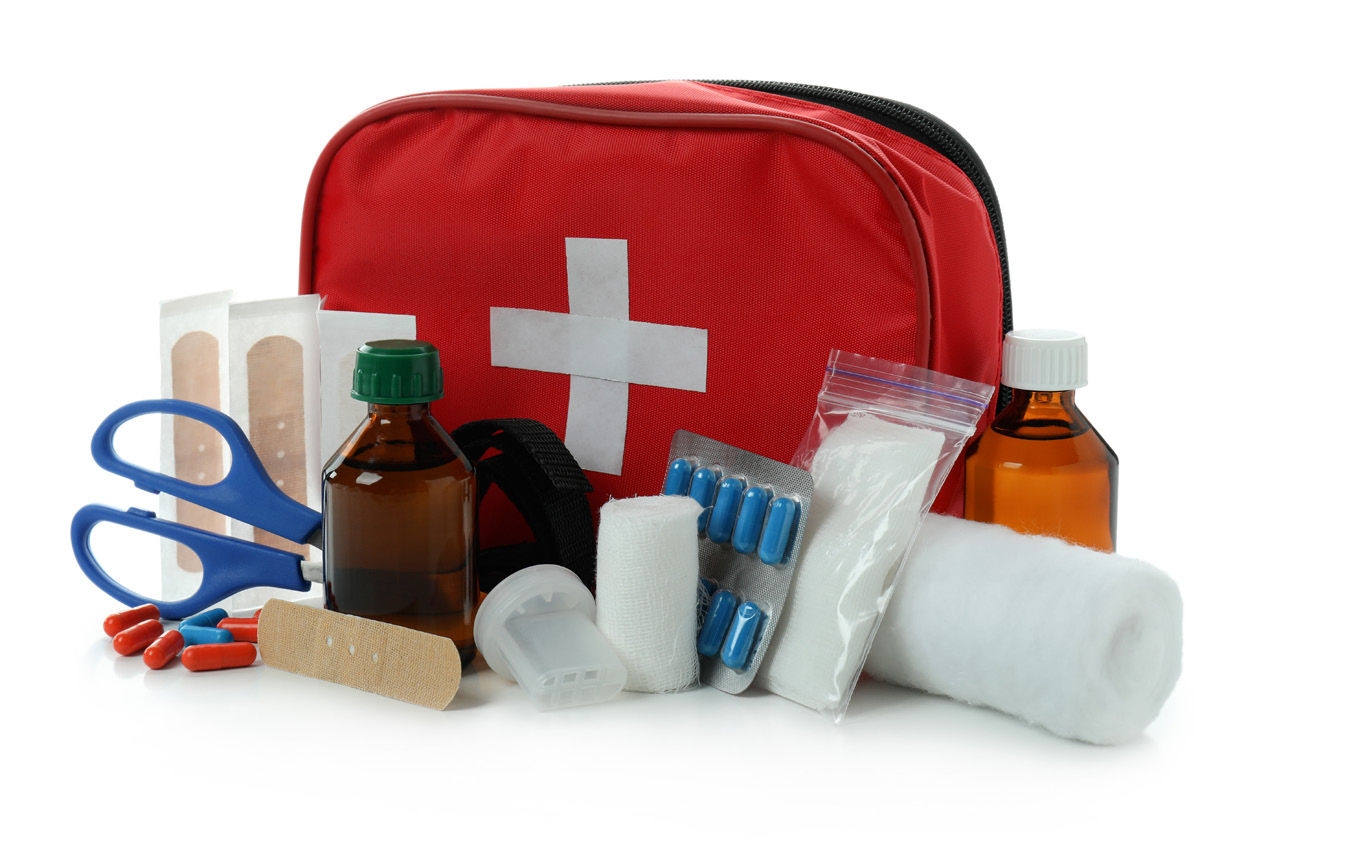
Packing a well-stocked first-aid kit is a smart move. Think of it as your personal safety net. While many lodges offer basic supplies, having your own means you're ready for minor scrapes or unexpected discomforts. Include items like bandages, antiseptic wipes, pain relievers (like ibuprofen or paracetamol), and any personal medications you might need. Don't forget remedies for common travel issues such as motion sickness, especially if you'll be traveling in smaller planes or bumpy vehicles. It's also wise to pack antihistamines for unexpected reactions and perhaps some rehydration salts – a simple way to help your body recover after a long day in the sun or a bout of travel fatigue.
Insect Repellent and Sun Protection
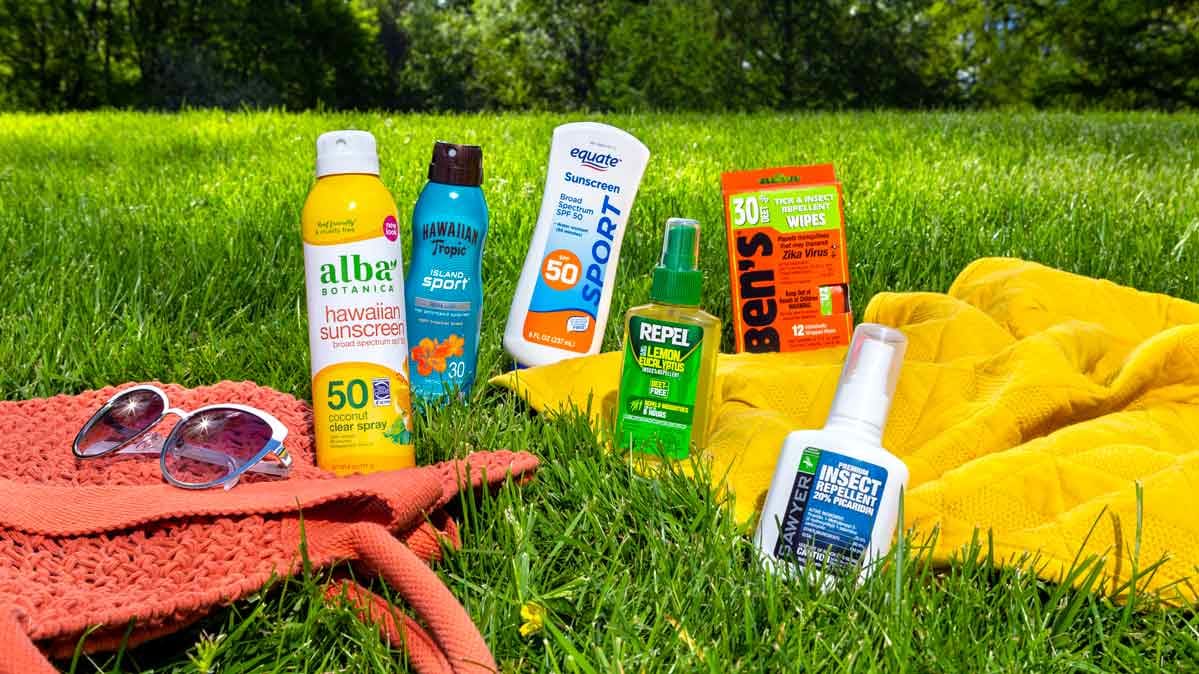
Africa's beauty comes with its own set of inhabitants, and some of them are tiny! Protecting yourself from insect bites is key. Pack a good quality insect repellent, preferably one with a high DEET content, to keep mosquitoes and other biting insects at bay. Applying it, especially during dawn and dusk when insects are most active, can make a big difference. Equally important is sun protection. The African sun can be intense, even on cloudy days. Bring a high SPF sunscreen, a wide-brimmed hat, and sunglasses. Consider lip balm with SPF too. Staying protected from the sun will help you enjoy every moment outdoors, from early morning game drives to sunset cocktails.
While it's tempting to bring all your usual toiletries, consider the environmental impact at your lodge. Many eco-conscious camps provide biodegradable products. For short trips, making do with the provided shampoo and conditioner is a thoughtful way to minimize waste and respect the local environment.
Photography and Electronics
Capturing the magic of a safari is a top priority for many, and having the right gear can make all the difference. From the majestic lion pride to the vast, sweeping savannas, you'll want to document every moment. Consider bringing a camera with a good zoom lens; wildlife can often be spotted at a distance, and you'll want to get those close-up shots without disturbing the animals. A secondary camera body can be a lifesaver if your primary one encounters an issue, and extra batteries are a must, as charging opportunities might be limited, especially in more remote camps.
Camera Gear and Accessories
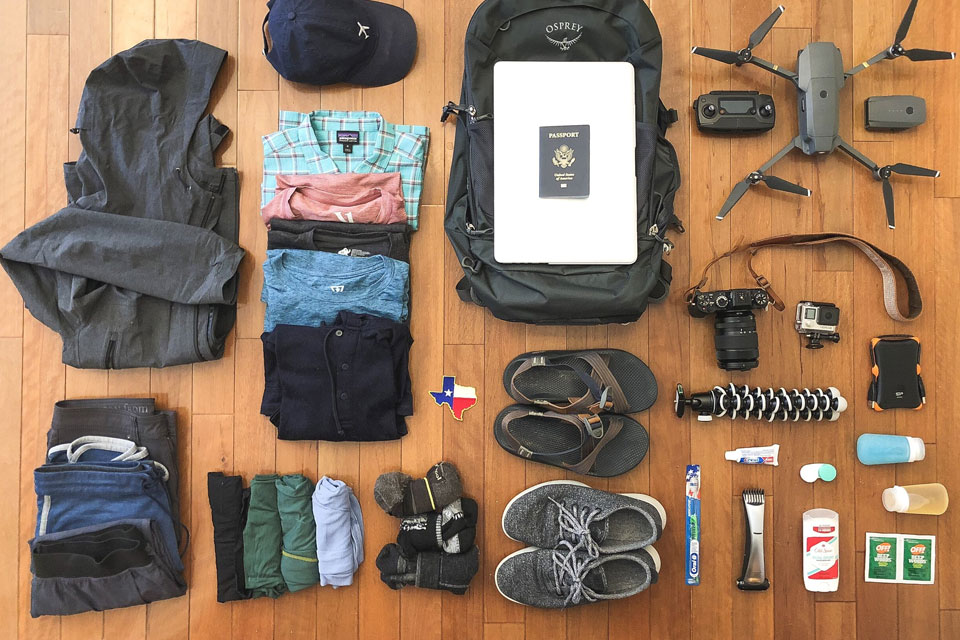
When packing for photography, think about versatility. A telephoto lens is excellent for wildlife, allowing you to capture intimate details of animals from afar. For those breathtaking landscapes, a wider-angle lens will be your best friend. Don't forget plenty of memory cards – you'll be taking more photos than you think! It's also wise to bring a few portable hard drives to back up your precious photos each evening. This way, you won't have to worry about losing your memories if something happens to your equipment.
Power Banks and Adapters
Keeping your electronics charged is key to staying connected and documenting your adventure. Power banks are incredibly useful for charging cameras, phones, or other devices on the go, especially during long game drives. Most safari camps provide charging facilities, but they might be centralized, so having a portable power source offers flexibility. Remember to pack the correct adapters for the region you're visiting. A universal adapter can be a great investment to cover all your needs. It's also a good idea to bring a small, portable power strip if you have multiple devices that need charging simultaneously.
Power outages can happen, and charging points might be scarce. Always have a backup plan for keeping your essential devices powered up. This includes extra batteries for your camera and a reliable power bank.
Important Documents and Money
When you're out on safari, the last thing you want to worry about is misplaced paperwork or not having the right currency. Keeping your important documents and money organized is key to a smooth and stress-free adventure. Think of it as your personal safari command center, ensuring everything runs like clockwork
First, your passport is your golden ticket. Make sure it's valid for at least six months beyond your travel dates and has plenty of blank pages. It's a good idea to make a few photocopies or take clear photos of your passport and keep them separate from the original. This can be a lifesaver if the original gets lost or stolen.
Next, consider your vaccination records. Depending on your destination, you might need to show proof of certain vaccinations, like Yellow Fever. Always check the latest travel advisories for your specific country well in advance of your trip. Having these documents readily available will save you a lot of hassle at borders or when checking into accommodations.
When it comes to money, it's wise to have a mix of payment methods. While credit cards are accepted in many lodges and larger towns, carrying some local currency or US Dollars (which are widely accepted in many African countries) is highly recommended for smaller purchases, tips, or in more remote areas. Ensure any US dollar bills you bring are in good condition – crisp and clean, without tears or markings, as banks and vendors can be quite particular.
Here’s a quick checklist to keep you on track:
Passport (with at least 6 months validity)
Visa (if required for your destination)
Flight and accommodation confirmations
Vaccination certificates (e.g., Yellow Fever)
Travel insurance details
Credit/debit cards
Some cash (USD or local currency)
Keeping digital copies of all your important documents on a secure cloud service or a USB drive can provide an extra layer of security. This way, even if your physical documents go missing, you'll still have access to the information you need.
Organizing these items in a secure travel wallet or a dedicated pouch within your daypack will make them easy to access when needed, allowing you to focus on the incredible wildlife and stunning landscapes unfolding before you.
Ready for Your Adventure
With your bags packed thoughtfully, you're now well-prepared for the incredible journey ahead. Remember, the goal is to be comfortable and ready for whatever the wild throws your way, from the early morning chill to the midday sun. This careful preparation allows you to fully immerse yourself in the breathtaking landscapes and the unforgettable wildlife encounters that await. Focus on the experience, the sights, and the sounds – that's what a safari is truly about. Enjoy every moment of your amazing adventure.
Frequently Asked Questions
Why is it important to pack carefully for a safari?
What kind of luggage is best for a safari?
What are the best colors to wear on a safari?
How many outfits do I really need for a safari?
What essential health and safety items should be included in a safari packing list?
Are binoculars and cameras essential for a safari?